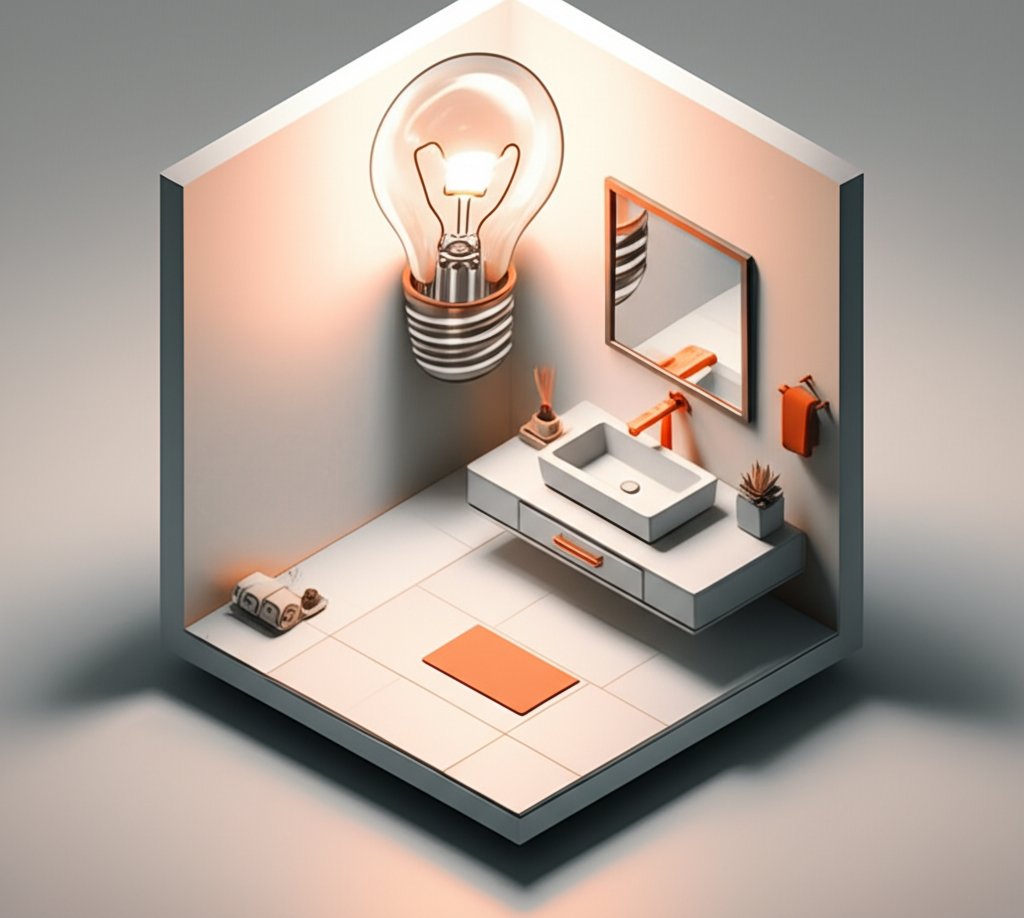
Walk into any thoughtfully designed bathroom, and your eyes will eventually land on the light fixtures. They’re more than just a source of illumination; they’re the jewelry of the room. And when it comes to choosing the perfect finish, the search often leads to a modern classic: bathroom light fixtures brushed nickel. This isn’t just a trend; it’s a testament to a finish that strikes the perfect balance between warm and cool, timeless and contemporary. It has a soft, matte look that elevates a space without screaming for attention.
Unlike the high-shine of polished chrome or the bold statement of matte black, brushed nickel offers a subtle sophistication. Its hand-brushed appearance gives it a slightly textured, artisanal feel that hides fingerprints and water spots with ease—a non-negotiable benefit in a high-traffic space like a bathroom. Whether you’re undertaking a full renovation or just looking for a simple, high-impact upgrade, understanding this versatile finish is your first step toward a more beautiful and functional bathroom.
Your Lighting Upgrade at a Glance
Short on time? Here are the key takeaways to guide your decision:
- Timeless Appeal: Brushed nickel’s soft, warm undertones make it incredibly versatile, fitting seamlessly into modern, traditional, and transitional designs.
- Practicality is Key: The matte, textured surface is excellent at concealing fingerprints and water spots, making it a low-maintenance choice for bathrooms.
- Sizing Matters: For vanity lighting, a fixture that is roughly 75% of the mirror’s width is a good rule of thumb. For two sinks, consider two separate fixtures.
- Layer Your Light: The best bathroom lighting combines task lighting (at the vanity), ambient lighting (overhead), and accent lighting to create a functional, inviting atmosphere.
- Bulb Choice is Crucial: Pay attention to color temperature (Kelvins). A neutral white light (3000K-4000K) is ideal for task-oriented spaces like bathrooms.
Why Brushed Nickel is the Unsung Hero of Bathroom Design
In the world of metal finishes, some shout while others speak. Brushed nickel speaks. It has a quiet confidence that designers and homeowners have come to rely on for its unmatched versatility and durability.
The “brushed” effect is created by treating the nickel with a wire brush, which creates a pattern of tiny, parallel lines. This process dulls the metallic shine, resulting in a low-sheen, matte finish that feels both industrial and soft. This texture is the secret to its practicality; it diffuses light gently and, most importantly, makes smudges and spots nearly invisible.
Compared to its cousins:
- Polished Chrome: High-shine and cool-toned, chrome is a classic but shows every single fingerprint and water drop.
- Matte Black: Bold and modern, black fixtures make a strong statement but can sometimes feel heavy in smaller spaces.
- Oil-Rubbed Bronze: Warm and traditional, bronze is beautiful but can be stylistically limiting.
Brushed nickel bridges the gap. It has warmer undertones than chrome but is more neutral than bronze, allowing it to pair effortlessly with a wide range of colors and materials. This chameleon-like quality makes it a safe yet stylish bet for any bathroom project. The wide availability of Brushed Nickel Bath Lighting also means you’ll have no trouble finding faucets, showerheads, and towel bars to match.
Layering Light: A Simple Framework for a Brighter Bathroom
Great bathroom lighting isn’t about a single, blindingly bright fixture. It’s about creating layers of light that work together to eliminate shadows, set a mood, and make your daily routines easier. Think of it in three parts:
- Task Lighting: This is the most important layer. It’s the focused light you need for grooming tasks like applying makeup, shaving, or styling your hair. The primary source for this is the vanity light, positioned either above or on the sides of your mirror.
- Ambient Lighting: This is the general, overall illumination for the room. It fills the space and makes it navigable. This usually comes from a central flush-mount or semi-flush-mount ceiling fixture, or recessed lights.
- Accent Lighting (Optional): This layer adds depth and character. It’s used to highlight architectural features, like a textured tile wall or a piece of art. A small, directional spotlight or a decorative pendant can serve this purpose.
Brushed nickel fixtures shine in every category. Their soft, diffused glow is perfect for creating a flattering and functional light source at the vanity, while their clean lines work well for unobtrusive overhead ambient lighting.
Finding Your Perfect Match: How to Select the Right Fixture
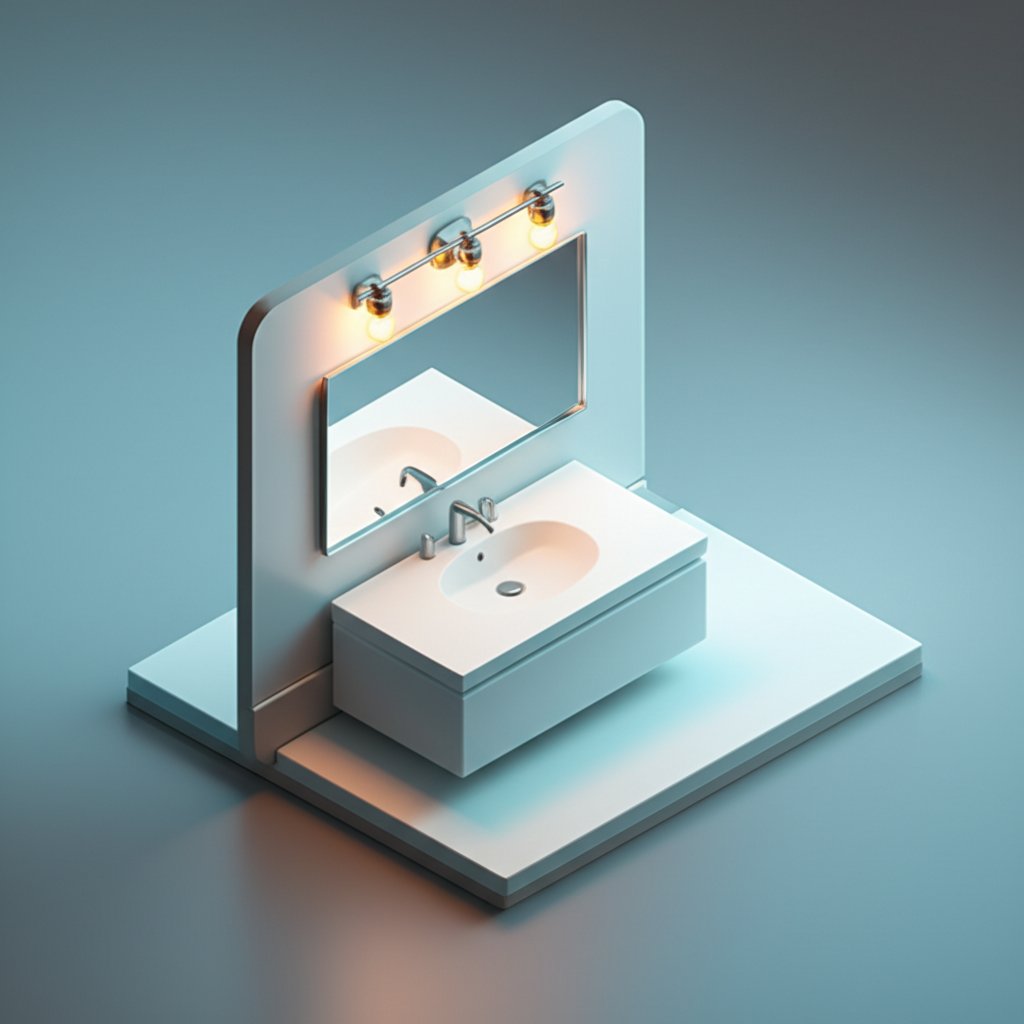
With the basics covered, it’s time to choose your hardware. Navigating the options can feel overwhelming, but focusing on a few key criteria will simplify the process and ensure you make a choice you’ll love for years.
Size and Scale: Getting the Proportions Right
The most common mistake is choosing a vanity light that’s too small for the mirror. It throws off the balance of the entire wall. Here are some simple guidelines:
- For a single mirror: Choose a fixture that is at least half the width of your mirror, but ideally closer to 75%. For a 36-inch mirror, look for a light that is between 24 and 28 inches wide. Never choose a light that is wider than the mirror.
- For a double vanity with one large mirror: Use the same 75% rule, selecting one long light bar to span the space.
- For a double vanity with two separate mirrors: Treat each mirror as its own vignette. Center a smaller vanity light over each mirror. In this case, the fixture should be slightly narrower than the mirror itself.
Before you buy, use painter’s tape to mark the dimensions of the fixture on the wall. This simple trick helps you visualize the scale and ensure it feels right in the space. You can often find a wide variety of sizes when you Explore nickel vanity lights online or in stores.
Up, Down, or Sideways? Mounting Your Vanity Lights
Where you place your light is just as important as the light itself. You have three primary options for vanity lighting:
- Above the Mirror: This is the most common placement. A horizontal light bar is mounted on the wall above the mirror frame. For best results, mount it about 75 to 80 inches from the floor. This provides good downward light but can sometimes cast shadows under your chin.
- Sconces on the Sides: Placing vertical sconces on either side of the mirror is the gold standard for task lighting. This cross-illumination eliminates shadows on your face, making it ideal for makeup application and shaving. Mount them roughly at eye level (about 60-66 inches from the floor) and 30-36 inches apart.
- Pendant Lights: For a more decorative, modern look, you can hang two small pendants on either side of the mirror. This works best with taller ceilings and adds a touch of drama.
Your choice will depend on your bathroom’s layout, your electrical setup, and your personal style.
The Power of the Bulb: Demystifying Kelvins and Lumens
The fixture is just the housing; the bulb does the work. When selecting bulbs, look at two key metrics:
- Lumens (Brightness): For a bathroom vanity, you need ample light. Aim for a total of 700-800 lumens per square meter (or about 70-80 lumens per square foot) for task lighting. An integrated LED fixture will list its total lumen output.
- Kelvins (Color Temperature): This determines if the light appears warm (yellowish) or cool (bluish). For a bathroom, you want light that renders skin tones accurately. Avoid warm, yellow lights (under 2700K) and harsh, blue-white “daylight” bulbs (over 5000K). The sweet spot is a neutral or natural white, typically between 3000K and 4000K.
Most modern LED fixtures offer excellent energy efficiency and long life, making them a smart investment.
Brushed Nickel vs. Satin Nickel: Spotting the Subtle Difference
You’ll often see “brushed nickel” and “satin nickel” used interchangeably, but they are technically different. The distinction is subtle but worth knowing.
| Feature | Brushed Nickel | Satin Nickel |
|---|---|---|
| Manufacturing | Created by abrading the surface with a wire brush. | Created via an electrolysis process or by lacquering. |
| Appearance | Has faint, visible brush marks; a slightly more textured, artisanal look. | A smooth, soft, consistent sheen with no visible texture. |
| Feel | Has a very subtle texture if you run your fingers over it. | Perfectly smooth to the touch. |
| Overall Vibe | Slightly more traditional or industrial. | Slightly more modern and uniform. |
| In reality, the difference is minimal. Most people won’t notice unless the two finishes are side-by-side. Both offer the same warm undertones and resistance to smudges. When shopping, you’ll find that many Satin nickel bathroom vanity lights look nearly identical to their brushed counterparts, so focus on the fixture’s style and shape rather than getting too caught up in the name. |
A Style for Every Space: Pairing Brushed Nickel Like a Pro
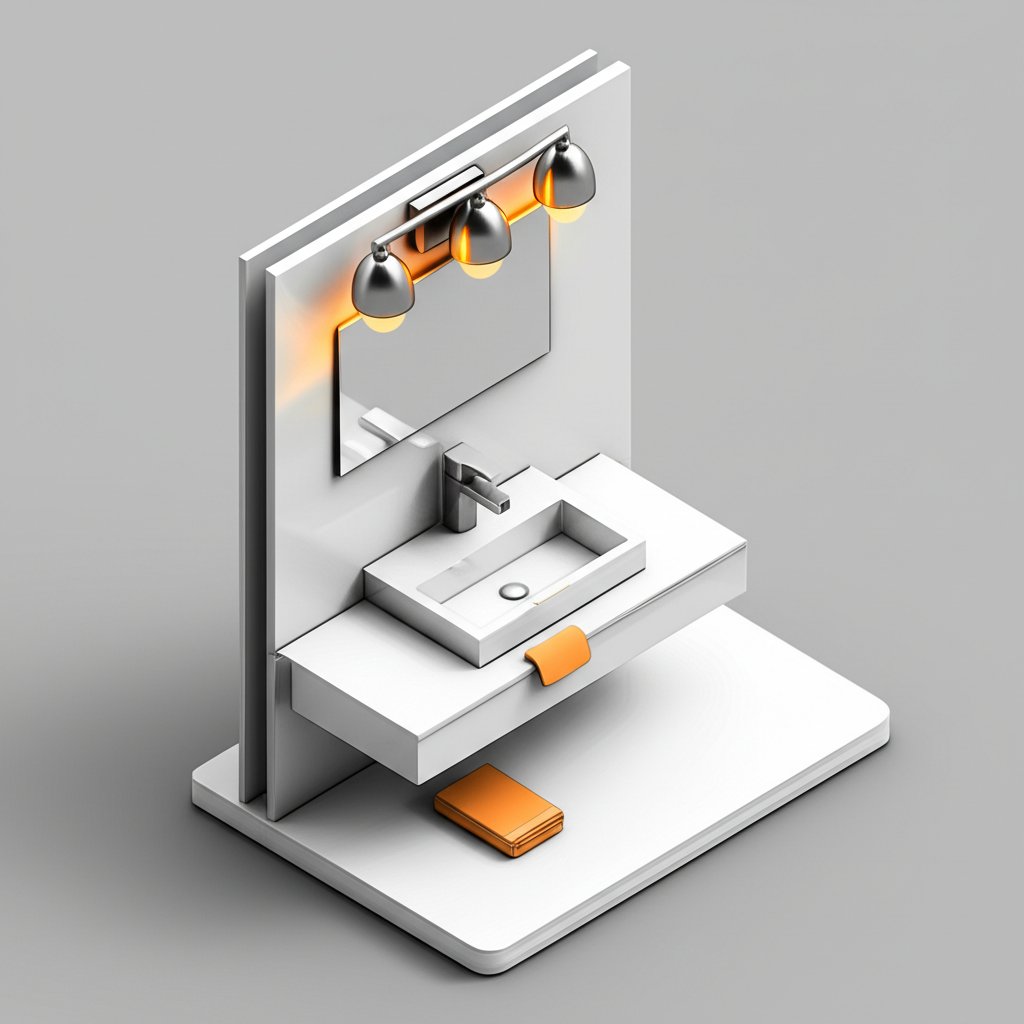
One of the greatest strengths of brushed nickel is its ability to adapt. It doesn’t dominate a room; it complements it. This makes it a workhorse for virtually any design aesthetic.
Modern & Minimalist
In a modern bathroom, brushed nickel provides a touch of warmth that prevents the space from feeling too sterile. Pair it with a floating vanity, a simple frameless mirror, and large-format porcelain tiles. The clean lines of a geometric or linear brushed nickel fixture will reinforce the minimalist aesthetic.
Farmhouse & Transitional
This is where brushed nickel truly thrives. Its soft, lived-in feel is a perfect match for the cozy-yet-updated vibe of farmhouse and transitional styles. It looks stunning next to a shiplap wall, a shaker-style vanity, and warm wood tones. Consider a fixture with clear glass shades or vintage-inspired details. You can easily Discover brushed nickel vanity lights with exposed bulbs or cage designs that fit this look perfectly.
Classic & Traditional
For a more traditional space, brushed nickel offers a fresh alternative to polished brass or chrome. It pairs beautifully with classic materials like Carrara marble, subway tile, and detailed millwork. Look for fixtures with elegant curves, bell-shaped glass shades, and decorative backplates to echo the timeless feel of the room.
Keeping It Flawless: Care and Maintenance Secrets
Brushed nickel is famously low-maintenance, but a little care goes a long way in keeping it looking brand new.
- Do: Use a soft, damp cloth with a bit of mild dish soap for regular cleaning. Always wipe in the direction of the brush marks to maintain the integrity of the finish. Dry thoroughly with a separate soft cloth to prevent water spots.
- Don’t: Never use abrasive cleaners, harsh chemicals (like bleach or ammonia), or scouring pads. These can scratch the surface and strip away the protective lacquer, leading to discoloration and damage.
- For stubborn spots: A 50/50 solution of white vinegar and water can help break down mineral deposits. Apply with a soft cloth, let it sit for a minute, then rinse and dry completely.
Your Brushed Nickel Questions, Answered
Is brushed nickel going out of style?
Absolutely not. While other finishes like matte black and brass have gained popularity, brushed nickel remains a timeless staple. Its neutrality and versatility ensure it won’t look dated in a few years. It’s considered a safe, long-term investment for a home’s hardware.
Can you mix brushed nickel with other metal finishes?
Yes! Mixing metals is a popular design strategy. Brushed nickel is an excellent “bridge” finish because it has both warm and cool undertones. It pairs beautifully with matte black for a modern, high-contrast look, or with a touch of polished chrome for a layered, classic feel. The key is to be intentional: try to have at least two items in each finish to make it look like a deliberate choice.
What paint colors go well with brushed nickel?
Almost anything! For a serene, spa-like feel, pair it with cool blues (like Benjamin Moore’s “Palladian Blue”), soft grays (“Revere Pewter”), or gentle greens (“Sea Salt”). For a more dramatic look, it pops against deep navy blues or charcoal grays. It also looks crisp and clean against a simple, bright white.
From Plan to Placement: Your Next Steps
Choosing the right bathroom light fixture is about more than just seeing in the dark. It’s about creating an atmosphere, enhancing your daily routine, and adding a finishing touch that ties the whole room together. Brushed nickel offers a rare combination of elegance, durability, and versatility that makes it an enduring favorite for good reason.
Armed with an understanding of scale, placement, and style, you’re ready to move from planning to purchasing. Start by measuring your mirror and wall space, decide on the best mounting style for your needs, and begin browsing for fixtures that speak to your personal aesthetic. With its understated charm and practical benefits, a brushed nickel fixture isn’t just a purchase—it’s an upgrade to your home and your daily life.

- DIY Bathroom Mirror Frame Designs on a Budget - October 12, 2026
- Creative Bathroom Mirror Border Ideas for Every Style and Budget - October 11, 2026
- Bathroom Finishes That Handle Moisture and Look Great - October 10, 2026