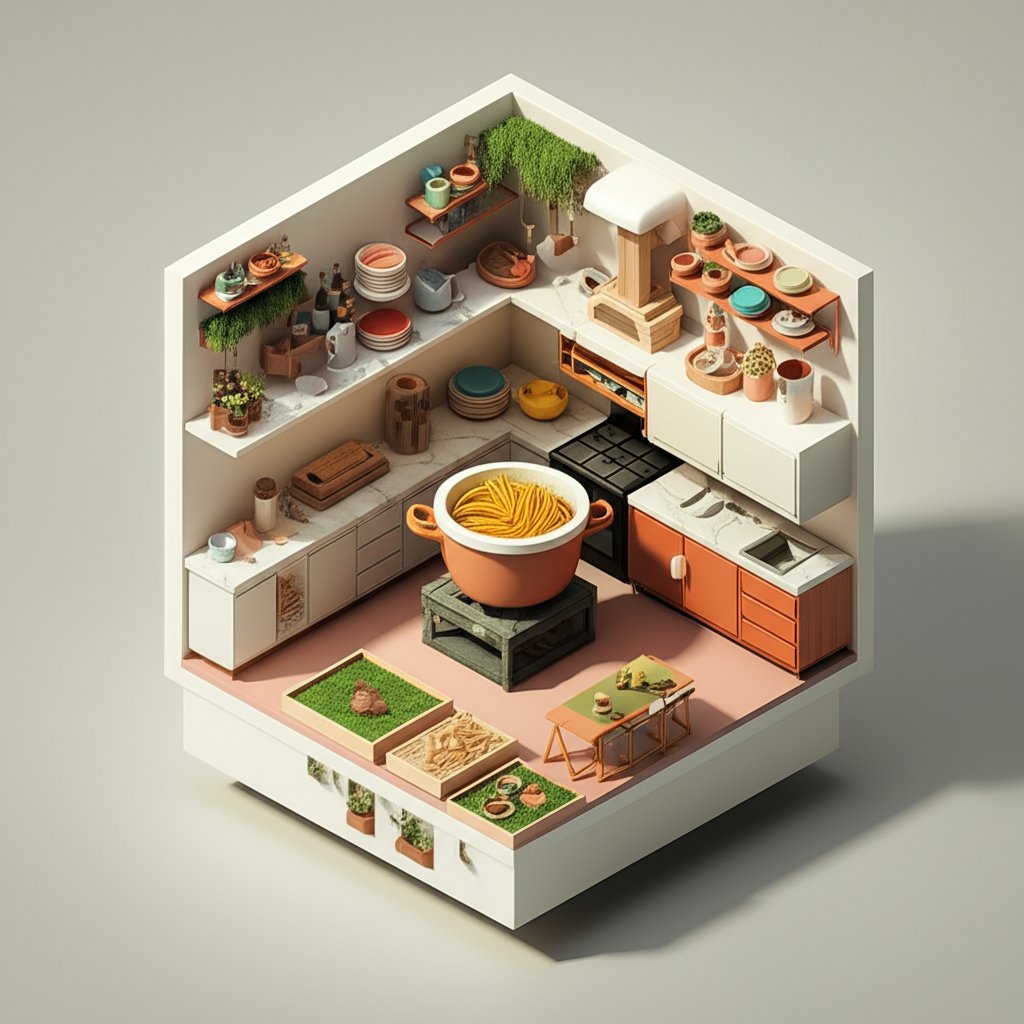
Stuck picturing sterile, cookie-cutter kitchens? It’s time to inject some anima into your cooking space! Let’s explore some stunning pictures of Italian kitchens to uncover the secrets behind their timeless beauty and functional design. Forget fleeting trends; we’re diving into enduring principles.
At a glance:
- Understand the key visual elements that define Italian kitchen design.
- Learn how to incorporate natural materials like wood, stone, and terracotta.
- Discover the importance of light, open spaces, and connection to the outdoors.
- Get practical tips for creating a functional and aesthetically pleasing Italian kitchen.
- Address common questions about budget, maintenance, and regional variations.
Decoding the Italian Kitchen Aesthetic: More Than Just Pizza
Italian kitchens aren’t just about aesthetics; they’re reflections of a lifestyle centered around food, family, and connection. The designs featured in many pictures of Italian kitchens emphasize warmth, functionality, and a sense of effortless elegance. Let’s unpack some key elements.
The Power of Natural Materials: Bringing the Outdoors In
Natural materials stand as the bedrock of Italian kitchen design. Wood, stone, terracotta, and even natural fibers create a sensory-rich environment that feels both rustic and refined.
- Wood: From cabinetry to countertops to exposed beams, wood adds warmth and character. Consider reclaimed wood for a truly authentic touch.
- Stone: Granite, marble, and travertine are popular choices for countertops and backsplashes. Their durability and natural beauty make them ideal for high-traffic areas.
- Terracotta: This earthy material is perfect for flooring, backsplashes, or even decorative accents. Its warm tones evoke the Italian countryside.
Mini-Example: Imagine a kitchen with terracotta floor tiles, a natural stone backsplash, and wooden cabinets painted in a warm cream color. The combination of textures and tones creates a cozy and inviting atmosphere.
Light and Openness: Embracing the Mediterranean Sun
Italian kitchens are typically bright and airy, with ample natural light and open floor plans. This emphasis on light and space creates a welcoming environment for cooking, eating, and socializing.
- Large Windows: Maximize natural light with large windows that offer views of the surrounding landscape.
- Open Floor Plans: Connect the kitchen to other living areas to create a seamless flow and encourage interaction.
- Strategic Lighting: Supplement natural light with well-placed lighting fixtures, such as pendant lights over the island or recessed lighting in the ceiling.
Case Snippet: A homeowner renovated their dark and cramped kitchen by installing a large picture window and opening up the space to the adjacent dining room. The result was a bright and spacious kitchen that became the heart of the home.
Color Palettes: Earthy Warmth and Subtle Accents
Italian kitchens typically feature warm, earthy color palettes that evoke the Italian countryside. Think terracotta, ochre, olive green, and warm creams. Accent colors, such as blue, red, or yellow, can be used to add pops of personality.
- Warm Neutrals: Use warm neutral tones as a base for walls, cabinets, and countertops.
- Earthy Accents: Incorporate earthy accent colors through accessories, textiles, and decorative elements.
- Consider Regional Variations: Kitchen designs in Tuscany, for example, might lean more heavily on terracotta and ochre, while those in coastal regions might incorporate more blues and greens.
Practical Tip: When choosing a color palette, consider the amount of natural light in your kitchen. Darker colors can make a small kitchen feel even smaller, while lighter colors can brighten up a space.
From Inspiration to Implementation: Designing Your Italian Kitchen

Now that you understand the key visual elements of Italian kitchen design, let’s explore the steps involved in bringing your dream kitchen to life.
Step 1: Defining Your Needs and Style Preferences
Before you start browsing pictures of Italian kitchens, take some time to assess your needs and style preferences.
- Functionality: How do you use your kitchen? What are your storage needs? What appliances do you need?
- Style: What is your preferred aesthetic? Do you prefer a rustic, traditional, or more modern Italian style?
- Budget: How much are you willing to spend on your kitchen renovation?
Decision Tree: - Do you want a modern or rustic feel? -> Modern (sleek cabinets, stainless steel accents) / Rustic (exposed wood, stone features).
- How much storage do you need? -> Ample (pantry, large cabinets) / Minimal (open shelving).
- What’s your budget? -> Higher (custom cabinetry, premium materials) / Lower (stock cabinets, budget-friendly materials).
Step 2: Planning Your Layout and Space
The layout of your kitchen is crucial for both functionality and aesthetics. Consider the “kitchen work triangle” (sink, stove, refrigerator) to optimize workflow.
- Maximize Space: Utilize every inch of space with clever storage solutions and efficient layouts.
- Consider Traffic Flow: Ensure that there is ample space for movement around the kitchen.
- Think Vertically: Utilize vertical space with tall cabinets and shelving units.
Step 3: Selecting Materials and Finishes
Choosing the right materials and finishes is essential for creating an authentic Italian kitchen.
- Cabinets: Opt for wood cabinets painted in a warm neutral color or stained to showcase the natural grain.
- Countertops: Choose durable and beautiful materials like granite, marble, or quartz.
- Backsplash: Create a focal point with a decorative tile backsplash or a simple stone slab.
Step 4: Adding Italian Touches: Details That Matter
Small details can make a big difference in achieving an authentic Italian kitchen.
- Hardware: Choose rustic or vintage-style hardware for cabinets and drawers.
- Fixtures: Select pendant lights, chandeliers, or sconces that complement the overall style of the kitchen.
- Accessories: Add Italian-inspired accessories, such as ceramic pottery, copper cookware, and olive oil dispensers.
- Herbs: Grow fresh herbs on your windowsill or in a small indoor garden to add a touch of greenery and fresh flavor.
Explore Italian Kitchen Designs in greater detail for a broader understanding of the underlying principles that guide these design choices.
Practical Playbook: Tips for Creating an Affordable Italian Kitchen
Renovating a kitchen can be expensive, but there are ways to achieve an Italian-inspired look without breaking the bank.
- Repaint Existing Cabinets: Instead of replacing your cabinets, consider repainting them in a warm neutral color.
- Install a Tile Backsplash: A tile backsplash is a relatively inexpensive way to add a touch of Italian style to your kitchen.
- Shop for Discounted Materials: Look for discounted materials at salvage yards, home improvement stores, and online retailers.
- DIY Projects: Tackle smaller DIY projects, such as installing new hardware or painting a decorative mural.
- Focus on Key Elements: Prioritize the elements that will have the biggest impact, such as cabinets and countertops.
Quick Answers: Common Questions About Italian Kitchen Design
Let’s address some frequently asked questions about achieving the perfect Italian kitchen.
Q: Are Italian kitchens only for large spaces?
A: No! While open floor plans are common, Italian design principles can be adapted to smaller spaces. Focus on maximizing natural light, using light colors, and incorporating clever storage solutions. Even a small kitchen can embrace the warmth and functionality of Italian style.
Q: How do I maintain the natural materials in my Italian kitchen?
A: Proper maintenance is key to preserving the beauty of natural materials. Seal stone countertops regularly, clean wood surfaces with mild soap and water, and avoid harsh chemicals. Consider professional cleaning for more delicate materials like marble.
Q: Are there regional variations in Italian kitchen design?
A: Absolutely! Kitchens in Tuscany might feature more rustic elements and warm colors, while those in coastal regions might incorporate more blues and greens. Research regional styles to find inspiration that aligns with your personal taste.
Q: What are some common mistakes to avoid when designing an Italian kitchen?
A: Overdoing it with too many ornate details, neglecting functionality in favor of aesthetics, and choosing materials that are not durable or easy to maintain. Remember to prioritize both beauty and practicality.
Time to Get Cooking!
Designing an Italian kitchen is about more than just following trends; it’s about creating a space that reflects your love of food, family, and connection. Start browsing pictures of Italian kitchens, gather inspiration, and then use the tips and guidance we’ve covered to bring your vision to life. Buon appetito!

- DIY Bathroom Mirror Frame Designs on a Budget - October 12, 2026
- Creative Bathroom Mirror Border Ideas for Every Style and Budget - October 11, 2026
- Bathroom Finishes That Handle Moisture and Look Great - October 10, 2026