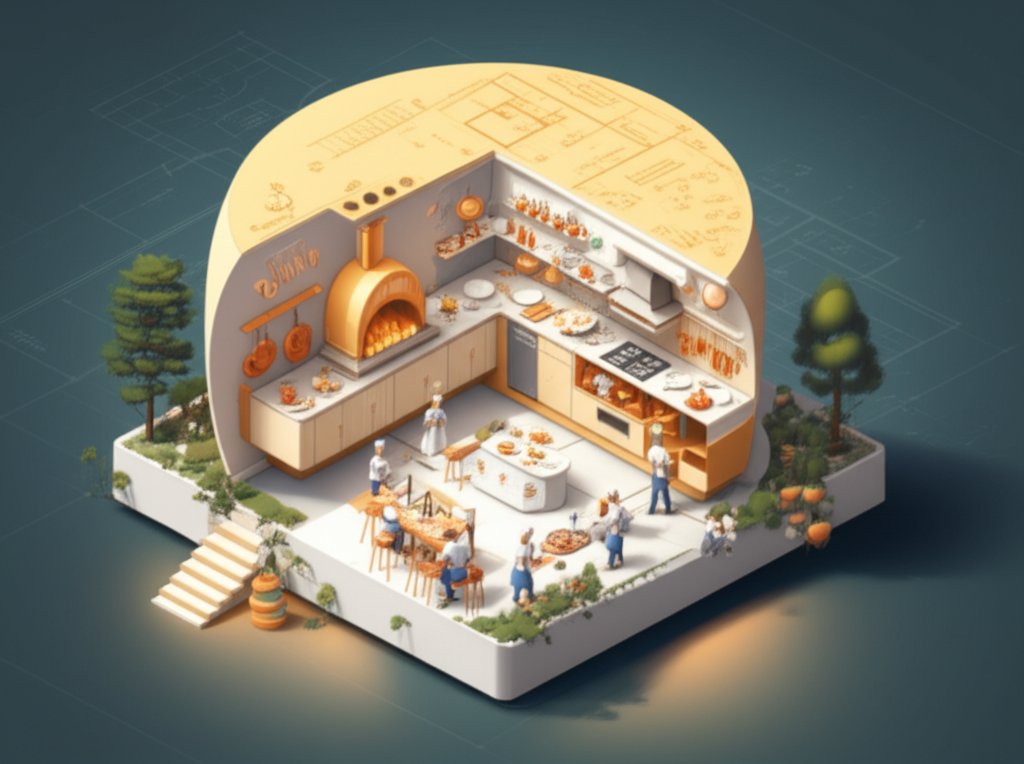
For the bigger picture and full context, make sure you read our main guide on Italian Kitchens Design: Ideas For a Beautiful, Functional Space.
Dreaming of a kitchen that’s both a culinary haven and a stylish centerpiece? Exploring Italian kitchen ideas is the first step toward creating a space that embodies warmth, functionality, and timeless elegance. From rustic farmhouses to sleek, modern designs, Italian kitchens offer a diverse range of aesthetics to suit every taste.
At a glance:
- Discover how to blend rustic charm with modern amenities in your Italian kitchen.
- Learn to use color palettes and natural materials to evoke the Italian countryside.
- Explore the importance of open floor plans and kitchen islands for functionality and gathering.
- Understand how to incorporate fresh herbs and statement lighting to enhance your Italian kitchen.
- Get inspired by minimalist designs that prioritize clean lines and uncluttered spaces.
Embrace Timeless Elegance: Rustic Charm Meets Modern Functionality
Italian kitchens beautifully bridge the gap between old-world charm and modern convenience. This isn’t just about aesthetics; it’s about creating a space where cooking feels like a cherished tradition, not a chore. Think about the kitchens you’ve seen in movies or travel shows, the ones that seem to hum with the energy of generations cooking together. How can you capture that spirit in your own home?
Key Elements of Rustic-Modern Fusion:
- Natural Materials: Incorporate wood (especially reclaimed or distressed), stone, and terracotta. A butcher-block countertop on a modern island brings instant warmth.
- Earthy Tones: Opt for warm, inviting colors like terracotta, ochre, and muted greens. These tones echo the Italian landscape and create a cozy atmosphere. Think Tuscan sunset.
- Modern Appliances, Classic Feel: Choose stainless steel appliances but soften their look with vintage-inspired knobs and pulls. Retro-style refrigerators in cream or pastel colors can also add character.
- Open Shelving: Display your favorite cookware, Italian pottery, and fresh herbs on open shelves. This adds visual interest and makes essential items easily accessible.
- Statement Lighting: A wrought-iron chandelier or pendant lights above the island can serve as a focal point while providing ample illumination.
Example: Imagine a kitchen with exposed brick walls, a large farmhouse sink, and sleek stainless steel appliances. A butcher-block island provides ample prep space, while open shelves display colorful Italian ceramics. The color palette consists of warm terracotta and cream, creating a welcoming and inviting atmosphere.
Color Palettes & Materials: Evoking the Italian Countryside
Color and material choices are paramount in achieving an authentic Italian kitchen design. The goal is to capture the essence of the Italian landscape and bring its warmth and beauty into your home.
Color Scheme Inspiration:
- Tuscan Sunset: Terracotta, ochre, burnt orange, and warm yellows evoke the rolling hills and sun-drenched landscapes of Tuscany.
- Coastal Charm: Soft blues, greens, and sandy beige create a relaxed and airy atmosphere reminiscent of the Italian coastline.
- Umbrian Earth: Deep greens, browns, and grays reflect the fertile farmlands and forests of Umbria.
- Neutral Foundation: White, cream, and gray provide a clean and modern backdrop that allows natural materials and pops of color to shine.
Material Selection: - Natural Stone: Marble (Carrara is a classic choice), granite, and travertine are durable and add a touch of luxury. Be mindful of marble’s staining vulnerability.
- Wood: Cherry, walnut, and oak provide warmth and character. Consider using reclaimed wood for a rustic touch.
- Terracotta: Ideal for flooring and backsplashes, terracotta adds a rustic and earthy element.
- Ceramic Tiles: Use vibrantly colored or patterned ceramic tiles to create a bold backsplash or accent wall. Here are a few options, depending on the surrounding text: * Italian Kitchen Design Ideas * Explore Italian Kitchen Designs * Design Your Dream Italian Kitchen * More Italian Kitchen Inspiration * Learn About Italian Kitchens.
- Copper: Copper pots, pans, and accents add a touch of elegance and reflect light beautifully.
Pitfall Alert: Avoid overly trendy colors or materials that may quickly go out of style. Focus on timeless choices that will stand the test of time.
Open Floor Plans & Kitchen Islands: The Heart of the Italian Home
In Italian culture, the kitchen, “la cucina,” is the heart of the home, a place for cooking, eating, and gathering with family and friends. An open floor plan and a well-designed kitchen island are essential for creating a functional and inviting space.
Benefits of an Open Floor Plan:
- Enhanced Social Interaction: An open floor plan allows you to easily interact with family and guests while cooking.
- Improved Flow: Seamlessly connects the kitchen to the living and dining areas, creating a more spacious and airy feel.
- Increased Natural Light: Maximizes the amount of natural light throughout the entire living space.
Designing the Perfect Kitchen Island: - Size and Shape: Choose an island size and shape that complements your kitchen layout and provides ample workspace. Consider the traffic flow around the island.
- Built-in Storage: Incorporate drawers, cabinets, and shelves to store cookware, utensils, and pantry items.
- Seating: Add bar stools to create a casual dining area for breakfast, lunch, or snacks.
- Integrated Appliances: Include a cooktop, sink, or wine refrigerator to enhance functionality.
- Material Choice: Use materials that complement the overall kitchen design, such as marble, wood, or stainless steel.
Scenario: A family of four enjoys spending time together in the kitchen. The open floor plan allows parents to supervise children while preparing meals. The kitchen island serves as a gathering spot for homework, casual meals, and conversations.
Fresh Herbs & Statement Lighting: Adding the Finishing Touches
The details make all the difference in creating an authentic and inviting Italian kitchen. Fresh herbs and thoughtful lighting not only enhance the functionality but also add a touch of personality and charm.
Incorporating Fresh Herbs:
- Indoor Herb Garden: Grow fresh herbs like basil, rosemary, oregano, and thyme in pots on a windowsill or countertop.
- Outdoor Herb Garden: Create a dedicated herb garden in your backyard or on a balcony.
- Herb Drying Rack: Hang bunches of herbs from a drying rack to add a rustic touch and preserve their flavor.
- Culinary Inspiration: Having fresh herbs on hand will inspire you to create authentic Italian dishes.
Lighting Design: - Ambient Lighting: Provides overall illumination for the kitchen. Recessed lighting, chandeliers, and pendant lights are good options.
- Task Lighting: Focuses on specific work areas, such as countertops, sinks, and cooktops. Under-cabinet lighting and spotlights are ideal.
- Accent Lighting: Highlights architectural features, artwork, or decorative elements. Use spotlights, wall sconces, or LED strip lights.
- Statement Fixtures: Choose eye-catching chandeliers or pendant lights to serve as focal points. Wrought-iron fixtures, Murano glass pendants, and vintage-inspired lights can add character.
Example: Imagine a kitchen with a large window overlooking a thriving herb garden. Pendant lights illuminate the island, while under-cabinet lighting highlights the beautiful backsplash. The aroma of fresh basil fills the air, creating a sensory-rich atmosphere.
Minimalist Italian Kitchens: Simplicity and Functionality
For those who prefer a clean and contemporary aesthetic, minimalist Italian kitchens offer a sophisticated and uncluttered approach. These designs prioritize simplicity, clean lines, and functionality.
Key Characteristics:
- Clean Lines: Emphasize straight lines and geometric shapes.
- Neutral Color Palette: Stick to white, gray, and beige.
- Sleek Materials: Use stainless steel, glass, and lacquered finishes.
- Hidden Storage: Maximize storage space with integrated cabinets and drawers.
- Integrated Appliances: Conceal appliances behind cabinet doors for a seamless look.
- Minimalist Decor: Avoid clutter and keep surfaces clear.
How to Achieve a Minimalist Italian Kitchen:
- Declutter: Remove unnecessary items from your countertops and cabinets.
- Streamline: Choose sleek and modern appliances with clean lines.
- Conceal: Hide small appliances and utensils in drawers and cabinets.
- Organize: Use drawer dividers and organizers to maximize storage space.
- Simplify: Opt for a minimalist color palette and avoid excessive decoration.
Case Snippet: A homeowner with a small kitchen chose a minimalist Italian design to maximize space and create a clean and functional environment. White cabinets, stainless steel appliances, and a light gray countertop created a bright and airy feel. Hidden storage solutions kept surfaces clear and uncluttered.
Practical Playbook: Quick Start to Your Italian Kitchen
Ready to start bringing your italian kitchen ideas to life? Here’s a condensed guide:
- Define Your Style: Do you prefer rustic charm, modern minimalism, or a blend of both? Gather inspiration from magazines, websites, and social media.
- Plan Your Layout: Consider your kitchen’s size and shape. Determine the placement of appliances, countertops, and storage.
- Choose Your Color Palette: Select colors that reflect your personal style and evoke the Italian countryside.
- Select Your Materials: Opt for durable and beautiful materials like natural stone, wood, and ceramic tiles.
- Prioritize Functionality: Design a kitchen that is both beautiful and practical. Consider storage needs, workflow, and lighting.
- Add Personal Touches: Incorporate fresh herbs, statement lighting, and decorative items that reflect your personality.
Quick Answers: Essential FAQs
- What are the key elements of an Italian kitchen? Natural materials, warm colors, open floor plans, kitchen islands, fresh herbs, and statement lighting.
- How can I create a rustic Italian kitchen on a budget? Use reclaimed wood, terracotta tiles, and vintage-inspired accessories. Paint existing cabinets in warm, earthy tones.
- What are the best materials for Italian kitchen countertops? Marble, granite, and butcher block are popular choices. Consider the pros and cons of each material before making a decision.
- How can I incorporate fresh herbs into my Italian kitchen? Grow herbs in pots on a windowsill, create an outdoor herb garden, or hang herbs from a drying rack.
- What are the benefits of an open floor plan in an Italian kitchen? Enhanced social interaction, improved flow, and increased natural light.
- How can I maximize storage space in a small Italian kitchen? Use integrated cabinets, drawers, and shelves. Consider vertical storage solutions, such as tall pantry cabinets.
Design Your Dream Italian Kitchen
Crafting an Italian kitchen is about capturing a feeling: the warmth of family gatherings, the joy of cooking with fresh ingredients, and the beauty of the Italian landscape. By combining rustic charm with modern functionality, selecting the right color palette and materials, and incorporating personal touches, you can create a kitchen that is both a culinary haven and a stylish centerpiece.

- DIY Bathroom Mirror Frame Designs on a Budget - October 12, 2026
- Creative Bathroom Mirror Border Ideas for Every Style and Budget - October 11, 2026
- Bathroom Finishes That Handle Moisture and Look Great - October 10, 2026