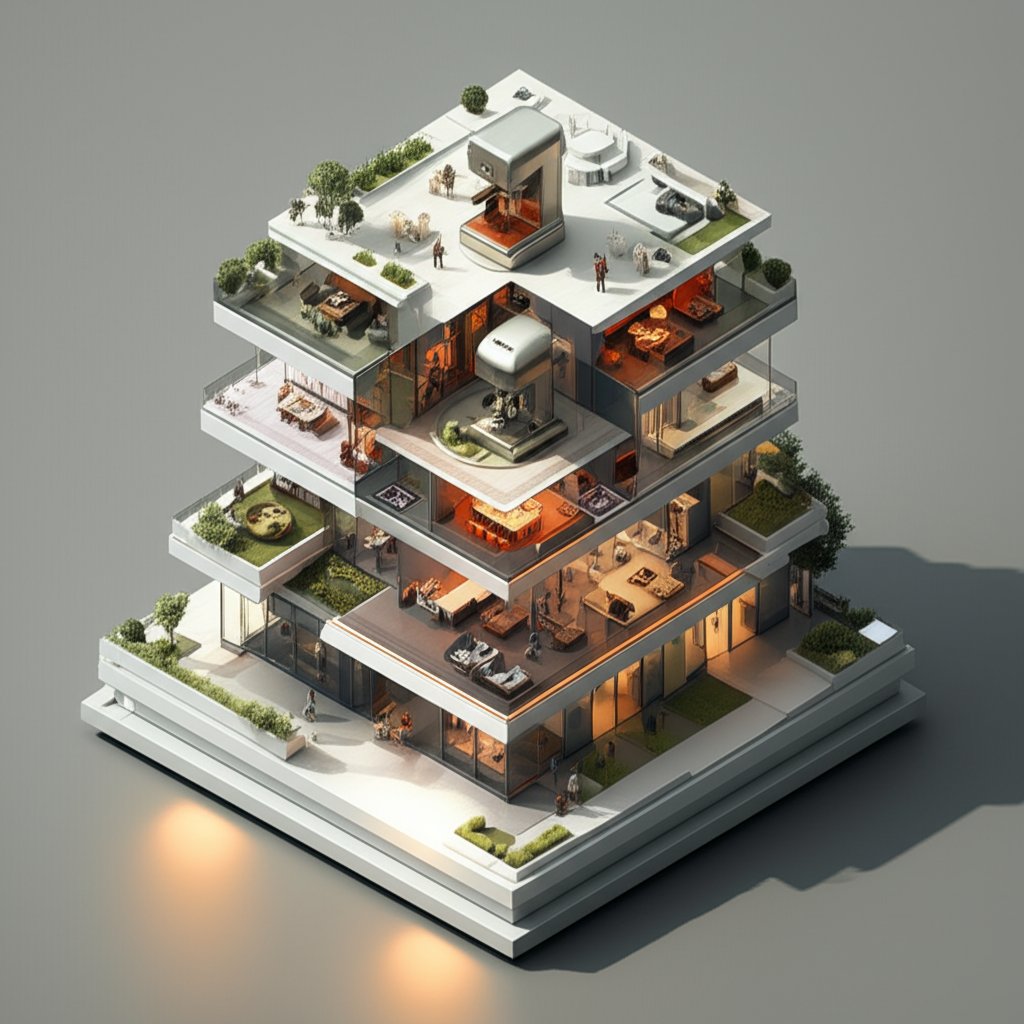
The scent of simmering ragu, the clinking of glasses, the boisterous laughter of family gathered around a table – these are the hallmarks of the Italian kitchen. But translating that warmth and functionality into a luxury italian kitchen requires more than just good recipes. It demands a careful blend of aesthetics, high-end materials, and thoughtful design.
At a glance:
- Discover the key design elements that define luxury Italian kitchens, from materials to layout.
- Explore different styles – from rustic farmhouse to sleek minimalist – and find the perfect fit for your taste.
- Learn how to choose high-end appliances and finishes that combine performance and beauty.
- Get actionable tips for creating a functional and stylish luxury kitchen that reflects your personal style.
- Understand the investment involved and how to prioritize elements for maximum impact.
What Makes a Kitchen “Luxury Italian”?
It’s more than just a price tag. Luxury italian kitchens represent a philosophy where form follows function, and both are elevated by superior craftsmanship and exquisite materials. They are built to last and designed to impress. Think of it as a bespoke suit, perfectly tailored to your needs and desires, rather than an off-the-rack option.
Here are the key factors that differentiate a standard kitchen from a truly luxurious Italian one:
- Materials: Solid wood cabinetry (walnut, oak, or even exotic veneers), natural stone countertops (Carrara marble, granite, or quartzite), and high-quality metal hardware are hallmarks of luxury. Synthetic materials are kept to a minimum, and when used, they are of the highest grade.
- Example: Instead of laminate cabinets, consider solid wood doors with a multi-layered finish for durability and depth of color.
- Craftsmanship: Attention to detail is paramount. Expect perfectly aligned drawers, soft-close mechanisms, and flawless finishes. The difference lies in the meticulous execution.
- Example: Look for dovetail joinery on drawers and cabinets. This is a sign of superior construction and longevity.
- Design: Luxury Italian kitchens often feature a seamless blend of traditional and modern elements. Clean lines, integrated appliances, and hidden storage solutions are combined with classic details like ornate moldings or handcrafted tiles.
- Example: Combining Shaker-style cabinets with a sleek, handle-less island creates a sophisticated and timeless look.
- Appliances: High-end appliances are not just about brand names; they’re about performance and innovation. Professional-grade ranges, integrated refrigerators, and smart ovens are essential components of a luxury kitchen.
- Example: Consider a steam oven for healthier cooking or a built-in wine refrigerator to keep your favorite vintages at the perfect temperature.
- Customization: True luxury is about personalization. A luxury Italian kitchen is designed specifically for your needs and preferences, from the layout and storage solutions to the finishes and accessories.
Decoding the Styles: Finding Your Ideal Luxury Italian Kitchen
Italian kitchen design is diverse, but several distinct styles consistently appear with a luxurious spin. Understanding these styles can help you pinpoint the aesthetic that best suits your taste.
- Rustic Farmhouse: Imagine a Tuscan villa with exposed wooden beams, a large farmhouse sink, and warm, earthy tones. In its luxury version, you’ll find handcrafted cabinetry, natural stone countertops with intricate edging, and high-end appliances cleverly disguised within the rustic design. Think Sub-Zero refrigerators hidden behind custom wood panels.
- Pitfall: Rustic can quickly become cluttered. Focus on quality over quantity and embrace a minimalist approach to decor.
- Sleek Minimalist: Emphasizing clean lines, uncluttered surfaces, and a neutral color palette, this style is all about understated elegance. Luxury is achieved through the quality of materials and the seamless integration of appliances. Expect handle-less cabinets, integrated lighting, and a focus on functionality.
- Example: A kitchen island clad in a single slab of book-matched marble becomes a stunning focal point.
- Classic Contemporary: A timeless blend of traditional and modern elements, this style offers a sophisticated and versatile look. It often features Shaker-style cabinets, natural stone countertops, and a mix of chrome and brushed nickel hardware.
- Tip: Use lighting to highlight architectural details and create a warm and inviting ambiance.
- Industrial Chic: Drawing inspiration from urban lofts and factories, this style incorporates exposed brick, metal accents, and concrete countertops. Luxury is introduced through high-end appliances, custom-made metal shelving, and carefully selected artwork.
- Challenge: Balancing the raw aesthetic with refined elements is key to avoiding a cold and uninviting space.
The Recipe for Success: Key Design Elements in Luxury Italian Kitchens
No matter the style, certain design elements consistently contribute to the luxurious feel of an Italian kitchen.
- Layout & Flow: An open floor plan that connects the kitchen to the living and dining areas is common. A generous island serves as a central hub for food preparation, dining, and socializing. Consider how you use the kitchen and prioritize workflow.
- Example: The “work triangle” – connecting the sink, stove, and refrigerator – remains relevant, even in luxury designs.
- Cabinetry: Custom-made cabinetry is essential for maximizing storage and creating a seamless look. Opt for solid wood construction with soft-close mechanisms and pull-out shelves for added convenience.
- Decision Point: Framed vs. frameless cabinets? Framed are more traditional, while frameless offer a sleeker, more modern look.
- Countertops: Natural stone countertops, such as marble, granite, or quartzite, are a luxurious and durable choice. Consider the veining and color variations to complement your overall design.
- Practicality Check: Marble is beautiful but porous and requires sealing to prevent staining. Granite and quartzite are more durable options.
- Backsplash: The backsplash is an opportunity to add a touch of personality and luxury. Consider using handcrafted tiles, a slab of natural stone, or a mosaic pattern.
- Budget Tip: A smaller area of high-end tile can create a significant impact without breaking the bank.
- Appliances: Invest in high-end appliances that offer both performance and style. Integrated refrigerators, professional-grade ranges, and smart ovens are worth the splurge.
- Research is Key: Compare features and read reviews before making a purchase.
- Lighting: Layered lighting is crucial for creating a warm and inviting ambiance. Combine recessed lighting, pendant lights, and under-cabinet lighting to illuminate different areas of the kitchen.
- Smart Move: Install dimmers to adjust the lighting to suit different moods and activities.
Investing in the Dream: Budgeting for a Luxury Italian Kitchen
Luxury comes at a price. Creating a high-end Italian kitchen is a significant investment. Here’s how to approach budgeting:
- Establish a Realistic Budget: Research average costs for materials, appliances, and labor in your area. Be prepared to spend more than you initially anticipated.
- Prioritize Key Elements: Focus on the elements that will have the biggest impact, such as cabinetry, countertops, and appliances.
- Consider Phased Construction: If your budget is limited, consider completing the project in phases. Start with the essentials and add other features later.
- Seek Professional Advice: Consult with a kitchen designer or contractor to get accurate cost estimates and explore value engineering options.
- Don’t Sacrifice Quality: While it’s important to stay within your budget, don’t compromise on the quality of materials and workmanship. This will ensure that your luxury kitchen stands the test of time.
To learn more about the broader concepts of Italian kitchens, Option 3 (Direct and clear): * Explore Italian Kitchen Design.
Practical Playbook: Steps to Realizing Your Luxury Italian Kitchen
- Define Your Style: Gather inspiration from magazines, websites, and showrooms. Create a mood board to visualize your desired aesthetic.
- Assess Your Needs: Consider how you use the kitchen and what features are most important to you. Do you need a large island for entertaining? Ample storage for cookware?
- Consult with Professionals: Hire a kitchen designer or contractor with experience in luxury Italian kitchens. They can help you develop a design that meets your needs and budget.
- Select Materials and Appliances: Choose high-quality materials and appliances that reflect your style and budget. Request samples and compare prices.
- Finalize the Design: Review the design plans carefully and make any necessary adjustments. Ensure that all details are finalized before construction begins.
- Oversee the Construction Process: Monitor the progress of the construction and address any issues promptly. Communicate regularly with your contractor.
Quick Answers: Common Questions About Luxury Italian Kitchens
- Q: Are luxury Italian kitchens only for large homes?
- A: Not at all. Even smaller kitchens can be transformed into luxurious spaces with careful planning and high-end materials. The key is to maximize functionality and create a sense of elegance.
- Q: What are some sustainable options for luxury Italian kitchens?
- A: Consider using reclaimed wood for cabinetry, recycled glass for countertops, and energy-efficient appliances. Look for materials with low VOC emissions to improve indoor air quality.
- Q: How can I incorporate smart technology into my luxury Italian kitchen?
- A: Integrate smart appliances, such as a voice-controlled oven or a refrigerator with a built-in touchscreen. Install smart lighting and automated window treatments.
- Q: What are the latest trends in luxury Italian kitchen design?
- A: Integrated appliances, handle-less cabinetry, and natural stone countertops are all popular trends. Also, many homeowners are incorporating open shelving and statement lighting fixtures.
- Q: Can I mix different styles in my luxury Italian kitchen?
- A: Yes, but it’s important to do it carefully. Choose one dominant style and incorporate elements from other styles to add personality. For example, pair rustic farmhouse cabinets with a sleek, modern backsplash.
Your Turn: Creating a Luxury Italian Kitchen that Reflects You
Designing a luxury italian kitchen is an exciting journey. By considering your style, needs, and budget, you can create a space that is both functional and beautiful. Don’t be afraid to experiment with different materials, colors, and textures to create a kitchen that truly reflects your personality. Remember, the goal is to create a space where you love to cook, gather, and create lasting memories. Good luck, and buon appetito!

- DIY Bathroom Mirror Frame Designs on a Budget - October 12, 2026
- Creative Bathroom Mirror Border Ideas for Every Style and Budget - October 11, 2026
- Bathroom Finishes That Handle Moisture and Look Great - October 10, 2026