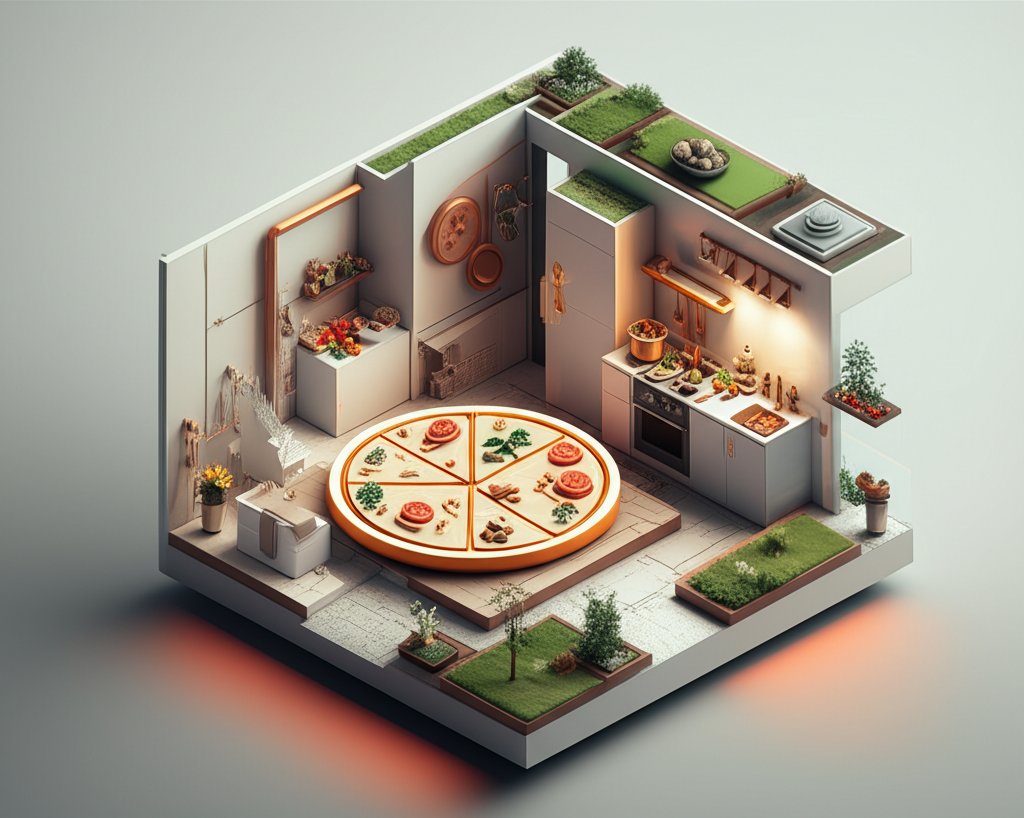
Dreaming of a kitchen that’s both beautiful and functional, a place where you can whip up delicious meals and gather with loved ones? Italian kitchen design is all about creating a warm, inviting space that celebrates food, family, and the simple pleasures of life. Recreating that inviting space within your own home is more accessible than you think.
At a glance:
- Discover the key elements of Italian kitchen design, from natural materials to open layouts.
- Learn how to blend rustic charm with modern functionality in your kitchen remodel.
- Get practical tips on incorporating Italian-inspired lighting, colors, and accents.
- Understand how to prioritize both aesthetics and practicality in your Italian kitchen.
- Address common questions about costs, materials, and design choices.
What Makes a Kitchen “Italian”?
While many kitchens incorporate elements that might seem Italian, achieving true Italian kitchen design involves understanding the core principles. It’s not just about tossing in a pizza oven. It’s about creating a space that reflects the Italian lifestyle: a focus on fresh ingredients, cooking as a social activity, and a deep appreciation for natural beauty.
Think of it this way: Italian cooking hinges on quality meals made with relatively few simple, fresh ingredients, and the kitchen is the engine room where that magic happens.
Natural Materials: The Foundation of Italian Kitchens
One of the defining characteristics of italian kitchen design is the prominent use of natural materials. These materials not only add to the aesthetic appeal but also connect the kitchen to the Italian landscape.
- Stone: Think marble countertops (Carrara marble being a classic choice), stone floors, or even a stone backsplash. Stone adds a sense of timeless elegance and durability.
- Wood: Exposed wood beams on the ceiling, wooden cabinetry (often with a rustic finish), and wooden butcher block countertops are all common. The type of wood can vary, but hardwoods are generally preferred for their durability.
- Terracotta: This earthy material is often used for flooring or backsplashes, adding a warm, rustic touch.
Practical Tip: When selecting natural materials, consider the maintenance requirements. Marble, for example, is beautiful but requires sealing to prevent staining.
Open Layouts: Embracing the Social Kitchen
The kitchen — la cucina — is traditionally the center of the home in Italian households.
An open floor plan is another key element of Italian kitchen design. This layout encourages interaction and makes it easier to move around while cooking and entertaining.
- Connecting to Living Areas: An open layout often connects the kitchen to the living room or dining area, creating a seamless flow between spaces.
- Island as a Focal Point: A kitchen island can serve as a central gathering place for family and friends, as well as providing additional counter space and storage.
- Breakfast Bar: Incorporating a breakfast bar into the island design creates a casual dining area for quick meals.
Warm Colors and Rustic Accents: Setting the Tone
Italian kitchens reflect their environments and are frequently clad in warm colors that evoke the Italian countryside.
- Earth Tones: Think warm yellows, oranges, reds, and browns. These colors create a cozy and inviting atmosphere.
- Natural Greens: Incorporating green accents, such as potted herbs or plants, adds a touch of freshness and vitality.
- Wrought Iron: Intricate, often iron accents reflect centuries of Italian craftsmanship and give you a chance to add your own touch. Consider wrought iron light fixtures, pot racks, or decorative elements.
- Ceramic Tiles: Colorful ceramic tiles can be used for backsplashes or flooring, adding a touch of personality and charm.
Lighting: Illuminating the Heart of the Home
Kitchen lighting is essential for seeing what you’re cooking and setting the mood, but stylish, noteworthy lighting helps denote the kitchen as the home’s most important room.
- Natural Light: Maximize natural light by incorporating large windows or skylights.
- Ambient Lighting: Use recessed lighting or pendant lights to provide overall illumination.
- Task Lighting: Install under-cabinet lighting to illuminate countertops and work areas.
- Accent Lighting: Add decorative lighting, such as sconces or chandeliers, to create a warm and inviting ambiance.
Blending Rustic Charm with Modern Functionality
While Italian kitchen design often evokes a rustic charm, it’s important to incorporate modern functionality to meet the demands of contemporary living.
- Modern Appliances: Integrate high-quality appliances, such as a professional-grade range, a stainless steel refrigerator, and a dishwasher.
- Efficient Storage: Maximize storage space with clever solutions, such as pull-out shelves, drawer organizers, and pantry cabinets.
- Ergonomic Design: Ensure that the kitchen layout is ergonomic, with easy access to frequently used items and comfortable work surfaces.
One way to achieve this balance is to pair rustic elements, like exposed wood beams, with sleek, modern cabinetry. For example, you could use reclaimed wood for the island countertop and stainless steel for the appliances.
Practical Italian Kitchen Playbook
Here’s a step-by-step guide to integrating Italian kitchen design principles into your home.
- Assess Your Space: Evaluate the size and layout of your kitchen, and identify any existing features that you want to retain.
- Gather Inspiration: Browse through magazines, websites, and social media platforms to gather inspiration for your Italian kitchen design.
- Create a Mood Board: Compile images, colors, and materials that you love to create a visual representation of your design vision.
- Develop a Floor Plan: Work with a kitchen designer or architect to create a floor plan that optimizes space and functionality.
- Select Materials: Choose natural materials that reflect the Italian landscape, such as stone, wood, and terracotta.
- Choose Appliances: Select high-quality, energy-efficient appliances that meet your cooking needs.
- Plan Lighting: Design a lighting scheme that incorporates natural, ambient, task, and accent lighting.
- Add Accents: Incorporate Italian-inspired accents, such as wrought iron fixtures, ceramic tiles, and potted herbs.
Case Snippet: A homeowner in California wanted to remodel their kitchen to reflect their Italian heritage. They opted for a rustic farmhouse kitchen design with exposed wooden beams, reclaimed wood cabinetry, and a spacious farmhouse sink. They added a large wooden table where family and friends could gather, making it the heart of their home.
Quick Answers: Addressing Your Italian Kitchen Questions
- How much does an Italian kitchen design cost? Costs vary widely depending on the size of your kitchen, the materials you choose, and the complexity of the design. Set a realistic budget and prioritize the elements that are most important to you.
- What are the best materials for an Italian kitchen countertop? Marble, granite, and butcher block are all popular choices. Consider the durability, maintenance requirements, and aesthetic appeal of each material.
- How can I make my small kitchen feel more Italian? Focus on maximizing natural light, using warm colors, and incorporating natural materials such as wood and stone. Consider open shelving to display colorful dishware and add a touch of personality.
- Where can I find Italian-inspired kitchen accessories? Many home decor stores and online retailers sell Italian-inspired kitchen accessories, such as ceramic canisters, olive oil dispensers, and wrought iron pot racks.
Actionable Takeaways
Ready to bring Italian style to your home? Start small! Here’s a simple decision tree to help you get started:
- Budget: What’s your maximum spend?
- High Budget: Consider a full remodel with custom cabinetry and high-end appliances.
- Medium Budget: Focus on updating key elements, such as countertops, backsplash, and lighting.
- Low Budget: Start with cosmetic changes, such as painting the walls, adding new accessories, and rearranging the furniture.
- Style: Which Italian style resonates with you most?
- Rustic Farmhouse: Embrace natural materials, warm colors, and vintage accents.
- Modern Italian: Opt for sleek lines, minimalist design, and high-tech appliances.
- Traditional Italian: Combine classic elements, such as marble countertops and wrought iron fixtures, with modern conveniences.
- Priority: What aspect of your kitchen is most important?
- Functionality: Focus on creating an efficient and ergonomic layout.
- Aesthetics: Prioritize the visual appeal of the space, choosing materials and colors that you love.
- Socializing: Design an open layout that encourages interaction and makes it easy to entertain.
Italian kitchen design offers a timeless blend of beauty and functionality. By incorporating natural materials, warm colors, and an open layout, you can create a kitchen that’s both inviting and practical. Remember to balance rustic charm with modern conveniences to create a space that meets your needs and reflects your personal style. For a broader perspective and further inspiration, Design your Italian kitchen: explore the options for a beautiful and functional space.

- DIY Bathroom Mirror Frame Designs on a Budget - October 12, 2026
- Creative Bathroom Mirror Border Ideas for Every Style and Budget - October 11, 2026
- Bathroom Finishes That Handle Moisture and Look Great - October 10, 2026