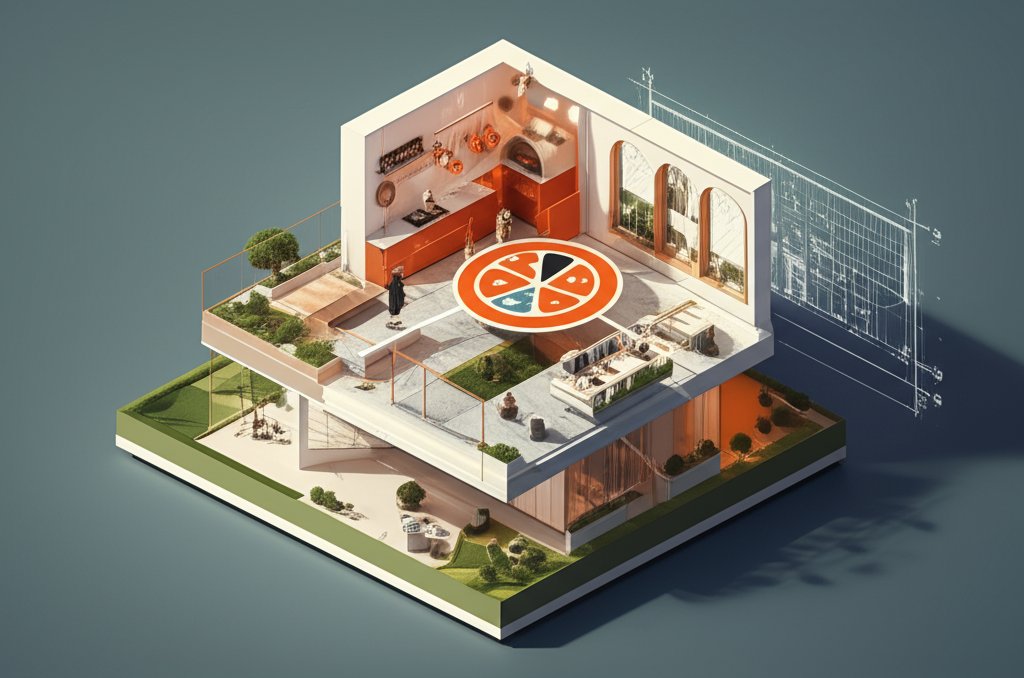
Dreaming of sun-drenched meals and the aroma of simmering sauces? An italian style kitchen can bring that warmth and inviting atmosphere into your home, even if you’re miles from the Tuscan countryside. This article dives into the core elements that define this beloved design style, offering practical ideas to transform your kitchen into an Italian haven.
At a glance:
- Learn the key design elements that encapsulate the essence of an Italian kitchen.
- Discover how to choose the right materials, colors, and textures to create an authentic Italian feel.
- Get practical tips for incorporating both modern and traditional elements cohesively.
- Understand how to balance aesthetics with functionality in your italian style kitchen.
- Find answers to common questions about achieving the italian style kitchen look on a budget.
The Heart of the Home: Defining the Italian Kitchen Aesthetic
What truly makes a kitchen “Italian”? It’s more than just a color palette; it’s about creating a space that’s both beautiful and functional, reflecting the importance of food and family. The italian style kitchen is characterized by warmth, natural materials, and a welcoming atmosphere geared towards both cooking and gathering.
Key elements to consider:
- Natural Materials: Think wood, stone, and terracotta. These materials bring an earthy and authentic feel to the space.
- Warm Colors: Colors inspired by the Italian landscape, such as terracotta, warm yellows, olive greens, and rustic reds, create a cozy and inviting ambiance.
- Open Shelving: Displaying beautiful dishes, cookware, and ingredients on open shelves adds a touch of rustic charm and makes things easily accessible.
- Large Islands: Central islands are hubs for food preparation and socializing, encouraging family and friends to gather while cooking.
- Abundant Light: Natural light is key to creating a bright and airy space. Supplement with warm, inviting artificial lighting.
Choosing Your Palette: Warm Colors and Natural Textures
The color scheme in an Italian kitchen sets the tone for the entire space. Avoid stark whites and cool grays, and embrace the warmth of the Mediterranean.
Practical steps for selecting your palette:
- Identify your dominant color: This will be the primary color used on your walls or cabinets. Consider options like creamy yellows, terracotta, or warm beige.
- Choose accent colors: These will be used on backsplashes, accessories, and smaller details. Olive green, rustic red, or even deep blues can add personality.
- Incorporate natural textures: Stone countertops, wood cabinets, and terracotta tiles all contribute to the authentic Italian feel.
- Consider the lighting: Natural light will enhance warm colors. Ensure adequate artificial lighting to maintain the inviting atmosphere in the evening.
Example: A kitchen with creamy yellow walls, olive green cabinets, a terracotta tile backsplash, and a dark wood island creates a classic Italian look.
Materials Matter: Bringing the Outdoors In
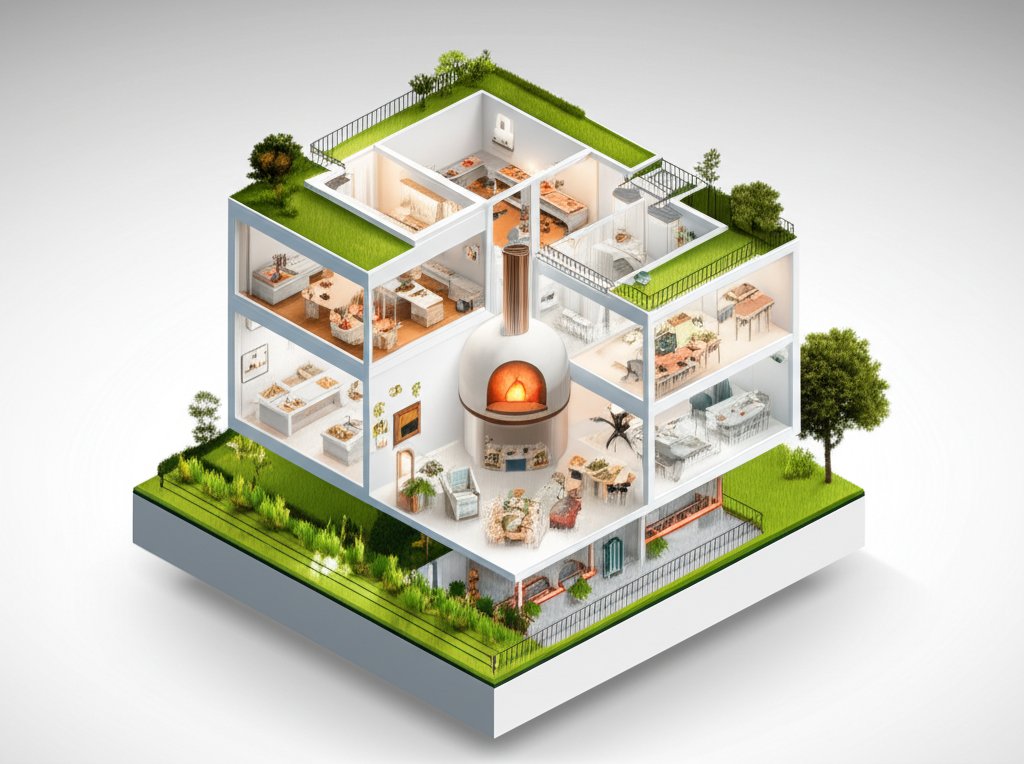
Nothing says “Italian” like the use of natural, durable materials. Selecting the right materials is crucial for creating both an aesthetically pleasing and functional Italian kitchen.
Material guide:
- Countertops: Granite and marble are classic choices, offering durability and elegance. Butcher block countertops bring warmth and a rustic touch.
- Cabinets: Solid wood cabinets, especially in cherry, oak, or walnut, are ideal. Consider distressed finishes or antique hardware for added character.
- Flooring: Terracotta tiles are the quintessential Italian flooring choice. Stone or wood flooring can also work well, depending on your overall design.
- Backsplash: Tile is a popular choice, with options ranging from simple subway tiles to intricate mosaics. Stone backsplashes can also add a touch of rustic elegance.
Case snippet: A homeowner in California renovated their kitchen to reflect an italian style kitchen. They opted for reclaimed wood cabinets, a granite countertop with earth-toned veining, and a terracotta tile floor. The result was a warm and inviting space that felt like a true Italian trattoria.
Balancing Tradition and Modernity: A Seamless Blend
While traditional elements are essential to an Italian kitchen, it’s possible to incorporate modern features for a contemporary twist.
Tips for combining styles:
- Modern appliances with traditional cabinets: Integrate stainless steel appliances into a kitchen with classic wood cabinets and a farmhouse sink.
- Sleek lighting fixtures with rustic elements: Pair modern pendant lights with a stone backsplash and wooden countertops.
- Open floor plan with traditional details: Maintain an open concept while incorporating elements like exposed beams and terracotta floors.
Decision Tree:
- Do you prefer a more rustic or refined look? If rustic, focus on natural materials and distressed finishes. If refined, opt for smoother surfaces and elegant details.
- What is your budget? Natural stone and solid wood can be expensive. Consider alternatives like quartz countertops and wood-look laminate flooring.
- What are your functional needs? A busy family might need more storage space and durable surfaces. A single person might prioritize aesthetics.
The Island Effect: The Heart of the Italian Kitchen
The kitchen island is often the focal point of an italian style kitchen. It provides ample space for food preparation, serving, and gathering.
Design tips for your island:
- Size and shape: Choose an island size and shape that fits comfortably in your kitchen and allows for easy movement.
- Material: Match the island countertop to the main countertops for a cohesive look, or choose a contrasting material for visual interest. A butcher block island top adds warmth.
- Storage: Incorporate storage solutions like drawers, shelves, and cabinets to maximize functionality.
- Seating: Add bar stools or chairs to create a casual dining area.
- Lighting: Install pendant lights above the island to provide task lighting and create a focal point.
Lighting the Way: Creating Ambiance and Functionality
Lighting is crucial for setting the right atmosphere in an italian style kitchen. Combine natural light with strategically placed artificial lighting to create a warm and inviting space.
Lighting strategies:
- Natural light: Maximize natural light by installing large windows or skylights.
- Ambient lighting: Use recessed lighting or chandeliers to provide overall illumination.
- Task lighting: Install under-cabinet lights to illuminate countertops and work areas. Pendant lights above the island provide task lighting and visual interest.
- Accent lighting: Use sconces or spotlights to highlight architectural details or artwork.
Accessorizing with Flair: The Final Touches
The right accessories can elevate your italian style kitchen from beautiful to extraordinary.
Accessory ideas:
- Copper cookware: Displaying copper pots and pans adds a touch of rustic elegance.
- Ceramic dishes: Choose colorful ceramic dishes and serving pieces to add personality.
- Olive oil cruets: Display olive oil in decorative cruets on the countertop.
- Herb garden: Grow fresh herbs in pots on the windowsill or countertop.
- Art: Hang artwork depicting Italian landscapes or still life paintings.
You can Explore Italian kitchen ideas within a broader context of options for your home, and find more inspiration! Explore Italian kitchen ideas
Quick Answers: Common Questions About Italian Kitchen Design
Q: How can I achieve an Italian kitchen look on a budget?
A: Focus on key elements like paint color, cabinet hardware, and accessories. Choose affordable alternatives to expensive materials, such as laminate flooring instead of stone, or quartz instead of marble. Shop for vintage furniture and décor at flea markets and antique stores.
Q: What are some must-have appliances for an Italian kitchen?
A: A high-quality range cooker is essential for Italian cooking. A large farmhouse sink is also a practical and stylish choice. Consider a pasta maker and a good espresso machine for added authenticity.
Q: How do I incorporate storage into a small Italian kitchen?
A: Maximize vertical space with tall cabinets and shelving. Use pull-out shelves and drawers to make the most of limited space. Consider a pot rack to free up cabinet space.
Q: What type of backsplash is best for an Italian kitchen?
A: Tile is a popular choice, with options ranging from simple subway tiles to intricate mosaics. Stone backsplashes can also add a touch of rustic elegance.
Practical Playbook: Steps to Your Italian Kitchen
Ready to bring italian style kitchen design into your home? Here’s a quick-start guide:
- Define your vision: Gather inspiration from magazines, websites, and social media. Determine your preferred color scheme, materials, and overall aesthetic.
- Assess your space: Take measurements of your kitchen and consider the existing layout. Identify any challenges or limitations.
- Create a budget: Determine how much you’re willing to spend on the renovation. Prioritize essential elements and look for affordable alternatives.
- Choose your materials: Select countertops, cabinets, flooring, and backsplash materials that align with your vision and budget.
- Design your layout: Plan the layout of your kitchen, including the placement of appliances, cabinets, and the island.
- Install your new kitchen: Hire contractors or DIY the renovation, depending on your skills and budget.
- Accessorize and decorate: Add the finishing touches with accessories, artwork, and plants to create a warm and inviting space.
Bring Italy Home
Designing an italian style kitchen is about more than just aesthetics; it’s about creating a space that celebrates food, family, and the joy of cooking. By incorporating the elements discussed in this article, you can transform your kitchen into a warm and inviting haven that reflects the heart of Italian culture. So, gather your inspiration, choose your materials, and get ready to bring a little bit of Italy into your home.

- DIY Bathroom Mirror Frame Designs on a Budget - October 12, 2026
- Creative Bathroom Mirror Border Ideas for Every Style and Budget - October 11, 2026
- Bathroom Finishes That Handle Moisture and Look Great - October 10, 2026