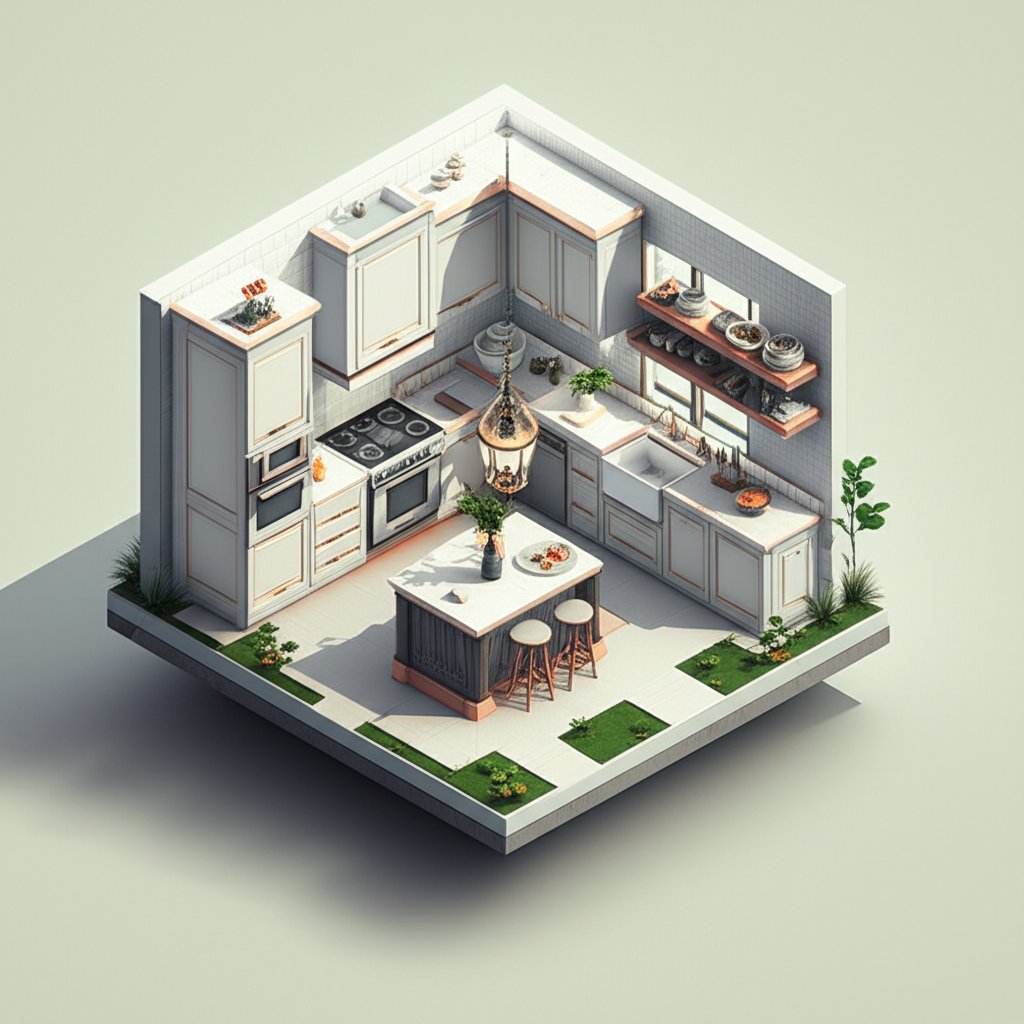
For the bigger picture and full context, make sure you read our main guide on Transitional Style Kitchen Ideas: Find Your Dream Design Now.
markdown
Stuck choosing between the clean lines of modern design and the comforting warmth of traditional kitchens? With transitional style kitchen design, you don’t have to pick sides. This approach elegantly bridges the gap, creating a space that’s both timeless and fresh.
At a glance:
- Discover how to balance modern and classic elements for a harmonious kitchen.
- Learn to select the right color palettes, materials, and finishes to achieve a transitional look.
- Explore practical storage solutions that maximize space and maintain a clean aesthetic.
- Understand how lighting and hardware contribute to the overall transitional feel.
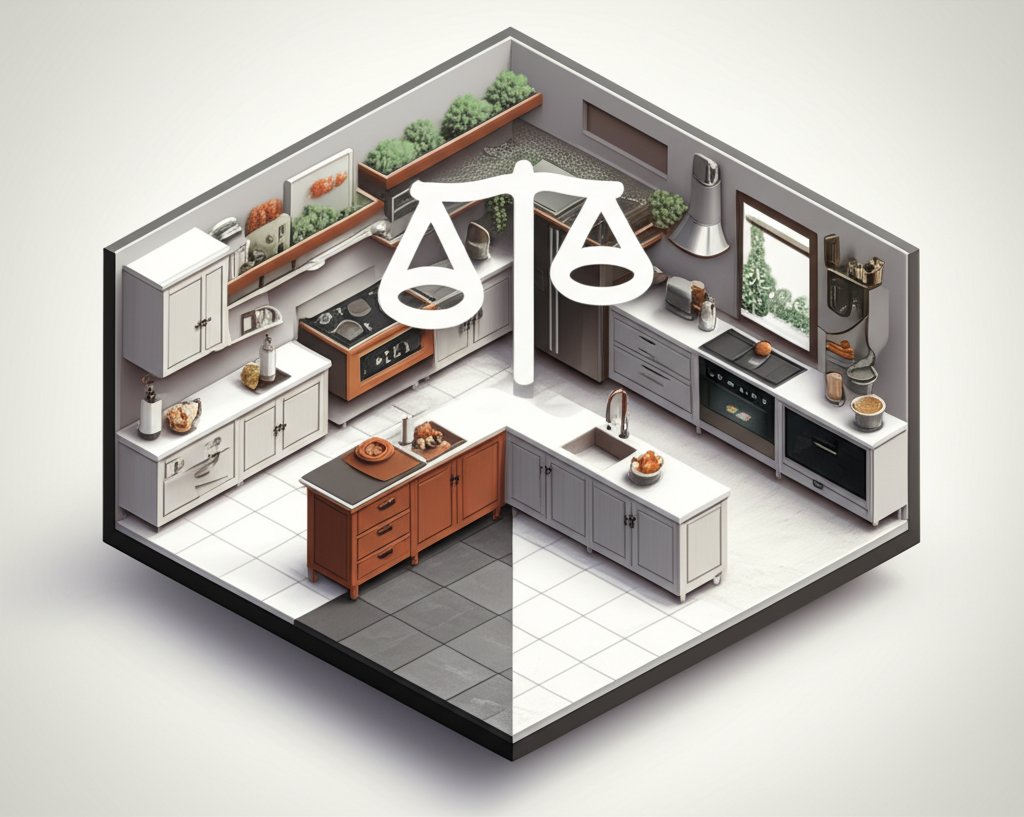
What Makes a Kitchen “Transitional”? It’s All About Balance
Transitional style is all about finding the sweet spot between two distinct design philosophies. It’s not strictly modern, nor is it overly traditional. Think of it as a carefully curated blend.
- Simple Silhouettes: Cabinets often feature shaker-style doors – a nod to tradition – but with a cleaner, less ornate profile than you’d find in a purely traditional kitchen.
- Neutral Foundation: Walls and cabinets typically sport neutral colors like white, gray, or beige, providing a versatile backdrop. However, unlike stark minimalist spaces, transitional kitchens aren’t afraid to introduce warmer tones or pops of color through accessories and accent pieces. A dark green island, as seen in some designs, makes a beautiful statement against a lighter backdrop.
- Mix of Materials: You might see sleek quartz countertops paired with a rustic wood island, or stainless steel appliances set against a backdrop of handcrafted ceramic tile.
- Understated Elegance: The overall feeling is refined and sophisticated, but not stuffy or pretentious. Details are carefully considered but not overwhelming.
Building Your Transitional Kitchen: Key Design Elements
Let’s break down the crucial components that contribute to a successful transitional style kitchen design.
1. Cabinetry: The Foundation of Your Style
Cabinets are a dominant feature, so choose wisely.
- Shaker Style Reigns: Shaker cabinets are a popular choice, offering clean lines and versatility. Their simple frame-and-panel construction works beautifully in both classic and contemporary settings.
- Color Considerations: While white remains a perennial favorite (Sherwin Williams SW 7005 Pure White is a popular choice), don’t shy away from softer grays (like Benjamin Moore’s Gravel Gray) or even muted blues or greens for island cabinets.
- Hardware Harmony: Cabinet hardware is the jewelry of your kitchen. Brushed nickel, satin brass (like Emtek’s Urban Mod Hex Pull), or matte black finishes work well. The key is to select hardware that complements both the cabinet style and the overall color palette.
2. Countertops: Balancing Beauty and Function
Countertops are another opportunity to blend styles.
- Quartz for Durability: Quartz countertops offer a sleek, modern look while providing exceptional durability and ease of maintenance. Consider options like Zodiaq “London Sky” quartz.
- Marble for Elegance: For a touch of luxury, marble (like Honed Calcatta Colorado Marble) is a timeless choice, but be aware that it requires more care than quartz.
- Island Focus: Consider using a different countertop material for the island to create a focal point. A quartzite countertop in a color like “Florida” can add visual interest. Waterfall countertops, where the material flows down the sides of the island, create a sleek and modern focal point.
3. Backsplash: Adding Texture and Visual Interest
The backsplash is a great place to express your personal style.
- Subway Tile Still Shines: Classic white subway tile (like a 3×6 beveled Italian Bianco Carrara) is a safe bet and always looks chic. But give it a modern twist by stacking the tiles vertically or using a contrasting grout color.
- Herringbone Pattern: For a more sophisticated look, consider a herringbone pattern using handmade ceramic tiles (like the Lanuda Bay Shinju Color – Moonstone).
- Statement Piece: Incorporate a decorative panel or mosaic behind the range for a touch of artistry. New Ravenna Tile’s “Delauney” design is one elegant option that uses Brass Pencil Liner by Bronzeworks.
4. Lighting: Setting the Mood
Lighting plays a vital role in creating a warm and inviting atmosphere.
- Pendant Power: Pendant lights over the island are essential. Choose fixtures with clean lines and simple shapes in finishes like brushed gold or satin nickel. The “Glendale” pendant from Hudson Valley or Rejuvenation pendants are good examples.
- Recessed Lighting: Recessed lighting provides general illumination and helps to create a bright and airy feel.
- Under-Cabinet Lighting: Under-cabinet lighting adds task lighting and highlights the backsplash.
5. Flooring: Grounding the Design
Flooring should complement the overall aesthetic and provide a durable surface.
- Hardwood Harmony: Hardwood flooring, particularly quarter sawn white oak (8″ wide), provides warmth and character. Fumed and oiled White Oak floors in Character Grade, or oak stained in high-gloss ebony are also excellent options.
- Tile for Durability: Tile is a practical choice, especially in high-traffic areas. Consider large-format tiles in neutral colors or acid-washed Cream Turkish Marble for added elegance.
6. Appliances: Seamless Integration Is Key
In a transitional kitchen, appliances should blend seamlessly with the overall design.
- Stainless Steel Staples: Stainless steel appliances are a classic choice, but consider panel-ready appliances that can be integrated into the cabinetry for a more streamlined look. Integrated appliances help your kitchen feel smooth and organized, blending into your cabinets.
- Statement Range: A professional-grade range, like a 60″ Wolf Range, can be a focal point, but keep the surrounding cabinetry clean and simple to maintain the transitional aesthetic.
7. Accessorizing: The Finishing Touches
Accessories add personality and warmth to your kitchen.
- Counter Stools: Choose counter stools that complement the island design. Amisco Browser swivel metal barstools in Glossy Gray/Beige or slim, simple bar stools can add a modern touch. Madigan Backless Counter Stools from Hickory Chair is also a good choice, depending on the overall aesthetic.
- Window Treatments: Simple window treatments, such as woven shades or roman shades, add privacy and soften the light.
- Decorative Accents: Add a few carefully chosen decorative accents, such as a vase of flowers, a stack of cookbooks, or a piece of artwork, to personalize the space.
Practical Playbook: Steps to a Stunning Transitional Kitchen
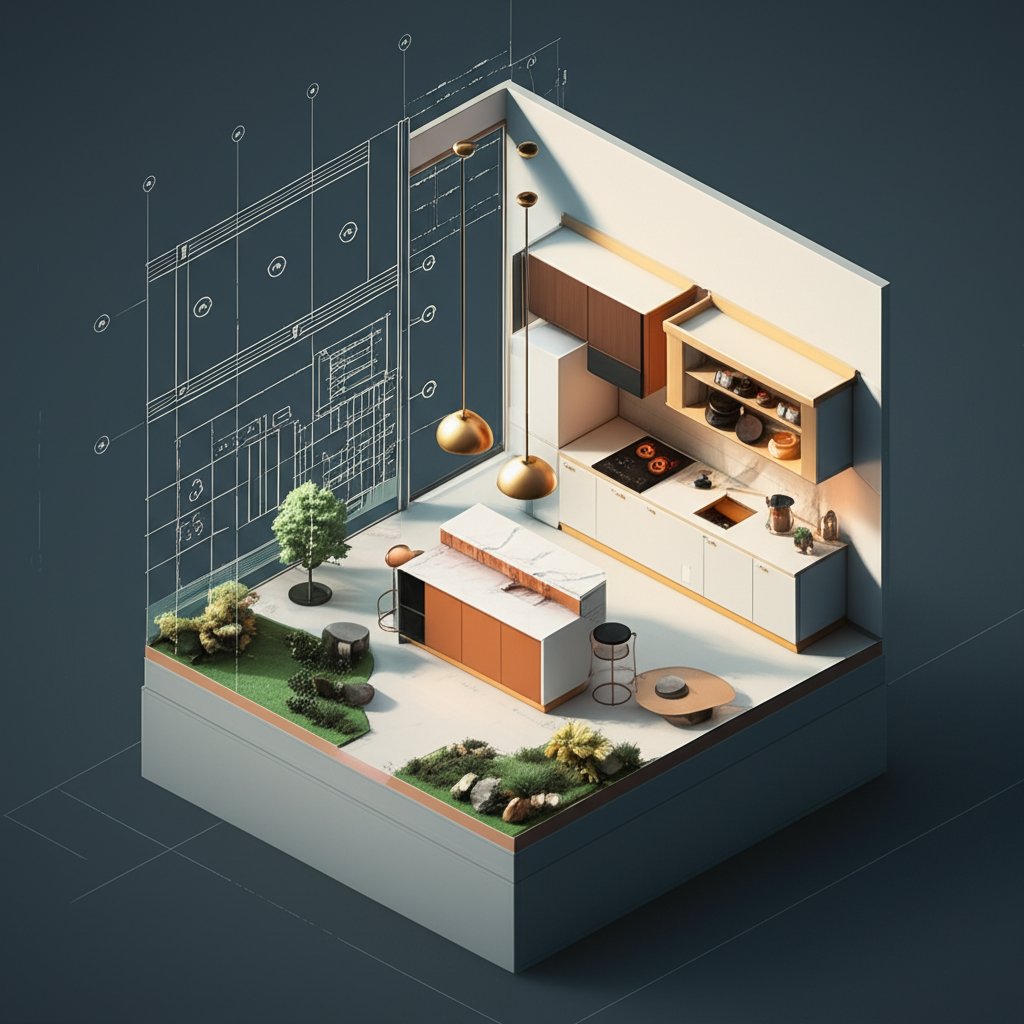
Here’s a step-by-step guide to bringing your transitional style kitchen design to life:
- Define Your Vision: Start by gathering inspiration. Browse magazines, websites, and social media platforms to collect images of transitional kitchens that appeal to you. Identify the elements you love, such as cabinet styles, countertop materials, and color palettes.
- Assess Your Space: Consider the size and layout of your kitchen. An open galley kitchen with a 13′-1/2″ x 4′ Island with seating, can create a more efficient use of space.
- Develop a Floor Plan: Work with a kitchen designer to create a floor plan that maximizes functionality and flow. Pay attention to the placement of appliances, work zones, and storage areas.
- Select Your Materials and Finishes: Choose your cabinets, countertops, backsplash, flooring, and appliances. Consider the overall color palette and ensure that the materials and finishes complement each other.
- Design Your Lighting Scheme: Plan your lighting carefully, incorporating a mix of ambient, task, and accent lighting.
- Install and Accessorize: Once the major elements are in place, it’s time to install the appliances and add the finishing touches. Choose accessories that reflect your personal style and enhance the overall aesthetic.
Here are a few options, depending on the surrounding context: * Explore transitional kitchen designs * Find your dream kitchen style * See transitional kitchen ideas * Transitional kitchens: Inspiration awaits to see even more inspirational designs.
Quick Answers: Common Questions About Transitional Kitchens
- Q: Is transitional style trendy or timeless?
- A: It’s designed for timeless appeal. While trends come and go, transitional kitchens endure because they balance classic foundations with modern sensibilities. It’s a style that adapts well to evolving tastes by updating accessories or hardware.
- Q: Is transitional style expensive?
- A: The cost varies widely. You can achieve a transitional look on a budget by focusing on key elements like paint, hardware, and lighting. However, high-end materials and custom cabinetry will increase the price.
- Q: What if my home is more traditional/modern?
- A: Transitional style is incredibly adaptable. Lean slightly more traditional or modern to better integrate the kitchen with the rest of your home. For example, in a more traditional home, choose warmer wood tones and more ornate hardware.
Actionable Close: Your Transitional Kitchen Awaits
Creating a transitional style kitchen design that reflects your personal style is within reach. By understanding the key elements and following these practical steps, you can achieve a space that’s both beautiful and functional. The key is balance: blending the best of modern and classic design to create a kitchen that’s truly timeless.

- DIY Bathroom Mirror Frame Designs on a Budget - October 12, 2026
- Creative Bathroom Mirror Border Ideas for Every Style and Budget - October 11, 2026
- Bathroom Finishes That Handle Moisture and Look Great - October 10, 2026