Dreaming of a kitchen that rivals your favorite restaurant? More than just gleaming stainless steel, a truly functional restaurant style home kitchen blends professional-grade equipment with a layout optimized for efficiency and serious cooking. Getting it right means making smart choices about appliances, workflow, and even ventilation.
At a glance:
- Learn to prioritize key features like powerful ranges and ample prep space.
- Discover how to adapt commercial kitchen layouts to a residential setting.
- Understand the crucial role of ventilation and material selection.
- Avoid common mistakes that can derail your restaurant-style kitchen project.
- Get quick answers to frequently asked questions about costs, regulations, and design.
Beyond Stainless Steel: Key Elements of a Restaurant Style Home Kitchen
A restaurant-style home kitchen isn’t just about aesthetics; it’s about performance. Before diving into design, understand the core elements that separate a professional kitchen from a standard one.
- High-Output Cooking Equipment: Think powerful ranges, commercial-grade ovens, and specialized appliances like deep fryers or griddles (if your cooking style warrants them).
- Durable Materials: Stainless steel isn’t just for looks. It’s hygienic, easy to clean, and stands up to heavy use. Consider it for countertops, backsplashes, and even cabinetry.
- Efficient Layout: Prioritize a workflow that minimizes steps between prep, cooking, and cleaning.
- Robust Ventilation: A powerful range hood is essential to remove smoke, grease, and odors, keeping your kitchen air clean and preventing damage to your home.
- Ample Prep Space: Counter space is king. Ensure you have enough room to comfortably chop, mix, and plate dishes.
- Strategic Storage: Organize your kitchen so frequently used items are easily accessible.
Adapting Commercial Kitchen Layouts for the Home
Commercial kitchens prioritize efficiency through specific layouts. While a full-scale commercial setup might be overkill for a home, certain principles can significantly improve your cooking experience. Here are three popular layouts for home kitchens, each inspired by commercial design, as mentioned in this Home kitchen design guide.:
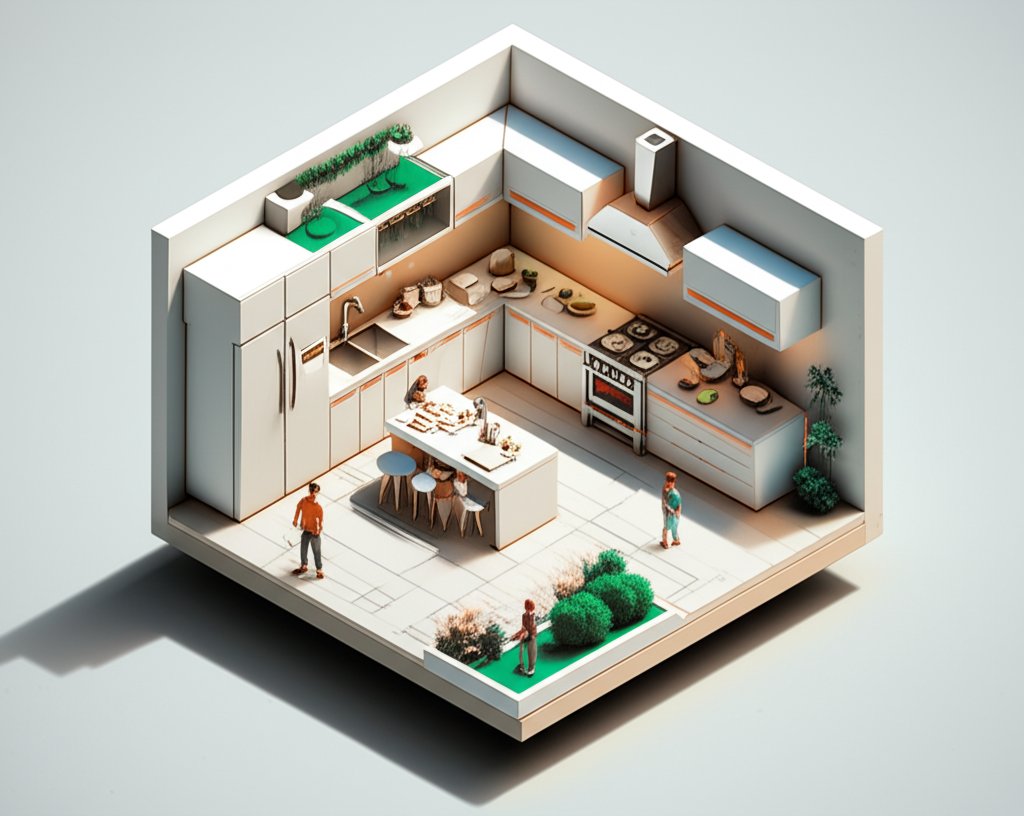
- Assembly Line Layout (Island Configuration): Ideal for open-concept spaces. An island becomes the central hub for prep and plating, fostering communication and allowing for easy supervision. Example: Place your sink and dishwasher on one side of the island and use the other side for ingredient staging.
- Zone-Style Layout: Creates dedicated stations for specific tasks. Example: A baking zone with mixers, measuring tools, and ingredient storage. A frying station with a deep fryer, ventilation, and heat-resistant surfaces. This reduces cross-contamination and keeps things organized.
- Galley Layout: Perfect for tight spaces. Equipment is arranged along two parallel walls, maximizing efficiency in a narrow footprint. Example: One wall could house the range and refrigerator, while the opposite wall features the sink and prep area.
Pro Tip: Consider your cooking style. If you primarily bake, prioritize a spacious baking zone. If you frequently host large gatherings, focus on maximizing prep space and optimizing the flow between cooking and serving areas.
Appliance Choices: From Home Grade to Restaurant Ready
Upgrading your appliances is crucial in achieving a restaurant style home kitchen. But what specific features should you look for?
- Ranges: Look for ranges with high BTU burners (British Thermal Units, a measure of heat output) for rapid heating and powerful searing. Cast-iron grates provide even heat distribution and durability. Dual fuel ranges (gas cooktop, electric oven) offer the best of both worlds: responsiveness of gas and the even baking of electric. Fisher & Paykel’s DCS collection is an example of a professional-style range designed for home use.
- Ovens: Convection ovens are a must for even baking and roasting. Look for features like multiple rack positions, precise temperature control, and self-cleaning cycles (if desired, though some commercial-style models omit this feature).
- Refrigeration: Consider a commercial-grade refrigerator with adjustable shelves and temperature zones. A walk-in refrigerator might be an option if you have the space and budget, but for most home chefs, a high-quality, large-capacity refrigerator will suffice.
- Ventilation: Don’t skimp on ventilation. A powerful range hood (at least 900 CFM for a high-output range) is essential. Consider factors like capture area (how well the hood covers the cooktop) and noise level.
Decision Point: Balance professional features with home-friendly sizes. Commercial-style ranges may have smaller oven cavities than standard home models. Measure your existing oven and consider your typical cooking needs before committing.
Materials Matter: Durability and Hygiene in Mind
The materials you choose play a significant role in the functionality and longevity of your restaurant style home kitchen.
- Countertops: Stainless steel is the gold standard for commercial kitchens due to its durability, heat resistance, and ease of cleaning. However, it can be expensive and prone to showing scratches. Alternatives include quartz (durable, non-porous, and available in various colors) and butcher block (warm, inviting, but requires regular maintenance).
- Backsplashes: Stainless steel is an excellent choice for backsplashes, offering easy cleaning and a sleek look. Tile is another popular option, providing a wide range of design possibilities. Choose a tile with a smooth, non-porous surface for easy cleaning.
- Flooring: Opt for durable, slip-resistant flooring that can withstand heavy foot traffic and spills. Quarry tile, epoxy flooring, and polished concrete are all excellent choices.
- Cabinetry: Consider stainless steel or durable laminate cabinets for easy cleaning and resistance to moisture and wear.
Budget Saver: Mix and match materials. Use stainless steel for high-use areas like countertops around the range and sink, and opt for less expensive materials elsewhere.
Ventilation: A Non-Negotiable for Restaurant-Style Cooking
Adequate ventilation is critical in a restaurant style home kitchen. It protects your health, prevents damage to your home, and ensures a pleasant cooking environment.
- CFM (Cubic Feet per Minute): Calculate the CFM needed based on your range’s BTU output. A general rule of thumb is 100 CFM per 10,000 BTUs. For example, a 60,000 BTU range would require a 600 CFM range hood.
- Capture Area: Choose a range hood that extends beyond the cooktop on all sides to effectively capture smoke and grease.
- Ducting: Ensure the ductwork is properly sized and installed to maximize airflow. Avoid sharp bends and long runs, which can reduce efficiency.
- Noise Level: Consider the noise level of the range hood, especially if you have an open-concept kitchen. Look for models with variable speed settings and noise reduction features.
Reality Check: Installing a high-powered range hood may require professional installation, including modifications to your ductwork and electrical system. Factor these costs into your budget.
Common Pitfalls to Avoid
Planning a restaurant style home kitchen can be exciting, but it’s essential to avoid common pitfalls that can lead to frustration and wasted money.
- Inadequate Planning: Failing to carefully plan the layout, appliance selection, and ventilation system.
- Overlooking Building Codes: Ignoring local building codes and regulations related to electrical, plumbing, and ventilation. Check if cottage kitchen laws apply in your state if you plan to sell food prepared in your kitchen.
- Skimping on Ventilation: Underestimating the importance of proper ventilation.
- Neglecting Ergonomics: Designing a kitchen that is uncomfortable or difficult to use for extended periods.
- Ignoring Storage Needs: Failing to provide adequate storage for cookware, utensils, and ingredients.
- Overspending on Unnecessary Features: Prioritizing aesthetics over functionality.
Action Item: Create a detailed plan, consult with professionals (architects, contractors, and kitchen designers), and carefully consider your cooking habits and needs before making any major decisions.
Practical Playbook: Steps to Your Restaurant Style Home Kitchen
Ready to turn your culinary dreams into reality? Here’s a quick-start guide:
- Define Your Needs: List the appliances and features you need based on your cooking style and frequency.
- Measure Your Space: Take accurate measurements of your existing kitchen, including doorways, windows, and plumbing lines.
- Develop a Layout: Experiment with different layouts to optimize workflow and maximize space. Consider using a commercial kitchen layout PDF to aid in the design process.
- Set a Budget: Allocate funds for appliances, materials, labor, and permits. Consider attending a commercial kitchen equipment auction for potential savings.
- Consult Professionals: Hire an architect, contractor, and kitchen designer to help with the design and construction process.
- Obtain Permits: Secure all necessary permits from your local building and health departments.
- Install Equipment: Work with qualified professionals to install appliances, ventilation systems, and plumbing.
- Organize and Optimize: Arrange your kitchen for maximum efficiency and storage.
Quick Answers: FAQs About Restaurant Style Home Kitchens
- How much does a restaurant style home kitchen cost? Costs vary widely depending on the size of the kitchen, the quality of appliances and materials, and the complexity of the project. Expect to spend significantly more than a standard kitchen remodel.
- Do I need a special permit for a restaurant style home kitchen? It depends. If you are building a separate commercial kitchen for business purposes, you’ll need to adhere to local commercial kitchen regulations. If it’s solely for personal use, standard residential building permits may suffice. Double-check with your local authorities.
- Can I rent out my restaurant style home kitchen? Potentially, yes. Companies such as The Kitchen Door list companies with a commercial kitchen for rent by the hour. Many communities have a “commercial kitchen space for rent near me” that operates a shared kitchen.
- Are stainless steel countertops a must? Not necessarily. While they offer excellent durability and hygiene, other materials like quartz can provide a similar look and feel with easier maintenance.
- How important is ventilation? Extremely important. A powerful range hood is essential to remove smoke, grease, and odors, protecting your health and preventing damage to your home.
From Dream to Reality: Your Culinary Command Center
Creating a restaurant style home kitchen is an investment in your passion for cooking. By prioritizing functionality, durability, and efficiency, you can transform your kitchen into a culinary command center where you can create gourmet meals with ease and confidence. Remember to balance your aspirations with practical considerations, and don’t hesitate to seek professional guidance along the way. The result will be a kitchen that not only looks stunning but also performs at the highest level, allowing you to unleash your inner chef.


- DIY Bathroom Mirror Frame Designs on a Budget - October 12, 2026
- Creative Bathroom Mirror Border Ideas for Every Style and Budget - October 11, 2026
- Bathroom Finishes That Handle Moisture and Look Great - October 10, 2026