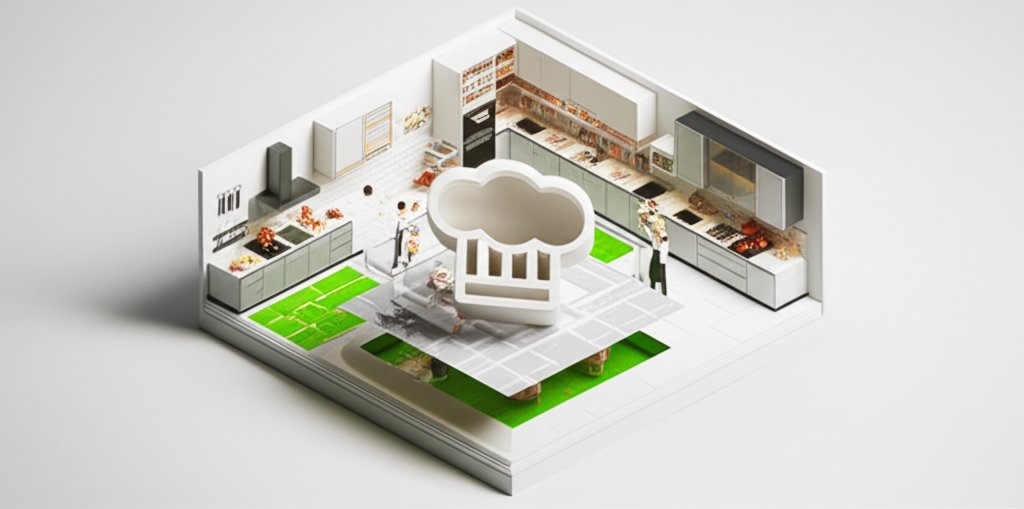
Dreaming of recreating the efficiency and power of a restaurant kitchen in your own home? More than just stainless steel and open shelving, achieving that “kitchen profesional” feel means optimizing for serious cooking. This guide breaks down essential elements so you can design a space that works as hard as you do.
At a glance:
- Upgrade your range to achieve professional-level heat and control.
- Maximize counter space and storage for seamless workflow.
- Choose durable, easy-to-clean materials that stand up to daily use.
- Prioritize safety and sanitation with commercial-grade equipment.
- Implement inventory management techniques to minimize waste.
The Heart of the Kitchen: Pro-Grade Ranges
For the serious home chef, a standard residential range often falls short. Commercial-style ranges deliver the power, precision, and durability needed for consistent, restaurant-quality results.
Key Features to Consider:
- High BTU Burners: Look for burners with at least 15,000 BTUs (British Thermal Units) for rapid boiling, searing, and wok cooking. Some models offer burners up to 25,000 BTUs.
- Cast-Iron Grates: Provide even heat distribution and stability for heavy pots and pans.
- Stainless Steel Cooktop: Durable and easy to clean, resisting stains and corrosion.
- Precise Temperature Control: Large, easy-to-grip knobs allow for fine-tuning heat settings. Illuminated knobs, like those found in the DCS collection from Fisher & Paykel, offer both safety and a touch of elegance.
- Oven Capacity and Functionality: Consider dual fuel ranges (gas cooktop, electric oven) for the best of both worlds: gas’s responsiveness and electric’s even baking. Modern ranges also offer digital panels for precise temperature and time control.
Example: Imagine searing a steak in a cast-iron skillet over a 20,000 BTU burner, achieving a perfect crust in minutes. Then, transfer it to the convection oven, pre-set with a digital control panel, for even cooking throughout.
Potential Drawbacks: - Oven Size: Some commercial-style ranges have smaller oven cavities than standard models. Double-check dimensions, especially if you frequently cook large meals.
- Self-Cleaning: Some models may not include a self-cleaning feature.
- Cost: Commercial-style ranges are a significant investment.
Before diving in, you might want to explore commercial kitchen design at home for a broader understanding of creating a professional-grade space.
Optimizing Workflow: Counter Space and Storage
A professional kitchen is all about efficiency. Ample counter space and smart storage solutions are crucial for streamlining prep, cooking, and cleanup.
Maximizing Counter Space:
- Three Separate Zones: Aim for at least three distinct counter areas: one for prepping ingredients, one for cooking, and one for dishwashing.
- Kitchen Island: Install a kitchen island to expand your workspace. Consider adding a built-in cutting board or a small prep sink. Barstools can create a casual seating and eating area, without adding too much to the overall cost.
- Counter Depth: Opt for deeper countertops (e.g., 30 inches) to provide more room for equipment and ingredients.
Smart Storage Solutions: - Abundant Cabinetry: Invest in high-quality kitchen cabinets to keep everything organized and out of sight.
- Pots and Pans Rack: A hanging pot rack keeps frequently used cookware within easy reach.
- Pantry Organization: Utilize adjustable shelving, clear containers, and labels to maximize pantry space.
- Vertical Storage: Consider pull-out drawers, spice racks, and knife blocks to make the most of vertical space.
Choosing Durable Materials: Flooring and Sinks
A professional kitchen endures heavy use. Selecting durable, easy-to-clean materials is essential for longevity and hygiene.
Flooring Options:
- Hardwood: Classic and durable.
- Tile: Water-resistant and easy to clean.
- Natural Stone: Offers a high-end look and excellent durability.
- Concrete: Modern and highly customizable.
Example: A restaurant kitchen often uses quarry tile for its slip-resistance and durability. While perhaps too industrial for a home, consider a porcelain tile with a similar texture.
Industrial-Strength Sinks and Faucets: - Stainless Steel Sink: Choose a large, deep stainless-steel sink that can accommodate oversized pots and pans. Stainless steel is extremely durable and resistant to stains and corrosion.
- Pull-Down Faucet: A powerful pull-down faucet speeds up prep time and simplifies dishwashing.
Inventory Control: Minimizing Waste, Maximizing Efficiency
In a professional kitchen, minimizing waste and optimizing inventory are critical. Even at home, adopting these practices can save you money and time.
Inventory Management Steps:
- Spreadsheet Tracking: Create a spreadsheet to track all ingredients, including purchase dates, quantities, and expiration dates.
- Par Levels: Set par levels (minimum stock levels) for each ingredient to ensure you always have enough on hand.
- FIFO (First In, First Out): Rotate your stock, ensuring older ingredients are used first to minimize spoilage.
- Labeling: Clearly label all containers with contents and dates.
- Regular Audits: Conduct regular inventory audits to identify discrepancies and potential issues.
Example: A restaurant kitchen might use color-coded labels to indicate the date an item was received. You can adapt this by using stickers or a simple marker system.
Food Prep Powerhouse: The Right Food Processor
A versatile food processor is an invaluable tool in any professional kitchen. It can handle a wide range of tasks, from chopping vegetables to making sauces and purees.
Factors to Consider When Choosing a Food Processor:
- Size: Choose a size that is appropriate for the amount of food you typically process. Smaller models (7-9 cup capacity) are suitable for smaller tasks, while larger models (11-14 cup capacity) are better for larger batches.
- Power: Check for a food processor with a powerful motor to handle tough ingredients like nuts and root vegetables. Look for models with at least 500 watts.
- Accessories: Consider the accessories that come with the food processor, such as different blades and attachments for slicing, shredding, and grating.
Safety First: Sanitation and Fire Prevention
Maintaining a safe and sanitary kitchen is paramount, whether you’re a professional chef or a home cook.
Essential Safety Measures:
- Fire Extinguishers: Install fire extinguishers and smoke detectors in the kitchen. Ensure they are easily accessible and regularly inspected.
- Electrical Safety: Make sure all electrical appliances are properly grounded. Avoid overloading electrical sockets.
- Sanitation: Clean and sanitize surfaces, utensils, and equipment regularly to prevent the spread of bacteria.
- Food Storage: Store food at the correct temperatures to prevent spoilage. Use airtight containers to prevent contamination.
- Food Handling: Practice proper food handling techniques, such as washing hands frequently and avoiding cross-contamination.
Daily Cleaning Routine: - Wash utensils, bowls, and other kitchen tools in warm, soapy water after each use.
- Wipe up spills on countertops, floors, and equipment surfaces immediately.
- Clean and disinfect cutting boards and prep tables throughout the day.
- Sweep or vacuum the kitchen and pantry floors daily.
Quick Answers: Chef-Level Kitchen FAQs
Q: Do I need special permits to build a commercial-style kitchen at home?
A: While you likely won’t need full commercial kitchen permits, it’s wise to check local zoning regulations. Some areas may have restrictions on the size or type of appliances you can install.
Q: Are commercial-style appliances difficult to clean?
A: Not necessarily. Many commercial-style appliances are designed with easy cleaning in mind, featuring stainless steel surfaces and removable parts. However, some models may require more frequent cleaning than standard home appliances.
Q: Can I incorporate commercial-style design elements without doing a full remodel?
A: Absolutely! Start by upgrading key appliances, such as the range and sink. Then, focus on improving storage and organization with shelves, racks, and containers.
Your Actionable Plan: From Dream to Reality
Ready to bring a touch of the professional kitchen home? Here’s your quick-start guide:
- Assess Your Needs: What type of cooking do you do most often? What are your biggest frustrations with your current kitchen?
- Prioritize Appliances: Start with the range, as it’s the heart of the commercial-style kitchen. Research models and features that align with your cooking style and budget.
- Optimize Counter Space: Plan for at least three separate work zones. Consider adding a kitchen island or extending existing countertops.
- Implement Smart Storage: Invest in shelving, racks, and containers to keep everything organized and accessible.
- Focus on Durability: Choose flooring, countertops, and sinks that are easy to clean and can withstand heavy use.
By prioritizing function, durability, and efficiency, you can create a home kitchen that rivals the best professional spaces.

- DIY Bathroom Mirror Frame Designs on a Budget - October 12, 2026
- Creative Bathroom Mirror Border Ideas for Every Style and Budget - October 11, 2026
- Bathroom Finishes That Handle Moisture and Look Great - October 10, 2026