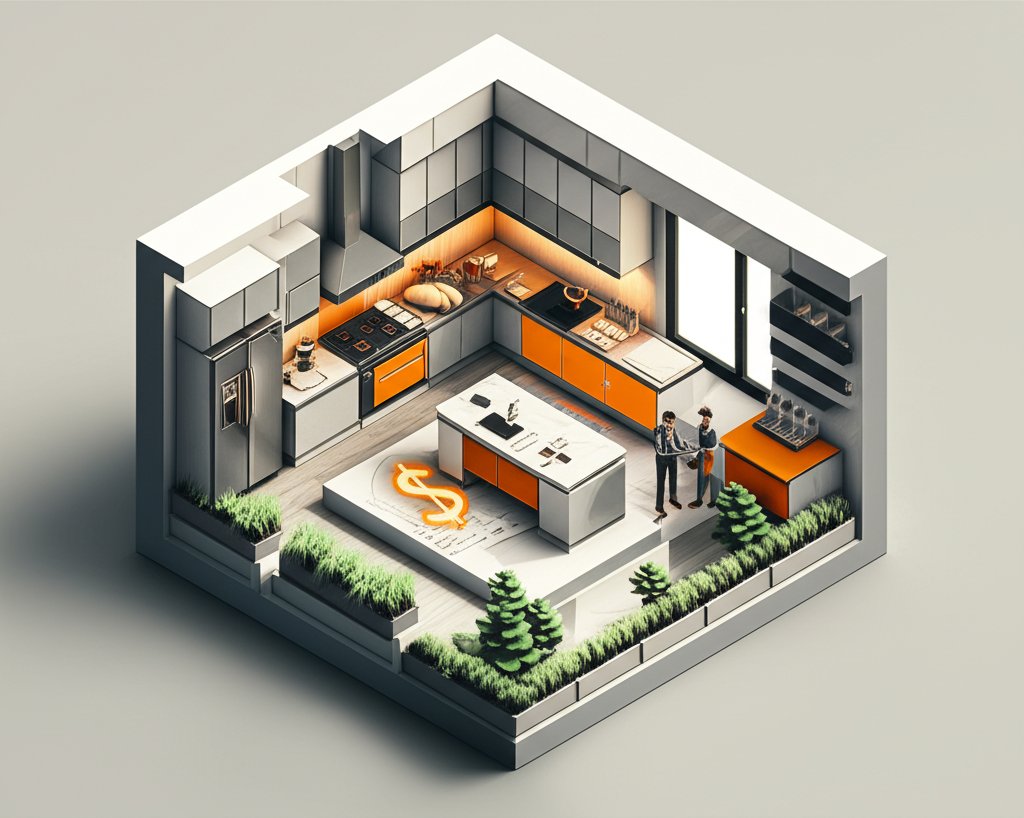
Dreaming of a kitchen that’s both beautiful and functional? Maybe one with a custom island, perfectly placed lighting, and storage solutions you’ve only seen in magazines? A kitchen designer can bring that vision to life, but naturally, one of the first questions is: how much does a kitchen designer cost? The answer, unfortunately, isn’t a simple one, as numerous factors influence the final price.
At a glance:
- Kitchen designer fees typically range from 4% to 10% of the total project cost.
- Hourly rates can vary from $75 to $250+ depending on experience and location.
- Flat fees or design packages are another common pricing model.
- Project scope, kitchen size, and the designer’s experience all play a significant role.
- Getting professional design help for your kitchen can prevent costly mistakes and deliver a kitchen that perfectly suits your needs.
What Do Kitchen Designers Actually Do?
Before diving into the numbers, it’s helpful to understand what a kitchen designer does. They’re more than just decorators; they’re skilled professionals who guide you through every step of the renovation process.
- Concept Creators: They’ll help you define your style and preferences, often uncovering possibilities you hadn’t considered. They’ll ask about your cooking habits and how you use your space to create a design tailored to your lifestyle and needs. “If I have a client who uses an oven or a microwave a lot, I want to make sure it’s not on the outskirts of the kitchen,” explains Bridgette Bennett, a kitchen designer at Signature Kitchen & Bath Design in Cupertino, Calif.
- Space Planners: A kitchen designer can optimize your kitchen’s layout, maximizing storage and workflow. They create detailed drawings and 3D renderings, giving you a realistic preview of your future kitchen.
- Budget Managers: Good kitchen designers know the costs of materials and labor and can help you create a realistic budget. Rochelle Horn, a kitchen designer at Estrella Cabinetry & Design Center in Goodyear, Arizona, emphasizes, “The budget is helpful so I’m not overdesigning for their space. I take their budget very seriously.”
- Product & Material Experts: From cabinetry to countertops, fixtures to flooring, designers guide you through the selection process, often providing access to trade-only products.
- Project Coordinators: Depending on the agreement, they may manage the entire project, coordinating contractors, managing deliveries, and resolving any issues that arise, saving you considerable time and stress.
Understanding the Kitchen Designer Cost Breakdown
So, how do kitchen designers actually charge for their services? There are several common pricing models.
- Percentage of Project Cost: This is a popular approach where the designer’s fee is a percentage (typically 4% to 10%) of the total kitchen renovation budget. This often includes both design work and project management.
- Hourly Rate: Some designers, especially independent ones, bill by the hour. Kitchen designer hourly rates typically range from $75 to $250 or more, depending on their experience, location, and the complexity of the project.
- Flat Fee/Design Packages: Others offer flat fees for specific design packages, covering a defined set of services like space planning, layout design, and material selection.
- Cost Per Square Foot: Occasionally, designers will charge a fee based on the square footage of the kitchen, typically ranging from $5 to $15 per square foot.
Typical Stages and Associated Costs
A kitchen design project usually involves several distinct stages, each with its own potential cost.
- Initial Consultation: This first meeting assesses your needs, style, and budget. Some designers offer this free, while others charge a consultation fee (typically $50-$250, or even $350-$500 for a longer, more in-depth consultation).
- Design Development: This crucial stage includes space planning, layout options, and preliminary drawings.
- Material Selection: This involves choosing cabinets, countertops, flooring, appliances, and fixtures.
- Technical Drawings: Creating precise plans for contractors, including electrical and plumbing layouts.
- Project Management: Overseeing the renovation, coordinating contractors, and resolving issues. This is not always included and will increase the project cost.
- Procurement: Purchasing materials and appliances on your behalf.
Many independent kitchen designers charge what’s known as a design retainer or flat fee for their initial design services. These fees cover the time the designer spends planning your new kitchen–though often at a discounted rate.
What Factors Influence How Much a Kitchen Designer Costs?
The average kitchen design cost hinges on several things. Project scope, kitchen size, location, and designer experience all affect the price. It’s important to understand these factors before you start reaching out to potential designers.
- Project Scope: Simple updates, like replacing countertops and appliances, will cost less than full-scale remodels that involve moving walls or changing plumbing.
- Kitchen Size: Larger kitchens naturally require more design time and materials, leading to higher costs.
- Location: Designers in large cities or high-demand areas tend to have higher rates than those in smaller towns.
- Designer Experience: Seasoned designers with a proven track record and specialized expertise (like Certified Kitchen Designers or CKDs) often charge more.
- Level of Involvement: The more services a designer provides (design, project management, procurement), the higher the fee.
- Customization: Custom kitchen design price tags are higher because they require more time and specialized skills.
- Material Quality: The quality of the materials you choose significantly impacts the overall cost of the kitchen remodel with designer.
Is Hiring a Kitchen Designer Worth the Cost?
Deciding if the kitchen renovation designer cost is justified requires weighing the benefits against the drawbacks. While it’s an added expense, a skilled designer can actually save you money in the long run.
The Pros
- Expertise: Designers bring valuable knowledge of design principles, materials, and construction techniques. Certified Kitchen Designers (CKDs) are specialists who have met rigorous standards, demonstrating extensive knowledge of kitchen-specific design principles, such as ergonomics, safety standards, and building codes.
- Time Savings: They handle the design process, freeing you from countless hours of research and planning.
- Error Prevention: Their expertise can prevent costly errors and ensure you get the best value for your money.
- Access to Resources: Kitchen designers often have access to materials and appliances not available to the general public.
- Project Management: They can manage the entire renovation process, coordinating contractors and ensuring the project stays on track and within budget. It’s easy to underestimate Kitchen Design Cost Breakdown until you’re neck-deep in decisions!
The Cons
- Added Expense: Hiring a designer adds to the overall cost of the renovation.
- Potential for Miscommunication: Clear communication is essential. If you and the designer aren’t on the same page, the results may not meet your expectations.
- Loss of Control: Working with a designer means relinquishing some control over the design process.
Navigating Common Pricing Models: A Closer Look
Let’s explore the different pricing models in more detail to help you understand which might be the best fit for your project.
Percentage-Based Fees
This model is often favored for larger, more complex projects where the designer is involved in both design and project management. The percentage typically ranges from 4% to 10% of the total project cost.
Example: If your total kitchen renovation budget is $50,000 and the designer charges 8%, their fee would be $4,000.
Pros:
- Incentive for Cost Control: The designer is incentivized to keep the project within budget, as their fee is directly tied to it.
- Comprehensive Service: Usually includes both design and project management.
Cons: - Potential for Higher Costs: If the project cost increases, the designer’s fee also increases.
- Less Transparency: It can be difficult to track the actual hours the designer spends on the project.
Hourly Rates
This model is common for independent designers or for smaller, more focused projects.
Example: A designer charges $150 per hour and works for 40 hours on your project, their fee would be $6,000.
Pros:
- Transparency: You know exactly how much you’re paying for their time.
- Flexibility: Suitable for smaller projects or when you only need design assistance for specific tasks.
Cons: - Unpredictable Costs: The total cost can be difficult to estimate upfront.
- Potential for Overbilling: It’s important to track the designer’s hours and ensure they’re being used efficiently. Independent kitchen designers typically charge an hourly rate for their design work, and this rate could apply to design time, meetings, phone calls, time your designer spends at your project site and more.
Flat Fees or Design Packages
These offer a fixed price for a specific set of services.
Example: A design package includes space planning, layout design, and material selection for a flat fee of $2,500.
Pros:
- Predictable Costs: You know the total cost upfront.
- Clear Scope of Services: The package outlines exactly what’s included.
Cons: - Limited Flexibility: May not be suitable for projects with evolving needs.
- Potential for Hidden Costs: Additional services outside the package may incur extra charges. Also, a design retainer may include specific hours or revisions; additional time is usually charged hourly.
Cost-Plus or Markup
This model is common among designers who sell or purchase products for you. The designer buys products at a trade (or wholesale) discount and then marks up those products to the client, keeping the difference as profit. This is similar to the typical retail model in which everyone from boutiques to big-box stores buys from manufacturers and then marks up the wares to their customers. Just as the wholesale price won’t be listed when you buy a pair of jeans, the trade price and cost-plus markup is not likely to show up on your kitchen design invoice.
Finding the Right Kitchen Designer: Where to Look

Kitchen designers can be found in a variety of settings.
- Cabinet and Kitchen Showrooms: Many showrooms employ designers who can help you select cabinets and create a kitchen layout.
- Design-Build Firms: These firms offer a comprehensive service, handling both design and construction. If you hire a kitchen designer who has a building background or one who’s employed by a general contractor or design-build company, you might run across a milestone-based fee structure, as well.
- Independent Designers: These designers work independently and offer a range of services, from design consultation to full project management.
Avoiding Common Kitchen Design Mistakes
A well-designed kitchen needs a combination of task, ambient, and accent lighting to function effectively and look its best. Another common error is choosing appliances last. Appliances should be selected early in the process, as their sizes and specifications can significantly impact the overall layout and cabinetry design.
Another pitfall is overlooking storage needs. A beautiful kitchen that lacks adequate storage will quickly become cluttered and frustrating to use. Similarly, neglecting the work triangle—the relationship between the sink, stove, and refrigerator—can result in an inefficient workspace.
Project Timeline: What to Expect
A kitchen remodel is a complex process that requires careful planning and coordination. Understanding the typical timeline can help you set realistic expectations and prepare for each project phase.
The planning phase typically takes one to three months and includes initial consultations, design development, and finalizing plans. Once the initial plan is approved, the design development phase begins. This usually takes two to four weeks and involves creating detailed drawings, obtaining necessary permits, and finalizing all product selections.
The actual construction and installation phase can take anywhere from six to 12 weeks, depending on the scope of the project. This includes demolition, structural changes, installation of cabinetry and appliances, and finishing touches like painting and hardware installation. If any unexpected issues arise, your timeline could be extended.
Questions to Ask Potential Kitchen Designers
Before hiring a designer, it’s essential to ask the right questions to ensure they’re a good fit for your project.
- What are your qualifications and experience? Look for designers with certifications, such as CKD, and a proven track record of successful projects.
- What is your design process? Understand how they approach design, from initial consultation to final installation.
- What is your pricing structure? Get a clear understanding of their fees and payment schedule.
- Can I see examples of your work? Review their portfolio to assess their design style and quality of work.
- Do you have references? Contact previous clients to get feedback on their experience working with the designer.
- How do you handle project management? Determine if they offer project management services and how they coordinate with contractors.
Tips for Saving Money on Kitchen Design
While hiring a kitchen designer is an investment, there are ways to save money without sacrificing quality.
- Clearly Define Your Scope: Be clear about your needs and budget from the outset to avoid scope creep.
- Prioritize Your Needs: Focus on essential elements and be willing to compromise on less critical features.
- Consider Stock or Semi-Custom Cabinets: These are generally more affordable than fully custom cabinets.
- Shop Around for Materials: Compare prices from different suppliers to find the best deals.
- Consider Refacing Existing Cabinets: If your existing cabinets are in good condition, refacing them can save significant money compared to replacing them.
- Designing a kitchen is a complex and exciting process that can transform the heart of your home, and hiring a professional kitchen designer can ensure your budget is appropriately allocated.
Final Thoughts: Making the Right Decision
Choosing the right kitchen designer is a crucial step towards creating the kitchen of your dreams. By understanding the different pricing models, factors that influence cost, and the benefits of hiring a professional, you can make an informed decision that fits your budget and needs. Start by researching designers in your area, reviewing their portfolios, and contacting them for consultations to discuss your project. Also make a list of must-have features and nice-to-have elements for your new kitchen. Consider storage needs, appliance preferences, lighting requirements, and any specific functional elements you want. Remember that a successful kitchen renovation relies on effective collaboration between you and your chosen designer. Share your wish list and any concerns you may have about the current space.
Deposits may range from 25 to 65 percent of the total project cost, though around 50 percent is common. Often, another large chunk of the project cost (30 to 50 percent) is due when the cabinets are delivered to the home.

- DIY Bathroom Mirror Frame Designs on a Budget - October 12, 2026
- Creative Bathroom Mirror Border Ideas for Every Style and Budget - October 11, 2026
- Bathroom Finishes That Handle Moisture and Look Great - October 10, 2026