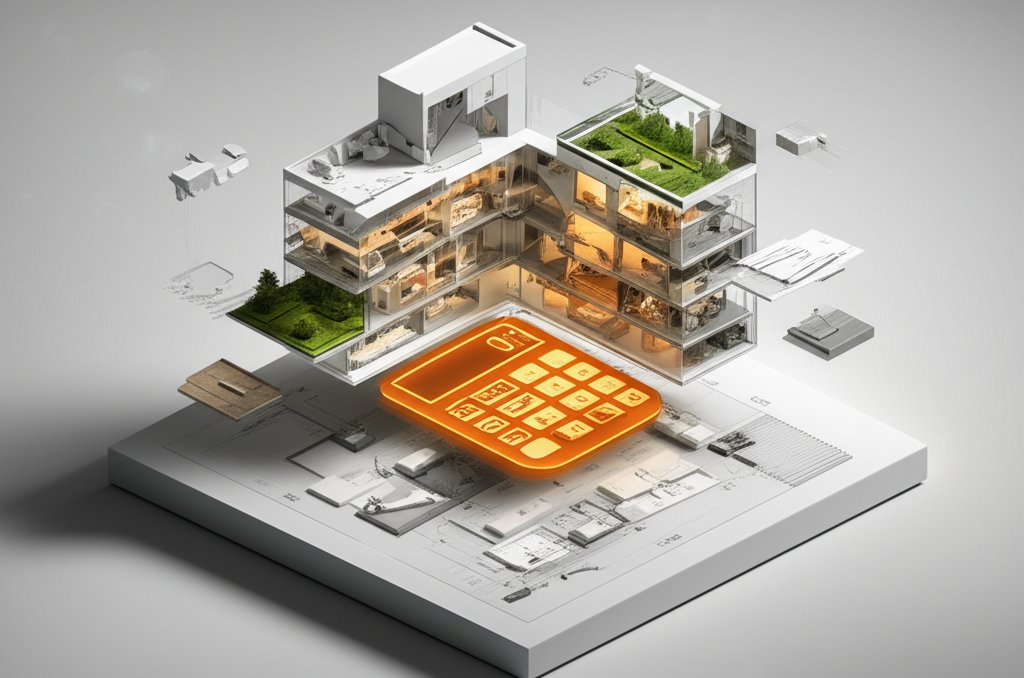
Dreaming of a kitchen remodel? The allure of bespoke cabinetry is strong, but so is the question: “How much will this really cost?” A reliable custom cabinet cost estimator can bridge the gap between aspiration and budget, transforming your vision into a financially sound plan.
At a glance:
- Quickly estimate your custom cabinet project cost.
- Understand the key factors influencing cabinet pricing.
- Compare material and finish options to optimize costs.
- Factor in hidden expenses like installation and hardware.
- Avoid budget-busting surprises with a realistic cost projection.
Why a Custom Cabinet Cost Estimator Is Your First Tool
Let’s face it: kitchen remodels can be stressful, and cabinet costs often contribute significantly to that stress. Without a solid estimate, you risk overspending or, worse, abandoning your dream remodel altogether. A custom cabinet cost estimator empowers you to explore different options, understand cost drivers, and make informed decisions.
Imagine this: You’re initially drawn to solid hardwood cabinets, but the estimator reveals that a high-quality plywood alternative could save you thousands without sacrificing durability. Or perhaps you discover that a specific paint finish substantially increases the price, prompting you to explore more cost-effective alternatives like lamination. This power to evaluate and adjust is exactly what a good estimator offers.
Cracking the Code: Key Factors That Drive Cabinet Costs
Several elements influence the final price of custom cabinetry. Understanding these factors allows you to use your custom cabinet cost estimator more effectively and make smarter choices.
- Materials: This is a big one. Hardwoods (maple, cherry, oak) are generally more expensive than plywood or MDF (Medium Density Fiberboard). Consider the durability, aesthetics, and environmental impact of each material. Plywood offers excellent stability and screw-holding power, while MDF provides a smooth surface for painting.
- Dimensions: Size matters. Taller, wider, and deeper cabinets naturally require more material and labor, increasing the overall cost.
- Construction Method: Framed vs. frameless construction impacts both cost and aesthetics. Frameless (European-style) cabinets often have a sleeker, more modern look but can be more complex to build.
- Finish: Paint, stain, varnish, and laminate all come with different price points. Complex finishes, such as multi-step painting or hand-applied glazes, will add to the expense.
- Hardware: Handles, knobs, hinges, and drawer slides might seem like small details, but they can quickly add up, especially if you opt for high-end brands or specialized features like soft-close mechanisms.
- Design Complexity: Intricate designs, custom carvings, or unusual shapes require more skilled labor and specialized equipment, driving up the cost.
- Installation: Labor costs for cabinet installation vary depending on the complexity of the project, the location, and the experience of the installer.
- Location: Costs will vary based on where you live due to taxes, labor costs and material costs.
Using a Custom Cabinet Cost Estimator: A Step-by-Step Guide
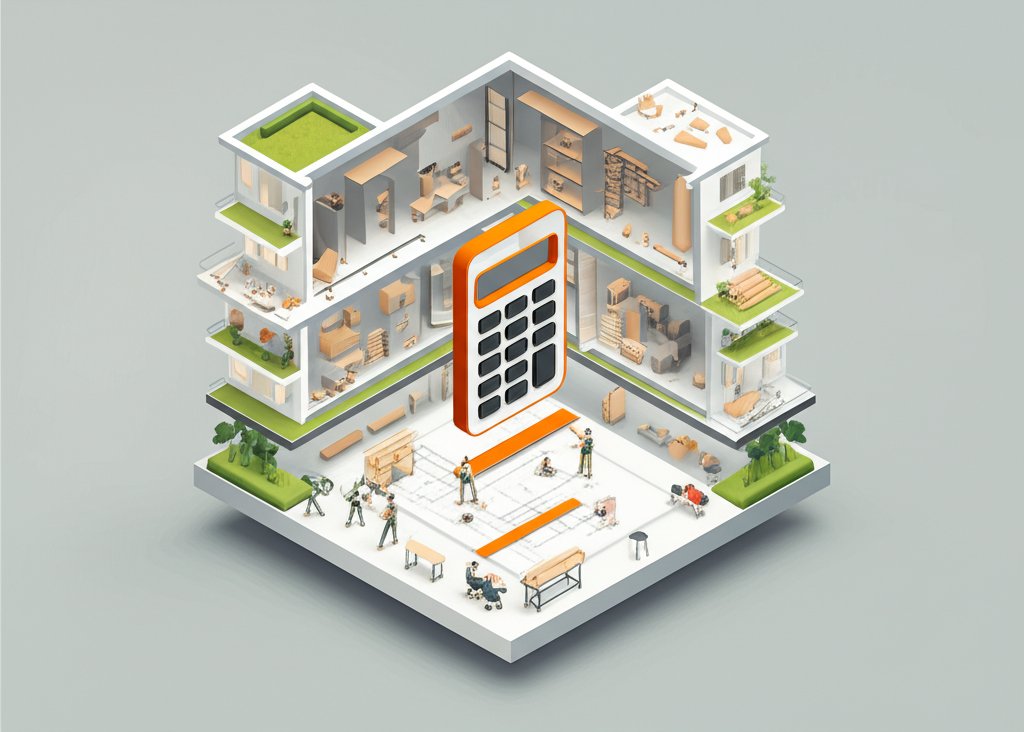
Here’s how to maximize the benefits of a custom cabinet cost estimator, turning it into your personalized budget compass.
- Measure Accurately: Accurate measurements are paramount. Use a reliable measuring tape and double-check all dimensions (width, height, depth). Incorrect measurements lead to inaccurate estimates.
- Material Selection: Experiment with different material options within the estimator. See how plywood compares to hardwood in terms of cost. Consider the longevity and maintenance requirements of each material.
- Finish Options: Explore various finishes. Lamination is often a more budget-friendly choice than a custom paint job. However, consider the desired aesthetic and durability when making your decision.
- Feature Customization: Add or remove optional features like handles, lighting, or special hardware. Observe how these additions affect the overall price.
- Quantity Input: Adjust the quantity of each cabinet type to match your kitchen layout. Ensure you’ve accounted for all base cabinets, wall cabinets, and specialty cabinets (e.g., pantry cabinets, corner cabinets).
- Installation Cost Consideration: While many online estimators don’t include installation, it’s crucial to factor it in. Research average installation costs in your area or get quotes from local contractors.
- Iterate and Refine: Don’t settle for the first estimate. Experiment with different combinations of materials, finishes, and features to find the optimal balance between cost and aesthetics.
Example:
Let’s say you’re estimating the cost of a base cabinet that’s 36 inches wide, 34.5 inches high, and 24 inches deep. You select plywood as the material and a painted finish. The estimator might show the following breakdown:
- Material Cost (Plywood): $80
- Finish Cost (Paint): $60
- Hardware (Basic Knobs): $10
This gives you a baseline estimate of $150 for that single cabinet. Now, multiply that by the number of similar cabinets in your design.
Beyond the Basics: Uncovering Hidden Costs & Budgeting Tips
While a custom cabinet cost estimator provides a solid foundation, remember to account for potential hidden costs and employ smart budgeting strategies.
- Demolition and Removal: Removing existing cabinets can incur costs for labor and disposal.
- Structural Modifications: If your remodel involves moving walls or altering plumbing/electrical systems, these costs can be substantial.
- Unexpected Repairs: Older homes sometimes reveal hidden problems (e.g., mold, water damage) during demolition, requiring unexpected repairs.
- Contingency Fund: Always allocate a contingency fund (typically 10-15% of the total budget) to cover unforeseen expenses.
- DIY vs. Professional Installation: Weigh the pros and cons of DIY installation. While it can save money, improper installation can lead to costly mistakes.
- Phased Approach: If budget is a major constraint, consider a phased approach, tackling the most critical areas first and postponing less essential upgrades.
Material Choices: Weighing Cost vs. Quality
Choosing the right materials is a crucial step in any custom cabinet project. Here’s a closer look at common options and their implications for your budget. Remember to use the Estimate cabinet project cost to see real-time cost differences as you evaluate these options.
| Material | Cost | Durability | Aesthetics | Best For |
|---|---|---|---|---|
| Solid Hardwood | High | Excellent | Classic, Rich | High-end kitchens, showcasing natural wood grain |
| Plywood | Moderate | Very Good | Versatile | Most applications, offering a balance of cost and quality |
| MDF | Low | Good | Smooth | Painted cabinets, providing a uniform surface |
| Thermofoil Wrapped | Low | Moderate | Modern | Budget-friendly, easy-to-clean surfaces |
Overcoming Common Estimator Challenges

Even with the best custom cabinet cost estimator, you might encounter challenges. Here’s how to navigate them.
- Lack of Specificity: Some estimators offer limited customization options. Supplement the online tool with quotes from local cabinet makers for a more precise estimate.
- Outdated Pricing: Material costs fluctuate. Ensure the estimator uses current pricing data.
- Ignoring Regional Variations: Labor and material costs vary significantly by location. Seek local cost data to refine your estimate.
- Overlooking Design Details: Complex designs with custom carvings or intricate details require more skilled labor and specialized equipment, driving up the cost.
Practical Playbook: From Estimate to Installation
- Initial Estimate: Use a custom cabinet cost estimator to get a ballpark figure.
- Detailed Design: Work with a designer to create a detailed cabinet layout and specifications.
- Vendor Quotes: Obtain quotes from multiple cabinet makers or contractors.
- Cost Comparison: Compare the quotes, paying attention to the materials, finishes, and installation costs.
- Contract Negotiation: Negotiate the contract terms, including payment schedule, warranty, and change order procedures.
- Project Execution: Oversee the installation process, ensuring that the cabinets are installed according to the specifications.
Quick Answers: Common Questions About Custom Cabinet Costs
Q: Is it cheaper to reface cabinets or buy new ones?
A: Refacing is generally cheaper, but it only addresses the cabinet doors and drawer fronts. If the cabinet boxes are damaged or outdated, new cabinets are the better option.
Q: How much should I budget for kitchen cabinets?
A: As a general rule, aim to allocate around 20-40% of your total kitchen remodel budget to cabinets.
Q: What are the most cost-effective cabinet materials?
A: MDF and plywood are typically the most cost-effective materials for cabinet construction. Laminate finishes can also help reduce costs.
Q: Do custom cabinets always cost more than stock cabinets?
A: Yes, custom cabinets generally cost more than stock or semi-custom cabinets because they are built to your exact specifications, allowing for a personalized design and optimal use of space.
Q: How can I save money on cabinet hardware?
A: Opt for standard hardware finishes (e.g., brushed nickel, oil-rubbed bronze) instead of specialty finishes. Buy in bulk to take advantage of volume discounts.
Take Action Today: Your Kitchen Transformation Awaits
Don’t let budget uncertainty stall your kitchen dreams. By understanding the cost drivers and utilizing a custom cabinet cost estimator, you can confidently plan your remodel and create a kitchen that reflects your style and meets your needs. Start estimating, comparing, and planning today. Your dream kitchen is within reach!

- DIY Bathroom Mirror Frame Designs on a Budget - October 12, 2026
- Creative Bathroom Mirror Border Ideas for Every Style and Budget - October 11, 2026
- Bathroom Finishes That Handle Moisture and Look Great - October 10, 2026