Want to ballpark your kitchen renovation costs before diving into detailed design? A good kitchen cabinets estimate template is your secret weapon. It gives you a realistic starting point so you can plan your budget, compare options, and avoid sticker shock later on.
At a glance:
- Discover how to use a kitchen cabinets estimate template effectively.
- Learn the key factors that influence cabinet costs.
- Find out where to source reliable templates and cost data.
- Understand the limitations of templates and when to seek professional help.
- Get a downloadable checklist for accurate cabinet measurements.
Why Bother with a Kitchen Cabinets Estimate Template?
Remodeling a kitchen is a big investment, and cabinets often take up a significant chunk of the budget. A kitchen cabinets estimate template provides a framework for understanding costs before you commit to a particular design or contractor. It allows you to:
- Explore Different Scenarios: What if you opted for semi-custom cabinets instead of stock ones? How would refacing compare to a full replacement? A template lets you quickly assess the cost implications of your choices.
- Negotiate Effectively: Armed with a solid estimate, you can have more informed conversations with contractors and suppliers. You’ll be better equipped to identify potential overcharges or areas where you can save money.
- Prevent Budget Blowout: An early estimate helps you understand the overall project cost and identify potential areas where you might need to scale back or reallocate funds.
Key Factors Influencing Kitchen Cabinet Costs
Before you even open a kitchen cabinets estimate template, it’s crucial to understand the cost drivers. This knowledge will help you input accurate data and interpret the results correctly.
- Cabinet Type:
- Stock cabinets: These are mass-produced, readily available, and the most affordable option. Think big box stores.
- Semi-custom cabinets: Offer more flexibility in terms of sizes, styles, and finishes compared to stock cabinets.
- Custom cabinets: Built to your exact specifications, providing the highest level of personalization but also the highest cost.
- Materials: Solid wood, plywood, particleboard, and MDF are common materials, each with its own price point and durability characteristics. Solid wood is generally more expensive but offers superior longevity.
- Door Style: Simple slab doors are typically less expensive than more elaborate raised-panel or shaker-style doors.
- Finish: Painted finishes often cost more than stained finishes due to the extra labor involved. Specialty finishes like glazing or distressing can also add to the price.
- Size and Layout: The number of cabinets you need and the complexity of your kitchen layout will directly impact the overall cost. A large kitchen with many corner cabinets and custom features will be more expensive than a small, straightforward galley kitchen.
- Hardware: Knobs, pulls, hinges, and drawer slides can range from inexpensive to high-end designer options.
- Installation: Professional installation adds to the overall cost, but it ensures proper fit and functionality. DIY installation can save money, but it requires expertise and time.
- Geographic Location: Labor and material costs vary depending on your location.
Finding the Right Kitchen Cabinets Estimate Template

Several options are available when it comes to finding a kitchen cabinets estimate template:
- Online Calculators: Many websites, including those of cabinet manufacturers and home improvement retailers, offer online calculators that provide instant estimates based on your selections. KraftMaid and Lowe’s offer such tools.
- Spreadsheet Templates: More detailed templates can be found online as spreadsheets (e.g., Excel or Google Sheets). These allow for more customization and tracking of individual components.
- Dedicated Software: For larger projects or professional use, cabinet design software often includes built-in estimating tools.
Example: Let’s say you are considering a 10×12 kitchen remodel. You can use an online calculator to get the average price of your renovation project.
Using a Kitchen Cabinets Estimate Template: A Step-by-Step Guide
Here’s how to effectively use a kitchen cabinets estimate template:
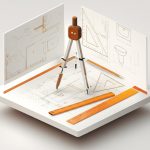
- Accurate Measurements: Start by taking precise measurements of your kitchen. Measure the length and width of the room, the height of the ceiling, and the location of windows, doors, and appliances. A mistake here throws everything off.
- Pro Tip: Draw a rough sketch of your kitchen layout and note all measurements on the sketch—see example below.
- Walls: Measure each wall at the floor, countertop, and ceiling.
- Windows & Doors: Measure the width and height of all openings.
- Appliances: Note the dimensions of your existing or planned appliances.
- Obstructions: Indicate the location of any pipes, electrical outlets, or other obstructions.
- Cabinet Selection: Choose the type, style, and material of cabinets you want. Record the dimensions of each cabinet (width, height, depth).
- Hardware and Accessories: Select your desired hardware and accessories (knobs, pulls, hinges, drawer slides, organizers).
- Installation Costs: Research local installation rates or obtain quotes from contractors.
- Input Data: Enter all the information you’ve gathered into the template. Be as accurate as possible.
- Review and Adjust: Once the template generates an estimate, review it carefully and adjust any assumptions as needed. For instance, if Express cabinets deliver in 14 business days, factor that time frame into your scheduling if you plan to install them yourself.
- Contingency: Always add a contingency (typically 10-15%) to cover unexpected costs or changes.
Example Scenario: Using a Spreadsheet Template
Imagine you’re using an Excel template to estimate the cost of cabinets for a 10′ x 12′ kitchen. Here’s how you might structure the spreadsheet:
| Item | Quantity | Unit Cost | Total Cost | Notes |
|---|---|---|---|---|
| Base Cabinets (36″ wide) | 3 | $300 | $900 | Stock cabinets, shaker style, painted finish |
| Wall Cabinets (30″ wide) | 4 | $250 | $1000 | Stock cabinets, shaker style, painted finish |
| Corner Base Cabinet | 1 | $400 | $400 | Stock cabinet, lazy susan insert |
| Drawer Bank (18″ wide) | 1 | $350 | $350 | Stock cabinet, soft-close drawers |
| Hardware (Knobs & Pulls) | 20 | $5 | $100 | Brushed nickel finish |
| Installation | $1500 | Quote from local contractor, includes removal of old cabinets | ||
| Subtotal | $4250 | |||
| Contingency (10%) | $425 | |||
| Total Estimated Cost | $4675 |
Common Pitfalls and How to Avoid Them

- Inaccurate Measurements: Double-check all measurements to avoid ordering the wrong size cabinets.
- Underestimating Installation Costs: Get multiple quotes from qualified installers to ensure you have a realistic estimate.
- Ignoring Hidden Costs: Factor in costs for demolition, plumbing, electrical work, and disposal of old cabinets.
- Assuming Template Accuracy: Remember that templates provide estimates, not guarantees. Actual costs may vary. As the introductory text for Diamond Visualizer states, the costs are only a rough estimate.
- Neglecting the Fine Print: Specifications are subject to change without notice.
Practical Measurements Checklist
Downloadable checklist for accurate cabinet measurements.
- [ ] Draw a rough sketch of your kitchen.
- [ ] Measure each wall at the floor, countertop, and ceiling.
- [ ] Measure the width and height of all windows and doors.
- [ ] Note the dimensions of your existing or planned appliances.
- [ ] Indicate the location of any pipes or electrical outlets.
- [ ] Double-check all measurements for accuracy.
Quick Answers: Common Questions
Q: Can I rely solely on a kitchen cabinets estimate template for budgeting?
A: No. A template provides a starting point, but it’s essential to get detailed quotes from contractors and suppliers for a more accurate estimate. Think of the template as a preliminary filter.
Q: Are online cabinet cost calculators accurate?
A: They can be helpful for getting a rough idea, but they often don’t account for specific project details or regional price differences. Use them as a general guide, not a definitive answer.
Q: How can I reduce the cost of my kitchen cabinets?
A: Consider stock cabinets, refacing existing cabinets, or opting for simpler door styles and finishes. Explore alternatives to solid wood, like plywood or MDF.
Q: What’s the difference between refacing and replacing kitchen cabinets?
A: Refacing involves replacing the doors, drawer fronts, and hardware while keeping the existing cabinet boxes. Replacing involves removing the old cabinets and installing new ones. Refacing is typically less expensive.
Actionable Close
Using a kitchen cabinets estimate template is an intelligent first step in any kitchen renovation. It empowers you to explore options, understand costs, and plan your budget effectively. But ultimately, it’s one tool in a larger process. Remember to combine the insights from your template with professional advice and detailed quotes to ensure a successful project. For a broader perspective on budgeting your entire kitchen renovation, you can Estimate your cabinet costs..

- DIY Bathroom Mirror Frame Designs on a Budget - October 12, 2026
- Creative Bathroom Mirror Border Ideas for Every Style and Budget - October 11, 2026
- Bathroom Finishes That Handle Moisture and Look Great - October 10, 2026