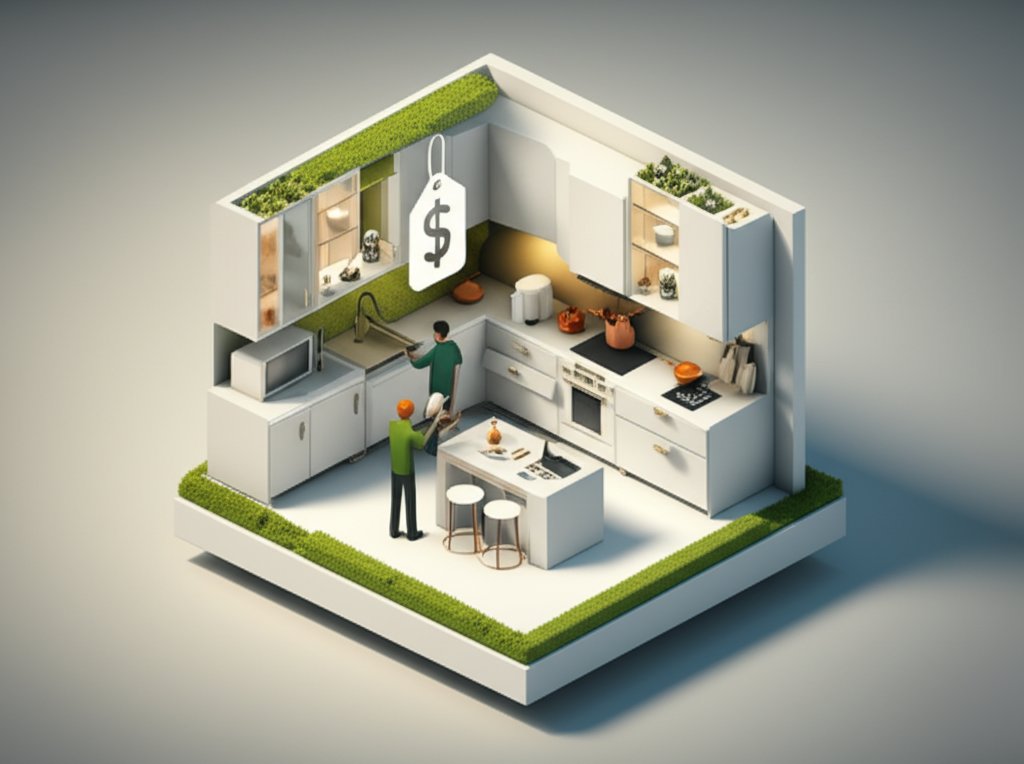
Frustrated trying to budget for new kitchen cabinets? You’re not alone. Accurately estimating the cost of cabinet replacement can feel like navigating a maze, with hidden fees and unexpected expenses lurking around every corner. A good cabinet replacement cost calculator can be the flashlight you need.
At a glance:
- Understand the key factors that influence the cost of cabinet replacement.
- Learn how a cabinet replacement cost calculator works and its limitations.
- Identify hidden costs to avoid budget surprises.
- Determine the best cabinet material for your budget and style.
- Get practical tips for lowering your cabinet replacement expenses.
Why Use a Cabinet Replacement Cost Calculator?
A cabinet replacement cost calculator provides a ballpark figure for your project, helping you:
- Establish a budget: Knowing the potential cost range allows you to set a realistic budget and avoid overspending.
- Compare options: Calculators can help you evaluate different cabinet materials, styles, and installation options based on cost.
- Plan your project: Understanding the financial commitment involved enables you to prioritize your needs and plan the timeline accordingly.
However, it’s crucial to remember that a calculator provides an estimate. It’s a starting point, not the final word.
Decoding the Factors That Drive Cabinet Replacement Costs
Several elements impact the overall price of your cabinet replacement project. A cabinet replacement cost calculator typically considers these factors, but understanding them in detail will help you use the tool more effectively.
- Cabinet Material: This is arguably the biggest cost driver.
- Stock Cabinets: Mass-produced and readily available, offering the most affordable option.
- Semi-Custom Cabinets: Offer more flexibility in terms of sizes and styles than stock cabinets, at a moderate price point.
- Custom Cabinets: Made to order, providing the ultimate design freedom and highest price tag.
- Material choice (Wood, Laminate, Metal): Solid wood is significantly more expensive than laminate. Even amongst wood, cherry will command a higher price tag than pine.
- Kitchen Size & Layout: The number of cabinets required directly affects material and labor costs. A large kitchen with an island will naturally cost more than a small galley kitchen.
- Cabinet Style & Design: Intricate designs, custom finishes, and special features (e.g., glass doors, pull-out drawers) increase the price.
- Hardware: Knobs, pulls, hinges, and drawer slides contribute to the overall cost. Higher-end hardware can significantly increase the price.
- Installation Costs: Labor rates vary depending on location and the complexity of the installation. A simple cabinet swap will be cheaper than a complete kitchen remodel.
- Demolition & Removal: Removing existing cabinets and disposing of them can add to the overall expense.
- Permits: Depending on your location and the scope of the project, you may need permits, which incur additional fees.
How a Cabinet Replacement Cost Calculator Works: A Step-by-Step Breakdown

Most cabinet replacement cost calculators work by asking you to input specific details about your project. Here’s a typical process, along with what to look out for:
- Kitchen Layout: Select the shape of your kitchen (e.g., L-shaped, U-shaped, galley). If you’re unsure, sketch your kitchen and measure the wall lengths.
- Pro-Tip: Some calculators, like the KraftMaid kitchen cost estimator, offer visual aids to help you select the correct layout.
- Kitchen Size: Specify the dimensions of your kitchen. Be as accurate as possible with your measurements.
- Scope of Work: Indicate which items you’ll be replacing (e.g., cabinets only, countertops, flooring).
- Cabinet Type & Material: Choose the type of cabinets (stock, semi-custom, custom) and the material (wood, laminate, etc.).
- Style & Design: Select your preferred cabinet style (e.g., shaker, raised panel, flat panel) and any special features.
- Hardware Selection: Choose your preferred hardware style and finish.
- Installation Options: Indicate whether you’ll be hiring a professional installer or doing it yourself.
- Location (Zip Code): Enter your zip code to get location-specific labor rates and material costs. As noted by Homewyse, including your zip code is essential for an accurate estimate.
- Level of Quality (Standard, Upgraded, Premium): Many calculators allow you to select a quality level, influencing the cost of materials and labor.
Once you’ve entered all the required information, the calculator will generate an estimated cost range for your project.
Unmasking Hidden Costs: Beware the Budget Busters
While a cabinet replacement cost calculator helps you estimate your expenses, it’s crucial to be aware of potential hidden costs that can inflate your budget.
- Unexpected Repairs: Removing old cabinets may reveal hidden problems like water damage, mold, or structural issues that require repair.
- Plumbing & Electrical Work: Moving plumbing or electrical outlets can add significant costs to your project. Even basic installations like fabricating plumbing cutouts in back panels comes at a cost.
- Backsplash & Countertop Modifications: Replacing cabinets may necessitate modifications to your backsplash or countertops, increasing the overall cost.
- Appliance Upgrades: Sometimes, new cabinets highlight the age or condition of existing appliances, prompting you to upgrade them, which can significantly impact your budget.
- Delivery Fees: Don’t forget to factor in delivery fees for the cabinets and hardware.
- Disposal Fees: Disposing of old cabinets and construction debris can incur additional costs.
- Sales Tax: Remember to factor in sales tax on materials and supplies, which can vary depending on your location.
Case Snippet: The Water Damage Surprise
Sarah budgeted $10,000 for a new cabinet installation, using an online cabinet replacement cost calculator. During demolition, they discovered significant water damage behind the old cabinets. The repair cost an unexpected $2,000, pushing the project over budget. The lesson: always build a contingency fund (10-15%) into your renovation budget.
Choosing the Right Cabinet Material for Your Budget and Style

The material you choose for your cabinets dramatically affects the overall cost. Here’s a quick comparison:
| Material | Cost | Pros | Cons |
|---|---|---|---|
| Stock Laminate | Low | Affordable, easy to clean, moisture-resistant | Less durable than wood, limited style options |
| Semi-Custom Wood | Medium | More durable than laminate, wider style options, can be painted or stained | More expensive than laminate, requires more maintenance |
| Custom Hardwood | High | Extremely durable, customizable, high-end look | Most expensive, requires careful maintenance |
| Metal | Medium-High | Durable, modern look, easy to clean | Can be expensive, limited style options, may show fingerprints easily |
Practical Playbook: Lowering Your Cabinet Replacement Expenses
Here are actionable tips to help you save money on your cabinet replacement project:
- Consider Refacing: If your existing cabinet boxes are in good condition, consider refacing them instead of replacing them entirely. This involves replacing the doors and drawer fronts while keeping the existing framework.
- Explore Stock or Semi-Custom Cabinets: Opting for stock or semi-custom cabinets can save you a significant amount of money compared to custom cabinets.
- DIY Demolition & Installation (If Skilled): If you’re comfortable with DIY projects, consider handling the demolition and installation yourself. However, be realistic about your skills and time commitment. Poor installation can negate any cost savings and even damage the cabinets.
- Purchase During Sales: Many retailers offer sales and promotions on cabinets throughout the year. Keep an eye out for these deals to save money.
- Compare Quotes from Multiple Contractors: Get quotes from at least three different contractors to ensure you’re getting a fair price.
- Be Flexible with Timing: Scheduling your project during the off-season (e.g., winter) may result in lower labor costs.
- Prioritize Needs vs. Wants: Identify the features that are essential to you and those that are simply nice to have. Cutting back on non-essential features can help you stay within budget.
- Consider Open Shelving: Utilizing open shelving in some areas can be a stylish and cost-effective alternative to traditional cabinets.
- Keep the Existing Layout: Altering the kitchen layout requires moving plumbing and electrical lines, which can be expensive. Keeping the existing layout can save you a significant amount of money.
Remember, careful planning and smart decision-making can help you achieve your dream kitchen without breaking the bank. For a broader overview of kitchen renovation costs, you can Estimate cabinet costs now.
Quick Answers: Common Questions About Cabinet Replacement Costs
Q: Is it cheaper to reface or replace cabinets?
A: Refacing is generally cheaper than replacing, but it’s only a viable option if your existing cabinet boxes are in good condition.
Q: How much does it cost to install kitchen cabinets per cabinet?
A: In July 2025, the estimated cost to install kitchen cabinets ranged from $479 to $726 per cabinet, according to available data. This number varies based on location, complexity, and contractor rates.
Q: What are the most affordable kitchen cabinet materials?
A: Laminate and thermofoil are generally the most affordable cabinet materials.
Q: Does the size of my kitchen significantly impact the cost?
A: Yes, the size of your kitchen directly impacts the number of cabinets required, which affects both material and labor costs.
Q: Can I accurately estimate the cost of my project using only an online calculator?
A: A cabinet replacement cost calculator provides a helpful estimate, but it’s essential to get quotes from professional contractors for a more accurate assessment.
Actionable Close
Taking the leap and replacing your kitchen cabinets is a big decision. Start smart: use a cabinet replacement cost calculator to establish a preliminary budget. Then, reach out to local contractors for detailed estimates. Remember to factor in potential hidden costs and explore cost-saving strategies. With careful planning and realistic expectations, you can transform your kitchen into a space you’ll love for years to come.

- DIY Bathroom Mirror Frame Designs on a Budget - October 12, 2026
- Creative Bathroom Mirror Border Ideas for Every Style and Budget - October 11, 2026
- Bathroom Finishes That Handle Moisture and Look Great - October 10, 2026