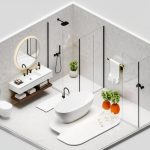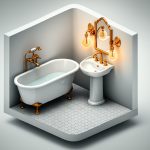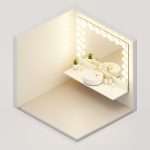
Of course. Here is the comprehensive pillar article on brass vanity lights, crafted in the voice of a seasoned journalist and subject-matter expert.
Brass Vanity Lights: Elevate Your Bathroom with Elegant Warmth
There’s a moment in every bathroom renovation—or even just a weekend refresh—when you look up at the generic, builder-grade light fixture above the mirror and realize it’s holding the entire room back. It’s functional, sure, but it has all the personality of a filing cabinet. This is often the moment people discover the transformative power of brass vanity lights, a design choice that does more than just illuminate; it infuses a space with warmth, character, and a touch of timeless elegance.
Forget the shiny, lacquered brass of the 1980s. Today’s brass is sophisticated, versatile, and available in a spectrum of stunning finishes that can steer a bathroom’s style in any direction you choose, from modern minimalist to cozy farmhouse. It’s the perfect antidote to the cold, sterile feeling that can sometimes plague bathroom design.
At a Glance: Your Guide to Brass Vanity Lighting
Short on time? Here are the key takeaways for choosing the perfect brass light for your bathroom:
- Brass is a “Warm Neutral”: It pairs beautifully with cool tones like gray and navy, warm tones like cream and wood, and even bold choices like black and deep green.
- Finish is Everything: From a modern, soft satin brass to a character-rich aged brass, the finish dictates the fixture’s personality.
- Size and Scale Matter: A general rule is to choose a fixture that’s about 75% of your mirror’s width. For double vanities, consider two separate fixtures or one long light bar.
- Directional Lighting Changes the Mood: Lights pointing up create soft, ambient light, while those pointing down provide direct, task-oriented light for grooming.
- The Right Bulb is Crucial: Look for bulbs with a warm-white temperature (2700K-3000K) and a high Color Rendering Index (CRI of 90+) to ensure colors look true and skin tones are flattering.
More Than a Trend: Why Brass Lighting Feels So Right, Right Now
For years, chrome and brushed nickel dominated bathroom hardware. They were safe, clean, and predictable. But as homeowners and designers seek to create spaces with more soul and a collected-over-time feel, brass has made a powerful resurgence.
Think of it as jewelry for your bathroom. A well-chosen brass fixture can be the statement piece that ties everything together. Its golden tones reflect light beautifully, making the whole room feel brighter and more inviting. This inherent warmth is its superpower, capable of softening the hard surfaces of tile and porcelain that define most bathrooms.
Unlike some fleeting trends, brass has serious design pedigree. It’s been a staple in design for centuries, gracing everything from Art Deco skyscrapers to classic Victorian homes. This history gives it a timeless quality that chrome or matte black can’t always match. When you install a brass fixture, you’re not just following a trend; you’re tapping into a long lineage of classic design. The breadth of available styles makes it easy to explore brass bathroom lighting that feels both current and enduring.
A Spectrum of Style: Finding Your Perfect Brass Finish
The term “brass” covers a wide and wonderful range of tones and textures. Choosing the right one is the key to unlocking your bathroom’s potential. Let’s break down the most common finishes you’ll encounter.
Polished Brass: The Gleaming Classic
This is the bright, mirror-like finish that might come to mind when you first think of brass. When used thoughtfully, it delivers a dose of glamour and a nod to traditional or Hollywood Regency styles. It requires regular wiping to keep water spots and fingerprints at bay, but the high-impact shine is often worth the effort.
Satin or Brushed Brass: The Modern Standard
This is the go-to for contemporary design. With a soft, matte-like appearance created by fine brush marks, satin brass offers the warmth of gold without the high shine. It’s incredibly versatile, hiding fingerprints and water spots better than its polished counterpart. This understated elegance makes it a perfect fit for everything from minimalist to transitional bathrooms.
Antique and Aged Brass: Character and Patina
For a look that feels soulful and historic, this is your finish. Chemically treated to accelerate the natural aging process, these fixtures feature darker, richer tones with less shine. They bring a sense of depth and history to a space, making them ideal for traditional, rustic, or industrial-farmhouse designs. If you love a lived-in aesthetic, aged brass vanity lights offer instant character and charm.
Champagne Bronze: The Softer, Rosier Cousin
Sitting somewhere between brushed brass and rose gold, champagne bronze is a softer, muted metallic. It has a subtle pinkish-beige undertone that feels contemporary and sophisticated. It pairs exceptionally well with “greige” (gray-beige) paint colors and warm wood tones.
Unlacquered Brass: The Living Finish
This is raw brass with no protective coating. Its beauty lies in its ability to change over time. Exposure to air and moisture will cause it to develop a unique patina, a rich, dark, and mottled pattern. It’s a choice for those who appreciate wabi-sabi—the beauty of imperfection—and want a fixture that tells a story and evolves with their home.
| Finish Type | The Vibe | Best For… | Maintenance Level |
|---|---|---|---|
| Polished Brass | Glamorous, Traditional, Bold | Formal powder rooms, Art Deco styles | High (shows fingerprints) |
| Satin/Brushed Brass | Modern, Understated, Versatile | Nearly any style, especially contemporary | Low |
| Aged/Antique Brass | Historic, Rustic, Soulful | Farmhouse, traditional, industrial | Low |
| Champagne Bronze | Soft, Sophisticated, Warm | Transitional, modern organic | Low |
| Unlacquered Brass | Evolving, Authentic, Unique | Historic renovations, eclectic spaces | Varies (embrace patina or polish) |
Getting the Proportions Right: How to Size and Place Your Vanity Light
A perfectly chosen fixture can look all wrong if it’s the wrong size or in the wrong spot. Proper lighting isn’t just about aesthetics; it’s about creating flattering, functional illumination for your daily routine.
The Rule of Thumb for Sizing
The most common mistake is choosing a vanity light that’s too small. It can look dinky and fail to provide adequate light. Here are two reliable guidelines:
- For a single fixture over the mirror: Aim for a fixture that is roughly 75% of the mirror’s total width. For a 32-inch mirror, a light that’s around 24 inches wide will feel balanced. Avoid a fixture that is wider than the mirror itself.
- For sconces flanking the mirror: This is often the most flattering option as it provides even light from both sides, eliminating shadows under your eyes. Mount sconces a few inches to the side of the mirror, with the center of the light source roughly at eye level (typically 60-66 inches from the floor).
If you have a large double vanity with two mirrors, treat each one as a separate vignette. You can either place a correctly sized fixture over each mirror or use three sconces: one on each outer edge and one in the middle.
Mounting Matters: Up, Down, or Sideways?
The direction your light shades face has a big impact on the quality of light.
- Uplighting: Fixtures that point toward the ceiling cast a soft, ambient glow. This is great for creating a relaxing atmosphere but isn’t ideal as the primary source for task lighting (like applying makeup or shaving). It can create shadows under the chin and eyes.
- Downlighting: Fixtures that point down provide direct, focused light onto the counter and sink. This is excellent for tasks but can sometimes cast harsh shadows on your face if placed too high.
- Globe or Exposed Bulb: Fixtures with clear glass globes or exposed bulbs cast light in all directions, providing a good mix of ambient and task lighting. Just be sure to choose a bulb that isn’t glaring.
For most people, a down-firing or globe-style fixture is the most practical choice for a vanity.
Creating a Cohesive Look: What to Pair with Brass
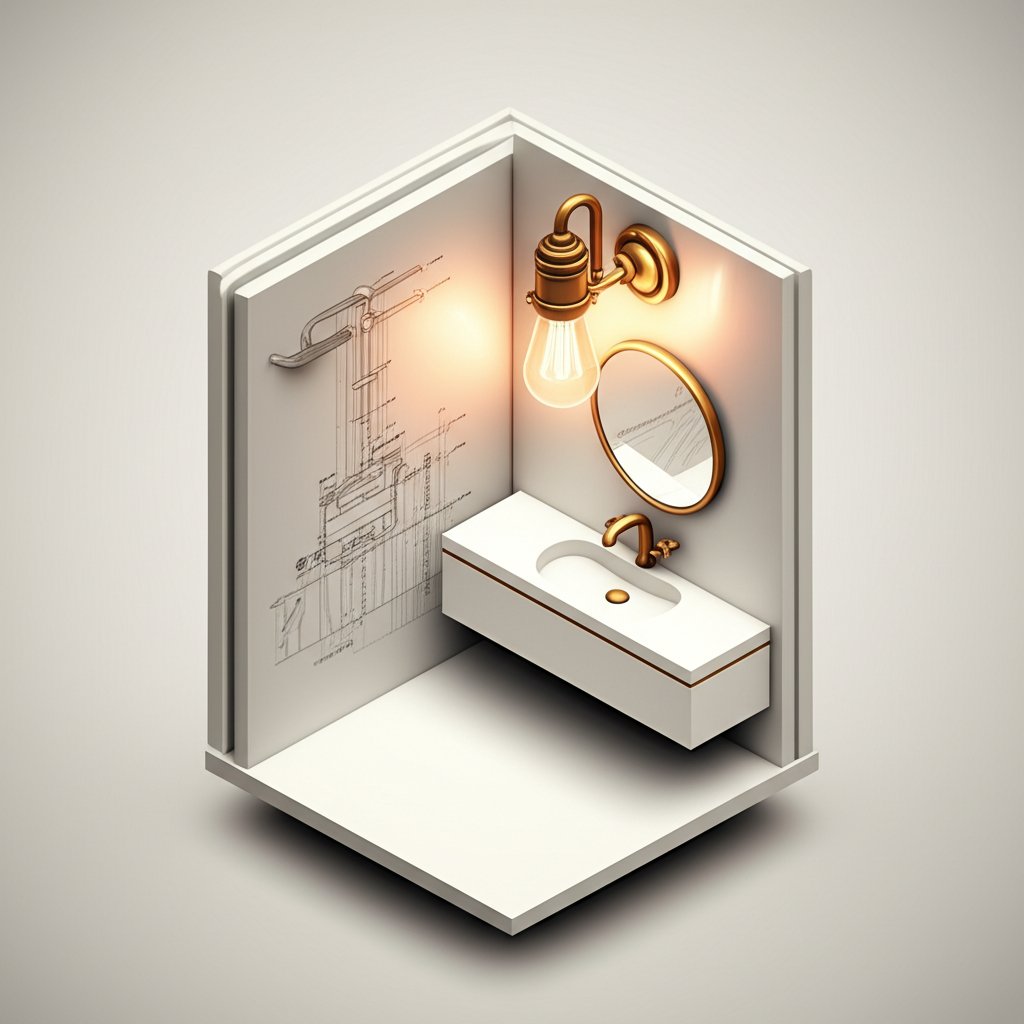
Once you’ve chosen your light, the next step is making it feel at home with your other fixtures and finishes. The good news? The old rule about matching all your metals is officially dead.
Mixing Metals Like a Pro
A thoughtfully mixed-metal bathroom feels layered and professionally designed. The key is to be intentional.
- The “Buddy System”: To make it look deliberate, ensure each metal finish appears at least twice. For example, if you have a brass vanity light, echo that finish in the cabinet hardware or a picture frame. Your chrome faucet will feel right at home if the shower fixtures are also chrome.
- Create Contrast: One of the most striking combinations is brass and matte black. The deep, grounding effect of the black makes the brass pop, creating a look that is both dramatic and chic. A black and brass vanity light can be a fantastic focal point that bridges these two finishes.
- Consider Dominance: Choose one dominant metal (like chrome for faucets and shower), a secondary metal (like brass for lighting and mirrors), and an optional accent (like black for cabinet pulls).
Coordinating with Faucets and Hardware
You absolutely can match your brass light to your faucet, but you don’t have to. A popular strategy is to use a consistent finish for all the “plumbing” elements (faucet, shower head, drain) and let the “decorative” elements (light, mirror, hardware) be a contrasting metal.
Beyond the Metals: Tile, Paint, and Textures
Brass truly shines when set against the right backdrop. Its warmth is amplified by deep, moody colors like navy blue, emerald green, and charcoal gray. In an all-white bathroom, a brass light prevents the space from feeling clinical and adds a necessary touch of warmth. It also pairs beautifully with natural materials like marble, soapstone, and wood vanities.
Don’t Forget the Details: Bulbs, Brightness, and Upkeep
The most beautiful fixture is useless without the right lightbulb. This small detail makes a huge difference in how you see yourself and your space.
Choosing the Right Bulb: It’s All About the Glow
- Color Temperature (Kelvin): This determines if the light is warm (yellowish) or cool (bluish). For a bathroom, aim for a warm white light, between 2700K and 3000K. Anything higher can feel sterile and unflattering.
- Color Rendering Index (CRI): This is a measure of how accurately a light source reveals the true colors of objects. For a space where you’re matching clothes or applying makeup, this is critical. Look for a CRI of 90 or higher.
- Brightness (Lumens): Forget watts; lumens measure actual brightness. For a vanity, you’ll want a total of around 1,600-2,400 lumens (or 75-100 watt equivalent per light source) for adequate task lighting. Dimmers are your best friend here, allowing you to adjust the brightness for any mood or task.
Installation Insights: DIY or Call a Pro?
Swapping out a light fixture is a manageable DIY project for many homeowners. The golden rule is to always turn off the power at the circuit breaker before you begin. If you’re dealing with old wiring, are unsure about any step, or need to move the electrical box, it is always safest to hire a licensed electrician.
Keeping Your Brass Brilliant: A Simple Care Guide
- Lacquered Finishes (Polished, Satin): These have a protective clear coat. Simply wipe them with a soft, damp microfiber cloth. Avoid abrasive cleaners, which can scratch the lacquer.
- Unlacquered Finishes: If you want to maintain the shine, you’ll need to polish it periodically with a dedicated brass cleaner. If you prefer the aged patina, just let it be or wipe it down with a dry cloth.
Your Brass Vanity Light Questions, Answered
Let’s tackle some common questions that come up when considering a switch to brass.
Is brass lighting going out of style?
Not at all. While specific finishes might trend (like the current popularity of satin brass), the metal itself is a timeless classic. It has cycled in and out of peak popularity for centuries and is now firmly established as an elegant staple, not a fleeting fad.
Can I really mix brass with chrome or brushed nickel?
Yes, absolutely. The key is to do it with intention. A satin brass light fixture can look stunning above a vanity with a polished chrome faucet, especially if the brass is repeated in the cabinet pulls or mirror frame. It creates a custom, curated look.
Will brass tarnish in a steamy bathroom?
Most modern brass fixtures (especially satin and polished) come with a protective lacquer coating that prevents them from tarnishing. Unlacquered brass is the exception; it is meant to tarnish and develop a patina over time, which is part of its appeal.
What’s the difference between brass and gold lighting?
Brass is an alloy made of copper and zinc, giving it a deeper, more muted golden hue. Gold fixtures are typically brass or another base metal that has been plated with gold, resulting in a brighter, more yellow tone. For durability and a sophisticated look, brass is the far more common choice in lighting.
Your Bathroom’s New Centerpiece
Choosing a vanity light is one of the most impactful decisions you can make in a bathroom. It’s an opportunity to move beyond pure function and introduce a piece of art that sets the tone for the entire room.
A brass vanity light is more than just a fixture; it’s an investment in ambiance. It’s the warm glow that greets you in the morning and the soft, elegant light that helps you unwind at night. By selecting the right finish, getting the scale just right, and pairing it with thoughtful details, you can transform your bathroom from a purely utilitarian space into a personal sanctuary. So go ahead, give your reflection the beautiful, flattering light it deserves.

- Bathroom Decor Ideas for an Instant Style Refresh - September 16, 2026
- Retro Bathroom Lighting Ideas for Timeless Charm and Warmth - September 15, 2026
- Vintage Bathroom Light Fixtures Bring Timeless Character To Your Home - September 14, 2026