Most people think of recessed lighting as purely functional—a way to get light into a room without a bulky fixture. But focusing only on the bulb and can is like choosing an engine for a car without considering the steering wheel. The recessed lighting trim is where you take control of your home’s lighting design. It’s the one part of the fixture you see, and it has a massive impact on both the style of your room and the quality of the light itself.
Choosing the right trim can transform a generic ceiling into a polished, intentional part of your decor. It’s the difference between a simple utility light and a sophisticated lighting system that makes your home feel warmer, brighter, and more inviting.
At a Glance: Key Takeaways
- Trim Has a Job: Your trim isn’t just for looks; it shapes the light, reduces glare, and directs the beam where you need it most.
- Match the Function: The right trim style—like a baffle, reflector, or gimbal—depends entirely on what you want to illuminate, from general room lighting to accenting artwork.
- Style is in the Finish: Finishes like matte white blend in for a minimalist look, while bronze, black, or nickel can create contrast and tie into your home’s hardware and fixtures.
- Size Matters Most: Trim is not one-size-fits-all. You must match the trim size (e.g., 4-inch, 6-inch) to the recessed housing installed in your ceiling.
- A Simple, High-Impact DIY: Swapping out old or basic trim is one of the fastest, most affordable ways to update the look and feel of a room.
More Than Just a Pretty Ring: What Your Recessed Lighting Trim Actually Does
Before we dive into styles, it’s crucial to understand that the trim is a high-performance component, not just a decorative collar. It directly influences how light behaves once it leaves the bulb. While the internal housing and the light source are the core of the system—a topic our broader guide on how can light inserts can Simplify home lighting upgrades covers in detail—the trim is the final, critical piece that shapes the user experience.
Every trim has two main functions:
- Aesthetic: It covers the rough opening in the drywall and provides a clean, finished look that integrates the light into your ceiling.
- Optical Control: This is the important part. The interior surface of the trim—the part surrounding the bulb—is engineered to control the light beam. It can absorb stray light to reduce glare, reflect it to maximize brightness, or direct it toward a specific object.
Ignoring the trim’s optical role is a common mistake. Choosing a basic, open trim in a room with a TV, for instance, can create distracting glare on the screen. Conversely, using a glare-reducing trim in a workshop might unnecessarily dim the space.
A Practical Guide to Recessed Trim Styles

Your lighting needs dictate the ideal trim style. Let’s break down the most common types and where they shine, so you can choose with confidence.
Baffle Trim: The All-Purpose Glare Reducer
This is arguably the most popular type of recessed lighting trim. You can identify it by the uniform grooves or ridges on its interior surface.
- How it Works: Those ridges are designed to “trap” and absorb excess light, preventing it from scattering sideways. This creates a softer, less harsh illumination and significantly reduces eye-straining glare.
- Best For: Living rooms, bedrooms, home theaters, and any space where comfortable, ambient light is the priority. A black baffle trim is especially effective at creating a “quiet ceiling” where the light source seems to disappear.
- Case Snippet: In a family room, swapping old, yellowed open trims for new white baffle trims instantly modernized the ceiling and made watching movies more enjoyable by eliminating reflections on the TV screen.
Reflector Trim: For Maximum Brightness
A reflector trim is the opposite of a baffle. It features a smooth, mirror-like interior surface designed to amplify the light output.
- How it Works: The polished surface reflects as much light as possible downward into the room, maximizing the lumens from your bulb. This is perfect for getting the most “bang for your buck” from an energy-efficient LED.
- Best For: Kitchens, laundry rooms, home offices, garages, and commercial spaces with high ceilings. Anywhere you need bright, clear task lighting.
- Good to Know: Reflector trims come in various finishes. A “clear” or “specular” finish provides the most light, while a “haze” finish offers a slightly softer reflection with a bit less glare.
Eyeball & Gimbal Trim: Precision and Flexibility
When you need to direct light, these adjustable trims are your go-to solution. They allow you to pivot the light source within the housing.
- How They Differ:
- Gimbal Trim: The lamp pivots on an axis within a ring that sits nearly flush with the ceiling. It’s a clean, modern look for targeted lighting.
- Eyeball Trim: The lamp is set in a sphere that extends below the ceiling line, offering a wider range of motion. It’s more noticeable but provides greater aiming flexibility.
- Best For: Highlighting artwork, washing a fireplace with light, illuminating bookshelves, or compensating for sloped ceilings.
- Case Snippet: An art collector used gimbal trims down a long hallway. Instead of a flat, boring wash of light, each fixture was aimed at a specific painting, creating a dramatic, gallery-like experience.
Wall Wash Trim: Evenly Illuminate Vertical Surfaces
This specialty trim looks like a standard open trim with a small, integrated shield or scoop on one side.
- How it Works: The shield blocks light from one side and directs the rest of the beam toward an adjacent wall. This creates a smooth, even “wash” of light from ceiling to floor.
- Best For: Making small rooms feel larger, reducing shadows in hallways, or drawing attention to a feature wall with interesting texture, like stone or brick.
Pinhole & Slot Aperture Trim: Dramatic, Focused Spotlighting
For a highly focused, theatrical effect, nothing beats a pinhole trim. It features a large outer ring but a very small opening for the light to pass through.
- How it Works: The small aperture constricts the light into a narrow, sharp beam. A slot aperture trim does the same thing, but creates a narrow line of light instead of a circle.
- Best For: Creating a dramatic accent over a dining table, highlighting a floral arrangement on an entryway console, or creating a “starry sky” effect on a dark ceiling.
Decorative & Shower Trim: Style Meets Function
This category covers everything else. Decorative trims might include crystal elements, beveled glass, or intricate metalwork to match a chandelier. Shower trims, on the other hand, are all about function. They include a glass lens and a gasket to protect the bulb and electrical components from moisture, making them essential for bathrooms, covered patios, and other damp locations.
Choosing the Right Finish and Style for Your Home
Once you’ve selected the right type of trim for the job, it’s time to choose the finish that complements your decor.
To Blend or To Contrast? A Core Decision
This is your first and most important style choice. Do you want your lights to disappear or make a statement?
- To Blend: Choose a trim that matches your ceiling color. A matte white recessed lighting trim on a flat white ceiling creates a seamless, minimalist look. The light fixtures become almost invisible when turned off, which is perfect for modern and transitional designs.
- To Contrast: Select a trim finish that stands out. A black trim on a white ceiling creates a bold, graphic look popular in industrial and contemporary homes. A bronze or brass trim can add a touch of warmth and elegance, tying in with cabinet hardware or plumbing fixtures.
A Quick Finish Guide
Here’s a simple breakdown of how different finishes can influence your room’s style:
| Finish | Best For | Vibe |
|---|---|---|
| Matte White | Blending seamlessly with standard flat white ceilings. | Minimalist, Clean |
| Matte Black | Creating high contrast, accentuating modern decor, dark ceilings. | Modern, Industrial |
| Brushed/Satin Nickel | Matching stainless steel appliances and contemporary hardware. | Versatile, Sleek |
| Oil-Rubbed Bronze | Complementing traditional, craftsman, or rustic decor. | Warm, Traditional |
| Polished Chrome | Coordinating with high-shine bathroom fixtures. | Crisp, Reflective |
Your Trim Selection Playbook: A Step-by-Step Approach
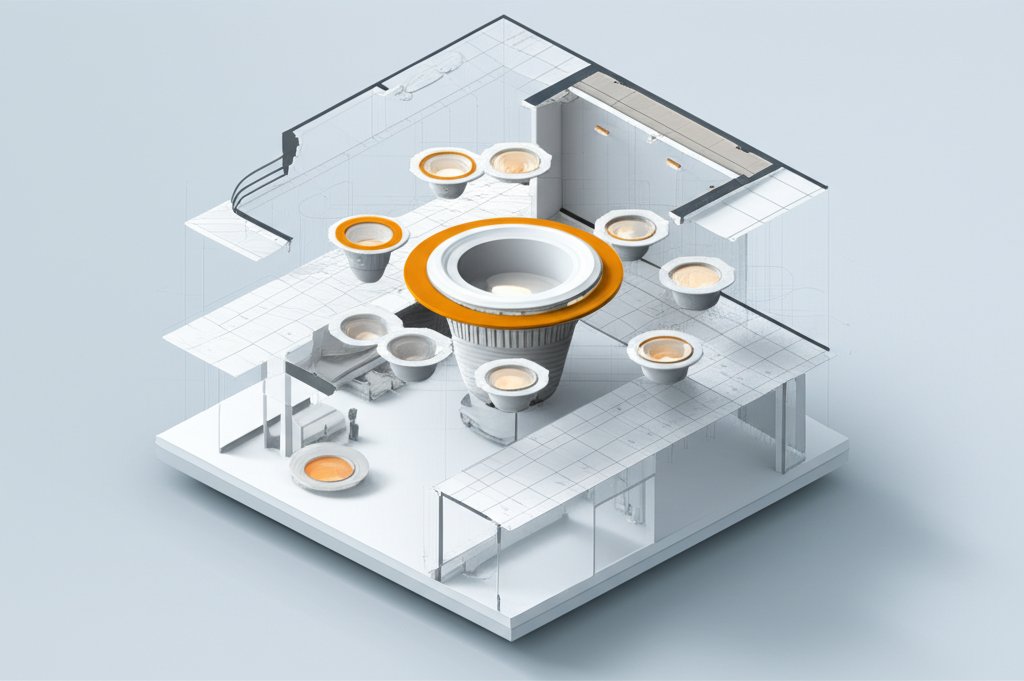
Feeling overwhelmed? Don’t be. Follow these simple steps to find the perfect trim every time.
- Confirm Your Housing Size and Type. This is non-negotiable. Look inside your existing fixture or check the original specs. Is it a 4-inch, 5-inch, or 6-inch can? Is it rated for insulation contact (IC-rated)? The new trim must be compatible.
- Define the Lighting Goal. What do you want this specific light to do?
- Ambient Light: Use a baffle or reflector trim.
- Task Light: Use a bright reflector trim.
- Accent Light: Use a gimbal, eyeball, pinhole, or wall wash trim.
- Assess the Room’s Function. A kitchen demands different lighting than a bedroom. Prioritize glare control (baffle) in relaxation spaces and maximum output (reflector) in workspaces. Use a wet-rated shower trim in any area exposed to moisture.
- Coordinate with Your Decor. Refer to the finish guide above. Look at your cabinet pulls, door handles, and plumbing fixtures. Matching them creates a cohesive look, while intentionally contrasting can add a powerful design element.
Quick Answers to Common Trim Questions
Can I put any trim on any recessed can?
No. The trim must match the housing’s diameter (e.g., a 6-inch trim for a 6-inch can). Additionally, some trims are designed for specific housing types (New Construction vs. Remodel) or bulb types. Always check the manufacturer’s compatibility list.
What’s the real difference between baffle and reflector trim?
Think of it as soft light vs. hard light. Baffle trim’s ridges absorb stray light, creating a softer, glare-free illumination. Reflector trim’s shiny surface bounces all the light down, creating brighter, more intense illumination.
Should recessed lighting trim match my ceiling color?
It’s a design choice, not a rule. Matching the trim to the ceiling (usually white on white) is the most common approach for a clean, unobtrusive look. Using a contrasting color like black or bronze turns the light fixtures into intentional design accents.
How do I replace my old, yellowed recessed lighting trim?
It’s usually very simple. Most trims are held in place by two or three tension springs or torsion springs. Gently pull the trim down from the ceiling an inch or two, squeeze the springs together to release them from their clips inside the can, and the old trim comes right out. Reverse the process to install the new one. It often takes less than a minute per light.
From Functional to Foundational: Your Next Move
Your recessed lighting trim is far more than an afterthought. It’s a powerful tool that refines the quality of your light while reinforcing the style of your home. By moving beyond the default builder-grade option, you can reduce glare, spotlight your favorite features, and create a truly custom look.
Take a moment to look up at your current recessed lights. Are they dated, yellowed, or simply not doing the job you need them to? A simple trim upgrade is a weekend project that can fundamentally change the way you see and feel in your own home.

- Bathroom Materials Selection Offers Quality Fixtures for Home Design Projects - October 9, 2026
- Best Cosmetic Storage Containers For a Tidy Vanity - October 8, 2026
- Best Makeup Storage Boxes to Keep Your Vanity Spotless - October 7, 2026