For the bigger picture and full context, make sure you read our main guide on Rectangular Kitchen Layout: Designing the Perfect Narrow Space.
markdown
Struggling to make the most of your long, narrow kitchen? A rectangle kitchen design presents unique challenges, but with careful planning, it can be transformed into a highly functional and stylish space. The key is understanding how to optimize the layout for effortless workflow and maximize every inch of available space.
At a glance:
- Discover the most efficient layout options for rectangle kitchens, from galley to U-shaped designs.
- Learn how to strategically place appliances and work zones for optimal functionality.
- Master space-saving storage solutions to keep your narrow kitchen clutter-free.
- Understand how to use color, lighting, and materials to visually expand the space.
- Get practical tips for planning walkways and traffic flow in a rectangle kitchen.
Decoding Rectangle Kitchen Layout Options
The rectangle kitchen design benefits from several layout options, each with its own strengths. Choosing the right one depends on the dimensions of your kitchen and your specific needs.
- Galley Kitchen: This is the most common layout for narrow spaces. It features two parallel runs of cabinets and countertops, creating a central walkway. Galley kitchens are incredibly efficient for cooking, as everything is within easy reach. Example: In a small apartment, a galley kitchen maximizes limited space, placing the sink on one side and the cooktop on the other.
- One-Wall Kitchen: Ideal for very narrow or small spaces, this layout places all appliances, cabinets, and countertops along a single wall. It’s best suited for smaller households or those who don’t cook frequently. Example: A studio apartment might utilize a one-wall kitchen, often incorporating a breakfast bar to extend the workspace.
- L-Shaped Kitchen: If your rectangle kitchen opens into another room, an L-shaped layout can be a good choice. It places cabinets and countertops along two adjacent walls, creating an open corner that can be used for a dining area or additional storage. Example: A rectangle kitchen that flows into a dining room can benefit from an L-shaped layout, promoting better traffic flow.
- U-Shaped Kitchen: The U-shaped kitchen maximizes counter and storage space by utilizing three walls. This layout is ideal for larger rectangle kitchens with enough width to accommodate a comfortable workspace in the center. Example: A larger rectangle kitchen might use a U-shaped layout to create distinct cooking and prep zones. Here are a few options, prioritizing natural flow: * Design your narrow kitchen * Narrow kitchen layout guide * Perfect rectangular kitchen design * Plan a compact kitchen * Rectangular kitchen layout ideas provides an even broader perspective on choosing the right layout.
Optimizing the Work Triangle
The “kitchen triangle” – the relationship between the sink, refrigerator, and stove – remains a core principle, even in rectangle kitchen design. The goal is to minimize steps between these three essential elements.
- Galley Kitchen Application: In a galley layout, aim to position the sink and stove on opposite sides, with the refrigerator at one end. This creates a linear triangle, minimizing travel distance.
- One-Wall Kitchen Considerations: In a one-wall kitchen, the triangle becomes a line. Prioritize placing the sink between the stove and refrigerator to prevent cross-contamination and provide a convenient workflow.
- L-Shaped & U-Shaped Adaptations: In these layouts, the triangle can be more easily optimized. Ensure that the distances between the three points are relatively equal and that there are no obstructions in between. A common mistake is placing the refrigerator too far from the sink in an L shaped kitchen.
Storage Solutions for Narrow Kitchens
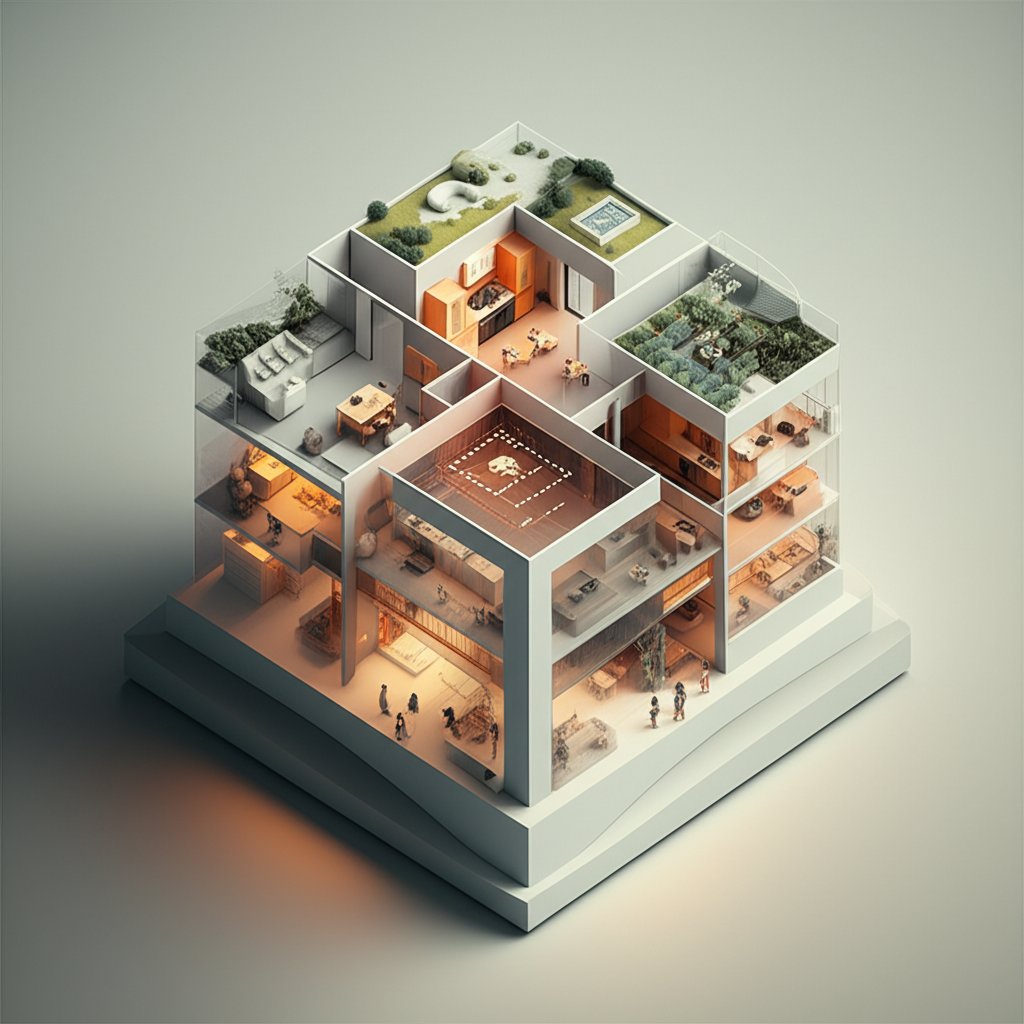
Maximizing storage is paramount in rectangle kitchen design. Clever solutions can transform a cramped space into an organized and efficient one.
- Vertical Storage: Utilize tall cabinets and pantry units to maximize vertical space. Consider pull-out shelves and drawers for easy access to items stored at the back of the cabinet.
- Wall Cabinets: Install wall cabinets that reach the ceiling to provide additional storage. Consider glass-front cabinets or open shelving to create a sense of airiness. Standard depth is 12”.
- Under-Cabinet Lighting: Install under-cabinet lighting to illuminate countertops and create a more spacious feel.
- Roll-Out Carts: Incorporate roll-out carts for additional storage and workspace. These can be easily moved around the kitchen as needed.
- Pot Racks: Hang a pot rack from the ceiling or wall to free up cabinet space and add a touch of visual interest.
- Consider hidden storage Consider adding hidden storage solutions, such as drawers built into the toe-kick of your cabinets.
Visual Tricks: Color, Lighting, and Materials
Strategic use of color, lighting, and materials can significantly impact the perceived size and atmosphere of a rectangle kitchen.
- Light Colors: Opt for light and neutral colors on walls, cabinets, and countertops to create a brighter and more spacious feel. Example: Using white or light gray cabinets with a light-colored countertop can make the kitchen feel larger.
- Accent Colors: Add pops of color with accessories, backsplash tiles, or accent walls to prevent the space from feeling sterile. Example: A colorful backsplash can add personality to a white kitchen without overwhelming the space.
- Natural Light: Maximize natural light by keeping windows unobstructed and using sheer curtains or blinds.
- Artificial Lighting: Layer artificial lighting to create a warm and inviting atmosphere. Use a combination of overhead lighting, task lighting, and accent lighting.
- Reflective Surfaces: Incorporate reflective surfaces, such as stainless steel appliances, glossy tiles, and mirrors, to bounce light around the room and create a sense of depth.
- Narrow spaces Applying a lighter color at the end of the kitchen can make the space feel larger and longer.
Walkways and Traffic Flow

Maintaining adequate walkways is crucial in rectangle kitchen design. Cramped walkways can make the kitchen feel claustrophobic and impede movement.
- Minimum Walkway Width: Aim for a minimum walkway width of 36 inches, with 42-48 inches being ideal, especially in kitchens with multiple cooks.
- Island Considerations: If you include an island, allow for at least 24-48 inches of walking space around it.
- Appliance Placement: Ensure that appliance doors can be opened without obstructing walkways.
- Clear Pathways: Keep pathways clear of clutter and obstacles to facilitate easy movement.
Practical Playbook: Implementing Your Rectangle Kitchen Design
Here’s a step-by-step guide to translating these principles into action:
- Measure and Map: Accurately measure your kitchen’s dimensions. Create a detailed floor plan, noting the location of windows, doors, and plumbing.
- Define Needs: Determine your priorities. How many cooks will be using the kitchen? What type of cooking do you do most often? How much storage do you need?
- Choose a Layout: Based on your kitchen’s dimensions and your needs, select the most suitable layout option (galley, one-wall, L-shaped, or U-shaped).
- Optimize the Work Triangle: Strategically place the sink, refrigerator, and stove to minimize travel distance and create an efficient workflow.
- Plan Storage: Maximize storage by incorporating vertical solutions, wall cabinets, and clever organizers.
- Select Colors and Materials: Choose light and neutral colors for walls and cabinets, and add pops of color with accessories.
- Plan Lighting: Layer artificial lighting to create a warm and inviting atmosphere.
- Assess Walkways: Ensure that walkways are wide enough to accommodate comfortable movement.
- Refine and Finalize: Review your plan carefully and make any necessary adjustments before starting construction.
Quick Answers: Common Rectangle Kitchen Design Questions
- Q: Can I have an island in a rectangle kitchen?
- A: It depends on the width of your kitchen. You need at least 36-48 inches of walkway space around the island. If your kitchen is too narrow, a peninsula may be a better option.
- Q: What’s the best flooring for a rectangle kitchen?
- A: Durable and easy-to-clean options like tile, vinyl, or engineered wood are ideal. Choose a light color to brighten the space.
- Q: How can I make my rectangle kitchen feel less cramped?
- A: Use light colors, maximize natural light, incorporate reflective surfaces, and keep walkways clear. Vertical storage solutions can also help.
- Q: What if I have a very small rectangle kitchen?
- A: A one-wall kitchen is often the best solution for very small spaces. Focus on maximizing vertical storage and using multi-functional appliances.
- Q: How do I deal with a window at the end of a narrow kitchen?
- A: Embrace it! Don’t block the window. Consider placing the sink or a small seating area near the window to take advantage of the natural light and view.
Actionable Close: Design Your Dream Rectangle Kitchen
Transforming your rectangle kitchen into a functional and stylish space requires careful planning and attention to detail. By understanding the different layout options, optimizing the work triangle, maximizing storage, and using visual tricks, you can create a kitchen that is both efficient and inviting. Start with a detailed floor plan, define your needs, and implement the strategies outlined above to design your dream rectangle kitchen today.

- Creative Bathroom Mirror Border Ideas for Every Style and Budget - October 11, 2026
- Bathroom Finishes That Handle Moisture and Look Great - October 10, 2026
- Bathroom Materials Selection Offers Quality Fixtures for Home Design Projects - October 9, 2026