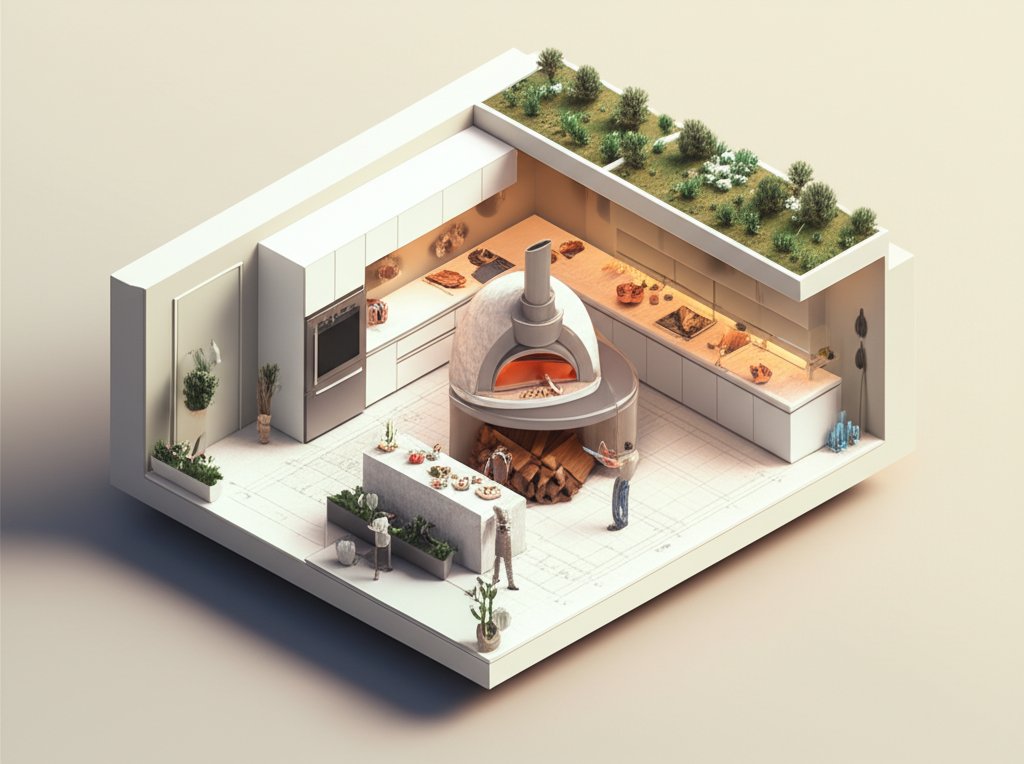
Italian kitchens design is more than just aesthetics; it’s about creating a heart for your home that reflects a passion for food, family, and warmth. From rustic charm to sleek modernity, there’s an Italian kitchen style to capture every taste.
At a glance:
- Italian kitchens emphasize natural light and open floor plans.
- Warm colors and natural materials dominate the design palette.
- Functionality and practicality are key to creating an efficient cooking space.
- Sustainability and minimalism can be incorporated for an eco-friendly or streamlined look.
- Consider key elements like cabinetry, countertops, and backsplashes to achieve your desired style.
What Makes Italian Kitchens Design Unique?
Italian kitchens are not just about looks; they embody a lifestyle. They prioritize functionality, creating a space where cooking is a joy, and gathering is inevitable. It’s a design philosophy rooted in the importance of food and family. While certain features aren’t exclusively Italian, they are consistently emphasized.
- Openness and Light: The flow between the kitchen and other living spaces is seamless, promoting interaction. Large windows and strategic lighting amplify the natural light.
- Natural Materials: Think stone, wood, and terracotta – materials that evoke the warmth of the Italian countryside.
- Warm Color Palettes: Earthy tones like terracotta, ochre, and olive green are commonly used, creating a cozy and inviting atmosphere.
- Emphasis on Freshness: Reflecting the importance of fresh ingredients in Italian cooking, the kitchens often feel airy and clean.
Key Elements of Italian Kitchen Design
Let’s break down the core components that contribute to the distinct characteristics of italian kitchens design.
Cabinetry: The Foundation of Your Italian Kitchen
Cabinets are the workhorses of any kitchen, and in Italian design, they’re both functional and beautiful. Explore Italian kitchen cabinets to see the variety of options available.
- Materials: Wood (especially cherry, walnut, and oak) is a classic choice, often with a natural or stained finish. Painted cabinets, particularly in cream or white, are also popular for a brighter look.
- Styles: Options range from traditional raised-panel doors to sleek, modern flat-front designs. Consider glass-front cabinets to display your favorite cookware and dishes.
- Hardware: Opt for classic pulls and knobs in materials like bronze, brass, or wrought iron to complement the overall style.
Countertops: Where Function Meets Beauty
Your countertops need to be durable and visually appealing.
- Materials: Marble is a luxurious choice that adds a touch of elegance. Granite offers durability and a wide range of colors and patterns. Consider concrete for a modern, industrial-chic vibe.
- Edge Profiles: Choose an edge profile that complements your cabinet style. A simple, straight edge is ideal for modern kitchens, while a more ornate edge suits traditional designs.
Backsplashes: Adding Personality and Protection
A backsplash is an opportunity to add personality and protect your walls from splashes and spills.
- Materials: Tile is a popular choice, with options ranging from classic subway tile to intricate mosaics. Natural stone, such as travertine or marble, adds a touch of sophistication.
- Patterns: Consider a classic herringbone or subway tile pattern for a timeless look. A bold mosaic can add a pop of color and visual interest.
Appliances: Integrating Functionality
Appliances should seamlessly integrate into the overall design.
- Style: Stainless steel appliances are a versatile choice that complements both traditional and modern kitchens. Panel-ready appliances can be integrated into your cabinetry for a seamless look.
- Functionality: Prioritize high-quality, energy-efficient appliances that will make cooking a breeze. Consider a professional-grade range for serious cooking enthusiasts.
Lighting: Illuminating Your Space
Lighting is crucial for creating a warm and inviting atmosphere.
- Ambient Lighting: Recessed lighting provides overall illumination.
- Task Lighting: Under-cabinet lighting illuminates countertops for food preparation.
- Accent Lighting: Pendant lights above the island or dining area add a touch of style.
Flooring: Grounding Your Design
The right flooring can tie the entire kitchen together.
- Materials: Tile (especially terracotta or ceramic) is a durable and classic choice. Hardwood adds warmth and character. Natural stone creates a luxurious feel.
Italian Kitchen Design Styles: Finding Your Perfect Fit
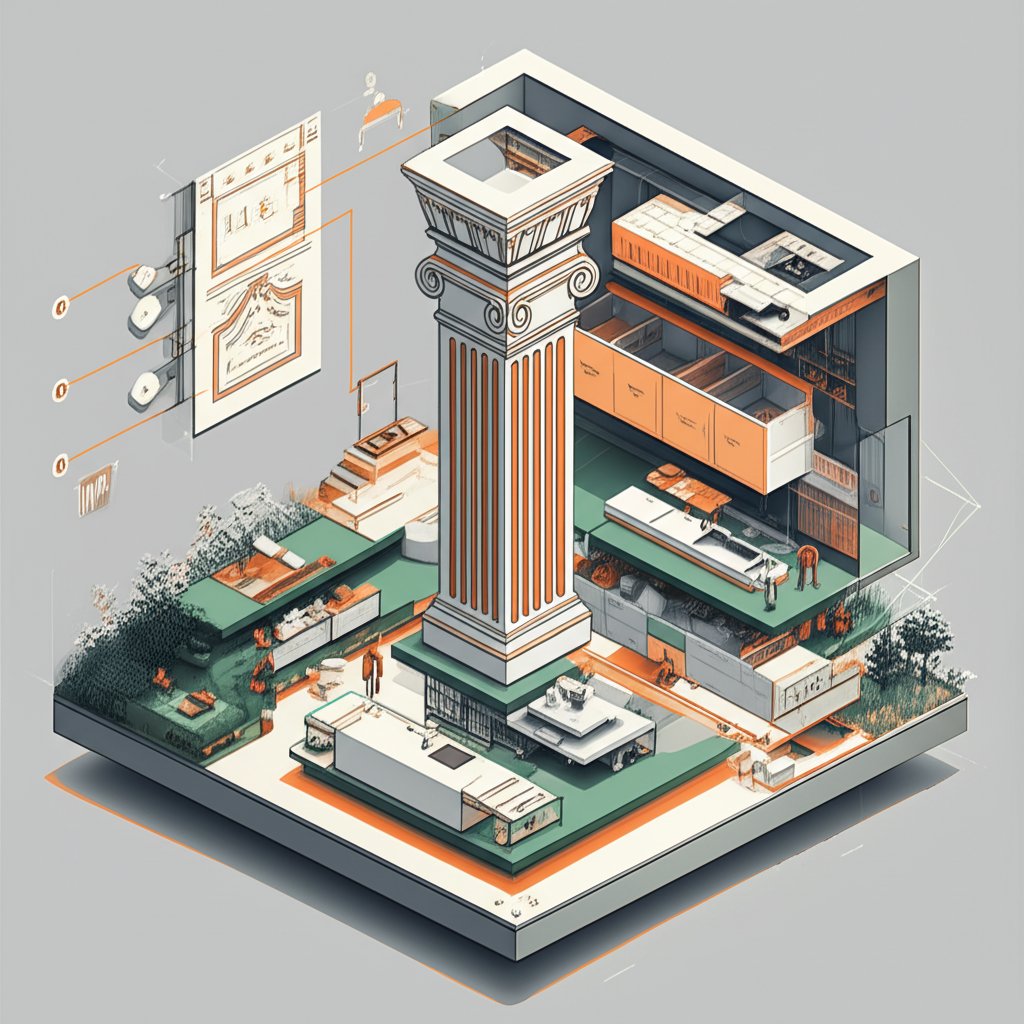
Italian kitchens aren’t a monolith. Here are a few popular styles that capture different aspects of Italian design.
Rustic Italian Kitchens: Embracing Charm and Warmth
Rustic Italian kitchens evoke the charm of a countryside farmhouse.
- Key Features: Exposed beams, natural stone walls, distressed wood cabinets, and a large farmhouse sink.
- Color Palette: Warm, earthy tones like terracotta, ochre, and olive green.
- Tips: Incorporate antique furniture and accessories for a touch of authenticity.
Modern Italian Kitchens: Sleek and Sophisticated
Modern Italian kitchens embrace clean lines, minimalist design, and cutting-edge technology. Explore Modern Italian Kitchens for inspiration.
- Key Features: Flat-front cabinets, stainless steel appliances, sleek countertops, and minimalist hardware.
- Color Palette: Neutral colors like white, gray, and black, with pops of color for visual interest.
- Tips: Integrate smart home technology for added convenience and energy efficiency.
Transitional Italian Kitchens: A Blend of Classic and Contemporary
Transitional Italian kitchens combine the best of both worlds, blending traditional elements with modern touches.
- Key Features: A mix of cabinet styles, granite or quartz countertops, stainless steel appliances, and a neutral color palette.
- Color Palette: A balance of warm and cool tones, such as cream, gray, and beige.
- Tips: Incorporate a statement backsplash or lighting fixture to add personality.
Eco-Friendly Italian Kitchens: Sustainable and Stylish
For the environmentally conscious homeowner, eco-friendly Italian kitchens offer a sustainable and stylish option. This design focuses on environmentally friendly choices.
- Key Features: Sustainable materials, energy-efficient appliances, and smart storage solutions.
- Materials: Bamboo cabinets, recycled glass countertops, and natural fiber rugs.
- Tips: Use low-VOC paints and finishes for a healthier living environment.
Minimalist Italian Kitchens: Simplicity and Functionality
Minimalist Italian kitchens emphasize clean lines, uncluttered surfaces, and a soothing neutral color palette.
- Key Features: Sleek cabinetry, integrated appliances, and minimal decor.
- Color Palette: Neutral colors like white, gray, and beige.
- Tips: Incorporate smart storage solutions to keep everything organized.
Planning Your Italian Kitchen Design: A Step-by-Step Guide
Ready to create your dream Italian kitchen? Here’s a step-by-step guide to help you get started.
- Define Your Style: Determine which Italian kitchen style best suits your taste and lifestyle. Explore Italian Kitchen Design to narrow down your preferences.
- Measure Your Space: Accurately measure your kitchen to determine the dimensions of your cabinets, countertops, and appliances.
- Create a Layout: Design a functional layout that optimizes workflow and maximizes space. Consider the placement of your sink, stove, and refrigerator.
- Choose Your Materials: Select high-quality materials that are both durable and visually appealing. Consider your budget and the overall style of your kitchen.
- Select Your Appliances: Choose energy-efficient appliances that meet your cooking needs. Consider panel-ready appliances for a seamless look.
- Plan Your Lighting: Design a lighting scheme that provides ample illumination for both cooking and ambiance.
- Hire a Professional: Consider hiring a kitchen designer or contractor to help you with the design and installation process.
Budgeting for Your Italian Kitchen Renovation
Renovating a kitchen can be a significant investment. It is good practice to set a budget and stick to it. Here’s a breakdown of the costs you can anticipate.
- Cabinets: Cabinets typically account for a significant portion of the budget. Depending on materials and complexity, expect to spend 30-40% of your total budget on cabinets.
- Countertops: Countertop materials can range from affordable laminate to luxurious marble. Plan to allocate 10-20% of your budget to countertops.
- Appliances: High-end appliances can significantly increase your budget. Set a realistic budget for appliances, considering both functionality and aesthetics.
- Labor: Labor costs can vary depending on the complexity of the project and the location. Get quotes from multiple contractors to ensure you’re getting a fair price.
- Other Expenses: Don’t forget to factor in other expenses such as lighting, flooring, backsplashes, plumbing, and electrical work.
Common Mistakes to Avoid in Italian Kitchens Design
Even with careful planning, some common pitfalls can derail your italian kitchens design project. Keep these in mind:
- Poor Layout: A poorly designed layout can make your kitchen feel cramped and inefficient. Consider the work triangle (sink, stove, refrigerator) to optimize workflow.
- Insufficient Storage: Lack of storage space can lead to clutter and disorganization. Incorporate smart storage solutions such as pull-out shelves and drawer dividers.
- Inadequate Lighting: Poor lighting can make it difficult to see while cooking. Ensure you have adequate ambient, task, and accent lighting.
- Ignoring Ventilation: Proper ventilation is essential for removing smoke, odors, and moisture. Install a high-quality range hood to keep your kitchen clean and fresh.
- Skipping Professional Help: While DIY projects can save money, a professional designer or contractor can help you avoid costly mistakes.
Italian Kitchen Design Ideas: Inspiration for Your Project
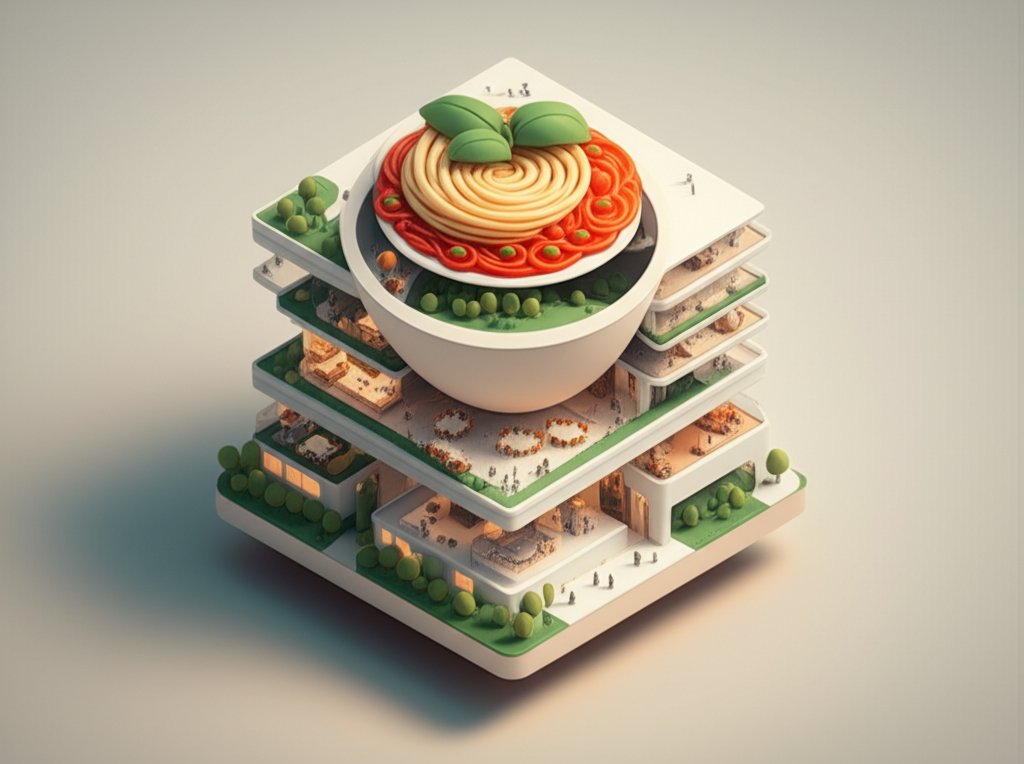
Need some inspiration? Here are some italian kitchens design ideas to get you started: Possible Options: Italian Kitchen Design Ideas.
- Incorporate a Kitchen Island: A kitchen island provides extra counter space, storage, and seating.
- Use Open Shelving: Open shelving is a great way to display your favorite cookware and dishes.
- Add a Pop of Color: A colorful backsplash or accent wall can add personality to your kitchen.
- Incorporate Natural Elements: Bring the outdoors in with natural stone, wood, and plants.
- Create a Cozy Breakfast Nook: A cozy breakfast nook is perfect for enjoying casual meals.
Beyond the Basics: Adding Personal Touches
The beauty of italian kitchens design lies in the ability to personalize it to your unique taste. Consider these additions:
- Display Copper Cookware: Hang copper pots and pans for a touch of rustic charm.
- Incorporate a Wine Rack: Display and store your favorite wines in a stylish wine rack.
- Add an Herb Garden: Grow your own herbs in a window box or on a countertop.
- Hang Artwork: Add personality with paintings, prints, or photographs.
- Display Family Heirlooms: Showcase cherished family heirlooms to add a personal touch.
Frequently Asked Questions About Italian Kitchens Design
- What are the main characteristics of Italian kitchens? Italian kitchens emphasize natural light, open floor plans, warm colors, and natural materials. Explore Italian Kitchen Designs for more inspiration. They also prioritize functionality and creating a welcoming space for cooking and gathering.
- How can I create a modern Italian kitchen? Focus on clean lines, minimalist design, stainless steel appliances, and a neutral color palette.
- What are some popular countertop materials for Italian kitchens? Marble, granite, and concrete are all popular choices.
- What colors are typically used in Italian kitchens? Warm, earthy tones like terracotta, ochre, and olive green are common, as well as neutral colors like white, cream, and gray.
- Where can I find Italian Kitchen Design Inspiration? You can find inspiration in design magazines, online resources, and by visiting kitchen showrooms. Italian Kitchen Design Inspiration is a great place to start.
- Are there specific cabinet styles for italian kitchens? Styles range from traditional raised-panel doors to sleek, modern flat-front designs. Painted cabinets, particularly in cream or white, are also popular. Wood is a classic choice, often with a natural or stained finish.
Bringing Your Italian Kitchen Dreams to Life
Creating your dream italian kitchens design requires careful planning, attention to detail, and a willingness to embrace the warmth and functionality that define this style. Whether you’re starting from scratch with New Build Kitchen Design Ideas or renovating an existing space, remember to prioritize your needs and preferences, and don’t be afraid to add your personal touch. By following the tips and guidelines outlined in this article, you can create a beautiful and functional kitchen that is both stylish and inviting. Don’t forget to Explore Italian Kitchen Designs if you are looking for inspiration for a high-end project. Finally, when considering Explore modern Italian kitchens, remember to balance modern aesthetics with the warmth and inviting atmosphere that defines the heart of Italian design.

- DIY Bathroom Mirror Frame Designs on a Budget - October 12, 2026
- Creative Bathroom Mirror Border Ideas for Every Style and Budget - October 11, 2026
- Bathroom Finishes That Handle Moisture and Look Great - October 10, 2026