For the bigger picture and full context, make sure you read our main guide on White Kitchen With Butcher Block Countertops: A Warm, Inviting Design.
Is your modern kitchen feeling a little cold? White cabinets exude sleekness, but sometimes the space needs a touch of warmth and character. A butcher block countertop is an ideal solution, balancing contemporary design with natural textures. It’s a look that’s both stylish and practical, turning your kitchen into a welcoming heart of the home.
At a glance:
- Discover how butcher block countertops soften the starkness of white cabinets in a modern kitchen.
- Learn to select the right wood type and finish to complement your specific style.
- Get practical tips on maintaining your butcher block to keep it looking its best.
- See how to incorporate butcher block on islands, peninsulas, or as full countertop replacements.
- Understand the cost considerations and compare butcher block with other countertop materials.
Why Butcher Block and White Cabinets are a Perfect Match in a Modern Kitchen
The contrast between crisp white cabinets and the warm, organic tones of butcher block is visually striking. It’s a design principle that works because it balances two essential elements: clean modernity and natural appeal. The white provides a bright, airy backdrop, allowing the butcher block to become a focal point, showcasing its unique grain patterns and character. This combination creates a kitchen that is both stylishly modern and incredibly inviting.
Butcher block is more than just aesthetically pleasing. It’s a practical choice. It provides a durable surface for food preparation, and with proper care, it can last for years. Plus, unlike some countertop materials, minor scratches and dings can often be sanded out and the surface re-oiled, restoring its beauty.
Choosing the Right Butcher Block for a Modern Aesthetic
Selecting the right butcher block for your modern kitchen involves considering several factors: wood species, grain orientation, edge style, and finish.
1. Wood Species:
- Hard Maple: A classic choice, known for its durability and light color. It provides a clean, modern look.
- Walnut: Offers a richer, darker tone that creates a sophisticated contrast with white cabinets. It adds a touch of elegance to a modern space.
- White Oak: A versatile option with a beautiful grain pattern and a light to medium tone. It’s more durable than other hardwoods and can maintain its beauty over many years.
- Cherry: Brings a warm, reddish hue that can add depth and character to a modern kitchen. Keep in mind that cherry wood darkens over time.
2. Grain Orientation: - Edge Grain: Durable and provides a linear look, often used for countertops that will see heavy use. It’s created by showcasing the edges of the wood planks.
- Face Grain (or Flat Grain): Offers a wider, more decorative grain pattern. It’s less expensive but also less durable than edge grain.
- End Grain: The most durable option, showcasing the ends of the wood pieces. It’s often used for cutting boards and butcher blocks that will be used for chopping. End grain surfaces tend to be more expensive since they require a larger amount of material, as well as more labor.
3. Edge Style: - Square Edge: Provides a clean, modern look that complements sleek white cabinets.
- Beveled Edge: Adds a subtle detail without being too traditional.
- Rounded Edge: Softens the look and provides a comfortable surface to lean against.
4. Finish: - Food-Safe Mineral Oil: A classic choice that’s easy to apply and maintain. It provides a natural look and allows the wood to breathe.
- Waterlox: A waterproof sealant that provides excellent protection against moisture and stains. It offers a more durable finish than mineral oil.
- Polyurethane: Provides a durable, water-resistant finish but isn’t food safe. It’s best used on butcher block islands or peninsulas that won’t be used for food preparation.
Choosing wood that complements the white in your kitchen can make or break your design. Remember to consider the color temperature of your white cabinets. Cool whites pair well with lighter woods like maple, while warmer whites benefit from the contrast of darker woods like walnut.
Butcher Block in Action: Design Ideas for Modern Kitchens
Butcher block isn’t just for countertops. Here are some ways to incorporate it into your modern kitchen:
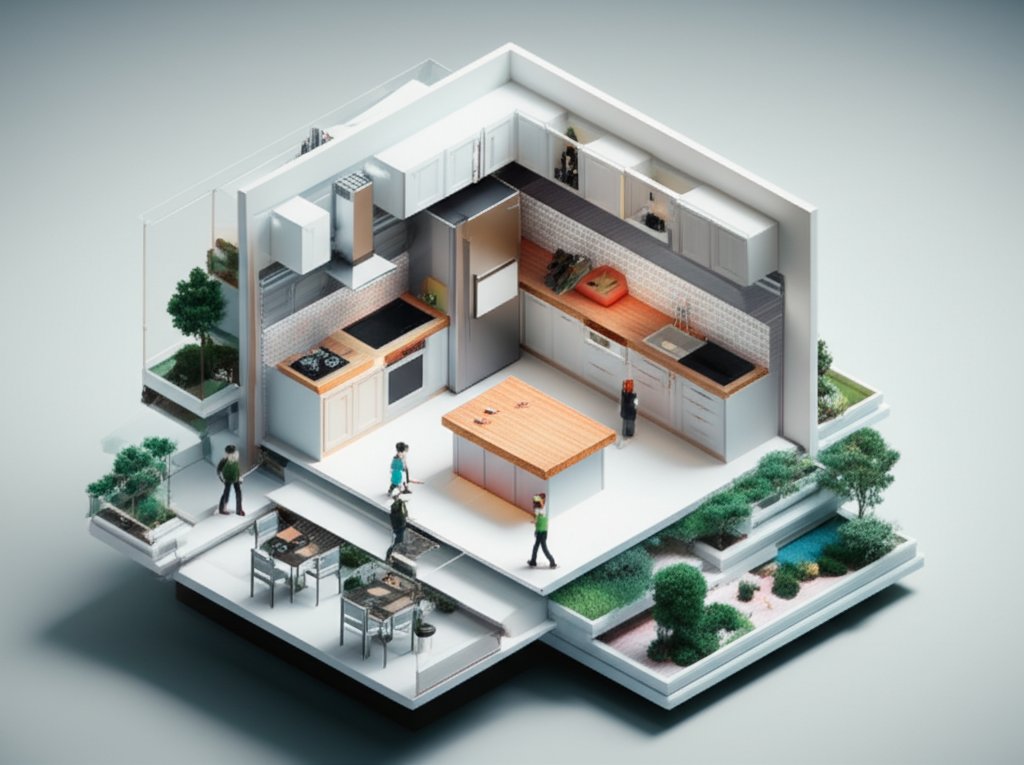
- Kitchen Island: A butcher block island creates a focal point and provides extra workspace. Consider a contrasting wood species to make it stand out. One option is a white island with a walnut butcher block top and black accents.
- Peninsula: A butcher block peninsula extends your counter space and provides a place for casual dining.
- Open Shelving: Butcher block shelves add warmth and texture to open shelving units.
- Backsplash: While less common, a butcher block backsplash can create a unique and stylish statement.
- Mobile Cart: Incorporate a mobile cart with a butcher block top to increase surface area while still being able to stow away when not needed.
Consider a minimalist modern approach using hardware-free white cabinets, a marble backsplash, and a solid butcher block island to create a rustic feel. Here are a few options, prioritizing naturalness and contextual appropriateness: * Butcher Block Countertop Guide * White Kitchen Design Ideas * Warm Kitchen Design Guide * White Kitchen Inspiration * Explore Butcher Block Counters.
Maintaining Your Modern Butcher Block Kitchen
Proper maintenance is crucial to keeping your butcher block looking its best. Here’s a simple routine:
- Clean Regularly: Wipe up spills immediately with a damp cloth and mild soap.
- Sanitize: Disinfect the surface with a solution of white vinegar and water.
- Oil Frequently: Apply food-safe mineral oil every few weeks, or as needed, to keep the wood hydrated and prevent cracking.
- Condition: Utilize beeswax or a butcher block conditioner every month or two ensure the longevity and the wood’s original beauty.
- Address Scratches: Sand down minor scratches and re-oil the surface.
- Avoid Harsh Chemicals: Don’t use bleach or abrasive cleaners, as they can damage the wood.
- Protect from Heat: Use trivets and cutting boards to protect the surface from hot pots and pans.
Case Snippet: A homeowner noticed their butcher block island top was starting to look dry and cracked. They lightly sanded the surface, applied several coats of mineral oil over a few days, and the butcher block looked as good as new.
Cost Considerations: Budgeting for Butcher Block
Butcher block countertops are generally more affordable than materials like granite or quartz, but the cost can vary depending on the wood species, grain orientation, and thickness.
- Hard Maple: Typically the most affordable option.
- White Oak: Mid-range in terms of cost and durability.
- Walnut and Cherry: Generally the most expensive options.
Installation costs can also vary depending on whether you hire a professional or install the butcher block yourself. DIY installation can save money, but it requires some carpentry skills.
Quick Cost Comparison (Estimates):
| Material | Cost per Square Foot (Installed) |
|—————–|———————————–|
| Butcher Block | $50 – $150 |
| Granite | $75 – $200 |
| Quartz | $75 – $200 |
| Laminate | $20 – $50 |
Modern Butcher Block Kitchen: Frequently Asked Questions
- Q: Is butcher block sanitary?
- A: Yes, when properly maintained. Regular cleaning and oiling prevent bacteria growth.
- Q: Can I cut directly on a butcher block countertop?
- A: Yes, that’s the beauty of it! However, using cutting boards can help minimize scratches and extend the life of your countertop.
- Q: Will butcher block stain easily?
- A: It can, especially if not properly sealed. Wipe up spills immediately and use a quality sealant to protect the surface.
- Q: How often should I oil my butcher block?
- A: It depends on usage and climate. As a general guide, oil every few weeks, or when the wood starts to look dry.
- Q: Can I use butcher block around the sink?
- A: Yes, but it requires extra care. Use a waterproof sealant and wipe up any water spills immediately to prevent damage.
Your Modern Butcher Block Kitchen Playbook: A Quick Start
Ready to incorporate butcher block into your modern white kitchen? Follow these steps:
- Measure: Accurately measure the countertop or island space where you plan to install the butcher block.
- Choose Your Wood: Select a wood species and grain orientation that complements your kitchen style and budget.
- Select a Finish: Opt for a food-safe finish like mineral oil or Waterlox.
- Install: Hire a professional or tackle the installation yourself if you have the necessary skills.
- Maintain: Clean, sanitize, and oil your butcher block regularly to keep it looking its best.
By carefully selecting the right wood, finish, and design elements, you can create a modern butcher block kitchen that’s both stylish and functional. It’s an investment in warmth, character, and a welcoming atmosphere.

- DIY Bathroom Mirror Frame Designs on a Budget - October 12, 2026
- Creative Bathroom Mirror Border Ideas for Every Style and Budget - October 11, 2026
- Bathroom Finishes That Handle Moisture and Look Great - October 10, 2026