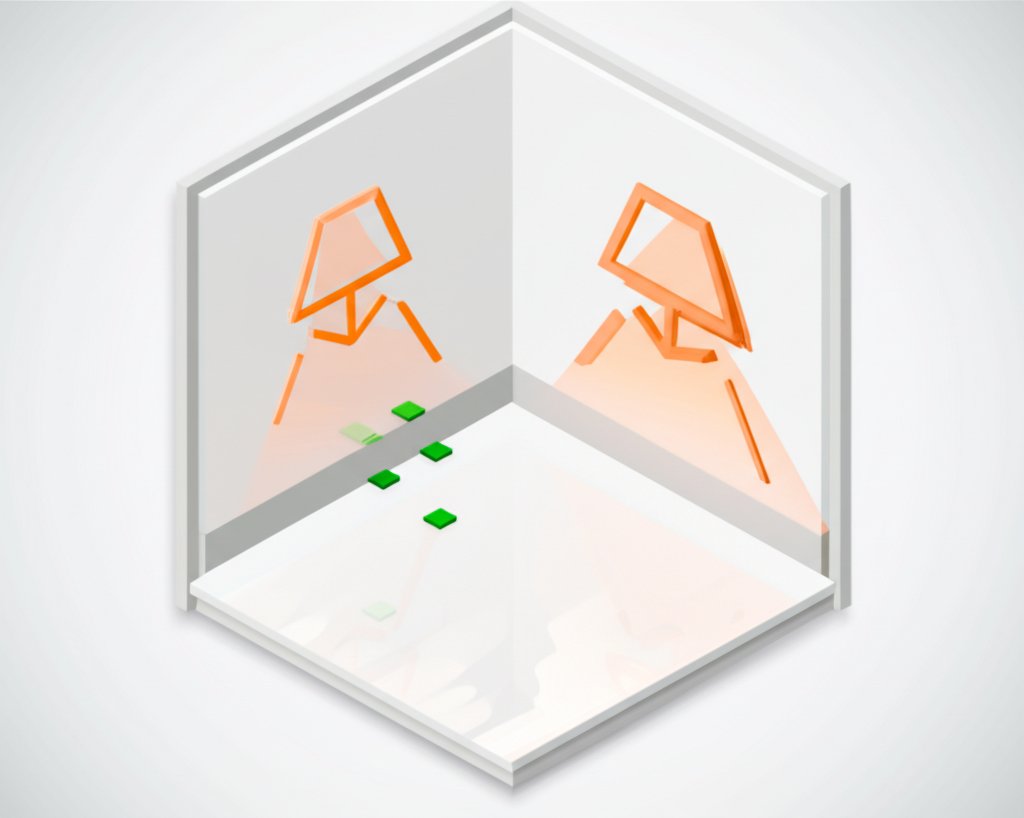
That long, narrow hallway. For many of us, it’s a purely functional space—a corridor we pass through without a second thought. But with the right approach, this transitional area can be so much more. Thoughtful hall wall lighting is the secret to transforming a dark, uninspired passageway into a stylish and welcoming part of your home’s story. It’s about more than just seeing where you’re going; it’s about setting a mood, showcasing personality, and making every square foot count.
Forget that single, lonely ceiling light. We’re going to explore how layers of light, particularly from wall fixtures, can add depth, drama, and dimension to any hallway, long or short, wide or narrow.
At a Glance: Your Hallway Lighting Cheat Sheet
Short on time? Here are the key takeaways for upgrading your hallway lighting:
- Function First, Style Second: Hallway lighting must first ensure safe passage. After that, it’s all about enhancing your home’s aesthetic.
- Wall Sconces Are a Game-Changer: They are the most versatile and impactful type of hall wall lighting, offering ambient, task, and accent light.
- Mind the Direction: The way a fixture casts light matters. Uplights make ceilings feel higher, downlights illuminate the path, and mixed-direction lights do both.
- Spacing Is Everything: For a consistent, gallery-like feel in a long hallway, plan to space wall fixtures about 8 to 10 feet apart.
- Layering Creates Depth: Don’t rely on a single light source. Combining wall lights with a subtle ceiling fixture or recessed lighting creates a richer, more professional effect.
Why Your Hallway Lighting Deserves a Second Look
We often pour our design energy into the living room or kitchen, leaving hallways as an afterthought. But these corridors connect our living spaces, and their design (or lack thereof) subtly influences how we feel moving through our home. Poor lighting can make a hallway feel like a cramped tunnel, while strategic lighting can make it feel open, intentional, and inviting.
Effective hall lighting plays three critical roles:
- Safety and Navigation: This is the baseline. You need enough light to move around safely, especially at night, without fumbling for switches or tripping over a misplaced shoe.
- Ambiance and Mood: Is your home’s vibe cozy and traditional, or sleek and modern? The warmth and style of your lighting fixtures should reflect that. A soft glow is welcoming; harsh, cold light is clinical.
- Architectural and Decorative Flair: Wall lights are functional jewelry for your home. They can break up a long, monotonous wall, highlight architectural details, or illuminate artwork, turning a simple passage into a personal gallery.
The Workhorse of Hallways: Wall Sconces Explained
When you think of hall wall lighting, the first thing that should come to mind is the sconce. Unmatched in versatility, wall sconces add a layer of light at human height, making a space feel more intimate and complete. They draw the eye, add a sculptural element, and provide illumination without taking up any floor space.
But not all sconces are created equal. Their function is defined by the direction of their light.
The Three Directions of Light: Up, Down, and All Around
Understanding how a sconce projects light is the key to achieving your desired effect.
Uplight Sconces
As the name suggests, these fixtures direct their beam upward toward the ceiling. This creates a soft, diffuse glow that reflects back into the room.
- Best for: Making low ceilings feel higher and adding gentle, ambient illumination. They’re an excellent choice for pairing with existing ceiling lights, as they fill the middle plane of the room with a warm light that overhead fixtures can’t replicate.
- The Vibe: Elegant, subtle, and airy.
Downlight Sconces
These direct their light downward, casting pools of illumination on the wall and floor. - Best for: Task-oriented lighting and creating visual interest. A downlight is perfect for washing a wall with texture, highlighting a piece of art below it, or eliminating shadows in key areas like front entryways. They are practical, guiding your path clearly.
- The Vibe: Dramatic, focused, and modern.
Mixed and Ambient Sconces
Many designs diffuse light in multiple directions—up, down, and out to the sides. These are often shaded with glass, fabric, or other materials to soften the bulb’s glare. - Best for: All-in-one general lighting. These fixtures serve as both ambient and task lighting, providing a balanced, room-filling glow. They are the most common choice for all-purpose hallway illumination.
- The Vibe: Versatile, classic, and welcoming.
How Sconces Shape Your Hallway’s Style
The fixture itself is as important as the light it casts. Wall sconces are a fantastic way to introduce or reinforce your home’s design language.
- Contemporary & Minimalist: Look for clean lines, geometric shapes, and industrial-inspired finishes like matte black, chrome, or brushed brass. Designers often focus on the form of the fixture itself, making it a piece of sculptural art. Brands like Kuzco Lighting and Modern Forms are masters of this look, often integrating energy-efficient LED technology. To see how these sleek designs can redefine a space, you can Explore modern sconce lighting and its various forms.
- Traditional & Classic: Think elegant details, warm finishes like bronze or antique brass, and classic materials like candelabra-style arms or fabric shades. These sconces add a touch of timeless grace and sophistication. Look to brands like Hinkley Lighting for beautiful, enduring designs.
- Mid-Century Modern: Characterized by organic shapes, starburst patterns, and a playful mix of wood and metal, these sconces are statement pieces. They often feature opal glass globes and Sputnik-style arms, echoing the iconic designs of the 1950s and ’60s. Jonathan Adler is a contemporary designer who brilliantly captures this retro-chic spirit.
- Unique & Artistic: Some sconces defy categorization. Bold, sculptural pieces, like some of the work by Sandro Santantonio for AXO Light, serve as both a light source and a focal point of intrigue. If your hallway feels bland, a single artistic sconce can inject a powerful dose of personality.
Beyond Sconces: Layering with Other Fixtures
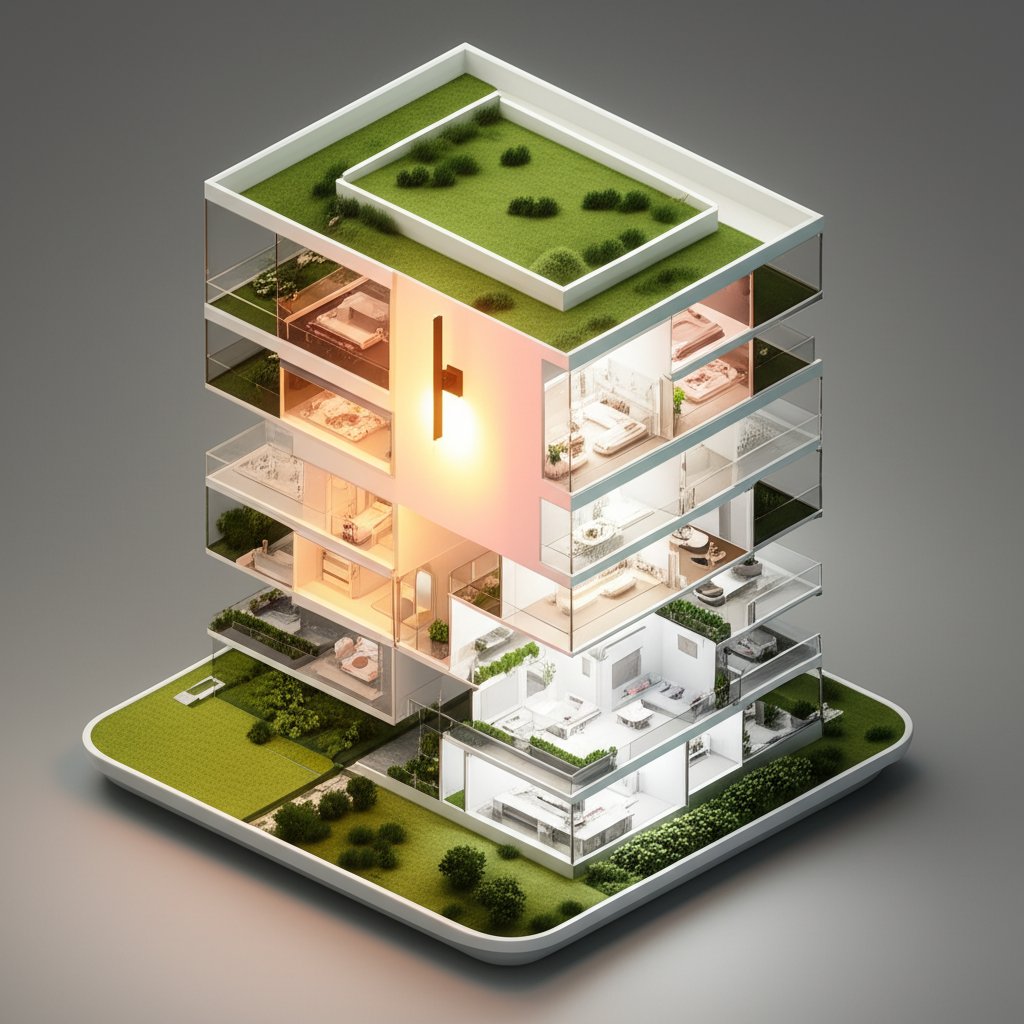
While wall sconces are a fantastic foundation, the best-lit hallways often use a combination of light sources. This technique, called “layering,” creates a balanced and visually interesting environment.
Flush Mount Ceiling Lights: The Low-Ceiling Hero
If you have standard 8-foot (or lower) ceilings, a dangling fixture is impractical. Flush mount lights sit directly against the ceiling, providing broad, ambient light without posing a hazard. They are a smart, space-saving choice. In a long hallway, a series of stylish flush mounts can create a beautiful rhythm, especially when paired with complementary wall sconces.
Pendants and Mini-Chandeliers: For Grand Entrances
Got a taller ceiling or a wider foyer-style hallway? This is your chance to make a statement. A single, beautiful pendant light or a small-scale chandelier can serve as a stunning focal point, especially over an entryway or at the intersection of two hallways. It draws the eye upward and declares the space as more than just a corridor.
Recessed Lighting: The Minimalist’s Choice
For an ultra-clean, modern look, recessed lights (or “can lights”) are hard to beat. Installed directly into the ceiling, they provide a clean wash of downlight. While they can feel a bit stark on their own, they work beautifully in concert with wall sconces. Use the recessed lights for general, ambient illumination and the sconces for warmer, more decorative light at eye level.
Your Practical Guide to Choosing and Placing Hall Lights
Ready to make a change? Follow this step-by-step process to select and install your hall wall lighting with confidence.
Step 1: Define Your Hallway’s Function and Style
Before you even look at a fixture, look at your hallway. Is it a long, narrow “bowling alley”? Is it a grand foyer? Is there art on the walls you want to feature?
Your lighting plan should support the hallway’s purpose. If it’s the main artery of your home, prioritize bright, even light. If it’s a short connector, you can afford to be more dramatic and moody. Match the fixture style to your home’s existing decor for a cohesive look.
Step 2: Get the Measurements Right
Scale and placement are crucial. A light that’s too big can overwhelm a narrow hall, while one that’s too small will look lost.
- Height: A common rule of thumb is to mount wall sconces roughly 60 to 66 inches (about 1.5 to 1.7 meters) up from the finished floor. This places the light source at a comfortable eye level, preventing glare. In a hallway with very high ceilings (10+ feet), you can go slightly higher, up to 72 inches.
- Spacing: To achieve consistent illumination in a long hallway, space your sconces about 8 to 10 feet apart. Stagger them on opposite walls for a balanced, dynamic look. Avoid placing them too close together, which can create distracting “hot spots” of light.
- Projection (Depth): This is how far the fixture sticks out from the wall. In a narrow hallway (less than 4 feet wide), choose low-profile or ADA-compliant sconces that project 4 inches or less to avoid them being knocked into.
Step 3: Decode Brightness and Color Temperature
This is where things can get technical, but the concepts are simple.
Lumens (Brightness): Forget watts—that just measures energy use. Lumens measure the actual amount of light a bulb produces. For general ambient lighting in a hallway, aim for 10-20 lumens per square foot.
Quick Example: For a hallway that is 4 feet wide and 15 feet long (60 sq ft), you’d want a total of 600-1200 lumens. You could achieve this with two 450-lumen sconces and a small 300-lumen ceiling fixture.
Color Temperature (Warmth/Coolness): Measured in Kelvin (K), this determines the color of the light.
- 2700K – 3000K (Warm White): This is the cozy, yellowish glow of a traditional incandescent bulb. It’s inviting and relaxing, making it the most popular choice for homes.
- 3500K – 4000K (Neutral/Cool White): A crisp, white light that feels more modern and energetic. It’s great for showcasing art accurately but can feel a bit sterile if it’s the only light source.
- 5000K+ (Daylight): A very blue-white light that mimics daylight. It’s generally too harsh and clinical for a residential hallway.
For most hallways, sticking to the 2700K-3000K range is a safe and beautiful bet.
Step 4: Choose Your Finish
Coordinate the finish of your light fixtures with other hardware in and around the hallway, like doorknobs, hinges, or nearby cabinet pulls. This creates a polished, intentional look. Matte black, brushed brass, polished nickel, and aged bronze are all popular and versatile choices.
Common Hall Lighting Questions, Answered
Q: Should all my hallway lights match?
Not necessarily! A “collected” or coordinated look is often more interesting than a perfectly matched set. As long as the fixtures share a common element—like finish, shape, or style—they will look cohesive. For example, you could pair brass sconces with a ceiling fixture that has subtle brass accents.
Q: Are LED lights a good choice for hallways?
Absolutely. Integrated LED fixtures or LED bulbs are the best choice for hallways. They are incredibly energy-efficient (saving you money on bills) and have extremely long lifespans, meaning you won’t be dragging out a ladder to change a bulb in a hard-to-reach spot for years, or even decades.
Q: Can I use dimmer switches in a hallway?
Yes, and you should! A dimmer is one of the most effective and affordable upgrades you can make. It allows you to have bright, clear light when needed (like when bringing in groceries) and a soft, ambient glow in the evening or for navigating at night without waking the whole house. Just ensure your fixture and bulbs are “dimmable.”
Q: How do I light a hallway with no windows?
For a windowless hallway, layering light is non-negotiable. Start with a good ambient layer from flush mounts or recessed lights. Then, add wall sconces to bring the light down to a human level and eliminate the “cave” effect. You can also use a design trick: place a mirror at the end of the hall to bounce light around and create an illusion of more space.
From Plan to Perfect Illumination
Your hallway isn’t just a path from A to B; it’s the spine of your home. It deserves to be treated with the same care and attention as any other room. By focusing on layered, purposeful hall wall lighting, you can elevate this simple space into a bright, stylish, and welcoming experience.
Start by walking through your own hallway. Where are the dark corners? Where could a pool of light create a beautiful moment? Imagine a warm glow from a chic sconce replacing the harsh glare from a single overhead bulb.
The transformation doesn’t have to be complicated. With a clear plan—considering style, function, placement, and the right level of brightness—you can create a passage that not only connects your rooms but also connects with your sense of home.

- DIY Bathroom Mirror Frame Designs on a Budget - October 12, 2026
- Creative Bathroom Mirror Border Ideas for Every Style and Budget - October 11, 2026
- Bathroom Finishes That Handle Moisture and Look Great - October 10, 2026