You’ve finally painted the walls the perfect shade of greige, but the old, polished brass chandelier now sticks out like a sore thumb. Choosing new fixtures feels overwhelming, but the understated, soft glow of brushed nickel lighting keeps catching your eye. It’s a finish that promises modernity without being cold, and classic appeal without feeling dated—a true chameleon for home decor.
But how do you make it work? How do you pair it with your existing hardware, choose the right bulb temperature, and layer it to create a room that feels both cohesive and professionally designed? It’s about moving beyond just picking a fixture and learning to wield the finish itself.
At a Glance: Your Quick Guide to Mastering Brushed Nickel
- Understand the “Why”: Learn why brushed nickel’s subtle warmth makes it a bridge between cool tones (like chrome) and warm tones (like brass).
- Master Mixed Metals: Get clear, simple rules for pairing brushed nickel lighting with other finishes like matte black, chrome, and even gold.
- Light Temperature Matters: Discover how the Kelvin temperature of your light bulbs can dramatically change the look of your brushed nickel fixtures.
- Layer for Impact: Follow a practical, step-by-step guide to layering ambient, task, and accent lighting for a complete and functional design.
- Avoid Common Pitfalls: Sidestep frequent mistakes, such as clashing undertones or choosing the wrong scale for your space.
The Secret to Brushed Nickel’s Timeless Appeal
Before you start shopping, it’s crucial to understand what makes brushed nickel so uniquely versatile. Unlike its shinier cousin, polished nickel, or the cooler, more industrial feel of chrome, brushed nickel has a soft, matte finish achieved by treating the metal with a wire brush. This process etches fine, parallel lines into the surface, which diffuses light rather than reflecting it.
The result is a finish with a subtle golden or brownish undertone. This hint of warmth is its superpower. It allows brushed nickel lighting to feel at home in a cool, minimalist space filled with grays and whites, yet equally comfortable in a warmer, transitional room with beige and wood tones. It doesn’t demand attention; it complements its surroundings.
For a comprehensive overview of how this fits into a larger design strategy, our Modern Brushed Nickel Guide provides a fantastic framework for selecting fixtures. Here, we’ll dive deeper into the practical application—making it work room by room.
How to Confidently Mix Brushed Nickel with Other Finishes

The number one question homeowners have is, “Can I mix brushed nickel with my existing hardware?” The answer is a resounding yes, but with a few simple guidelines. The key is to be intentional, creating a curated look rather than a chaotic one.
The “One Dominant, One Accent” Rule
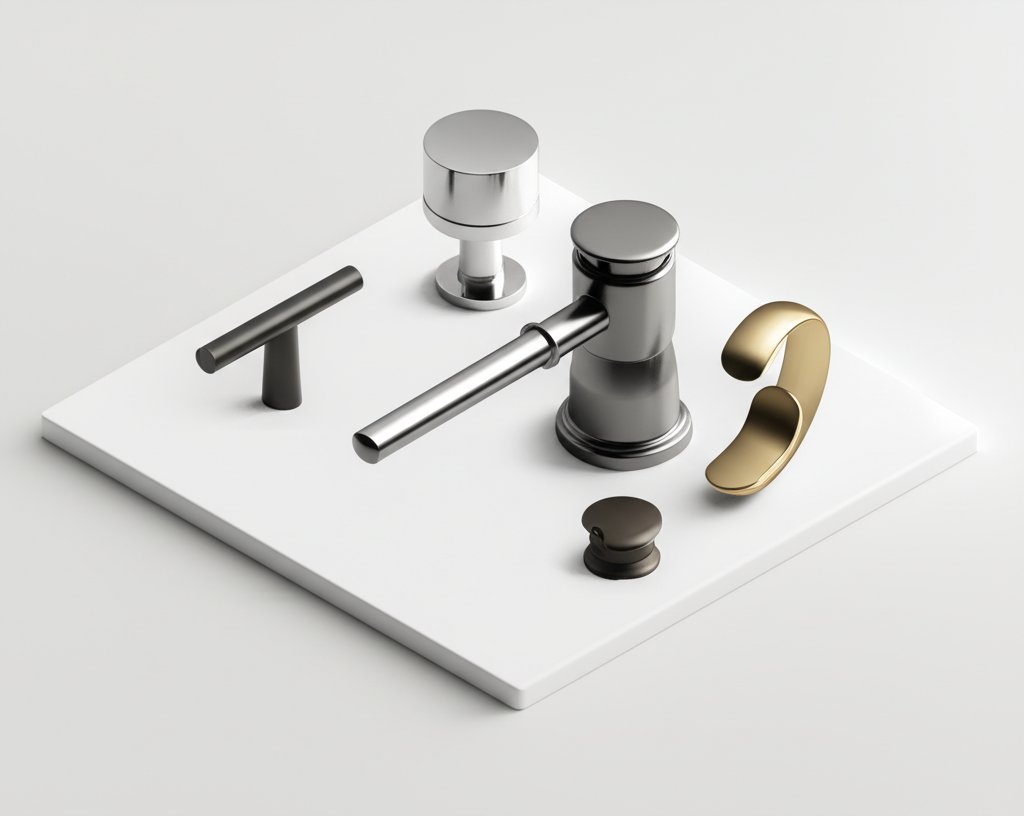
The easiest way to mix metals is to choose one primary finish for the room and a secondary one for accents. If your faucets and cabinet pulls are already brushed nickel, you can confidently introduce matte black or oil-rubbed bronze in your lighting fixtures to create a sophisticated contrast.
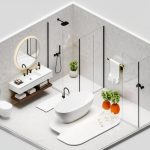
- Mini Case Snippet: The Bathroom Update. A client’s bathroom featured all brushed nickel fixtures—faucet, towel bars, and shower head. The space felt a bit one-dimensional. By simply swapping the over-mirror vanity light for a matte black fixture, we introduced a modern, graphic element that made the existing brushed nickel feel more deliberate and high-end.
Smart Pairings for a Cohesive Look
Some combinations work more harmoniously than others. Use this table as a quick reference for creating a balanced palette.
| If Your Primary Finish Is… | Excellent Accent Finishes for Lighting | Why It Works |
|---|---|---|
| Brushed Nickel | Matte Black | Creates a strong, modern contrast that feels grounded and intentional. The softness of nickel balances the boldness of black. |
| Brushed Nickel | Polished Chrome | A low-contrast pairing. Works best when you want a subtle shift in texture. Use chrome for smaller “jewel-like” pieces. |
| Brushed Nickel | Champagne Bronze or Soft Gold | The warm undertones in brushed nickel complement the soft warmth of modern golds. Avoid yellow, brassy golds for a more updated feel. |
| Brushed Nickel | Oil-Rubbed Bronze | A classic, traditional pairing. The deep, rich tone of bronze provides a beautiful contrast to the lighter nickel. |
The One Finish to Approach with Caution
The trickiest pairing is often brushed nickel and polished brass. The bright, yellow undertones of traditional polished brass can clash with the softer, more muted warmth of brushed nickel. If you want to mix nickel and gold, opt for modern “champagne bronze” or “brushed gold” finishes, which have a softer, less yellow appearance.
Your Light Bulbs Can Make or Break the Look
You’ve chosen the perfect brushed nickel lighting fixture. But when you turn it on, the finish looks sterile and cold—or worse, dingy and yellow. The culprit is almost always the light bulb. The color temperature of your bulb, measured in Kelvins (K), dramatically affects how the brushed nickel finish is perceived.
Understanding the Kelvin Scale for Lighting
Think of the Kelvin scale as a spectrum from warm to cool light.
- Warm Light (2700K – 3000K): Emits a cozy, yellowish-white glow, similar to a traditional incandescent bulb. This temperature brings out the subtle warm undertones in brushed nickel, making it feel inviting and rich. It’s ideal for living rooms, bedrooms, and dining areas.
- Neutral/Natural Light (3500K – 4500K): This is a crisp, white light that mimics natural daylight. It renders colors accurately and makes brushed nickel look clean and contemporary without feeling cold. This range is perfect for kitchens, bathrooms, and home offices where task clarity is important.
- Cool Light (5000K+): Emits a bluish-white light that can feel sterile or clinical. This temperature tends to wash out the warmth in brushed nickel, making it look more like chrome. It’s generally best to avoid this range for residential interior lighting unless it’s for a specific utility purpose, like a workshop or garage.
Expert Tip: When choosing brushed nickel lighting for a kitchen with stainless steel appliances, opt for bulbs in the 3500K-4000K range. This neutral light will harmonize the slightly different undertones of the nickel and steel, creating a seamless look.
A Practical Playbook for Layering Brushed Nickel Lighting
A single ceiling fixture is rarely enough to properly light a room. Professional designers think in layers: ambient, task, and accent lighting. Applying this strategy with brushed nickel can transform a space from flat to dynamic.
Step 1: Start with Ambient (Overall) Lighting
This is the foundation of your lighting plan. It provides general illumination for the entire room.
- What to Choose: Flush mounts, semi-flush mounts, or chandeliers.
- Living Room Example: A large, multi-arm brushed nickel chandelier in the center of the room.
- Bedroom Example: A simple brushed nickel ceiling fan with an integrated light kit or a sleek semi-flush mount fixture.
Step 2: Add Targeted Task Lighting
Task lighting illuminates specific areas where you perform activities like reading, cooking, or getting ready.
- What to Choose: Pendants, under-cabinet lights, vanity lights, desk lamps, or floor lamps.
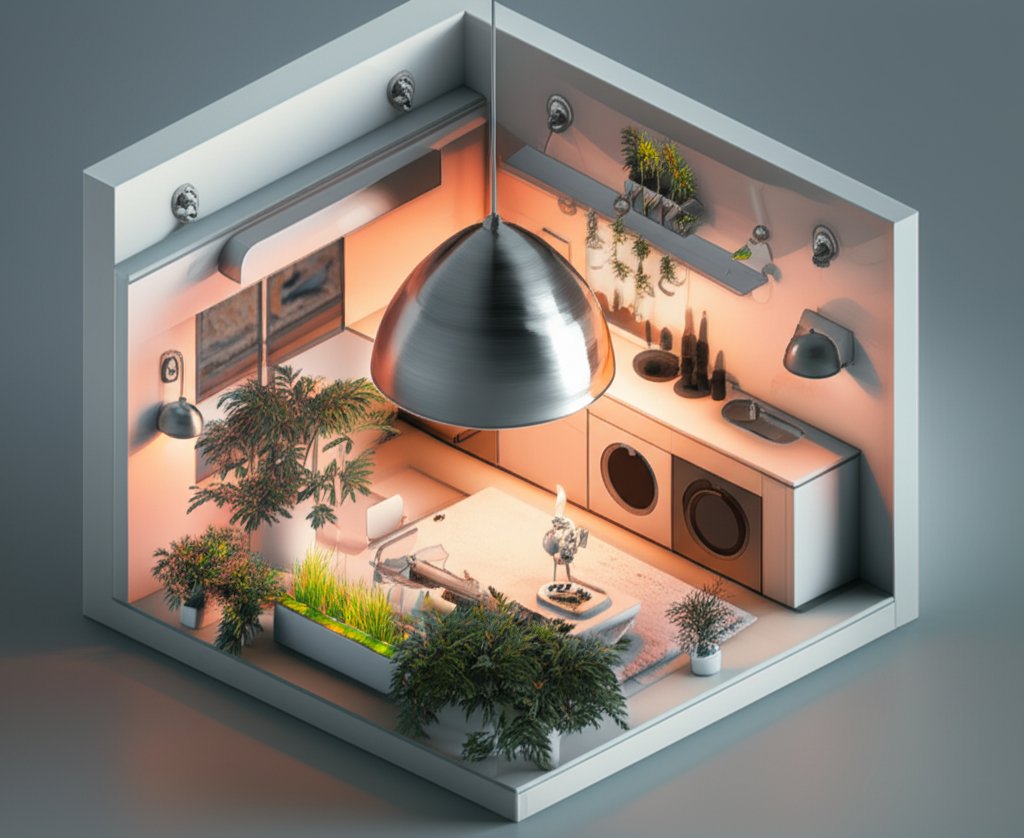
- Kitchen Example: A row of three brushed nickel dome pendants over the kitchen island provides focused light for meal prep.
- Bathroom Example: A brushed nickel vanity light mounted above the mirror ensures even, shadow-free light for grooming.
Step 3: Finish with Accent (Highlight) Lighting
Accent lighting is the “jewelry” of the room. It draws attention to architectural features, artwork, or decor.
- What to Choose: Track lighting, picture lights, or directional spotlights.
- Living Room Example: A brushed nickel track light system aimed at a gallery wall or a statement piece of art.
- Hallway Example: Small, recessed brushed nickel spotlights washing down a textured brick or stone wall.
By layering these three types of brushed nickel lighting, you create a space that is not only functional but also has depth, dimension, and visual interest.
Quick Answers to Common Questions
Let’s clear up some frequent misconceptions and queries about using brushed nickel in your home.
Is brushed nickel lighting going out of style?
Absolutely not. While trends come and go, brushed nickel has solidified its status as a timeless classic. Its ability to blend with both warm and cool color palettes gives it incredible staying power. Unlike trend-driven finishes like rose gold, brushed nickel is a safe and stylish investment that won’t look dated in a few years. According to interior design market analysis, neutral and versatile finishes consistently remain top sellers for fixtures and hardware.
What’s the difference between brushed nickel and satin nickel?
Functionally and visually, they are nearly identical. Both have a soft, low-sheen finish. The technical difference is in the manufacturing process: brushed nickel is abraded with a wire brush, creating those fine lines, while satin nickel is often achieved through an electrolytic process or by sandblasting. For the average homeowner, the terms can be used interchangeably—focus on the overall color and tone of the fixture rather than the name.
Can you use brushed nickel lighting with stainless steel appliances?
Yes, this is a classic and highly effective combination. Stainless steel typically has a cooler, bluer undertone, while brushed nickel is slightly warmer. This subtle difference adds depth and prevents a kitchen from looking too “matchy-matchy” or clinical. The brushed textures of both finishes ensure they relate to each other beautifully.
How do you clean brushed nickel light fixtures?
Maintenance is simple. The matte finish is excellent at hiding fingerprints and water spots, unlike its polished counterparts. To clean, simply wipe the fixture with a soft, damp microfiber cloth. For stubborn spots, use a mild solution of water and a gentle dish soap. Avoid harsh chemical cleaners or abrasive sponges, as they can damage the protective lacquer and scratch the finish.
Your Next Steps to a Perfectly Lit Space
Choosing brushed nickel lighting is a smart move toward a versatile and elegant home. It’s a finish that offers flexibility, sophistication, and longevity. Instead of feeling overwhelmed by options, focus on a simple plan.
Start with one room. Identify its primary function and the mood you want to create.
- Assess Your Existing Finishes: What metals are already in the room (doorknobs, cabinet hardware, faucets)? Decide if your brushed nickel lighting will be the dominant finish or a complementary accent.
- Plan Your Layers: Where do you need general light (ambient)? Where do you need focused light (task)? Is there anything you want to highlight (accent)?
- Select Your Bulbs Wisely: Choose a bulb with the right Kelvin temperature for the room’s function—warm and cozy for living spaces (2700K-3000K), or clean and neutral for kitchens and baths (3500K-4000K).
By following this approach, you move from just buying a light fixture to designing a cohesive, beautifully illuminated space. You’re not just swapping out a light; you’re elevating the entire room.

- Bathroom Decor Ideas for an Instant Style Refresh - September 16, 2026
- Retro Bathroom Lighting Ideas for Timeless Charm and Warmth - September 15, 2026
- Vintage Bathroom Light Fixtures Bring Timeless Character To Your Home - September 14, 2026