Finding the right recessed lighting ideas can completely transform a room, turning a flat, poorly-lit space into one that feels expansive, functional, and inviting. More than just a grid of lights on a ceiling, a well-planned recessed layout is a powerful design tool. It can create drama, improve focus for tasks, and set the perfect mood for any occasion, all while maintaining a clean, minimalist aesthetic.
At a Glance: Your Lighting Takeaways
- Layer Your Light: Learn how to use recessed fixtures for all three lighting layers—ambient (overall), task (focused), and accent (highlighting).
- Room-Specific Blueprints: Get practical layouts and spacing guides for kitchens, living rooms, bathrooms, and bedrooms.
- Unlock Modern Features: Understand how dimmers, adjustable color temperature, and smart controls elevate your lighting from basic to brilliant.
- Avoid Common Pitfalls: Discover how to prevent “runway” layouts, unflattering shadows, and screen glare with smart placement.
- Plan with Confidence: Use simple rules of thumb for spacing and fixture selection to create a professional-level lighting plan.
The Foundation: More Than Just Holes in the Ceiling
Before mapping out lights, it’s crucial to think in layers. Professional lighting design isn’t about flooding a room with uniform brightness; it’s about combining three distinct types of light to create a functional and beautiful space.
- Ambient Lighting: This is the room’s general, overall illumination. It’s the base layer that makes a space usable and comfortable. Recessed lights are masters of ambient lighting, often arranged in a grid to provide even coverage.
- Task Lighting: This is focused, brighter light for specific activities like cooking, reading, or applying makeup. Here, you’ll use fewer, more strategically placed recessed lights, often with a narrower beam.
- Accent Lighting: This is directional light used to highlight architectural features, artwork, or decor. Adjustable “gimbal” or “eyeball” recessed trims are perfect for this, acting like mini-spotlights embedded in your ceiling.
Understanding the different physical components of these lights—from the housing inside the ceiling to the visible trim—is key to picking the right tool for the job. To get a complete overview of the styles and hardware, you can Find your ideal pot light look and get familiar with the core designs available.
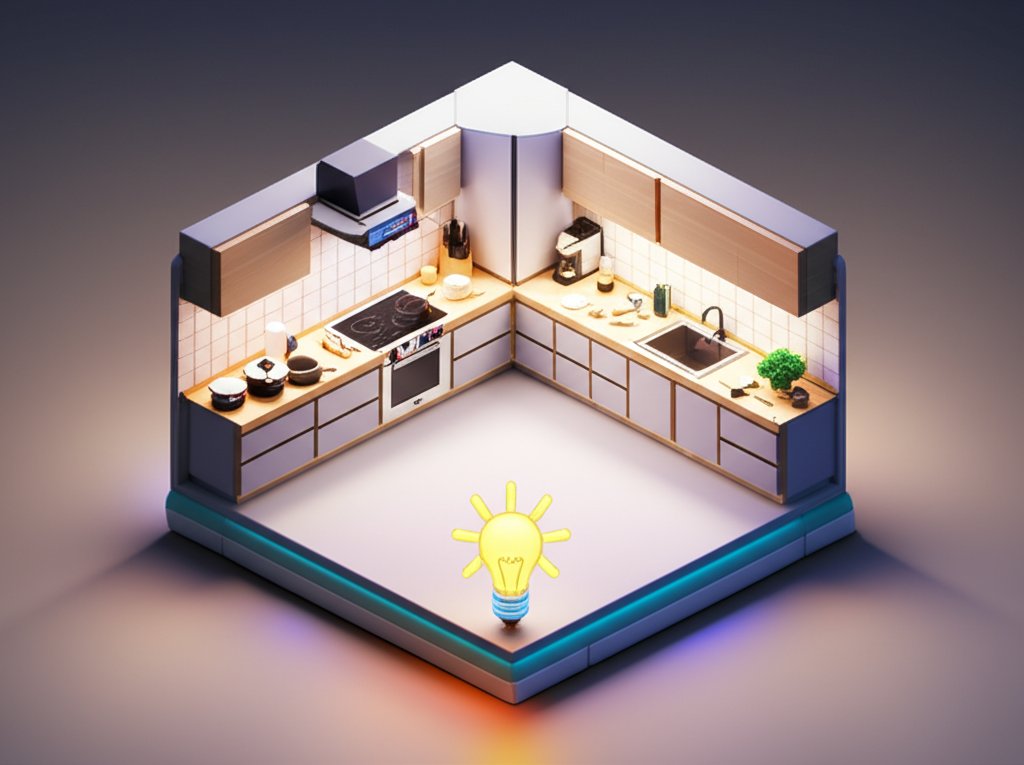
Your Kitchen: The Hardest Working Room Needs the Smartest Light
The kitchen demands the most versatile lighting scheme in the house. You need bright, clear light for chopping and cleaning, but also a warmer, inviting glow for when it’s a place to socialize.
Create a Shadow-Free Workspace with Task Lighting
This is non-negotiable. Your primary work areas—the countertops, sink, and island—need dedicated task lighting to eliminate shadows cast by your own body.
- Over Countertops: Position 4-inch recessed lights about 12-18 inches out from the wall, directly above the edge of your counters. This ensures light falls in front of you, not behind you.
- Over the Island or Peninsula: Use a series of 4-inch or smaller gimbal (adjustable) lights. Space them 24-30 inches apart along the centerline of the island. A color temperature of 3000K provides a clean, neutral light that’s great for food prep.
Build the Foundation with Ambient Light
Once your task zones are covered, fill in the rest of the room with general lighting.
- Placement: Use 6-inch recessed lights in a grid pattern to illuminate the main floor space and walkways. A good rule is to keep them about 4-5 feet apart.
- Control: Put your ambient and task lights on separate dimmer switches. This allows you to dial up the brightness for cooking and then dim the general lights for a relaxed dinner atmosphere.
Living & Dining Rooms: Setting the Scene for Life
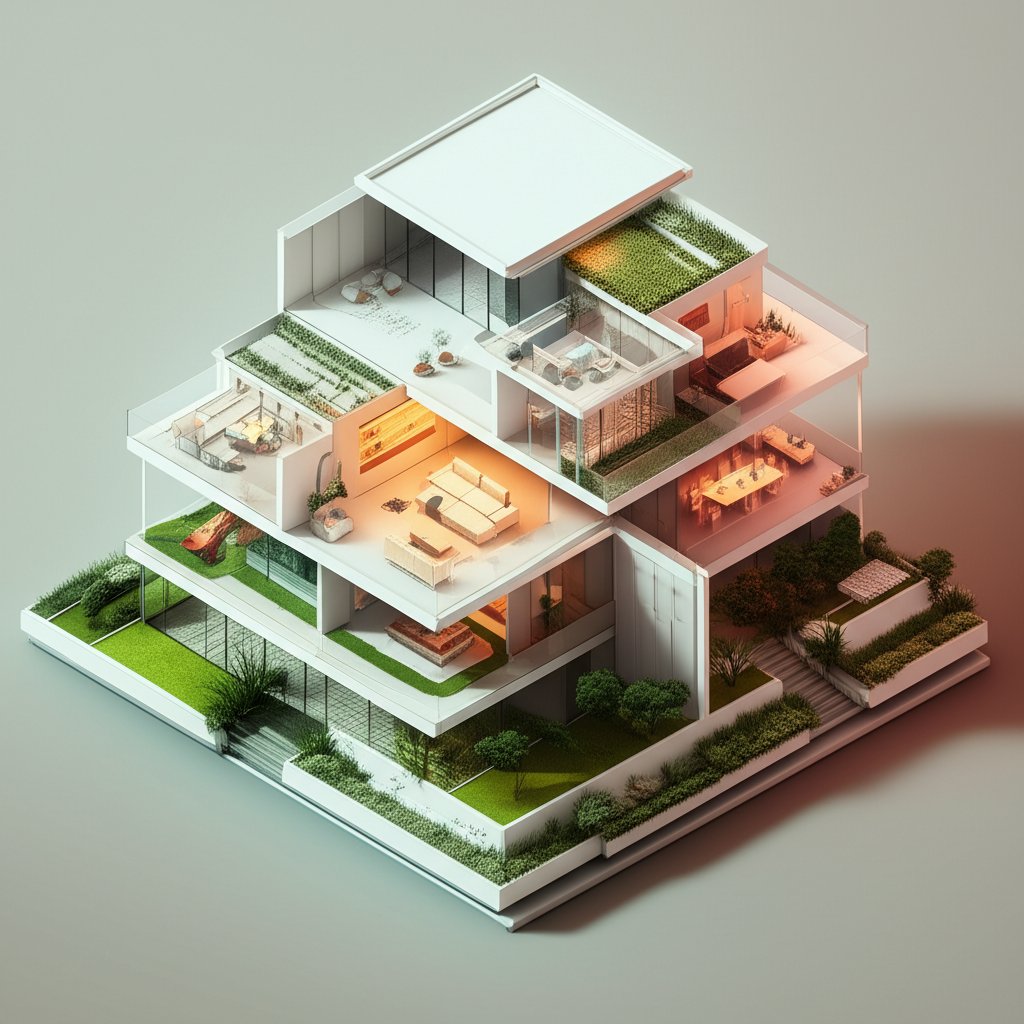
In social spaces, flexibility is everything. The lighting should adapt from a bright, energetic setting for a party to a soft, intimate glow for a movie night. The goal here is less about a rigid grid and more about strategic placement.
Use the “Wall Wash” Technique for an Expansive Feel
Placing lights too far from the walls can create a “cave effect,” where the ceiling is bright but the room’s edges feel dark and closed-in. Wall washing solves this.
- How to do it: Position your recessed lights 24-36 inches away from the walls. Aim them slightly toward the wall if you have adjustable trims.
- The Benefit: This technique softly illuminates vertical surfaces, making the entire room feel larger, brighter, and more sophisticated. It’s one of the most effective recessed lighting ideas for enhancing a room’s perceived size.
Highlight What Matters: Art and Architecture
If you have a beautiful piece of art, a textured fireplace, or built-in shelving, use recessed lighting to make it a focal point.
- Fixture Choice: Use an adjustable “eyeball” or “gimbal” trim.
- Placement: Position the light 12-18 inches away from the wall you want to highlight. This creates a dramatic scallop of light that draws the eye without causing a harsh glare on the artwork.
For the dining room, avoid placing a single, powerful recessed light directly over the table. This can create unflattering shadows on your guests’ faces. Instead, place four smaller lights around the perimeter of the table to create a soft, balanced pool of light.
Personal Sanctuaries: Lighting for Rest and Rituals
Bedrooms and bathrooms are private spaces where lighting should promote relaxation and support daily routines.
The Bedroom: A Case for Smart, Circadian Lighting
Harsh, bright light has no place in the bedroom. The key is to create a soft, calming environment that encourages rest.
- Layout: Instead of a central grid, place four recessed lights in the corners of the room, about 3 feet from each wall. This provides soft, indirect ambient light. Add dedicated, narrow-beam recessed lights over reading nooks or closets.
- Smart Technology: Consider “warm-dim” or color-tunable LEDs. These lights can automatically adjust their color temperature throughout the day—crisp and cool in the morning to help you wake up, and warm and amber-hued in the evening to help your body produce melatonin for a better night’s sleep.
The Bathroom: A Blend of Safety and Spa-Like Ambiance
Bathroom lighting needs to be both highly functional and beautifully atmospheric.
- Vanity Lighting is Crucial: The biggest mistake is placing recessed lights directly over the mirror. This casts deep shadows under your eyes, nose, and chin. The best solution is sconces on either side of the mirror. If you must use recessed lights, place two 4-inch fixtures on the ceiling, positioned slightly in front of where you stand at the sink, about 36-40 inches apart.
- Shower and Tub Safety: This is a non-negotiable. Any light inside a shower or directly over a tub must be “wet-rated” or “shower-rated” (look for an IP65 rating or higher). A single wet-rated recessed light will provide all the illumination you need for safety and a clean look.
The Recessed Lighting Layout Cheat Sheet
While every room is unique, some general principles can guide your planning. The most common rule of thumb for ambient lighting is to divide the ceiling height by two to get your spacing.
| Room Type | Recommended Spacing | Fixture Size (Typical) | Key Placement Tip |
|---|---|---|---|
| Kitchen | 3-5 feet | 4″ (Task), 6″ (Ambient) | Center task lights over the edge of countertops. |
| Living Room | 6-8 feet | 4″ or 6″ | Use a “wall wash” by placing lights 24-36″ from walls. |
| Bedroom | 6-8 feet | 4″ | Place in corners for indirect light; avoid a grid over the bed. |
| Bathroom | 4-6 feet | 4″ (Wet-rated for shower) | Flank the vanity; do not place lights directly over the mirror. |
| Hallway | 8-10 feet | 4″ | Center them down the length of the hall for even coverage. |
| Pro-Tip: Always install dimmer switches. According to lighting experts at WAC Lighting, dimmers are the single most effective tool for adding flexibility to a lighting scheme, allowing you to go from full brightness to a subtle glow with a simple adjustment. |
Common Questions Answered
Q: Are recessed lights outdated?
Not at all. While the bulky “can” lights of the 90s can look dated, today’s options are completely different. Ultra-thin “canless” or “wafer” LED lights are incredibly discreet and can be installed in tight spaces. Paired with smart controls and color-tuning technology, modern recessed lighting is more sophisticated and versatile than ever.
Q: How many recessed lights do I need in a room?
There’s no single answer—it depends entirely on the room’s purpose and size. Instead of asking “how many,” ask “what am I trying to light?” A living room focused on accent lighting for art might only need 4-6 adjustable lights, while a kitchen needing full ambient and task coverage might need 10-12 fixtures of different types. Use the spacing guidelines above as a starting point.
Q: What’s the difference between a 4-inch and 6-inch light?
A 6-inch light typically produces a wider beam of light, making it ideal for general (ambient) illumination over a large area. A 4-inch light produces a more controlled, narrower beam, making it better suited for task lighting (like over a kitchen island) or accent lighting.
Q: Can I install recessed lights myself?
While canless LED fixtures are simpler to install than traditional housing cans, any project involving electrical wiring carries risks. It requires cutting into your ceiling and connecting to your home’s power. For safety, code compliance, and peace of mind, it is always recommended to hire a licensed electrician.
Your Next Step: From Idea to Illumination
Now that you’re equipped with room-specific recessed lighting ideas, you can move forward with a clear plan. Don’t just think about where to put lights; think about what you want those lights to do.
- Define the Room’s Purpose: Is this a space for work, relaxation, or entertaining? The function will dictate the lighting layers you need.
- Sketch a Simple Layout: On a piece of paper, draw your room’s furniture layout. Mark your primary task areas first, then your accent points, and finally, fill in the ambient lighting.
- Choose Your Features: Decide where you need dimmers, if you want adjustable color temperature, or if you plan to integrate with a smart home system.
- Consult a Professional: Share your sketch and ideas with a licensed electrician. They can confirm the feasibility of your plan, ensure everything is up to code, and execute the installation safely.
A thoughtful lighting plan is one of the highest-impact upgrades you can make to your home. By moving beyond a simple grid and embracing a layered, strategic approach, you can create spaces that are not only brighter but also more beautiful, functional, and tailored to your life.

- DIY Bathroom Mirror Frame Designs on a Budget - October 12, 2026
- Creative Bathroom Mirror Border Ideas for Every Style and Budget - October 11, 2026
- Bathroom Finishes That Handle Moisture and Look Great - October 10, 2026