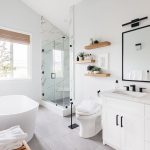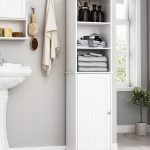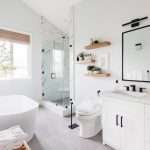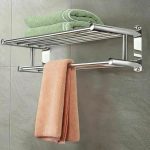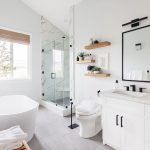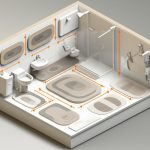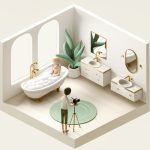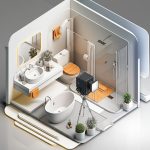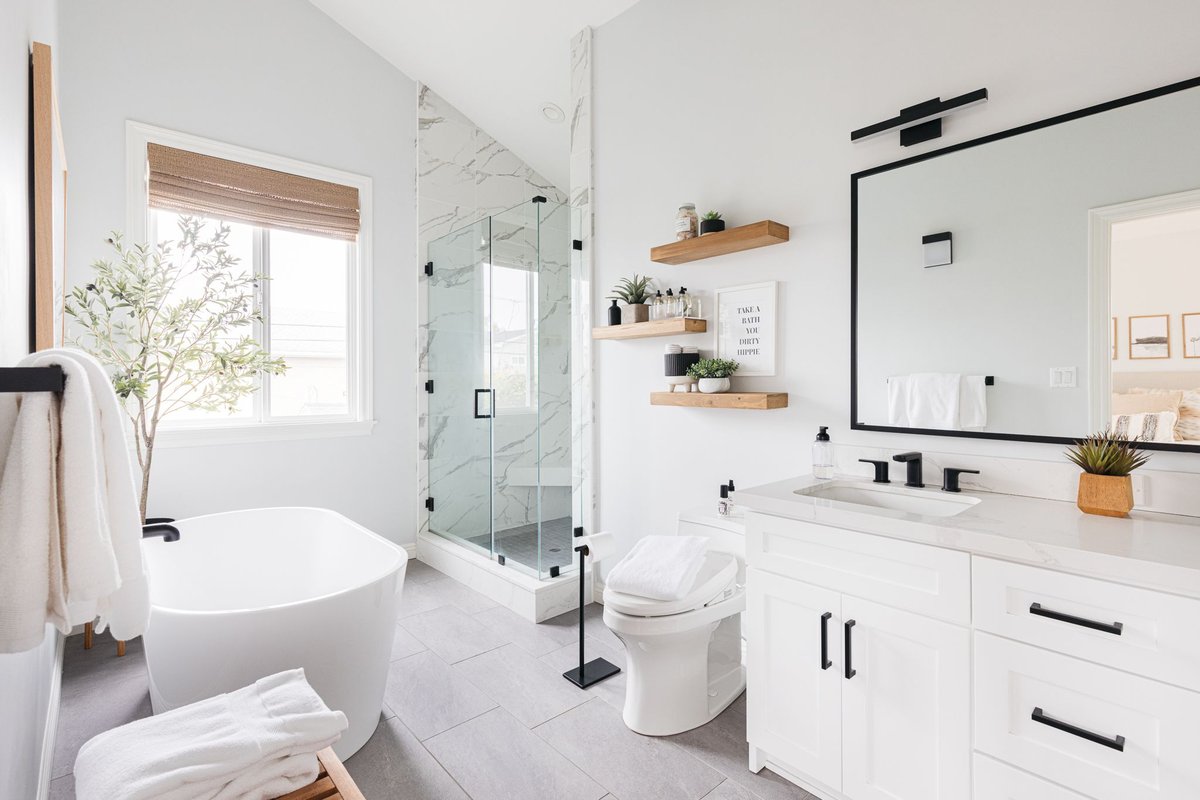
Once, the bathroom was a purely utilitarian space. Today, it’s a personal sanctuary, a place for relaxation and rejuvenation. And central to transforming this often-overlooked room into a truly comfortable and functional oasis? The humble, yet mighty, bathroom table. Forget the days of stacking toiletries on the edge of the sink or balancing your book on the toilet lid. A well-chosen bathroom table can be the missing piece of your design puzzle, offering storage, style, and a touch of luxury.
It’s more than just a surface; it’s an intentional design choice that elevates your daily routine, bringing both beauty and unparalleled convenience. Whether you’re battling a tiny powder room or outfitting a sprawling spa-like retreat, there��s a bathroom table designed to fit your needs, enhance your decor, and simplify your life.
At a Glance: Your Guide to Choosing a Bathroom Table
- Define Your Purpose: Decide if you need extra storage, a decorative accent, a spot for toiletries, or a place to set your tea during a bath.
- Measure Your Space: Accurately assess dimensions to ensure the table fits without overcrowding. Consider height, width, and depth.
- Prioritize Materials: Opt for moisture-resistant materials like treated wood, metal, glass, or stone to withstand humidity.
- Match Your Style: Choose a table that complements your existing bathroom decor, whether modern, traditional, rustic, or minimalist.
- Consider Storage Needs: Look for features like shelves, drawers, or cabinets if you need to declutter.
- Think Placement: Visualize where the table will go – next to the tub, by the vanity, or in a vacant corner – and how it will function there.
- Set a Budget: Bathroom tables range widely in price; determine what you’re willing to invest in quality and design.
Beyond the Vanity: What Exactly Is a Bathroom Table?
When we talk about “bathroom tables,” we’re generally referring to freestanding pieces of furniture designed to supplement your primary vanity or built-in storage. Unlike a fixed vanity, which is typically integrated with a sink, a bathroom table is a standalone unit that offers flexible placement and serves a myriad of functions.
Think of it as a small accent piece that pulls its weight. It might be a slender console table offering extra counter space for cosmetics, a robust side table holding fresh towels and a scented candle next to your tub, or a compact storage cabinet providing discreet hideaway spots for cleaning supplies. The key is its adaptability – it’s furniture specifically chosen to thrive in the unique environment of a bathroom, offering both utility and a significant aesthetic upgrade.
Why Your Bathroom Needs a Table (Beyond the Obvious)
You might think your bathroom is already complete, but adding a carefully selected table can revolutionize its functionality and feel. It’s about creating moments of calm and order in a space that’s often bustling.
Elevating Everyday Functionality
The most immediate benefit of a bathroom table is its practical utility. How often do you find yourself wishing for just a little more surface area?
- Expanded Counter Space: Your vanity might be beautiful, but it can quickly become cluttered. A nearby table provides an ideal spot for daily essentials like toothbrushes, lotions, or even a cup of coffee while you get ready, keeping your main counter clear.
- Accessible Storage: Open shelves on a table can house neatly folded guest towels or decorative baskets filled with toiletries. Drawers or cabinet doors offer discreet storage for less visually appealing items, like extra toilet paper, cleaning supplies, or personal hygiene products. This reduces clutter and makes items easy to grab when needed.
- Spa-Like Convenience: Imagine a warm bath with everything you need within arm’s reach: a good book, a glass of water, a bath bomb, and a fluffy towel. A small side table beside the tub makes this luxury a daily reality, preventing precarious balancing acts.
A Touch of Style and Personality
Functionality doesn’t have to mean sacrificing aesthetics. A bathroom table is a powerful design tool, allowing you to inject personality and polish into your space.
- Anchoring a Design: In a larger bathroom, a console table can anchor an empty wall, providing a focal point for artwork, a mirror, or a display of decorative items.
- Adding Texture and Warmth: Materials like natural wood or woven wicker can soften the often hard, sterile surfaces of a bathroom, introducing warmth and organic texture. Metals, glass, or stone can reinforce a sleek, modern, or industrial aesthetic.
- Creating Vignettes: A table offers a dedicated platform for styling. Arrange a small plant, a scented candle, a stack of luxurious hand towels, or a piece of art to create a curated vignette that expresses your personal style. This attention to detail transforms the bathroom from merely functional to genuinely inviting.
- Breaking Up Monotony: If your bathroom feels a bit too uniform, a distinct piece of furniture can break up the visual repetition and add a layer of sophistication.
Solving Common Bathroom Woes
Beyond the obvious, a bathroom table can be a problem-solver for everyday frustrations.
- Decluttering: It provides a home for items that otherwise migrate to the floor, window sill, or toilet tank.
- Guest Readiness: Having a dedicated surface for guest towels, spare toothbrushes, or toiletries ensures visitors feel welcomed and have everything they need without rummaging.
- Space Optimization: Even in compact bathrooms, a strategically chosen narrow or vertical table can utilize otherwise wasted space, offering surprising amounts of storage.
Choosing Your Perfect Bathroom Table: Key Considerations
Selecting the right bathroom table isn’t just about picking something pretty. It requires thoughtful consideration of your space, needs, and existing decor. Let’s break down the decision-making process.
Size and Scale: Fit Matters Most
The biggest mistake people make is choosing a table that’s too large or too small for the space.
- Measure Everything: Before you even start browsing, measure the exact dimensions of where the table will go.
- Width: How much wall space do you have? Ensure there’s room to walk around it comfortably.
- Depth: A narrow table is crucial in smaller bathrooms to avoid impeding traffic flow. For a tight spot, aim for 8-12 inches deep.
- Height: Consider what you’ll be using it for. If it’s a bath caddy, it needs to be accessible from the tub. If it’s a vanity extension, it should ideally be around the same height as your existing vanity for a cohesive look (usually 32-36 inches). A side table next to a toilet might be lower, around 24-30 inches.
- Visualize with Tape: Use painter’s tape on the floor or a cardboard cutout to visualize the table’s footprint in your bathroom. This is invaluable for understanding how it will impact the room’s flow.
- Balance with Existing Furniture: In a larger bathroom, a substantial console table can feel right. In a cramped powder room, a slim pedestal table or a compact C-table might be the only viable option.
Material Matters: Built to Withstand the Bathroom Environment
Bathrooms are notoriously humid, making material choice critical for durability and longevity.
- Wood:
- Solid Wood (Teak, Cedar, Mahogany): Naturally water-resistant and durable, often with a beautiful grain. Can be expensive. Requires sealing for extra protection.
- Engineered Wood (MDF, Particleboard): More affordable, but can swell and warp if not properly sealed and exposed to prolonged moisture. Look for moisture-resistant finishes.
- Bamboo: Eco-friendly, naturally resistant to moisture and mold. Lightweight and strong.
- Tip: Always check if wooden tables are treated or sealed for bathroom use. A good marine-grade sealant can extend life.
- Metal:
- Stainless Steel: Excellent resistance to rust and corrosion, sleek modern look.
- Powder-Coated Steel/Iron: Durable finish that protects against moisture. Comes in various colors.
- Chrome/Brass/Bronze: Offers specific aesthetic appeals, but check for plating quality to prevent tarnishing or rust spots.
- Tip: Avoid unfinished iron or metals prone to rust in very humid environments.
- Glass:
- Tempered Glass: Strong and safe, easy to clean, and provides an airy, open feel, especially in small spaces. Often combined with metal frames.
- Tip: While easy to clean, glass can show water spots and fingerprints more readily.
- Stone (Marble, Granite, Quartz):
- Luxurious and durable, highly resistant to water and heat. Requires proper sealing and is generally heavy and expensive.
- Tip: Natural stone needs regular sealing to prevent stains.
- Acrylic/Plastic:
- Lightweight, water-resistant, and comes in various colors and transparencies. Modern and often budget-friendly.
- Tip: Can scratch more easily than other materials.
Storage Solutions: Open, Closed, or a Mix?
Your storage needs will dictate the table’s design.
- Open Shelving: Ideal for displaying decorative items, neatly folded towels, or baskets that contain toiletries. Provides easy access but requires a tidy approach.
- Drawers: Perfect for discreet storage of smaller items, keeping clutter out of sight. Look for smooth-gliding drawers.
- Cabinets: Offer the most concealed storage, great for larger items, cleaning supplies, or anything you prefer to keep entirely hidden.
- Combination: Many tables offer a mix of open and closed storage, providing versatility.
- No Storage (Just a Top Surface): Ideal for purely decorative purposes, a single plant, or a spot for a single item like a speaker or a drink.
Style & Aesthetics: Harmonize Your Space
Your bathroom table should enhance, not clash with, your existing decor.
- Modern/Minimalist: Look for clean lines, geometric shapes, and materials like chrome, stainless steel, glass, or matte black finishes.
- Farmhouse/Rustic: Opt for distressed wood, galvanized metal, or woven textures.
- Traditional/Classic: Consider ornate details, rich wood tones, marble tops, or polished brass accents.
- Boho/Eclectic: Mix and match textures and materials, think natural wood, wicker, or unique handcrafted pieces.
- Coastal/Spa-like: Light woods, white finishes, and natural fibers like rattan or bamboo work well.
- Pro Tip: To ensure cohesion, match the table’s finish (e.g., metal, wood stain) to existing hardware or furniture in the bathroom.
Placement & Purpose: Where Will It Live?
The location dictates the type and size of table.
- Beside the Bathtub: A small, sturdy side table or even a C-table is perfect for holding bath essentials, a candle, or a book.
- Next to the Toilet: A narrow table or a small cabinet can hold extra toilet paper, air freshener, or a small plant.
- Near the Vanity: A console table can extend your counter space, offer extra storage, or provide a dedicated spot for makeup application.
- In a Corner: A triangular or small round pedestal table can fill an awkward corner, offering a decorative surface.
- Freestanding Wall Accent: A larger console table can create a focal point on an empty wall, topped with a mirror or art.
Budget: Investment vs. Affordability
Bathroom tables vary widely in price, from budget-friendly MDF options to high-end solid wood or stone pieces.
- Entry-Level (Under $100): Often made of engineered wood with basic finishes, or simple metal/plastic designs.
- Mid-Range ($100-$300): Better quality engineered wood, powder-coated metals, some solid wood accents, or more refined designs.
- High-End ($300+): Solid hardwoods, natural stone tops, premium metals, intricate designs, and often custom-made or artisan pieces.
Determine what you’re comfortable spending and prioritize features accordingly. Sometimes, a smaller investment in a well-chosen piece can make a significant impact.
Types of Bathroom Tables: Finding Your Match
With a clear idea of your needs, let’s explore the common types of bathroom tables available. Each serves a distinct purpose and style.
Small Side Tables & Accent Tables
These are the workhorses of compact spaces. Often round or square, they’re designed for convenience.
- Characteristics: Compact footprint, single surface or perhaps a small shelf underneath.
- Best for: Placing next to the tub for bath essentials, beside the toilet for extra supplies, or tucked into a small corner for a plant.
- Materials: Versatile, often metal with glass or wood tops, or solid wood.
Console Tables
Long and narrow, console tables are ideal for larger bathrooms or for specific wall placements.
- Characteristics: Typically rectangular, often featuring shelves, drawers, or a combination.
- Best for: Extending vanity counter space, creating a display area under a wall-mounted mirror, or adding storage along a longer wall.
- Materials: Frequently wood, metal, or a mix of both.
Storage Cabinets & Chests with Tabletop Space
When maximum storage is the priority, these pieces blend the functionality of a cabinet with the utility of a tabletop.
- Characteristics: Enclosed storage (drawers or doors) with a flat top surface. Varies in height and width.
- Best for: Hiding away cleaning supplies, extra towels, first-aid kits, or personal items while providing a surface for decorative elements.
- Materials: Often engineered wood with moisture-resistant finishes, or solid wood.
Tray Tables & Bath Caddies
These are for ultimate flexibility and a touch of luxury.
- Characteristics: Portable, often foldable, with a flat surface. Bath caddies are specifically designed to sit across the width of a tub.
- Best for: Temporary use during a bath (book, drink, candle) or for quick access to items.
- Materials: Bamboo, treated wood, metal.
Nesting Tables
A clever solution for versatile use and space-saving.
- Characteristics: A set of two or more tables of varying sizes that fit together, one under the other.
- Best for: Offering expandable surface area when needed, then tucking away compactly. Ideal for smaller bathrooms where you only occasionally need more space.
- Materials: Often wood or metal with various top materials.
Pedestal Tables
Elegant and space-efficient, pedestal tables have a central column support.
- Characteristics: Typically round or oval top, supported by a single central base, rather than four legs.
- Best for: Adding a decorative touch in a corner, holding a vase or a small stack of towels, where a minimal footprint is desired.
- Materials: Often wood, metal, or even stone.
With so many types and styles, it’s easy to find one that perfectly fits your aesthetic. To spark your creativity and see how these pieces come to life, you might want to Discover stylish bathroom tables that others have incorporated into their designs. Seeing real-world examples can often clarify your own vision.
Designing with a Bathroom Table: Practical Tips & Inspiration
Once you’ve chosen your table, the next step is to integrate it seamlessly into your bathroom’s design. This is where the magic happens, transforming a functional item into a focal point.
Styling Your Tabletop: Curated Collections
The surface of your bathroom table is prime real estate for personal expression. Less is often more.
- The Essentials: A small tray can corral daily items like hand soap, a lotion pump, or perfume bottles, making them look organized rather than cluttered.
- Natural Elements: Introduce a small potted plant (succulents, orchids, or air plants thrive in humidity), a fresh flower in a bud vase, or a bowl of smooth river stones. These bring life and tranquility.
- Soft Touches: A stack of fluffy, neatly folded hand towels or a small decorative fabric runner can add texture and warmth.
- Ambiance Creators: Scented candles, a reed diffuser, or a small essential oil diffuser can elevate the sensory experience of your bathroom.
- Personal Touches: A unique decorative object, a framed photo, or a small piece of art can make the space feel more personal and less sterile.
Maximizing Storage: Beyond the Surface
If your table has shelves or drawers, make the most of them.
- Baskets and Bins: Woven baskets (wicker, rattan) or decorative metal bins are excellent for organizing items like extra toilet paper, cotton balls, hair accessories, or cleaning supplies. They add texture and hide clutter.
- Tiered Organizers: For smaller items like makeup or toiletries, a tiered tray or small drawer organizer can keep things neat and accessible.
- Roll-Up Towels: Rolling towels instead of folding them can often save space on open shelves and looks more luxurious.
Lighting Considerations: Setting the Mood
A bathroom table can be a great spot to introduce task or accent lighting.
- Small Table Lamp: If space allows, a small, humidity-appropriate table lamp can provide soft, ambient light, perfect for evening relaxation or a gentle start to your day. This is especially effective if your overhead lighting is harsh.
- Candles: Beyond scented candles for aroma, plain pillar candles or votives in attractive holders can create a warm, inviting glow.
Color Schemes and Textures: Integrating Seamlessly
Think about how your table interacts with the rest of your bathroom’s palette.
- Contrast or Complement: A dark wood table can provide a striking contrast in a light-colored bathroom, or a white metal table can complement a minimalist design.
- Texture Play: If your bathroom features a lot of smooth tiles and porcelain, introduce a table with a natural wood grain, a woven basket, or a textured ceramic planter to add visual interest.
- Pops of Color: The items on your table (towels, plants, decorative objects) can be an opportunity to introduce accent colors that tie into other elements in the room.
Safety and Stability: Practical Considerations
Especially in a bathroom, safety is paramount.
- Sturdy Construction: Ensure your chosen table is stable and won’t easily tip over, particularly if it’s near a tub or shower.
- Moisture Protection: Always use coasters under drinks and wipe up spills immediately. For wooden tables, consider a protective top layer like a piece of custom-cut glass or a decorative tray that can handle moisture.
- Non-Slip Feet: If your bathroom floor is slippery, consider adding non-slip pads to the table legs.
DIY & Customization: Making It Your Own
Don’t be afraid to personalize a basic table.
- Paint Job: A simple unpainted or distressed wood table can be transformed with a fresh coat of paint in a color that matches or complements your bathroom. Use a paint suitable for high-humidity environments.
- Hardware Upgrade: Swapping out basic drawer pulls or cabinet knobs for more decorative options can instantly elevate a piece.
- Add a Top: For a plain table, adding a custom-cut marble or quartz top can make it look much more high-end and increase its moisture resistance.
Common Questions About Bathroom Tables
Getting straight answers to common queries can help solidify your choices.
What’s the ideal height for a bathroom table?
It depends on its purpose.
- Next to a Tub: Approximately 20-24 inches high allows for easy reach from the bath.
- Next to a Toilet: 24-30 inches works well for essentials and decor.
- As a Vanity Extension: Aim for a height similar to your vanity (typically 32-36 inches) for a cohesive look.
- General Accent: For purely decorative purposes, heights can vary, but typically between 24-30 inches for visual balance.
Can I use a regular living room table in the bathroom?
While physically possible, it’s generally not recommended without modifications. Living room furniture is not typically designed to withstand the high humidity and potential water splashes of a bathroom. Wooden tables, in particular, can warp, swell, or grow mold if not properly sealed. If you must use one, ensure it’s made of a moisture-resistant material (like teak) or thoroughly treat it with a waterproof sealant, and be diligent about wiping up any water.
How do I protect a wooden table from moisture?
Several steps can help:
- Sealant: Apply a marine-grade polyurethane or spar urethane sealant. Ensure all surfaces, including edges and undersides, are covered. Reapply periodically.
- Protective Top: Use a custom-cut piece of glass, acrylic, or a large decorative tray as a barrier on the tabletop.
- Ventilation: Good bathroom ventilation (fan, open window) significantly reduces overall humidity, which protects all furniture.
- Wipe Spills: Immediately wipe up any water or moisture that gets on the table.
- Elevate: If the table sits directly on a tiled floor that gets wet, consider adding small, non-porous feet to slightly elevate it.
What are some alternatives if I don’t have space for a table?
Even in the tiniest bathrooms, you have options:
- Floating Shelves: Wall-mounted shelves offer surface area without taking up floor space.
- Over-the-Toilet Storage: Units that fit above the toilet provide vertical storage and sometimes a small shelf.
- Niches: If renovating, built-in wall niches are fantastic for discreet storage and display.
- Bath Caddy/Tray: A simple tray across the tub provides temporary surface area.
- Wall-Mounted Cabinets: Slim cabinets or medicine cabinets offer enclosed storage.
How do I keep my bathroom table from looking cluttered?
The key is intentionality and containment.
- Curate, Don’t Collect: Only display items that are beautiful, frequently used, or genuinely add value.
- Use Trays and Baskets: These are your best friends. They gather small items into a single, organized unit, instantly reducing visual clutter.
- Hidden Storage: Utilize drawers and cabinets for items you don’t want on display.
- “One In, One Out” Rule: When you buy a new decorative item, consider removing an old one to maintain balance.
- Regular Purges: Periodically declutter the surface, putting away anything that doesn’t belong or is no longer needed.
Maintaining Your Bathroom Table
To ensure your bathroom table remains a beautiful and functional asset for years to come, regular maintenance is crucial. The bathroom environment is tough on furniture, so a little proactive care goes a long way.
Routine Cleaning
- Dust Regularly: Dust and lint can accumulate quickly, especially on dark surfaces. A microfiber cloth is ideal for quick dusting.
- Gentle Wipe-Downs: Use a soft, damp cloth with a mild, all-purpose cleaner (or just water for many surfaces) to wipe down the table regularly. Avoid harsh chemicals that could damage finishes.
- Address Spills Immediately: Water, toothpaste, or makeup spills should be wiped up as soon as they occur, especially on wood or porous stone, to prevent stains or moisture damage.
Moisture Protection Reinforcements
- Inspect Seals: For wooden tables, periodically check the integrity of any sealant. If you notice dullness, flaking, or if water no longer beads on the surface, it might be time for a reapplication.
- Ventilation is Key: Ensure your bathroom fan is running during and after showers and baths, or open a window. Reducing overall humidity is the single best way to protect all bathroom furnishings from moisture damage.
- Use Coasters and Trays: Even with a sealed surface, using coasters for drinks or trays for toiletries adds an extra layer of protection against direct moisture contact and condensation rings.
Addressing Wear and Tear
- Scratches and Dings: For minor scratches on wood, furniture polish or a wood repair marker can often conceal them. Deeper scratches might require sanding and refinishing, especially if the protective sealant is compromised.
- Rust on Metal: If you spot small rust spots on metal frames, you might be able to remove them with a rust remover designed for the specific metal, followed by cleaning and potentially applying a protective clear coat. For powder-coated metals, touch-up paint can cover chips.
- Loose Joints: Over time, screws and joints can loosen, especially on frequently moved tables. Periodically check and tighten any hardware to maintain stability.
By treating your bathroom table as an investment in both function and style, and dedicating a small amount of time to its care, you’ll ensure it continues to enhance your bathroom for years.
Your Bathroom’s Next Best Addition Awaits
A bathroom table isn’t just another piece of furniture; it’s a strategic design element that elevates the entire room. It’s the silent assistant that holds your essentials, the artistic pedestal for your favorite decor, and the thoughtful touch that transforms a utilitarian space into a personal retreat.
Now that you’re armed with insights on everything from crucial measurements and durable materials to various styles and clever styling tricks, you’re ready to make an informed decision. Take a moment to truly assess your space, visualize your ideal daily routine, and consider what functional and aesthetic gap a bathroom table could fill. Whether you need a compact caddy for indulgent baths, a slender console to extend your vanity, or a charming side table to anchor a cozy corner, the perfect piece is out there waiting to bring order, beauty, and that coveted touch of luxury to your bathroom. Your sanctuary awaits its final, perfect flourish.

- Discover the Right Bathroom Table for Your Space and Style - November 4, 2026
- Freestanding Bathroom Cabinet Offers Versatile Storage and Style - November 3, 2026
- Selecting a Bathroom Standing Cabinet for Optimal Space and Storage - November 2, 2026