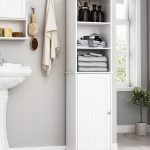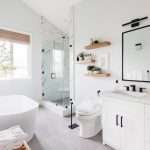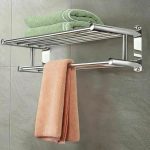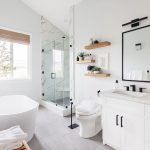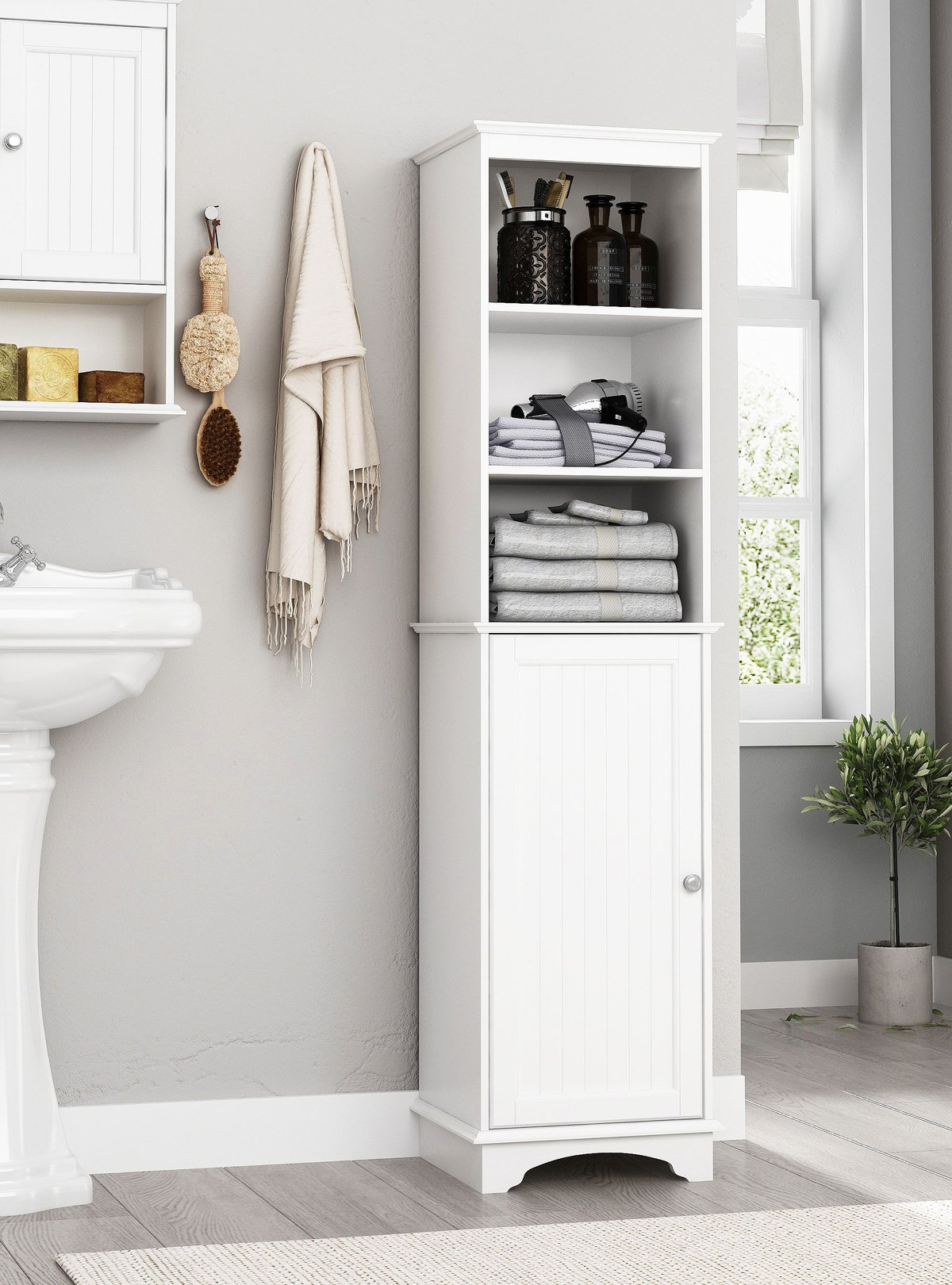
Facing the perpetual challenge of a cluttered bathroom, many homeowners immediately think of custom built-ins or extensive renovations. But what if a simpler, more adaptable solution could transform your space and streamline your daily routine? The freestanding bathroom cabinet offers a powerful answer, providing not just storage but also a distinct style statement, all without the commitment of fixed installations.
Here’s an at-a-glance look at what you’ll gain from diving into the world of freestanding cabinets:
- Unlock Versatility: Discover how these cabinets adapt to changing needs and spaces.
- Master Measurements: Learn precise techniques to ensure a perfect fit every time.
- Decode Materials: Understand the best options for durability, style, and moisture resistance.
- Align Style with Function: Integrate your cabinet seamlessly into your bathroom’s aesthetic.
- Prioritize Practical Features: Identify must-have elements for optimal organization and safety.
Beyond the Built-In: Why a Freestanding Cabinet Might Be Your Best Bet
Traditional wall-mounted or integrated cabinets are fantastic for permanent solutions, but they lack the dynamic edge of a freestanding option. Imagine the freedom of reorganizing your bathroom layout or even taking your favorite storage piece with you when you move. That’s the core appeal of a freestanding bathroom cabinet.
Flexibility and Mobility
Unlike its fixed counterparts, a freestanding cabinet is a standalone piece of furniture. This means you can reposition it with relative ease, experimenting with different layouts until you find what works best. Perhaps you need extra towel storage near the shower today, but next year, a decorative display cabinet in the corner. This adaptability makes it an incredibly practical choice for both renters and homeowners who appreciate evolving decor.
Aesthetic Versatility
Freestanding cabinets aren’t just about utility; they’re also design elements. They come in an astonishing array of styles, from sleek modern minimalist designs to rustic farmhouse charm or ornate traditional pieces. This allows you to introduce a specific aesthetic, add a pop of color, or complement existing decor without extensive redecoration. It’s like adding a piece of art that also holds your toiletries.
Installation Simplicity
One of the biggest advantages is the lack of complex installation. There’s no need for wall anchors, stud finders, or patching drywall. Most freestanding bathroom cabinets require minimal assembly, often just attaching legs or securing shelves. This makes them an excellent DIY project and a quick solution for immediate storage needs, saving you time and potential contractor costs.
Sizing Up Your Space: The Critical First Step
Before you fall in love with a particular freestanding bathroom cabinet online, grab a tape measure. Accurate measurements are the foundation of a successful purchase. An incorrectly sized cabinet, whether too big or too small, can disrupt flow or look out of place.
Measuring for Impact
Start by determining the maximum allowable height, width, and depth for your desired spot. Consider any obstacles: a toilet, a vanity, the shower door swing, or even existing towel bars. For instance, a cabinet placed next to a vanity shouldn’t block drawer access, and one near a toilet must leave ample elbow room. Always measure from the wall outward, accounting for baseboards and any wall-mounted fixtures.
Visualizing the Fit
A simple trick can save you headaches: use painter’s tape or cut out a cardboard box to the exact dimensions of the cabinet you’re considering. Place it in the intended spot. This allows you to visually assess the footprint, check clearances, and ensure it doesn’t impede movement or block important access points. This step is particularly crucial in smaller bathrooms where every inch counts.
Crafting Your Cabinet: Materials That Matter
The material of your freestanding bathroom cabinet dictates its durability, maintenance, and overall aesthetic. Bathrooms are high-humidity environments, so choosing a material that can withstand moisture is paramount to longevity.
Solid Wood: Durability and Classic Appeal
Cabinets crafted from solid hardwoods like oak, maple, or cherry offer exceptional durability and a timeless look. They can be stained or painted to match any decor and, with proper sealing, resist moisture well. However, solid wood tends to be heavier and more expensive. For instance, a solid teak cabinet is naturally moisture-resistant, making it a premium choice for humid environments, but it comes with a higher price tag.
Engineered Woods (MDF, Particle Board): Budget-Friendly and Versatile
Medium-density fiberboard (MDF) and particle board are common, more affordable alternatives. They are often coated with veneer, laminate, or paint. While lighter and more budget-friendly, they are more susceptible to water damage if the protective coating is compromised. Look for options with high-quality, fully sealed finishes to prevent swelling and warping in a steamy bathroom. A well-constructed MDF cabinet with a thick, moisture-resistant laminate can be surprisingly robust for its price point.
Metal and Other Modern Choices: Sleek and Industrial
Metal cabinets, often made from powder-coated steel or aluminum, offer a contemporary, industrial look. They are inherently moisture-resistant and very durable. Bamboo is another increasingly popular choice, known for its sustainability and natural resistance to humidity. Glass is often incorporated into doors or shelves, adding an airy feel, though it requires more frequent cleaning to avoid water spots. A cabinet with a rust-resistant steel frame and tempered glass shelves, for example, combines modern aesthetics with practical durability.
Style and Substance: Integrating Your Cabinet with Your Bathroom’s Look
A freestanding bathroom cabinet isn’t just a utilitarian box; it’s a piece of furniture that contributes significantly to your bathroom’s overall design narrative. Choosing the right style ensures it feels like an intentional part of the space, not an afterthought.
Matching Existing Decor
Consider the prevailing style of your bathroom. Is it sleek and modern with clean lines and minimal ornamentation? Then a cabinet with a glossy finish, straight edges, and perhaps chrome hardware would fit seamlessly. If your bathroom leans traditional with ornate fixtures and classic molding, a cabinet with carved details, a rich wood finish, or a distressed look might be more appropriate. A simple way to check is to match the dominant material or finish of your existing vanity or trim.
Color and Finish Considerations
The color and finish of your cabinet can dramatically impact the room’s perception. A white or light-colored cabinet can make a small bathroom feel larger and brighter, while a dark espresso or black cabinet adds sophistication and depth, especially in a larger space. A glossy finish reflects light, adding a contemporary sheen, whereas a matte or distressed finish provides a softer, more rustic appeal. Think about how the cabinet’s finish will interact with your wall color and lighting.
Smart Storage Solutions: Shelves, Drawers, and Doors
The internal configuration of your freestanding bathroom cabinet is where true functionality comes alive. Different setups cater to different storage needs, so consider what items you need to store before making a decision.
Open Shelving: Accessible and Decorative
Cabinets with open shelves or a combination of open and closed sections offer easy access to frequently used items like towels, lotions, or decorative baskets. This style is excellent for displaying carefully curated items, adding personality, and keeping essentials within reach. However, it does require a commitment to neatness, as everything is visible.
Closed Storage: Hiding Clutter
For those who prefer a tidy, uncluttered look, cabinets with solid doors are ideal. They conceal personal items, extra toilet paper, cleaning supplies, and other less-than-picturesque necessities, maintaining a clean aesthetic. This is particularly beneficial in guest bathrooms or high-traffic areas where visual calm is desired.
Drawers: Organizing Small Essentials
Drawers are invaluable for organizing small items that can easily get lost on shelves, such as makeup, toothbrushes, hair accessories, or first-aid supplies. Multiple drawers of varying depths offer a layered approach to organization, preventing a jumbled mess. A small bathroom might benefit from a tall, narrow cabinet with several drawers to maximize vertical space while keeping small items neatly tucked away. For example, a cabinet featuring three shallow drawers up top for cosmetics and two deeper, closed shelves below for larger toiletries provides a versatile storage solution.
Beyond the Basics: Features to Look For
When investing in a freestanding bathroom cabinet, don’t overlook the smaller details. These features can significantly enhance usability, durability, and safety.
Adjustable Shelving and Interior Dividers
Flexibility in shelf height is crucial. Adjustable shelves allow you to customize the interior to fit tall bottles of shampoo or stacks of folded towels. Similarly, interior dividers or optional bins can help segment space within drawers or shelves, keeping items from shifting or mixing. This adaptability means your cabinet can evolve with your storage needs.
Soft-Close Hinges and Drawer Glides
A subtle but significant upgrade, soft-close hinges and drawer glides prevent noisy slams and reduce wear and tear on the cabinet. They ensure smooth, silent operation, which is especially appreciated in a shared bathroom or early morning routines. It’s a small detail that contributes to a more luxurious feel and extends the life of your cabinet.
Tip-Over Restraints: Safety First
For taller, narrower freestanding cabinets, tip-over restraints are a non-negotiable safety feature, especially in homes with children or pets. These simple brackets attach the cabinet to the wall, preventing it from accidentally toppling forward. Even if a cabinet feels stable, it’s always best to secure taller units.
Moisture Resistance and Finishes
Beyond the primary material, inspect the finish carefully. Is it sealed completely? Are edges well-covered to prevent water infiltration? Look for finishes specifically designed for bathroom environments, often labeled as “moisture-resistant” or “waterproof.” This attention to detail can prevent peeling, bubbling, and premature deterioration.
Your Freestanding Cabinet Playbook: From Selection to Setup
Choosing the right freestanding bathroom cabinet is a systematic process that combines practical assessment with aesthetic preferences. Follow these steps to confidently select a piece that serves your needs perfectly.
- Define Your Needs and Desired Location: What items do you need to store? Where in the bathroom will the cabinet reside? Will it be primary storage or supplementary?
- Measure Meticulously: Don’t guess. Use a tape measure and the cardboard cutout trick to verify dimensions and clearances.
- Set Your Budget: Freestanding cabinets range widely in price. Knowing your budget upfront helps narrow down material and brand options.
- Explore Materials and Styles: Consider durability, moisture resistance, and how the cabinet’s look will integrate with your existing decor. Do you prefer the robustness of solid wood or the affordability of engineered wood with a quality finish?
- Prioritize Storage Configuration: Decide if you need mostly open shelves for display, closed doors for clutter control, or drawers for small items. A mix often provides the most versatile solution.
- Don’t Forget Safety Features: Always opt for cabinets with tip-over restraints, especially for taller models, to ensure household safety.
For a broader understanding of various cabinet types and how they fit into a comprehensive bathroom design strategy, you might find it helpful to consult a more general Bathroom Cabinet Selection Guide. This can provide context on how freestanding options compare to built-in or wall-mounted alternatives, helping you make a truly informed decision.
Quick Answers: Your Freestanding Cabinet FAQs
Getting a freestanding bathroom cabinet can bring up several practical questions. Here are clear, concise answers to some common concerns.
Q: Are freestanding bathroom cabinets stable?
A: Most modern freestanding cabinets are designed with a stable base. However, taller or narrower units can be top-heavy. Always check if the cabinet includes tip-over restraint hardware, and if so, install it. This is a crucial safety measure, especially in homes with children or pets.
Q: Can I use a freestanding cabinet in a small bathroom?
A: Absolutely! Freestanding cabinets are excellent for small bathrooms, provided you choose the right size. Opt for tall, narrow models to maximize vertical storage without occupying much floor space. Corner units or those with a shallow depth are also great space-saving options.
Q: How do I maintain a freestanding cabinet in a humid bathroom?
A: Regular wiping down of any spills or condensation is key. Ensure your bathroom has good ventilation (e.g., an exhaust fan). For wooden cabinets, an occasional light polishing with a furniture protector can help seal the finish. For engineered woods, promptly address any chips in the veneer to prevent moisture ingress.
Q: What’s the difference between a freestanding and a wall-mounted cabinet?
A: A freestanding cabinet sits on the floor, offering portability and no need for wall installation. A wall-mounted cabinet is attached directly to the wall, freeing up floor space and offering a more permanent, integrated look. Freestanding provides flexibility; wall-mounted provides floor clearance.
Q: Do freestanding cabinets come assembled?
A: Most freestanding bathroom cabinets require some assembly, typically attaching legs, shelves, and doors. Fully assembled options are available but generally cost more and may have higher shipping fees due to their bulk. Always check the product description for assembly requirements.
Making Your Choice with Confidence
Choosing the right freestanding bathroom cabinet means moving beyond just a storage unit to finding a piece that truly enhances your bathroom’s functionality and aesthetic. By carefully measuring your space, understanding material benefits, matching style, and prioritizing smart storage features, you’re not just buying a cabinet—you’re investing in an adaptable solution that brings order and beauty to your daily routine. Take your time, visualize the possibilities, and select a cabinet that will serve your needs brilliantly for years to come.

- Freestanding Bathroom Cabinet Offers Versatile Storage and Style - November 3, 2026
- Selecting a Bathroom Standing Cabinet for Optimal Space and Storage - November 2, 2026
- Towel Rack With Towel Bar Smart Storage for Your Bathroom - November 1, 2026