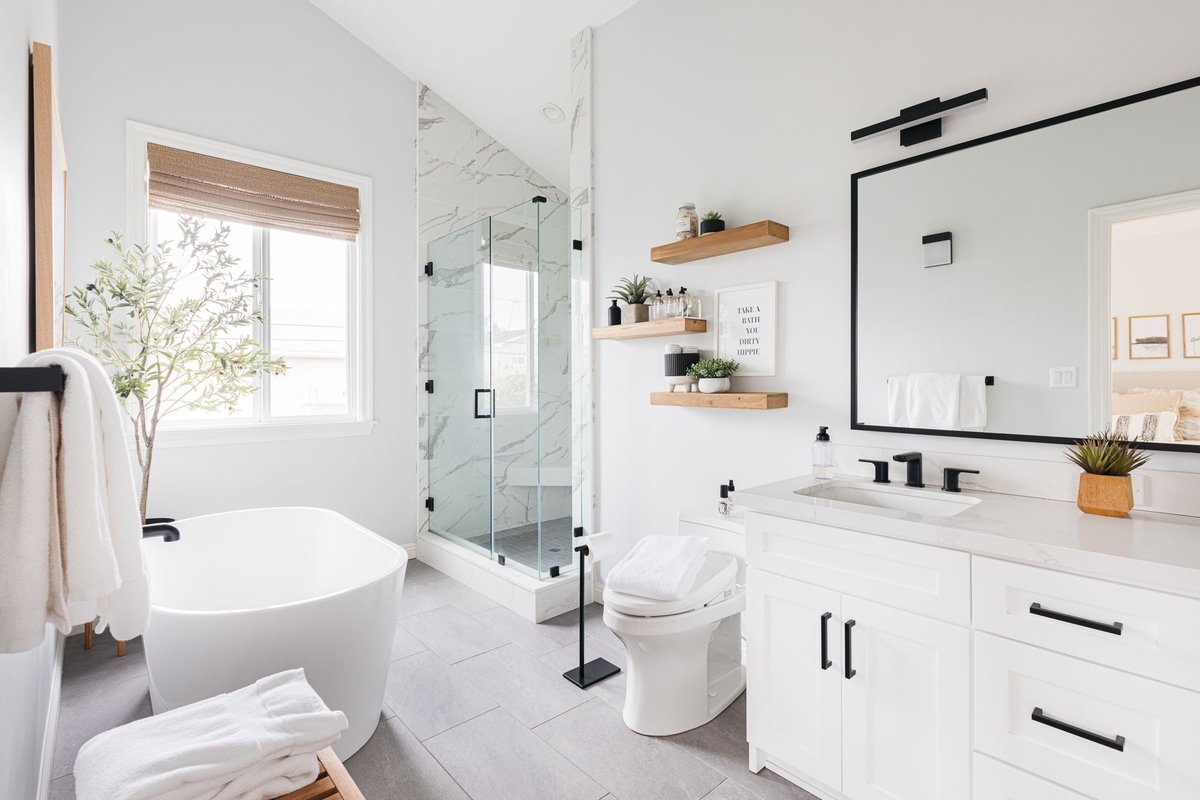
Step into most bathrooms, and you’ll often find a familiar scene: counter spaces overflowing, toiletries vying for elbow room, and towels stacked precariously. It’s a daily battle against clutter, and the answer to winning this war often lies in a well-chosen bathroom standing cabinet. More than just a piece of furniture, it’s a strategic storage solution designed to bring order, efficiency, and a touch of style to your most intimate space.
But picking the right one? That’s where it gets interesting. With countless options out there, from sleek minimalist towers to charming farmhouse-inspired units, navigating the choices can feel overwhelming. This guide is designed to cut through the noise, equipping you with the expert insights you need to select a cabinet that doesn’t just fit your bathroom, but truly transforms it.
At a Glance: Your Bathroom Standing Cabinet Checklist
- Solve the Clutter Crisis: Understand how vertical storage can free up precious counter space.
- Size It Up: Precise measurements are non-negotiable for a perfect fit and flow.
- Material Matters: Prioritize moisture-resistant finishes for longevity in humid environments.
- Match Your Vibe: Select a style that complements your existing bathroom décor.
- Tailor Your Storage: Decide between open shelves, closed cabinets, or a mix based on your needs.
- Ease of Assembly: Consider pre-assembled options or be prepared for a DIY project.
- Safety First: Always anchor taller units to the wall to prevent tipping.
Reclaiming Your Oasis: Why a Bathroom Standing Cabinet is a Smart Move
Bathrooms, regardless of their size, are often multi-functional spaces that house a surprising array of items – from daily essentials like toothpaste and soap to backup supplies, linens, and cleaning products. Without adequate organization, this essential room quickly devolves into chaos. This is precisely where a bathroom standing cabinet shines, offering a versatile and often overlooked solution.
Unlike built-in cabinetry, a standing cabinet provides flexibility. It requires no complex installation, making it an ideal choice for renters or those who prefer not to embark on a full renovation. Its inherent mobility means you can rearrange your bathroom layout with ease, adapting to changing needs or even taking the cabinet with you if you move. Crucially, it leverages vertical space, transforming unused corners or walls into functional storage zones without eating into your precious floor area. Think of it as an architectural upgrade without the contractor fees.
The Non-Negotiables: Crucial Considerations Before You Buy
Choosing a bathroom standing cabinet isn’t just about aesthetics; it’s about making a functional investment that stands the test of time and truly meets your needs. Here’s what to scrutinize before you commit.
Size and Scale: Measure Twice, Buy Once
This cannot be stressed enough: dimensions are paramount. A cabinet that looks perfect online can dwarf a small bathroom or disappear in a large one, disrupting the room’s balance and flow.
- Footprint: First, measure the available floor space where you intend to place the cabinet. Factor in door swings (both the bathroom door and any cabinet doors), the shower entrance, and general traffic paths. You don’t want a beautiful new cabinet that makes your bathroom feel cramped or blocks essential movement.
- Height: Consider the overall height. Will it be a “linen tower” that nearly reaches the ceiling, offering maximum vertical storage? Or a shorter, perhaps wider unit that fits under a window or next to a vanity? Taller cabinets naturally draw the eye upward, making a small room feel larger, but ensure it doesn’t overpower the space. Always check for clearance if placing near a light fixture or wall-mounted mirror.
- Depth: This is often overlooked. A cabinet that’s too deep can protrude awkwardly into the room, making it uncomfortable to move around. Conversely, a cabinet that’s too shallow might not hold your bulkier items like toilet paper rolls or stacks of towels. Aim for a depth that accommodates your primary storage items without creating an obstruction. Standard depths often range from 10 to 16 inches, but always verify.
Material Matters: Durability Meets Design
The bathroom is a high-humidity environment, making material choice critical for longevity. A cheap material, even if stylish, will quickly warp, peel, or mildew in these conditions.
- MDF (Medium-Density Fiberboard) / Engineered Wood: This is a common and budget-friendly option. When properly sealed and finished with a moisture-resistant laminate or paint, it can perform well. However, if water penetrates the finish, MDF will swell and degrade. Look for units specifically designed for bathrooms with high-quality, seamless finishes.
- Solid Wood: Offers superior durability and a classic aesthetic. Woods like teak or cedar have natural water resistance, but most solid wood cabinets will need a robust, waterproof sealant or marine-grade finish to prevent warping and rot. They are generally more expensive but offer a timeless appeal and can last for decades.
- Bamboo: An excellent eco-friendly choice, bamboo is naturally resistant to moisture, mold, and mildew. It’s lightweight, strong, and offers a warm, spa-like aesthetic. It’s often found in modern or Asian-inspired designs.
- Metal (e.g., Stainless Steel): For a contemporary or industrial look, stainless steel is highly durable and rust-resistant. It’s easy to clean and can withstand splashes without issues. Ensure any metal components are truly rust-proof, especially hardware.
- Plastic/Resin: While less aesthetic, plastic or resin cabinets are completely waterproof, lightweight, and very budget-friendly. They’re often seen in utilitarian contexts or secondary bathrooms.
Prioritize materials and finishes specifically rated for high-moisture environments. A cabinet advertised for a “general living space” might not hold up in a steamy bathroom.
Style Sync: Blending with Your Bathroom’s Aesthetic
Your bathroom standing cabinet should enhance, not clash with, your existing décor. It’s an opportunity to reinforce your bathroom’s personality.
- Modern Minimalist: Look for clean lines, simple hardware (or none at all), solid colors (whites, grays, blacks), and materials like metal or glossy MDF.
- Farmhouse Rustic: Think distressed wood finishes, barn-door sliders, open shelving, and perhaps a mix of wood and metal accents. Natural wood tones are key.
- Classic Traditional: Opt for rich wood tones (cherry, walnut), decorative moldings, recessed panel doors, and antique-finished hardware.
- Transitional: This popular style blends classic elements with modern simplicity. It’s versatile, often featuring clean lines with subtle curves or a mix of materials.
Consider the existing color palette of your tiles, walls, and vanity. Does the cabinet’s finish, color, and hardware complement these elements? A cohesive design creates a more serene and pulled-together space.
Storage Smart: Tailoring to Your Needs
This is where you match the cabinet’s features to your personal organization style and what you actually need to store.
- Shelves:
- Adjustable: Offers the most flexibility for different-sized items, from tall shampoo bottles to folded towels. Highly recommended.
- Fixed: Less adaptable but often provides more structural rigidity.
- Open: Great for displaying decorative items, neatly folded towels, or frequently accessed essentials. Can look cluttered if not maintained.
- Closed: Ideal for hiding less aesthetically pleasing items (extra toilet paper, cleaning supplies, personal care products). Provides a cleaner, more organized look.
- Drawers: Excellent for small, loose items that tend to get lost on shelves (makeup, combs, medications). Look for soft-close drawers for a touch of luxury and quiet operation. Consider the depth and number of drawers you’ll need.
- Doors: Assess the type of door. Solid doors hide clutter effectively. Glass-front doors can display items elegantly but require tidiness. Magnetic closures or soft-close hinges are a plus for durability and quiet use.
Think about what you’re storing. Do you have many small items, or mostly large towels? Do you want to hide everything away, or do you have beautiful soaps and rolled towels you’d like to showcase? Your answers will guide your ideal storage configuration. When you’re ready to make a selection, you’ll find a wide array of options when you explore freestanding bathroom cabinets.
Assembly and Installation: Your DIY Comfort Zone
Be honest with yourself about your handyman skills and patience.
- Flat-Pack (Ready-to-Assemble): Most common, especially for budget-friendly options. Requires assembly, which can range from straightforward to frustratingly complex. Check reviews for comments on assembly difficulty. All necessary hardware and instructions should be included.
- Pre-Assembled: Ready to use straight out of the box (or with minimal attachment of legs/handles). More expensive but saves significant time and effort.
- Wall Anchors: For safety, particularly with taller or top-heavy units, always anchor your standing cabinet to the wall. This prevents tipping, which is a serious hazard, especially in homes with children or pets. Ensure the cabinet comes with anti-tip hardware or purchase a kit separately.
Where to Put It: Strategic Placement for Maximum Impact
The beauty of a bathroom standing cabinet is its adaptability. Its placement can dramatically affect both aesthetics and functionality.
- Next to the Vanity: This is a classic placement, effectively extending your counter space and providing immediate access to toiletries. A slim cabinet here can act as a “linen tower” for towels or a vertical extension of your grooming area.
- Over the Toilet: This utilizes often-wasted space above the toilet. Make sure to choose a cabinet designed for this purpose – usually a narrow, over-the-toilet unit – or a very slim standing cabinet that won’t interfere with toilet access. Ensure ample clearance above the tank.
- In an Unused Corner: Corners are perfect for taller, narrower cabinets. A corner placement can be highly efficient for space saving and can often make a small room feel less cramped by tucking storage out of the main thoroughfare.
- Near the Shower/Tub: Ideal for storing fresh towels, bath bombs, or extra shower products. Ensure the cabinet’s material and finish are highly water-resistant due to its proximity to direct moisture.
- Against an Open Wall: If you have an empty wall, a standing cabinet can anchor the space, creating a focal point and adding significant storage. Ensure it doesn’t impede door swings or traffic flow.
Always visualize the cabinet in your space. Use painter’s tape to outline its dimensions on the floor and wall. Consider how it interacts with other fixtures like windows, mirrors, and light switches. You’ll be surprised how much better you can gauge the fit and feel this way.
Beyond the Basics: Features That Elevate Your Choice
While core functionality is key, certain features can significantly enhance your cabinet’s usability and convenience.
- Adjustable Shelving: This is a game-changer. The ability to customize shelf height means your cabinet can adapt to everything from extra-tall shampoo bottles to stacks of hand towels. Without it, you might find yourself with unusable gaps or items that don’t quite fit.
- Soft-Close Hinges and Drawers: A small detail that makes a big difference. These prevent slamming, reduce wear and tear, and add a touch of quiet luxury to your daily routine. No more jarring clunks in the early morning.
- Integrated Power Outlets: Some modern cabinets come with discreetly placed power strips or USB ports inside a drawer or cabinet compartment. This is incredibly handy for charging electric toothbrushes, shavers, or other devices, keeping cords out of sight and off your counter.
- Legs vs. Base: Cabinets with legs elevate the unit, making it easier to clean the floor underneath and giving a lighter, more open feel to the room. Cabinets with a solid base sit directly on the floor, offering a more grounded look and sometimes slightly more storage volume.
- Leveling Feet: If your bathroom floor isn’t perfectly even (a common issue in older homes), adjustable leveling feet are invaluable. They ensure your cabinet stands straight and stable, preventing wobbles and potential hazards.
- Mirrored Doors: Some standing cabinets incorporate a mirror on the door, offering dual functionality—storage behind and a handy reflection on the exterior. This is especially useful in smaller bathrooms where wall space for a separate mirror is limited.
Longevity & Care: Making Your Cabinet Last
Even the best-chosen bathroom standing cabinet won’t last if it’s not properly maintained, especially in the challenging bathroom environment.
- Regular Cleaning: Dust and wipe down your cabinet regularly. For most materials, a soft, damp cloth and mild cleaner are sufficient. Avoid abrasive sponges or harsh chemicals, which can damage finishes, particularly on painted or laminated surfaces.
- Address Moisture Promptly: The biggest enemy of bathroom furniture is lingering moisture. Wipe up any splashes or spills immediately. Ensure your bathroom has good ventilation (an exhaust fan or open window) to reduce overall humidity after showers. This prevents mildew growth and material warping.
- Tighten Hardware: Over time, hinges and drawer slides can loosen. Periodically check and tighten any screws to keep doors aligned and drawers running smoothly. A loose door can sag and put stress on the cabinet structure.
- Avoid Overloading: While tempting to stuff every available inch, overloading shelves can cause them to bow or even break, compromising the cabinet’s integrity. Distribute weight evenly and respect the cabinet’s structural limits.
- Touch-Ups: For painted or wooden cabinets, keep a small amount of matching paint or stain on hand for minor nicks or scratches. Promptly addressing these small imperfections can prevent moisture from penetrating the core material.
When considering the long-term, think about the initial quality and construction of various freestanding bathroom cabinets. A well-made cabinet, properly cared for, can serve you beautifully for years.
Common Pitfalls to Sidestep
Even with the best intentions, it’s easy to make mistakes when selecting and integrating a new piece of furniture. Awareness is your best defense.
- Ignoring Dimensions (The Cardinal Sin): As mentioned, this is the most common and easily avoidable mistake. A cabinet that’s too big makes a room feel cramped; one that’s too small looks out of place. Always measure, measure, and then measure again.
- Underestimating Moisture Damage: Buying a beautiful piece not designed for high humidity is a recipe for disaster. The “living room cabinet” special won’t survive long in a steamy bathroom. Prioritize water-resistant materials and finishes.
- Prioritizing Looks Over Functionality: A stunning cabinet that doesn’t hold what you need, or makes it hard to access, will quickly become an expensive inconvenience. Form should follow function, especially in a practical space like a bathroom.
- Overloading the Cabinet: Just because there’s space doesn’t mean you should fill it to the brim. Overloading can strain shelves, cause doors to misalign, and even make the unit unstable.
- Forgetting Safety Anchors: Taller, heavier cabinets, especially those with narrow footprints, are tipping hazards. Skipping the wall anchor installation, even if you don’t have kids or pets, is a serious safety oversight.
Quick Answers to Common Questions
Are bathroom standing cabinets stable?
Yes, they can be very stable. Stability largely depends on the cabinet’s design (a wider base is generally more stable than a very narrow one), its construction quality, and critically, whether it’s properly assembled and anchored to the wall. For any taller unit, wall anchoring is essential for safety.
Can I use a standing cabinet in a small bathroom?
Absolutely! Standing cabinets are often ideal for small bathrooms because they utilize vertical space. Look for slim, tall “linen tower” styles, corner units, or over-the-toilet cabinets. Clear glass doors can also help a small space feel less visually heavy.
How do I protect my cabinet from water damage?
Good ventilation is key to reducing overall humidity. Beyond that, ensure the cabinet itself has a moisture-resistant finish (paint, lacquer, laminate). Wipe up any water splashes immediately, especially on seams or edges. For wooden units, you might consider reapplying a waterproof sealant every few years.
Is assembly difficult?
It varies greatly. Some flat-pack cabinets are designed for simple, tool-free assembly, while others can be complex and time-consuming, requiring multiple tools and a good chunk of patience. Always check product reviews for feedback on assembly difficulty, and look for clear, detailed instructions. If in doubt, pre-assembled options are available, albeit often at a higher price.
What’s the difference between a linen tower and a standing cabinet?
Often, the terms are used interchangeably. However, “linen tower” typically refers to a tall, narrow standing cabinet specifically designed to store linens like towels. While a general “standing cabinet” might be wider and include more drawers or a mix of open/closed storage, a linen tower’s primary goal is maximizing vertical storage for textiles.
Ready to Transform Your Bathroom? Your Next Steps
You’re now equipped with the knowledge to make an informed decision, turning a potential headache into an exciting home improvement project. A well-chosen bathroom standing cabinet is more than just storage; it’s an investment in a more organized, functional, and aesthetically pleasing bathroom experience.
- Measure Meticulously: Grab your tape measure and note down all relevant dimensions – floor space, height clearances, and ideal depth.
- Define Your Needs: Make a list of what you need to store and how you prefer to access it. This will clarify your requirements for shelves, drawers, and door types.
- Set Your Budget: Determine how much you’re comfortable spending. This will help you narrow down material and brand options.
- Explore Your Options: Visit online retailers, local home improvement stores, and furniture showrooms. Get a feel for different styles, materials, and price points.
- Read Reviews: Pay close attention to customer feedback regarding assembly, durability, and how well the cabinet holds up in a bathroom environment.
With your measurements in hand and your style preferences clear, you’re ready to explore freestanding bathroom cabinets that perfectly fit your needs, bringing harmony and elevated style to your daily routine. Happy hunting!

- Selecting a Bathroom Standing Cabinet for Optimal Space and Storage - November 2, 2026
- Towel Rack With Towel Bar Smart Storage for Your Bathroom - November 1, 2026
- Bathroom Shelf With Towel Bar Offers Convenient Storage and Style - October 31, 2026