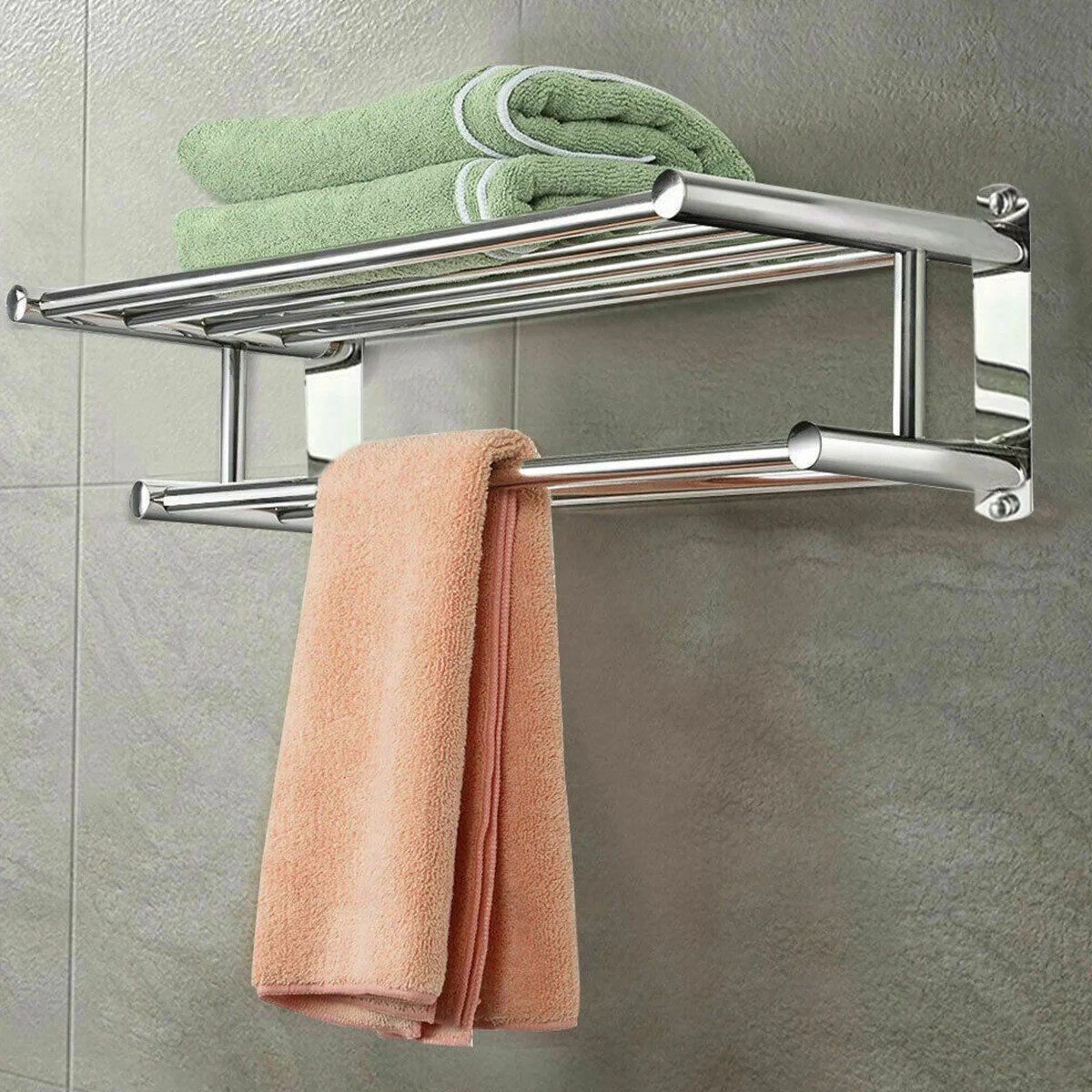
Imagine a bathroom where everything has its place: fluffy towels neatly stacked, toiletries within easy reach, and damp bath towels air-drying efficiently, all without cluttering your precious counter space. This isn’t just a dream, it’s the everyday reality a well-chosen towel rack with towel bar brings to your home. More than just a simple accessory, this dual-purpose fixture is a smart storage powerhouse, combining vertical shelving with hanging capability to transform even the most chaotic bathroom into a tranquil, organized sanctuary.
At a Glance: Smart Storage with a Towel Rack and Bar
- Maximize vertical space: Learn how a combined unit clears counters and floors.
- Choose the right style and material: Match your bathroom’s aesthetic and humidity needs.
- Strategic placement matters: Discover ideal locations for functionality and design.
- Simplified installation: Gain confidence with practical mounting tips and tools.
- Beyond just towels: Unlock its potential for toiletries, decor, and drying.
- Avoid common pitfalls: Ensure durability and long-term satisfaction.
The Dual Advantage: Why a Combined Unit Just Makes Sense
In many bathrooms, especially smaller ones, wall space is at a premium, and every square inch counts. A standalone towel bar handles damp towels, but offers no place for folded linens or personal care items. A simple shelf, while useful for storage, leaves wet towels draped over fixtures or piled on the floor. This is where the elegant synergy of a towel rack with a towel bar truly shines. It’s a space-saving marvel, consolidating two essential functions into one sleek unit.
Think of it as the ultimate multi-tasker for your bathroom. The upper rack provides a perfect perch for clean, rolled bath towels, extra toilet paper rolls, or even small decorative accents that bring personality to the room. Simultaneously, the integrated bar underneath offers dedicated space for your used bath towel to air dry, preventing mildew and keeping it off the floor or shower rod. This thoughtful design immediately reduces visual clutter, making your bathroom feel larger, cleaner, and significantly more organized. For a broader perspective on how these combined units fit into a larger strategy for a stylish and clutter-free washroom, explore how a Maximize bathroom storage and style.
Decoding Your Options: Types and Materials for Every Bathroom
The market offers a diverse array of towel racks with towel bars, each designed to complement different bathroom styles and functional needs. Understanding these options is the first step toward making an informed choice.
Wall-Mounted: The Go-To Solution
Most towel rack with towel bar units are designed to be wall-mounted. This permanent fixture ensures stability and leverages vertical space effectively. While there are also over-the-door or freestanding options available for general towel storage, the true strength of the combined rack-and-bar unit lies in its secure, wall-mounted installation, which maximizes both storage and drying capabilities without taking up floor space.
Material Matters: Durability Meets Design
The material of your towel rack with towel bar significantly impacts its durability, maintenance, and overall aesthetic. Bathrooms are humid environments, so moisture resistance is key.
- Stainless Steel: A top contender for its excellent resistance to rust and corrosion, even in high-humidity bathrooms. It’s incredibly durable and offers a sleek, modern look. Often available in brushed or polished finishes.
- Pros: Highly durable, rust-resistant, easy to clean.
- Cons: Can be pricier; some finishes show water spots more readily.
- Brass: Known for its classic appeal and robustness. Brass naturally resists corrosion and can be finished in various ways, from polished to antique (oil-rubbed bronze). It develops a beautiful patina over time if left unlacquered.
- Pros: Durable, naturally antimicrobial, luxurious appearance.
- Cons: Can be expensive; requires specific cleaning to maintain shine or manage patina.
- Aluminum: A lightweight and cost-effective alternative. Aluminum is rust-resistant, making it suitable for bathroom environments, though it might not be as heavy-duty as stainless steel or brass.
- Pros: Lightweight, rust-resistant, affordable.
- Cons: Can dent more easily than steel; may have a less substantial feel.
- Tempered Glass with Metal Accents: Some designs feature a tempered glass shelf supported by metal brackets and a metal towel bar. This offers a light, airy aesthetic, ideal for smaller bathrooms where you want to minimize visual bulk.
- Pros: Visually light, modern, easy to clean glass.
- Cons: Glass can break (though tempered glass is safer); might have lower weight capacity.
- Wood with Protective Finish: For a warmer, more natural look, wood shelves with metal towel bars are an option. These typically use moisture-resistant woods like teak or bamboo, or standard woods treated with a marine-grade sealant.
- Pros: Natural, warm aesthetic; can complement spa-like or rustic designs.
- Cons: Requires more careful maintenance to prevent water damage; sealants may need reapplication over time.
Finishes and Styles: Harmonizing with Your Decor
Beyond the core material, the finish dictates how the fixture integrates into your bathroom’s design.
- Polished Chrome: Classic, highly reflective, and bright. Works well with modern and traditional designs.
- Brushed Nickel: A softer, matte metallic look that hides fingerprints and water spots better than chrome. Very popular and versatile.
- Matte Black: A contemporary, bold choice that creates striking contrast, especially in minimalist or industrial bathrooms.
- Oil-Rubbed Bronze: Offers a rich, dark, antique feel, perfect for traditional or rustic aesthetics.
Sizing Up Your Space: Placement and Dimensions That Work
Choosing the right size and placement for your towel rack with towel bar isn’t just about aesthetics; it’s about maximizing functionality and user experience. A poorly placed unit can obstruct movement, feel awkward, or simply fail to provide the utility you need.
Measuring Smart: Before You Buy
Before even considering a specific model, take precise measurements of your available wall space.
- Width: How wide is the wall section where you plan to install it? Remember to account for at least 2-3 inches of clearance on either side of the unit for visual balance and ease of access. Standard towel bars often range from 18 to 24 inches wide, so ensure your wall can accommodate this, plus the shelf above.
- Height: How much vertical space do you have? Consider items you might place on the shelf (e.g., stacked towels) and the clearance needed for towels hanging from the bar.
- Depth: While most units don’t protrude excessively, ensure the shelf’s depth won’t impede movement in a narrow hallway or small bathroom. Typical depths range from 5 to 10 inches.
Ideal Heights and Placement Strategies
Where you install your towel rack with towel bar dramatically impacts its usability.
- Above the Toilet: This is a classic and highly effective location, especially in smaller bathrooms. It utilizes otherwise unused vertical space. Ensure enough clearance above the toilet tank for easy access to the flush handle. A good rule of thumb is to place the bottom of the towel bar at least 20-24 inches above the tank lid.
- Near the Shower or Bathtub: For convenience, placing the unit within easy reach of the shower allows you to grab a fresh towel immediately upon exiting. Ensure it’s far enough away from the direct spray to prevent constant wetting of the clean towels on the shelf, but close enough to be practical. Often, placing it on the wall opposite the showerhead or just outside the shower door works well. The towel bar should typically be around 48-52 inches from the floor for comfortable reach.
- Above the Vanity: If space permits, placing it above the vanity can offer convenient storage for hand towels and toiletries right where you need them. However, be mindful of obstructing a mirror or light fixture.
- The “Goldilocks” Zone: A general guideline for the towel bar height is between 42 to 52 inches from the floor. This range accommodates most adults comfortably for grabbing and hanging towels without excessive bending or reaching. The shelf would naturally sit 10-15 inches above the bar.
Case Snippet: The Small Powder Room Dilemma
Maria lived in a small apartment with a tiny powder room. Counter space was non-existent. She opted for a compact, 18-inch-wide stainless steel towel rack with a towel bar, mounting it precisely 22 inches above her toilet tank. This allowed her to store two rolled hand towels on the shelf and hang a fresh one on the bar, freeing up her miniature pedestal sink for soap and lotion. The sleek design and clever placement made the cramped space feel organized rather than cluttered.
Weight Capacity: A Hidden Consideration
Don’t overlook the weight capacity. While most units are designed to hold towels and light toiletries, if you plan to stack several heavy bath sheets or larger bottles, check the manufacturer’s specifications. A well-installed unit anchored into a wall stud will naturally hold more weight than one relying solely on drywall anchors.
Installation Simplified: Getting Your Towel Rack Securely Mounted
Even the most beautiful towel rack with a towel bar is useless if it’s not securely installed. A shaky unit isn’t just an annoyance; it’s a safety hazard and can damage your wall. While the specific steps vary slightly by model, the core process remains consistent.
Tools You’ll Need
Gathering your tools beforehand makes the job much smoother:
- Drill: With appropriate drill bits for your wall type (e.g., masonry for tile, wood bits for studs, general-purpose for drywall).
- Level: Crucial for ensuring your rack is perfectly straight.
- Tape Measure: For accurate placement and marking.
- Pencil: To mark drilling points.
- Stud Finder: Highly recommended to locate wall studs for the most secure mounting.
- Screwdriver: Often, a Phillips head is needed for the mounting screws.
- Hammer: If using certain types of drywall anchors (e.g., tap-in anchors).
Step-by-Step Installation Guide
- Plan and Mark: Hold the towel rack (or its mounting bracket) against the wall at your desired height and location. Use your level to ensure it’s perfectly horizontal. Lightly mark the screw hole positions with a pencil.
- Locate Studs (Optional but Recommended): Use a stud finder to see if any marked points align with wall studs. Mounting directly into a stud provides the strongest hold. If you find a stud, use wood screws appropriate for the stud’s depth.
- Prepare for Anchors (If No Studs): If your marks fall in drywall, you’ll need drywall anchors. These come in various types (plastic expansion anchors, toggle bolts, self-drilling anchors, molly bolts). Each type requires a specific drill bit size, so check your anchor’s instructions.
- Quick Tip: For heavier units or items, toggle bolts or molly bolts offer superior holding power compared to basic plastic anchors.
- Drill Pilot Holes: Using the correct drill bit size (smaller than the screw, larger than the anchor for pilot holes), drill at your marked locations. If drilling into tile, use a specialized tile bit and apply painter’s tape over the spot to prevent slipping and cracking.
- Insert Anchors: If using drywall anchors, insert them into the pilot holes according to their specific instructions. Some twist in, others tap in, and some require a screwdriver to expand.
- Mount the Brackets/Rack: Attach the mounting brackets (if separate) or the rack itself to the wall using the provided screws, driving them into the studs or anchors. Ensure all screws are snug but avoid overtightening, which can strip screws or damage anchors.
- Final Checks: Gently tug on the installed unit to confirm it’s secure. Use your level one last time to double-check alignment.
Common Installation Pitfalls to Avoid
- Uneven Mounting: Nothing looks worse than a crooked towel rack. Always use a level!
- Skipping Anchors for Drywall: Screwing directly into drywall without an anchor is a recipe for disaster. The unit will eventually pull out, taking a chunk of your wall with it.
- Using the Wrong Anchors: Basic plastic anchors aren’t suitable for heavy-duty applications. Match your anchor type to the expected load and wall material.
- Hitting Pipes or Electrical Wires: Before drilling, especially in areas like behind a toilet or near a vanity, use a stud finder with electrical detection or consult your home’s blueprints if unsure. Exercise extreme caution.
- Overtightening Screws: This can strip the screw head, crack the mounting bracket, or damage the drywall anchor, compromising the unit’s stability.
Maximizing Utility: Beyond Just Towels
The beauty of a towel rack with a towel bar lies in its versatility. While its primary function is clear, thinking creatively about its use can unlock even more storage and stylistic potential.
What to Store on the Shelf
The upper rack is ideal for items that need to be accessible yet tidy.
- Clean, Rolled Towels: Stack them neatly by size or color. Rolling them often looks more appealing and saves space than folding.
- Spare Toilet Paper: Keep extra rolls handy, especially if your vanity lacks drawer space.
- Toiletries and Bath Essentials: Store beautifully bottled lotions, bath salts, or extra soaps. Consider small decorative baskets or trays to corral smaller items and add an extra layer of organization.
- Decorative Items: A small potted plant, a scented candle, or a piece of art can elevate the bathroom’s aesthetic.
- Hand Baskets: Small, open-top baskets can hold hair ties, cotton swabs, or other small necessities, making them easy to grab.
What to Hang on the Bar
The towel bar is specifically designed for air circulation and convenience.
- Damp Bath Towels: Its primary purpose. Hanging a towel fully extended allows for efficient drying, preventing musty smells and mildew.
- Hand Towels: For daily use, hanging a hand towel allows guests or family members easy access.
- Bath Mats: After a shower, briefly hang your bath mat over the bar to dry out before placing it back on the floor.
Practical Tip: The Guest Bathroom Setup
When preparing for guests, consider placing a small stack of fresh, guest-sized towels on the shelf. On the bar, hang a clean hand towel. This thoughtful arrangement makes guests feel welcome and provides everything they need without having to search through cabinets.
Hooks for More: Expanding Functionality
Some towel racks with towel bars come with integrated hooks, or you can often add small S-hooks to the bar or rack itself. These are fantastic for:
- Loofahs and Shower Puffs: Keep them off the shower floor to dry thoroughly.
- Washcloths: Handy for quick drying.
- Bathrobes or Pajamas: Hang them within easy reach after a shower.
Maintaining Your Investment: Keeping It Looking Pristine
Regular maintenance ensures your towel rack with towel bar not only looks good but also functions optimally for years to come. The specific care routine depends largely on the material and finish.
- General Cleaning: For most metal finishes (chrome, brushed nickel, stainless steel), a soft, damp cloth with a mild soap solution is usually sufficient. Avoid abrasive cleaners or scouring pads, which can scratch the finish. Wipe dry immediately to prevent water spots.
- Matte Black Finishes: These can be prone to showing fingerprints and water marks. Use a microfiber cloth with water or a non-abrasive, ammonia-free glass cleaner.
- Oil-Rubbed Bronze: Often, a soft, dry cloth is best for dusting. For deeper cleaning, check the manufacturer’s recommendations; some suggest only water, while others allow mild soap. Avoid harsh chemicals that can strip the finish.
- Wood Shelves: If you have a wood shelf, regularly wipe away any moisture. If the wood is sealed, clean with a damp cloth and mild wood cleaner. Reapply a sealant periodically if necessary to maintain moisture resistance.
- Check for Loose Fittings: Over time, due to gravity and daily use, mounting screws can sometimes loosen. Periodically (e.g., every 6-12 months), gently test the unit’s stability. If it feels wobbly, tighten the screws, but remember not to overtighten.
Quick Answers to Your Towel Rack Questions
Can I install a towel rack with towel bar in a rental property?
It depends on your lease agreement. Permanent wall installations often require landlord permission. For a rental, consider options that use adhesive strips for lighter items (though less secure) or discuss with your landlord about professional installation if it significantly improves the space. Often, if you repair any holes upon moving out, it’s acceptable, but always clarify first.
How much weight can a typical towel rack with towel bar hold?
Most well-installed wall-mounted units can comfortably hold 10-20 pounds of weight. If mounted directly into wall studs, this capacity can increase significantly (25-50+ pounds). Always refer to the manufacturer’s specifications for exact weight limits. For drywall installations, the anchor type is crucial; heavy-duty toggle or molly bolts will support more than simple plastic anchors.
Are all towel bars standard length?
No, towel bar lengths vary. Common widths for the bar itself range from 18 inches (good for hand towels or small bath towels) to 24 inches (standard bath towels) and up to 30 inches or more (for larger bath sheets or multiple towels). Consider the size of your towels and available wall space when choosing.
What’s the best material for a highly humid bathroom?
Stainless steel is generally considered the best choice due to its superior rust and corrosion resistance. Brass is also excellent. Aluminum is a good, more affordable alternative, but may not be as robust as stainless steel.
Can I use the rack to store large bath sheets?
Yes, but you’ll need to consider the depth of the shelf and the width of the bar. For bath sheets, which are larger than standard bath towels, you might need to roll them more tightly on the shelf or fold them differently. Ensure the bar is wide enough (24 inches or more) to allow them to hang and dry efficiently without being excessively bunched up.
Your Next Step: Choosing the Right Towel Rack with Towel Bar
You now have a clearer understanding of what goes into selecting, installing, and maximizing a towel rack with towel bar. The decision comes down to a few key factors that should guide your choice:
- Assess Your Space: Measure your available wall area (width, height, depth) and identify the best location for maximum convenience and minimal obstruction.
- Define Your Style: Consider your bathroom’s existing decor. Do you need a sleek, modern stainless steel unit, a rustic wood shelf, or an elegant oil-rubbed bronze fixture? The finish is just as important as the material.
- Prioritize Material: Based on your bathroom’s humidity levels and your budget, select a material known for durability and moisture resistance (e.g., stainless steel for high humidity, brass for classic appeal).
- Confirm Installation Needs: Think about your DIY comfort level and wall type. If you have plaster or tile, installation might require specialized tools or professional help. Ensure the unit comes with appropriate mounting hardware or plan to purchase heavy-duty anchors.
- Consider Your Storage Habits: How many towels do you need to store? What other items do you want to keep on the shelf? This will influence the rack’s size and weight capacity.
By addressing these points, you can confidently select a towel rack with towel bar that not only solves your storage dilemmas but also enhances the overall aesthetic and functionality of your bathroom. Get ready to enjoy a more organized, stylish, and convenient washroom experience.

- Towel Rack With Towel Bar Smart Storage for Your Bathroom - November 1, 2026
- Bathroom Shelf With Towel Bar Offers Convenient Storage and Style - October 31, 2026
- Purple Bathroom Accessories to Elevate Your Home Decor - October 30, 2026