Squeezing into a standard bathtub built for one is hardly a recipe for relaxation. For couples, it’s a compromise of bent knees and awkward angles. For solo bathers, it’s a missed opportunity for a truly immersive soak. The solution, a spacious 2 person bath tub, transforms your bathroom from a functional necessity into a shared sanctuary for unwinding and reconnecting.
But stepping into the world of two-person tubs reveals a surprising number of choices. From jetted whirlpools to serene soaking models, the right tub can redefine your entire bathing experience. This guide is your definitive resource for navigating the options, understanding the logistics, and choosing a tub you’ll love for years to come.
At a Glance: Your Two-Person Tub Checklist
Before you dive in, here are the key takeaways to guide your search:
- Measure Everything: Your bathroom, your doorways, your hallways. A tub that can’t get inside is just a large lawn ornament.
- Know Your Types: The main installation styles—freestanding, drop-in, and alcove—dictate the look and complexity of your project.
- Choose Your Experience: Decide between a simple soaker, a therapeutic whirlpool, a gentle air bath, or a combination of features.
- Consider the Weight: Two people plus 80-100+ gallons of water is heavy. Confirm your floor joists can handle the load, especially on upper floors.
- Don’t Forget the Water Heater: A larger tub needs a water heater that can keep up. An undersized unit will leave you in a lukewarm predicament.
More Than a Fixture: Why a Two-Person Tub is an Investment in Wellness
Choosing a two-person tub isn’t just about upgrading a piece of plumbing; it’s about investing in a lifestyle. In our always-on world, creating spaces for genuine disconnection is paramount. A side-by-side soak offers a rare opportunity for quiet conversation or shared silence, free from the glow of screens.
Beyond the shared experience, these tubs offer superior solo relaxation. The extra length and depth allow you to fully submerge, letting the warm water work its magic on sore muscles and a stressed-out mind. This isn’t just a bigger tub; it’s a better bathing experience, whether you’re alone or with a partner. As you begin your search, it’s helpful to see the full range of what’s available and Explore two person tubs to get a feel for different styles and features.
Finally, a well-chosen two-person tub can be a significant value-add for your home. In master suites, a spacious, luxurious bathtub is often a key feature that attracts potential buyers, elevating the entire feel of the space from standard to spa-like.
The First Big Decision: How Will Your Tub Be Installed?
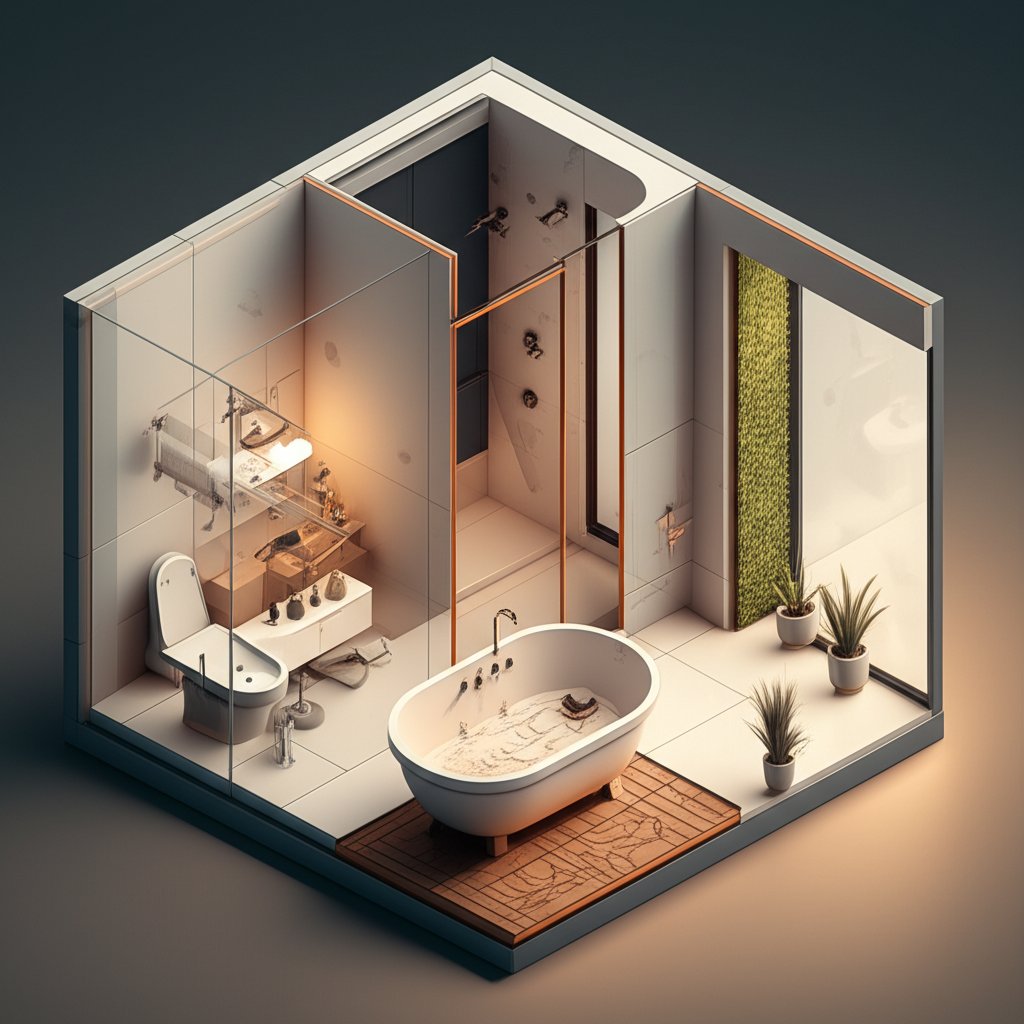
Before you get lost in the world of jets and special features, your first choice is a practical one: the installation type. This determines the tub’s footprint, the look of your bathroom, and the complexity of the renovation.
Freestanding Tubs: The Statement Piece
A freestanding tub stands alone, unconnected to any walls. It’s a bold, sculptural element that can anchor the design of a bathroom.
- Pros: Creates a dramatic focal point. Offers flexible placement options (as long as plumbing allows). Available in a huge variety of shapes, from classic clawfoot to modern ovals.
- Cons: Requires more floor space around it for cleaning and access. Plumbing is more exposed and can be more expensive to install. Generally offers no deck space for toiletries.
Drop-In Tubs: Seamless and Integrated
A drop-in tub is a shell that is lowered into a custom-built frame, or “surround.” This surround is then finished with tile, stone, or wood to match your bathroom décor.
- Pros: Creates a clean, built-in look. The surround provides ample deck space for faucets, soaps, and candles. Allows for endless design customization.
- Cons: The surround adds to the overall cost and construction time. Can have a larger footprint than the tub itself.
Many homeowners find drop-in models offer the perfect balance for a primary bathroom, especially when considering Garden tubs for two, which are often designed in this style for maximum depth.
Alcove Tubs: The Space-Saving Solution
An alcove tub is the most common type found in homes, designed to fit snugly into a three-walled recess. While many are single-person models, larger alcove tubs designed for two are becoming more popular.
- Pros: Maximizes floor space in smaller bathrooms. The surrounding walls are perfect for installing a showerhead.
- Cons: Placement is fixed, offering no design flexibility. The selection of two-person alcove models is more limited than other types.
This is the go-to configuration if you need a Couples tub shower combo, as the walls provide a natural enclosure for waterproofing and mounting shower fixtures.
Undermount Tubs: The Sleekest Look
Similar to a drop-in, an undermount tub is installed beneath a solid deck of stone or quartz. The edge of the tub is completely concealed, creating a smooth, uninterrupted surface.
- Pros: Offers an exceptionally clean, high-end, and modern aesthetic. Very easy to clean, as you can wipe water and spills directly into the tub.
- Cons: This is typically the most expensive and complex installation method. It requires precise cutting of a solid slab material like granite or marble.
Crafting Your Perfect Soak: From Simple to Spa-Like
Once you’ve settled on an installation style, the fun part begins: choosing the features that define your bathing experience.
Deep Soaking Tubs
For the purist, a deep soaking tub is all you need. These tubs have no jets or electronics. Their luxury lies in their generous dimensions and ergonomic design, with deep water levels that allow for full-body immersion. They are quiet, easy to clean, and focus purely on the restorative power of hot water. Look for models with a water depth of 15 inches or more for a true soaking experience.
Whirlpool Tubs
A whirlpool tub uses a pump to force water through strategically placed jets, creating a powerful, targeted massage. This is the classic “jacuzzi” experience.
- Best For: Deep tissue massage, soothing sore muscles after a workout, and targeting specific areas of tension like the lower back and feet.
- Considerations: The jets and internal plumbing require regular cleaning with a specialized solution to prevent bacteria buildup. The pump can be noisy.
Air Tubs (or Air Baths)
An air tub uses a blower to push thousands of heated air bubbles through small holes in the tub’s surface. The result is a gentler, more effervescent, full-body sensation.
- Best For: A light, calming, champagne-like massage. People with sensitive skin who find water jets too intense.
- Considerations: The massage is less forceful than a whirlpool. The air blower still produces sound, though often less than a water pump. After a bath, a purge cycle often runs to dry the air channels, which can be surprising if you’re not expecting it.
Combination Tubs
Can’t decide? You don’t have to. Combination tubs offer both whirlpool jets and an air bath system in one unit. You can use one system, the other, or both at the same time for the ultimate customized hydrotherapy session. This is the top-tier option for those who want no-compromise functionality.
Materials Matter: Decoding Durability, Feel, and Cost
The material your tub is made of affects its heat retention, durability, weight, and price tag.
| Material | Key Benefits | Considerations |
|---|---|---|
| Acrylic | Lightweight, affordable, warm to the touch. Available in many shapes and sizes. Scratches can be buffed out. | Can feel less substantial than other materials. Can be scratched if abrasive cleaners are used. |
| Cast Iron | Extremely durable, classic look. Excellent heat retention once warmed. Enamel finish is easy to clean. | Incredibly heavy (often 300-500 lbs empty), requiring floor reinforcement. More expensive. |
| Solid Surface | Modern, matte finish. Non-porous and retains heat well. Scratches can be sanded out. Can be cast into unique shapes. | A premium-priced option. Can still be quite heavy depending on the composite. |
| Copper / Stone | Unmatched visual appeal. Copper has natural antimicrobial properties. Stone offers unparalleled heat retention. | Very expensive. Extremely heavy, requiring significant structural planning. Requires special care and cleaning. |
| For most projects, acrylic offers the best combination of performance, design flexibility, and value. However, if you’re aiming for a timeless heirloom piece, nothing beats the substantial feel of cast iron. |
The Practical Side: Planning Your Installation
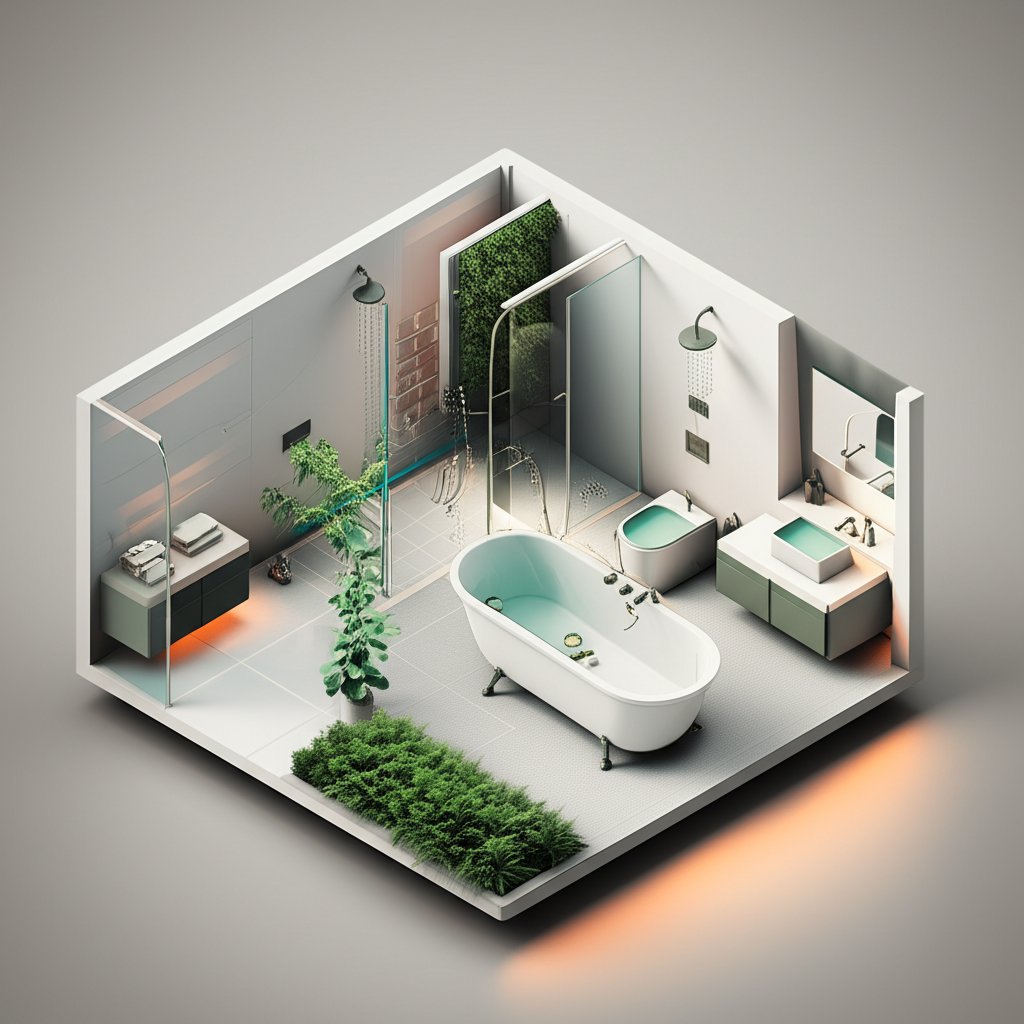
A beautiful tub is useless if it doesn’t fit or function properly. Meticulous planning is non-negotiable.
1. Measure Your Path
Before you fall in love with a 72-inch freestanding behemoth, grab a tape measure. Measure the width of every doorway, hallway, and staircase the tub must pass through to get to the bathroom. Compare this “path of travel” to the tub’s specs. Many a renovation has been halted by a tub that’s a half-inch too wide for the door.
2. Check Your Floor Support
Water is heavy. One gallon weighs about 8.3 pounds. A 100-gallon two-person tub, when filled and occupied, can easily exceed 1,200 pounds.
- Rule of Thumb: On a ground floor with a concrete slab, you’re usually fine. For second-floor installations, it is highly recommended to consult a structural engineer or experienced contractor to assess your floor joists. They may need to be reinforced to safely handle the load.
3. Size Your Water Heater
A standard 40- or 50-gallon water heater can struggle to fill a large two-person tub with sufficiently hot water. You might get a lukewarm bath or drain the tank completely, leaving no hot water for the rest of the house.
- The Solution: You may need to upgrade to a larger tank (75+ gallons) or, even better, an efficient tankless water heater that provides endless hot water on demand.
4. Plan Your Faucet and Drain
The tub style dictates the faucet type.
- Deck-Mounted: For drop-in or undermount tubs with a wide surround. The faucet is installed on the tiled or stone deck.
- Wall-Mounted: Common for alcove tubs or freestanding tubs placed against a wall. The plumbing is hidden within the wall.
- Floor-Mounted (Tub Filler): A standalone faucet that rises from the floor. Used almost exclusively with freestanding tubs placed away from walls.
Also, consider the drain location. Most two-person tubs have a center drain, which is more comfortable than having one person sitting on it. Ensure your plumbing layout matches the tub’s specifications.
Answering Your Top Questions About Two-Person Tubs
How big is a typical 2-person tub?
Most two-person tubs range from 60 to 72 inches in length, but the key dimension is width. Look for tubs that are at least 36 inches wide, with many models stretching to 42, 48, or even 60 inches for a truly spacious side-by-side experience.
How much water does a two-person tub use?
While a standard tub holds around 40-50 gallons, a two-person model can hold anywhere from 80 to 120 gallons or more, depending on its depth and dimensions. This is a key reason why checking your water heater capacity is so important.
Are they difficult to clean?
It depends on the type. A simple soaker tub is as easy to clean as a standard tub—just larger. Whirlpool and combination tubs require more maintenance. You’ll need to periodically flush the plumbing lines with a cleaning solution to prevent biofilm buildup. Air tubs are generally easier, as many have a self-purging cycle that blows residual water out of the air channels.
What is the average cost of a two-person tub?
The tub itself can range from around $800 for a basic acrylic soaker to over $10,000 for a high-end combination tub made of stone or copper. Remember to budget for installation, which can add several thousand dollars depending on the complexity, plumbing work, and any necessary structural reinforcement.
Your Blueprint for a Shared Sanctuary
Choosing a 2 person bath tub is a journey that ends in a deeply personal and rewarding space. By moving past the initial sticker shock and focusing on the long-term benefits of relaxation and connection, you’re making a powerful investment in your home and your well-being.
Start by defining your vision. Do you see a sleek, freestanding sculpture in the middle of the room, or a cozy, tile-decked nook? Do you crave a powerful massage from whirlpool jets, or the quiet bliss of a deep, silent soak?
Once you have your answers, ground them in the practical realities of your space. Measure carefully, consult with professionals about the structural and plumbing needs, and create a realistic budget that includes not just the tub, but the total cost of installation. This thoughtful approach will ensure your new tub is not only a beautiful centerpiece but a perfectly functioning haven for years of shared relaxation.

- Explore 2 Person Bath Tub Options For Deep Soaking - September 17, 2026
- Bathroom Decor Ideas for an Instant Style Refresh - September 16, 2026
- Retro Bathroom Lighting Ideas for Timeless Charm and Warmth - September 15, 2026