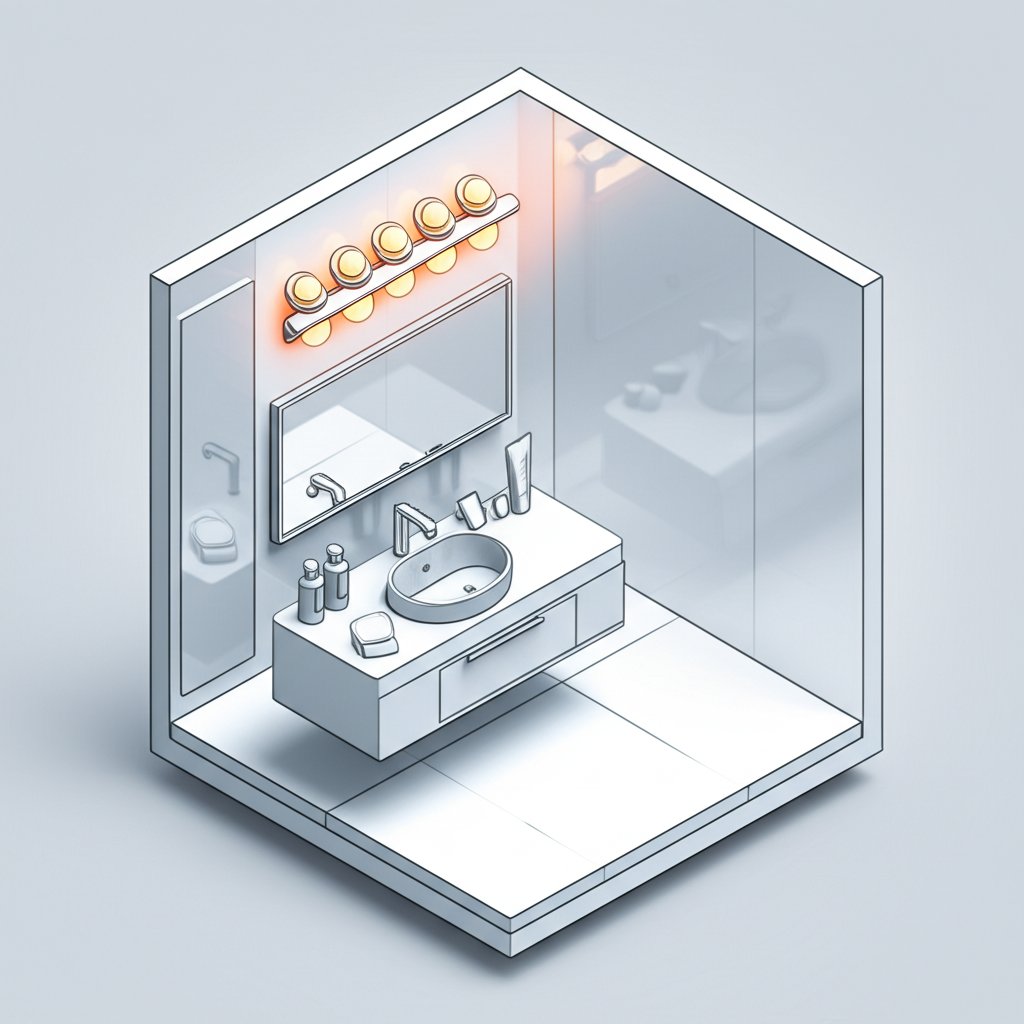
That perfect tile is in, the faucet is a work of art, but the wrong lighting can make even the most stunning bathroom feel harsh and unwelcoming. When it comes to tying a modern space together, few fixtures offer the timeless versatility of chrome bathroom vanity lights. They are the quintessential choice for a reason: they reflect light, complement nearly any color palette, and bridge the gap between classic elegance and contemporary minimalism.
But choosing the right one? That’s where a little expert guidance goes a long way. This isn’t just about picking a pretty fixture; it’s about crafting the perfect lighting environment for everything from your morning routine to a relaxing evening soak.
At a Glance: Your Chrome Vanity Lighting Playbook
- Master the Sizing Rules: Learn the simple formula for matching fixture width to your vanity size for a balanced, professional look.
- Perfect Placement is Key: Discover the ideal mounting height to eliminate unflattering shadows and create even, functional light.
- Match Finishes, Not Just Colors: Understand the difference between polished, brushed, and satin chrome and how to pair them with your existing hardware.
- Decode the Technical Specs: We’ll demystify lumens, Kelvin temperatures, and CRI so you can choose bulbs that create a spa-like feel, not a sterile lab.
- Avoid Common Pitfalls: Sidestep the mistakes many homeowners make, like choosing the wrong style for their space or forgetting critical safety ratings.
Why Chrome is Still the Reigning Champion in Bathroom Design
In a world of fleeting trends like matte black and brushed brass, polished chrome remains a constant. Its enduring popularity isn’t an accident. As interior designer Sarah Sherman Samuel notes, chrome has a “chameleon-like quality” that allows it to adapt to its surroundings.
- Unmatched Versatility: Chrome’s cool, reflective surface works seamlessly with any color. It can pop against dark, moody walls or blend beautifully into a bright, all-white bathroom.
- Durability and Ease of Care: High-quality chrome plating is exceptionally durable, resisting rust and corrosion in the humid bathroom environment. A quick wipe with a microfiber cloth is all it takes to restore its brilliant shine.
- Light Amplification: The reflective nature of polished chrome bounces both natural and artificial light around the room, making smaller bathrooms feel larger and brighter.
This adaptability is precisely what makes chrome bathroom vanity lights such a smart investment. While other finishes might define a specific era, chrome feels perpetually current.
Nailing the Fundamentals: Size and Placement
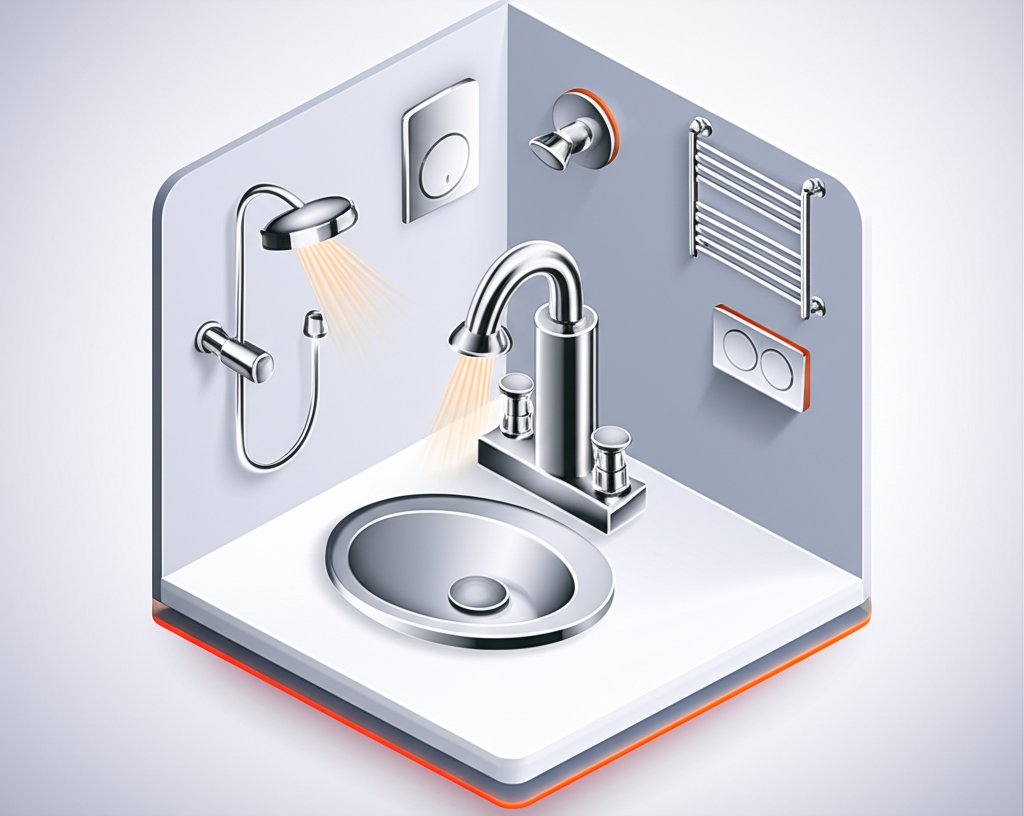
Before you even think about style, getting the scale and position right is non-negotiable. This is the difference between a lighting installation that looks accidental and one that feels intentional and integrated.
Sizing Your Vanity Light: The 75% Rule
The most common mistake is choosing a fixture that’s too small for the vanity. It throws off the room’s proportions and can create “hot spots” of intense light with dark areas in between.
The Guideline: Aim for a fixture (or a combined set of fixtures) that is roughly 75% of the total width of your vanity mirror.
- Example Scenario: You have a 48-inch vanity and a 40-inch mirror centered above it.
- Calculation: 40 inches (mirror width) x 0.75 = 30 inches.
- Your Target: Look for a single bar light around 30 inches wide, or three individual sconces that, when spaced out, occupy a similar visual width.
This simple rule creates a pleasing visual balance and ensures broad, even light coverage across the entire counter space.
Mounting Height: The Sweet Spot for Flatter-Free Light
Where you hang the light is just as important as its size. Mount it too high, and you’ll cast deep shadows under your eyes, nose, and chin. Mount it too low, and you’ll get glare in your eyes.
The Guideline: The center of the light fixture should be positioned between 75 and 80 inches from the finished floor. This typically places it a few inches above the top of the mirror.
This height directs the light towards your face at an optimal angle, providing clear, even illumination for tasks like applying makeup or shaving.
Above the Mirror vs. Sconces on the Side
You have two primary placement options, each with distinct advantages.
| Placement Option | Best For… | Pros | Cons |
|---|---|---|---|
| Horizontal Bar (Above Mirror) | Single vanities, wider mirrors, general-purpose lighting. | Provides excellent, even downlighting across the entire countertop. Often a simpler installation with one electrical box. | Can create some shadowing under the chin if not paired with other light sources. |
| Vertical Sconces (Flanking Mirror) | Task-heavy areas (makeup application), double vanities, creating a more designed look. | Delivers flawless cross-illumination, eliminating all facial shadows. Adds a strong element of symmetry and style. | Requires more space on either side of the mirror and typically two electrical boxes. |
| For a double vanity, a long horizontal bar light remains a great choice. Alternatively, you can place three sconces: one on each side and one in the center between the mirrors. Understanding how these choices fit into the bigger picture is crucial. To get a complete overview, you can Elevate your bathroom design by mapping out your lighting strategy from the start. |
Decoding Chrome Styles: From Minimalist to Modern Farmhouse
“Chrome” isn’t a single style; it’s a finish that can be applied to a vast array of designs. The key is to match the fixture’s form to your bathroom’s overall aesthetic.
Sleek & Minimalist: The “Less is More” Approach
This is where chrome truly shines. Think clean lines, simple geometric shapes, and an uncluttered feel.
- Linear LED Bars: A single, frosted tube or a slim metal bar with integrated LEDs provides a wash of perfectly diffused light. It’s the ultimate choice for an ultra-modern, seamless look.
- Simple Globe Lights: A row of two, three, or four simple spherical glass globes on a straight chrome bar is a modern classic. It’s clean, functional, and offers a softer look than a hard-lined bar.
Modern Industrial: Exposed Bulbs and Structured Frames
This style blends the rawness of industrial design with the clean finish of chrome. It’s perfect for adding character to a simple space.
- Cage Fixtures: Open chrome frames around clear glass shades or exposed Edison-style bulbs create a strong architectural statement.
- Gooseneck and Barn Lights: While more common in farmhouse styles, a sleek chrome version of a gooseneck sconce can add an unexpected industrial twist to a modern bathroom.
Transitional & Classic: A Nod to Tradition
Chrome can also work beautifully in spaces that aren’t strictly modern. Transitional fixtures borrow classic shapes but strip away the ornate details.
- Shaded Sconces: Fixtures with simple, bell-shaped or cylindrical glass shades offer a timeless appeal. The chrome base keeps the look fresh and updated.
- Art Deco-Inspired: Look for fixtures with stepped details, geometric patterns, and opal glass. Chrome was a hallmark of the Art Deco era, and these designs bring a touch of sophisticated glamour.
The Technical Details That Make or Break Your Lighting

A beautiful fixture is useless if it produces ugly light. Pay attention to these three technical specifications to ensure your vanity area is both functional and flattering.
1. Light Temperature: The Difference Between a Spa and a Lab
Measured in Kelvin (K), color temperature dictates whether light appears warm (yellowish) or cool (bluish).
- 2700K (Warm White): Very cozy and yellow, like a traditional incandescent bulb. Great for a relaxing bath, but can distort colors at the vanity.
- 3000K-3500K (Soft/Neutral White): This is the sweet spot for bathrooms. It’s bright and clean without feeling sterile, and it renders skin tones and makeup colors accurately.
- 4000K+ (Cool White/Daylight): This light has a noticeable blue tint. While great for a workshop or garage, it can feel clinical and harsh in a bathroom.
2. Lumens, Not Watts: How to Get the Right Brightness
Forget what you know about watts; that measures energy use. Lumens measure actual brightness. For a vanity, you need ample light for detailed tasks.
The Guideline: The American Lighting Association recommends 700-800 lumens for the primary vanity area. For a 3-foot wide vanity, you’d want a fixture that produces at least 2100 lumens in total. Most product descriptions for modern LED fixtures list the lumen output directly.
3. Color Rendering Index (CRI): Seeing True Colors
CRI is a scale from 0 to 100 that measures how accurately a light source reveals the true colors of objects. Natural sunlight has a CRI of 100.
The Guideline: For a bathroom vanity where accurate color is crucial (think makeup, clothing, skin tone), look for a CRI of 90 or higher. This ensures that reds look red and your foundation shade is what you think it is.
Quick Answers to Common Chrome Conundrums
Is chrome hardware in the bathroom outdated?
Absolutely not. Polished chrome is a timeless, classic finish. Unlike trendy finishes that can date a space within a few years (think oil-rubbed bronze from the 2000s), chrome remains perpetually in style. It’s considered a design-neutral finish that complements almost any aesthetic.
Can you mix chrome vanity lights with other metal finishes?
Yes, and it’s a very current design strategy when done thoughtfully. The key is to create intention. A common approach is to use one dominant metal (like chrome for all faucets and lighting) and one accent metal (like matte black for mirror frames and cabinet pulls). Avoid mixing more than two or three finishes in one space to prevent it from looking chaotic.
How many lights do I need for a double vanity?
For a standard 60″ or 72″ double vanity, you have a few excellent options:
- One Long Bar Light: A single 48″ light centered over the whole setup provides clean, continuous illumination.
- Two Sconces: Placing one vertical sconce over the center of each sink creates a balanced, traditional look.
- Three Sconces: For a more designed feel, place one sconce on the far left, one on the far right, and one in the center between the two mirrors.
What is the best bulb color for bathroom vanity lights?
The ideal color temperature is between 3000K and 3500K. This range is labeled as “Soft White” or “Neutral White.” It provides clear, bright light that is perfect for tasks while still feeling comfortable and flattering, avoiding the sterile, blueish hue of “Daylight” bulbs (4000K+).
Your Decision-Making Checklist
Choosing the right chrome bathroom vanity light is a process of layering decisions. Don’t get overwhelmed. Move from the practical to the aesthetic.
- Measure First: Get the width of your mirror and the height from your floor to the ceiling. This defines your size and placement constraints.
- Determine Placement: Will a bar above the mirror or sconces on the side work better for your space and needs? Check your electrical box locations.
- Select the Specs: Lock in your technical needs. Commit to finding a fixture with a CRI of 90+ and a color temperature of 3000K-3500K.
- Choose Your Style: Now for the fun part. With your practical needs met, browse minimalist, industrial, or transitional styles that match your bathroom’s personality.
By following this order, you ensure your chosen fixture is not only beautiful but perfectly suited to its purpose. Armed with these details, you’re no longer just picking a fixture; you’re making an informed design choice that will complete your space and improve your daily routine.

- DIY Bathroom Mirror Frame Designs on a Budget - October 12, 2026
- Creative Bathroom Mirror Border Ideas for Every Style and Budget - October 11, 2026
- Bathroom Finishes That Handle Moisture and Look Great - October 10, 2026