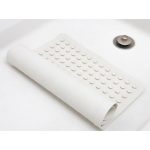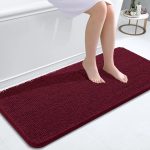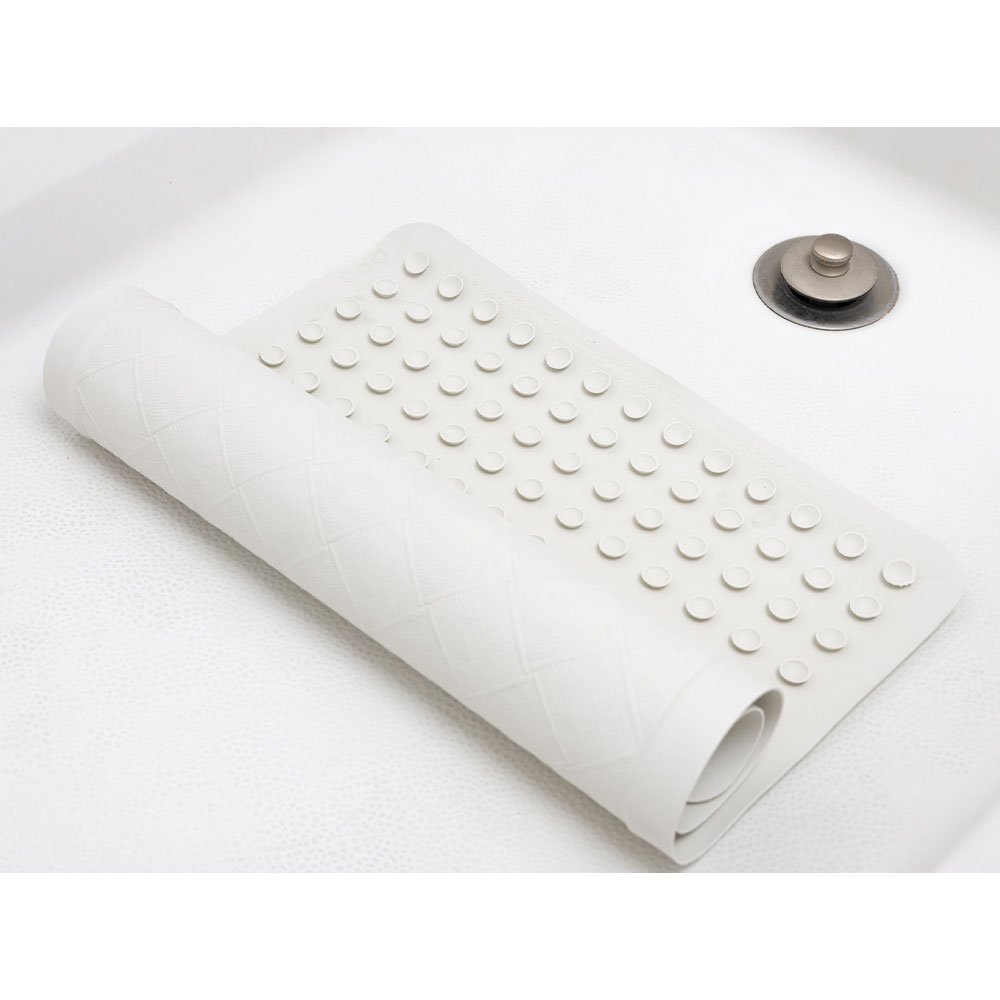
Slippery bathroom surfaces are a silent hazard, turning a routine shower into a potential accident waiting to happen. This is where rubber bath mats step in, not just as a convenience, but as a critical safety feature engineered to provide uncompromising grip on wet, slick floors. Unlike decorative rugs, these mats are specifically designed for high-moisture environments, offering a crucial layer of slip resistance that can prevent serious falls and injuries.
At a Glance: Ensuring a Secure Bathroom Footing
- Material Matters: Understand the unique properties of natural rubber, PVC, and silicone for durability and anti-slip performance.
- Placement Precision: Differentiate between mats for inside the shower/tub and those for high-splash areas outside.
- Installation Ingenuity: Master the simple steps to ensure your mat sticks firmly and securely every time.
- Maintenance Mastery: Learn effective cleaning routines to combat mold, mildew, and maintain optimal grip.
- Pitfall Prevention: Identify common mistakes that compromise mat effectiveness and lead to slips.
More Than Just a Mat: Why Rubber Reigns Supreme for Slip Prevention
The bathroom, by its very nature, is a high-risk zone for slips and falls. Water, soap, and smooth surfaces create an ideal breeding ground for accidents. This is precisely why a dedicated rubber bath mat isn’t just an accessory; it’s a fundamental safety device. What makes rubber, or rubber-like materials, so effective here? Its inherent friction, even when wet, combined with smart design features like suction cups or textured surfaces, creates a powerful bond with the floor.
Think about stepping out of a steamy shower onto a tiled floor. Without proper footing, that momentary lapse in attention can lead to a painful tumble. Rubber mats provide that critical traction exactly when and where you need it most. They don’t just absorb water; they actively resist movement, anchoring themselves to the surface below. This focused functionality sets them apart from more general bathroom rugs, which often prioritize absorbency or aesthetics over maximum, direct-contact slip prevention.
The science behind it is straightforward: rubber’s high coefficient of friction means it grips well against smooth surfaces. When combined with suction cups, which create a vacuum seal, or heavy, non-skid bases, the mat essentially becomes an extension of the floor, but with vastly superior traction. This makes them indispensable, particularly for households with children, seniors, or anyone with mobility concerns where stability is paramount.
Choosing Your Armor: Types of Rubber Bath Mats and Their Best Use
Selecting the right rubber bath mat isn’t a one-size-fits-all decision. The optimal choice depends heavily on where you intend to place it—inside the shower or tub, or in a splash zone just outside. Each location presents unique challenges and demands specific features from the mat.
Inside the Shower or Bathtub: The Direct Defense
For placement inside the shower or bathtub, the mat must contend with constant water flow, soap scum, and direct body contact. Here, the primary goal is to prevent slips while standing or sitting within the wet enclosure.
- Key Materials:
- Natural Rubber: Offers excellent grip and durability, often with a good feel underfoot. Can sometimes be prone to mold if not cleaned and dried properly.
- PVC (Polyvinyl Chloride): A common and cost-effective option. PVC mats are usually highly textured and feature abundant suction cups. They are generally resistant to water and detergents, though some lower-quality PVC can stiffen or discolor over time. Look for phthalate-free options for better health and environmental considerations.
- Silicone: Known for its flexibility, softness, and superior mold resistance. Silicone mats often have very effective suction and are easy to clean, making them a premium choice for many. They tend to be more expensive but offer excellent longevity.
- TPE (Thermoplastic Elastomer): A blend of plastic and rubber, offering properties of both. TPE mats are often soft, recyclable, and resistant to UV and chemicals, making them a durable and eco-friendlier alternative to PVC.
- Essential Features:
- Suction Cups: Non-negotiable for in-tub mats. They secure the mat firmly to the tub’s surface, preventing it from floating or shifting. Ensure they cover a significant portion of the mat’s underside.
- Drainage Holes: Crucial for allowing water to flow through and prevent pooling, which can reduce grip and encourage mildew growth.
- Textured Surface: A raised, slip-resistant texture on the top surface provides grip for your feet, even when wet and soapy.
- Anti-bacterial/Anti-mold Treatments: Many mats are now treated to inhibit the growth of bacteria and mildew, extending their cleanliness and lifespan.
- Case Snippet: A young family with toddlers often struggles with slippery tubs during bath time. They opted for a brightly colored silicone mat with hundreds of small suction cups and large drainage holes. This specific design provided robust adhesion and quick drying, making bath time significantly safer and less stressful for both parents and children. The soft silicone was also gentle on little knees and bottoms.
Outside the Shower/Tub: The Splash Zone Strategist
For areas immediately outside the shower or tub, the mat needs to handle drips and splashes while providing a secure transition point from wet to dry. While many floor coverings offer secure footing, the specific demands of a rubber bath mat in high-splash zones differentiate its role significantly from general Rubber-backed non-slip bath rugs used for comfort and warmth in drier areas of the bathroom.
- Key Materials:
- Heavier Duty Rubber: Often thicker and more robust, designed to lie flat and resist curling. These mats typically have a dense, non-skid rubber backing that grips the floor without relying on individual suction cups, as floor surfaces are rarely perfectly smooth like a tub.
- Hybrid Designs: Some mats feature a more absorbent, fabric-like top layer over a solid rubber base. While providing some cushioning and absorbency, their core anti-slip function still hinges on the dense, non-moving rubber backing. Ensure the rubber component is substantial enough to prevent shifting.
- Essential Features:
- Heavy Weight & Full Floor Adhesion: The mat should be substantial enough that it doesn’t easily slide or shift when stepped on. A wide, textured rubber backing is key.
- Beveled Edges: Mats with slightly sloped or tapered edges reduce trip hazards, making the transition from floor to mat smoother.
- Easy Clean Surface: Since these mats will catch drips, a surface that can be wiped down or hosed off easily is preferable over heavily absorbent fabric for preventing mildew.
- Analogy: Think of an industrial kitchen mat – designed for constant wet conditions and heavy traffic, providing consistent grip and minimizing fatigue. A splash-zone rubber bath mat offers similar unyielding traction, but styled for the home. It’s built to stay put, even when subjected to sudden shifts in weight or a puddle of water.
The Art of Secure Placement: Installation That Sticks
Even the best rubber bath mat is useless if it’s not installed correctly. Proper placement is paramount to its anti-slip effectiveness, ensuring it performs its job without becoming a hazard itself.
For Inside-the-Tub Mats: The Suction Seal
Getting your in-tub mat to adhere properly is simpler than you might think, but crucial details often get overlooked.
- Clean the Surface: Before placing the mat, ensure your tub or shower floor is spotlessly clean and free of soap scum, grime, or bath oils. Even a thin film can prevent suction cups from forming a reliable seal. Use an all-purpose bathroom cleaner and rinse thoroughly.
- Lightly Dampen (Optional, but Recommended): While some mats adhere best to a dry surface, a slightly damp tub floor can sometimes help the suction cups engage more effectively. Don’t make it soaking wet; just a thin film of water.
- Position and Press Firmly: Place the mat in the desired location within the tub or shower. Then, apply even, firm pressure across the entire surface of the mat with your hands or feet. This action pushes out air from beneath the suction cups, creating the vacuum seal.
- Test Before Use: Crucially, before you step into the shower or tub, always test the mat’s adhesion. Try to slide it with your foot; it should remain firmly in place. If it shifts, lift it, re-clean the surface, and press it down again.
- Pitfall Alert: Textured tub surfaces are a common problem. Many newer tubs have a subtle anti-slip texture molded into the surface. While helpful on its own, this texture can prevent the suction cups of a rubber bath mat from forming a proper seal. If your tub has a pronounced texture, traditional suction-cup mats may not work effectively. In such cases, consider specialized textured mats designed for these surfaces, or alternative non-slip coatings for the tub itself. Always verify compatibility before purchase.
For Outside-the-Tub Floor Mats: Grounded Grip
Floor mats have a different adhesion mechanism, relying on the mat’s weight and the friction of its textured rubber backing.
- Clean and Dry the Floor: The area where the mat will sit must be clean and completely dry. Any dust, hair, or moisture between the mat and the floor can compromise its grip.
- Lay Flat and Smooth: Place the mat flat on the floor. Take care to smooth out any wrinkles or curled edges, especially if the mat has been rolled up in packaging. Curled edges are a trip hazard.
- Verify Stability: Step onto the mat and shift your weight. It should feel stable and not slide. If it moves, check for any debris underneath or ensure the floor surface isn’t unusually slick (e.g., recently waxed or polished).
- Best Practice: Periodically lift floor mats to clean both the mat’s underside and the floor beneath. Over time, trapped moisture or accumulated debris can degrade the mat’s grip and potentially damage the flooring.
Longevity and Luster: Maintaining Your Mat for Peak Performance
A rubber bath mat can serve you well for years, but only with consistent care. Neglecting maintenance not only shortens its lifespan but also significantly reduces its anti-slip effectiveness and can lead to unsanitary conditions.
The Crucial Role of Regular Cleaning
Rubber, PVC, and silicone are non-porous, but they are not immune to grime. Soap scum, body oils, shed skin cells, and hard water minerals can build up, creating a slick film on the mat’s surface. More critically, damp, warm bathroom environments are perfect breeding grounds for mold and mildew, which can grow on and under the mat, making it unsightly, unhygienic, and potentially hazardous by reducing its grip.
Effective Cleaning Methods: Tailored for Your Mat
The best cleaning approach depends on the mat’s material and design.
- Daily Rinse & Air Dry (In-Tub Mats): After every use, lift your in-tub mat, rinse off all soap residue, and hang it up to air dry completely. Many mats come with a small hole or suction cup tab for hanging. This simple step is the most effective defense against mold and mildew. Do not leave the mat stuck to the tub when not in use.
- Machine Washable Options: Some PVC and silicone mats are machine washable. If your mat’s care label allows:
- Use cold water on a gentle cycle with a mild detergent.
- Avoid bleach, which can degrade the rubber or plastic.
- Always air dry. Never put a rubber bath mat in a dryer, as high heat can warp, melt, or damage the material, rendering it ineffective or even dangerous. Lay it flat or hang it to dry.
- Hand Scrub for Deeper Clean: For stubborn grime or mats that aren’t machine washable:
- Fill a tub or large basin with warm water and a few drops of mild dish soap or a dedicated bathroom cleaner.
- Soak the mat for 10-15 minutes.
- Use a soft-bristled brush (an old toothbrush is great for nooks and crannies) to scrub both the top surface and the suction cups on the underside.
- Rinse thoroughly with clean water until all soap residue is gone.
- Hang to air dry completely.
- Battling Mold & Mildew: If mold or mildew spots appear:
- A solution of equal parts white vinegar and water can be effective. Spray it on, let it sit for 15-30 minutes, then scrub and rinse.
- For tougher stains, a paste of baking soda and a small amount of water can be applied, gently scrubbed, and then rinsed. Avoid harsh chemical bleach unless specifically recommended by the manufacturer, as it can degrade rubber.
When to Retire Your Mat: Recognizing the Signs
Even with the best care, rubber bath mats don’t last forever. Knowing when to replace yours is crucial for maintaining bathroom safety.
- Loss of Suction/Grip: If the mat no longer adheres firmly, even after thorough cleaning, its anti-slip properties are compromised.
- Cracks or Tears: Physical damage creates potential trip hazards and allows water to seep underneath, fostering mildew.
- Persistent Discoloration or Odor: If mold/mildew stains or a persistent musty smell remain even after deep cleaning, it’s time for a replacement.
- Stiffening or Hardening: PVC mats, in particular, can become stiff and less flexible over time, reducing their comfort and ability to conform to the tub surface.
- Decision Point: When you notice any of these signs, consider it an immediate signal to invest in a new mat. The small cost of a replacement pales in comparison to the potential medical costs and pain of a slip-and-fall accident.
Practical Playbook: Smart Decisions for Your Bathroom
Making the right choice for your rubber bath mat involves a few key considerations to ensure optimal safety and satisfaction.
Decision Tree: Choosing Your Rubber Mat
Use this simple guide to narrow down your options:
- Where will the mat be used?
- Inside the shower/bathtub?
- Does your tub have a smooth or textured surface?
- Smooth: Go for mats with strong, numerous suction cups and drainage holes. Consider silicone or high-quality PVC.
- Textured: Suction cups may not work. Look for specialized non-slip coatings for tubs, or mats designed specifically for textured surfaces (though these are less common as full mats).
- How often will it be cleaned/dried?
- Daily: Any material works well with consistent drying.
- Infrequent: Prioritize silicone or anti-bacterial PVC for mold resistance.
- Outside the shower/bathtub (on the floor)?
- Do you need absorbency or just grip?
- Just grip: Heavy-duty rubber mat with a full, non-skid backing. Easy to wipe clean.
- Some absorbency + grip: A hybrid mat with a low-pile fabric top over a solid rubber base. Remember to clean both layers.
- Is tripping a concern (e.g., for seniors)?
- Look for mats with beveled edges to reduce trip hazards.
Quick Checklist for Purchase: Don’t Buy Without These
Before you click “add to cart” or head to the checkout, run through this checklist:
- Material Type: Does it suit your needs for durability, comfort, and mold resistance (e.g., silicone for soft feel and easy cleaning, PVC for value, natural rubber for grip)?
- Adhesion Mechanism: For in-tub, are there sufficient, well-designed suction cups? For floor, is the backing substantial and non-skid?
- Drainage (for in-tub mats): Are there enough holes to prevent water pooling?
- Size & Fit: Measure your tub/shower or floor area to ensure the mat provides adequate coverage without being too large or small.
- Ease of Cleaning: Can it be easily rinsed, scrubbed, or machine washed (if desired)?
- Non-toxic Certification: Look for phrases like “phthalate-free” or “BPA-free,” especially if children or sensitive individuals will use it.
- Reviews & Ratings: Check user feedback on adhesion, durability, and mold resistance.
Quick Answers: Unpacking Common Rubber Mat Questions
Q: Are all “rubber” bath mats truly non-slip?
A: Not all mats marketed as “non-slip” perform equally, especially if they are primarily fabric with only a thin, generic backing. A true rubber bath mat for critical slip prevention should feature a substantial rubber, PVC, or silicone construction, often with dedicated suction cups or a heavily textured non-skid base. Always check the material and design specifics; a thin, cheap backing might only offer minimal resistance.
Q: Can I use a rubber bath mat on a textured tub surface?
A: Generally, mats with traditional suction cups will struggle to adhere properly to heavily textured tub surfaces. The texture prevents the suction cups from forming a complete vacuum seal. For textured tubs, you might need to explore specialized non-slip coatings, adhesive strips, or look for mats specifically designed for textured surfaces (which are less common or may use different adhesion methods).
Q: How often should I clean my rubber bath mat?
A: In-tub rubber bath mats should be rinsed and hung to dry after every use to prevent soap scum and mildew. A deeper scrub or machine wash (if allowed) should occur weekly or bi-weekly, depending on usage and bathroom humidity. Floor mats should be lifted and cleaned underneath monthly, with surface wiping as needed.
Q: Is natural rubber better than PVC or silicone for bath mats?
A: Each material has pros and cons. Natural rubber offers excellent grip and is often eco-friendlier, but can be more prone to mold if not dried diligently. PVC is durable and cost-effective, with good grip, but some types may stiffen or contain phthalates. Silicone is highly flexible, very soft, and exceptionally mold-resistant, making it a premium choice, though usually at a higher price point. The “best” depends on your priorities for grip, feel, durability, and maintenance.
Q: What’s the difference between a bath mat and a bath rug?
A: The terms are often used interchangeably, but functionally, a rubber bath mat (the focus here) is specifically designed for slip prevention in wet areas, often inside the shower/tub, and is typically made from non-porous rubber, PVC, or silicone. A bath rug is generally made of absorbent fabric (cotton, microfiber, chenille) and is primarily for comfort, warmth, and soaking up drips outside the shower/tub. While bath rugs may have a rubber backing for some non-slip capability, their primary function isn’t the direct, unyielding grip required in standing water.
Your Secure Step Forward
The bathroom should be a place of relaxation, not a minefield of potential falls. By understanding the specific needs that rubber bath mats address—especially their unique material properties, optimal placement, and consistent maintenance—you’re not just buying a product; you’re investing in peace of mind. Take a moment to assess your bathroom’s high-risk zones, choose the right mat for the job, and follow these practical guidelines. Your secure footing starts with a smart choice and diligent care, ensuring every step in your bathroom is a safe one.

- Rubber Bath Mats Offer Crucial Slip Resistance in Bathrooms - November 13, 2026
- Bath Rugs with Rubber Backing Provide Secure Non-Slip Footing - November 12, 2026
- Bathroom Visualizer Tool Lets You Preview Your Remodel - November 11, 2026