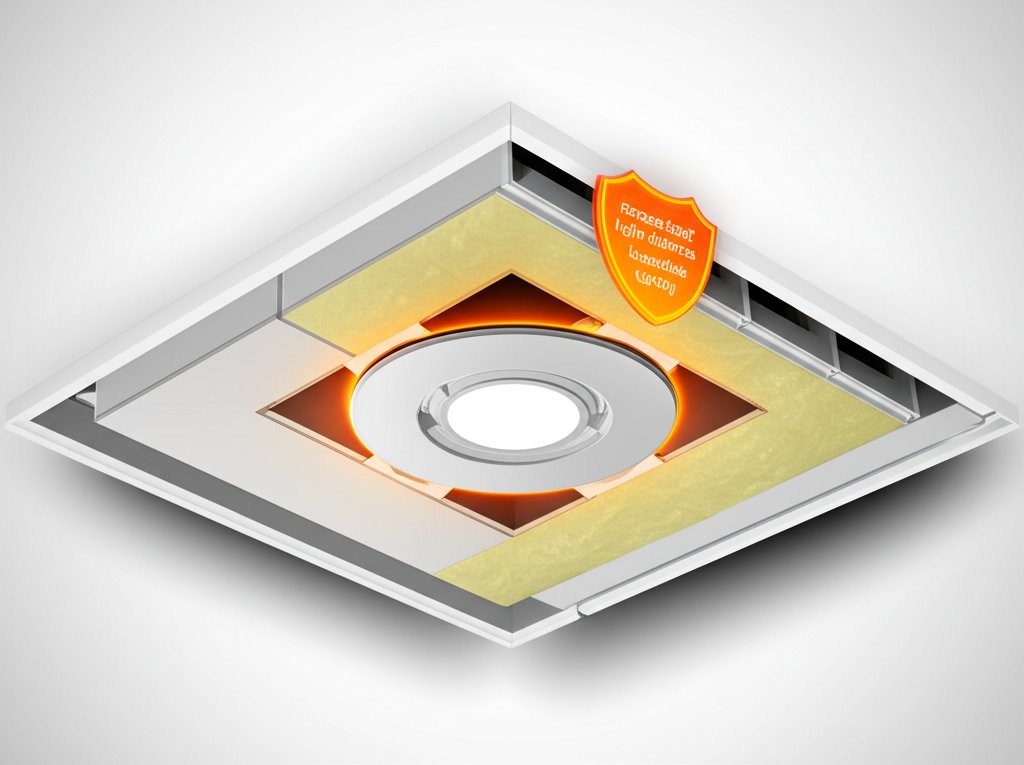
That drafty feeling you can’t quite place? It might be coming from your ceiling. Each recessed light is a potential hole in your home’s thermal envelope, letting conditioned air escape into the attic. The right recessed light cover isn’t just a piece of trim; it’s a critical component for energy efficiency and fire safety, sealing those gaps and protecting your home.
But navigating the world of baffles, trims, IC ratings, and airtight seals can feel overwhelming. You need a solution that fits your existing fixtures, matches your decor, and, most importantly, keeps your home safe and efficient. This guide cuts through the noise to help you choose with confidence.
At a Glance: Key Takeaways
- Safety First: The primary job of a recessed light cover in an attic is to create a safe barrier between the hot light fixture and flammable insulation. Always look for fire-retardant materials.
- Efficiency is King: Airtight covers with gaskets prevent significant air leakage, which can slash your heating and cooling bills. An IC (Insulation Contact) rating is a key indicator of energy efficiency and safety.
- Compatibility Matters: Not all covers fit all cans. You must match the cover’s diameter and height to your existing housing (e.g., Halo or Juno brands) and ensure it works with your bulb type (LED, halogen, etc.).
- Material Makes a Difference: Durable, rust-proof metals are generally superior for longevity and heat resistance compared to some plastics or less robust materials.
- Installation Shouldn’t Be a Headache: Look for simple installation mechanisms like pre-installed mounting springs that make the job a quick DIY project.
Why Your Recessed Lights Are Costing You Money (And How Covers Fix It)
Recessed lights, or “can lights,” are essentially holes cut into your ceiling. In a home with an unconditioned attic, these fixtures become thermal weak points. Without a proper cover, two major problems arise.
First, you have air leakage. In the winter, warm, moist air from your living space rises and escapes through the unsealed gaps around the light into the cold attic. This process, known as the “stack effect,” forces your furnace to work harder and can even lead to moisture condensation and mold in your attic. In the summer, the reverse happens, with super-heated attic air pushing down into your home.
Second, there’s a significant fire hazard. When you lay insulation in your attic for warmth, it can come into direct contact with the hot recessed light fixture. If the fixture isn’t rated for direct insulation contact (i.e., not “IC-rated”), this creates a dangerous risk of overheating and fire.
A proper recessed light cover addresses both issues simultaneously.
- It Creates an Airtight Seal: Covers with built-in gaskets stop the free flow of air, preserving your conditioned indoor environment and drastically improving energy efficiency.
- It Provides a Safety Barrier: A fire-retardant cover creates a protective box around the fixture, allowing insulation to be placed over and around it safely, even if the fixture itself isn’t IC-rated. This eliminates the fire risk and lets you fully insulate your attic ceiling.
The Buyer’s Checklist: 8 Features of a Perfect Recessed Light Cover

Choosing the right cover isn’t just about looks. It’s about performance, safety, and long-term value. As you compare options, evaluate them against these eight critical factors.
1. Material and Durability
The material dictates the cover’s lifespan and performance under heat.
- Metal (Steel or Aluminum): This is the gold standard. Look for powder-coated or rust-resistant finishes. Metal is excellent at dissipating heat, won’t warp or degrade over time, and offers superior fire resistance. The TORCHSTAR 6 Inch Can Light Trim, for example, is made from durable, rust-proof metal, making it a reliable choice for long-term use.
- Copper: While less common, some high-end covers use copper, which offers excellent durability and heat management.
- Fire-Retardant Composites/Plastics: Some covers are made from specialized materials designed to be fire retardant. However, quality can vary. It’s crucial to read user reviews and verify certifications.
Pro Tip: Avoid flimsy plastic trims for attic-side covers. They may not withstand the high temperatures found in an attic during the summer and can become brittle over time.
2. Fire Safety Features
This is non-negotiable, especially for lights in an insulated ceiling.
- Fire Retardant vs. Fireproof: Understand the distinction. “Fire retardant” means the material is treated to slow the spread of flames. “Fireproof” means it will not burn. For this application, a robust fire-retardant rating is typically sufficient and standard.
- IC-Rated (Insulation Contact): If you’re buying a new fixture and cover combo, an IC-rated one is best. It’s designed to be safely buried in insulation. If you’re retrofitting, an attic-side cover can bestow a similar level of safety to a non-IC fixture.
- Ventilation: A good cover design prevents heat from building up to dangerous levels around the fixture, allowing for adequate airflow while still maintaining a seal.
A Word of Caution: Scrutinize product claims. The Insul-Lite Recessed Light Cover is marketed as a fire-retardant solution, but some customer reviews raise serious concerns about its flammability, suggesting it may not be suitable for attic insulation applications. Always cross-reference manufacturer claims with real-world user feedback.
3. Energy Efficiency (The Airtight Seal)
A small gap can lead to big energy losses.
- Gaskets are Essential: The most effective covers for preventing air leakage feature a foam or rubber gasket that creates a tight seal against the ceiling drywall. The Four-Bros Lighting SB30/WHT/6PK is a prime example, explicitly featuring an airtight gasket to minimize heat transfer.
- Look for “Airtight” Certification: Some products are officially tested and certified as airtight. This seal of approval ensures they meet specific low-leakage standards, like those required by ENERGY STAR. The TORCHSTAR trim also boasts an airtight design, making it a strong contender for energy savings.
4. Compatibility with Your Fixtures
A cover is useless if it doesn’t fit. Before you buy, you need to know three things about your existing recessed lights:
- Housing Diameter: The most common sizes are 4-inch, 5-inch, and 6-inch. Measure the inside diameter of the existing can.
- Housing Height: Measure from the ceiling line to the top of the can in the attic. This is crucial for attic-side covers.
- Bulb Type: Ensure the cover is compatible with your bulbs (e.g., PAR30, BR40, A19). The trim’s depth and shape can affect how the light is cast. Most modern trims, like the Four-Bros and TORCHSTAR models, are versatile enough to work with LED, halogen, and incandescent bulbs.
Many products are designed for popular housing brands like Halo and Juno. If you have a different brand, check the exact diameter and height specifications to ensure a match.
5. Ease of Installation
Most recessed light covers are designed for DIY installation. Features that make it easier include:
- Mounting Springs (or Torsion Springs): These are the most common and user-friendly mounting mechanism. The springs clip inside the can, holding the trim securely in place. The Four-Bros trim kit includes these for a straightforward push-and-click installation.
- Lightweight Design: A lighter cover is easier to handle when you’re on a ladder reaching up to the ceiling.
- Clear Instructions: While it seems obvious, well-written instructions can be the difference between a 5-minute job and a 30-minute frustration.
6. Price and Overall Value
Price is always a factor, but the cheapest option isn’t always the best value.
- Cost Per Unit: Covers are often sold in multi-packs (e.g., 6-packs or 25-packs). Calculate the price per unit to make an accurate comparison. The Insul-Lite covers come in a bulk 25-pack, which might seem economical for a large project, but must be weighed against its potential safety concerns.
- Bundled Features: Does a slightly more expensive cover include a superior airtight gasket or a more durable metal construction? Features like the rust-proof build of the TORCHSTAR trim can justify a higher price by offering a longer service life.
- Long-Term Savings: Remember that an effective airtight cover will pay for itself over time in reduced energy bills. Investing a few extra dollars in a better seal can yield a significant return.
7. Aesthetics and Design
Once safety and performance are covered, you can focus on style. The cover’s trim is the only part you’ll see.
- Color and Finish: White is the most common color as it blends seamlessly with most ceilings. Black, like the TORCHSTAR trim, can create a dramatic, modern contrast and reduce glare. Other finishes like brushed nickel or bronze are also available.
- Trim Style:
- Baffle Trims: These have ribbed interiors (grooves) designed to absorb excess light and reduce glare. The Four-Bros trim is a classic example of a white baffle trim.
- Reflector Trims: These have a smooth, mirror-like interior to maximize light output, making them great for kitchens and workspaces.
- Gimbal (Eyeball) Trims: These allow you to pivot the light to direct it toward artwork or a specific area of a room.
The right trim can completely change the feel of a room, and there are many Stylish recessed lighting ideas that use the trim as a key design element.
8. Warranty and Return Policy
A good warranty or return policy is your safety net against manufacturing defects or a product that doesn’t meet its claims.
- Return Window: A 30-day return policy, like those offered for the Insul-Lite and TORCHSTAR products, is standard and gives you enough time to inspect the product and ensure it fits.
- Manufacturer’s Warranty: For more expensive items, check for a longer-term warranty that covers defects in materials or workmanship. This shows the manufacturer stands behind their product’s quality.
Frequently Asked Questions About Recessed Light Covers
Q: Do all recessed lights need a cover?
If the recessed light is in a ceiling below a conditioned space (like a second floor), you only need a decorative trim. However, if the light is in a ceiling below an unconditioned attic, a dedicated attic-side cover is essential for preventing air leaks and creating a safe barrier for insulation.
Q: What is the difference between IC-rated and non-IC-rated fixtures?
- IC-Rated (Insulation Contact): These fixtures are designed with a double-walled or specially ventilated construction that allows insulation to be placed directly against the housing without creating a fire hazard.
- Non-IC-Rated: These older fixtures require at least three inches of clearance from all insulation materials. Covering them with insulation is a serious fire risk. An attic-side recessed light cover is the perfect solution for safely insulating around non-IC fixtures.
Q: Can I put an LED bulb in any recessed light?
Mostly, yes. LED bulbs run much cooler than incandescent or halogen bulbs, making them a safer and more efficient choice for any recessed fixture. However, you should still use a proper cover in an insulated ceiling to stop air leakage, as the hole in your ceiling is still there regardless of the bulb type.
Q: What’s the difference between a “cover” and a “trim”?
These terms are often used interchangeably, which can be confusing. - Trim: This is the visible part of the fixture you see from inside the room. Its purpose is primarily aesthetic (e.g., a white baffle or a black reflector). Some trims also incorporate an airtight gasket.
- Cover (or Attic-Side Cover): This is a box-like enclosure installed from the attic side. It fits over the entire light fixture to keep insulation away and, in some cases, help seal air gaps.
You need a trim for every light, but you only need an attic-side cover for lights installed in a ceiling below an unconditioned space.
Your Next Step: Sealing the Gaps for Good
Don’t let your recessed lights be a hidden drain on your wallet and a risk to your home’s safety. Choosing the right recessed light cover is a small investment that delivers outsized returns in energy savings, comfort, and peace of mind.
Start by auditing your own home. Climb into the attic and safely inspect the area around your can lights. Do you see insulation packed tightly against them? Can you feel air moving on a windy day? If so, you’ve found a project that will pay for itself.
Use the checklist above to evaluate your options. Prioritize a fire-retardant, airtight design that is fully compatible with your existing fixtures. By focusing on safety and efficiency first, you can confidently select a cover that will protect your home and enhance its performance for years to come.

- Bathroom Materials Selection Offers Quality Fixtures for Home Design Projects - October 9, 2026
- Best Cosmetic Storage Containers For a Tidy Vanity - October 8, 2026
- Best Makeup Storage Boxes to Keep Your Vanity Spotless - October 7, 2026