For the bigger picture and full context, make sure you read our main guide on 3 Light Bath Vanity Light: Which Style Is Right?.
Tired of bathroom lighting that casts unflattering shadows? Upgrading to an LED vanity fixture is one of the quickest ways to improve both the look and functionality of your bathroom, transforming it into a brighter, more inviting space. But with so many options, knowing where to start can be overwhelming.
At a glance:
- Understand the benefits of LED technology for vanity lighting.
- Learn how to choose the right light color temperature for your needs.
- Discover different LED vanity light styles and their impact on your bathroom’s aesthetic.
- Determine the appropriate size and wattage for optimal brightness.
- Consider dimming options for customized ambiance.
- Get practical tips for installation and maintenance.
Why Choose LED for Your Vanity Lighting?
Traditional incandescent bulbs are quickly becoming a thing of the past. LEDs (Light Emitting Diodes) offer significant advantages for your vanity lighting, making them a smart and energy-efficient choice.
- Energy Efficiency: LEDs consume up to 75% less energy than incandescent bulbs, saving you money on your electricity bill.
- Long Lifespan: LEDs can last for 25,000 hours or more, reducing the frequency of bulb replacements. Imagine changing your vanity bulbs only once every few years instead of every few months!
- Cool Operation: LEDs produce very little heat, making them safer to use and reducing the risk of burns.
- Instant On: Unlike some fluorescent lights, LEDs turn on instantly to full brightness.
- Dimmability: Many LED vanity fixtures are dimmable, allowing you to adjust the light level to your preference.
Finding Your Perfect Hue: Understanding Light Color Temperature
The color temperature of light is measured in Kelvin (K) and affects the overall ambiance of your bathroom. Choosing the right color temperature is crucial for creating the desired mood and ensuring accurate color rendering for tasks like applying makeup or shaving.
- Warm White (2700K-3000K): Creates a cozy and inviting atmosphere. Suitable for bathrooms where relaxation is a priority. The yellow undertones can be flattering but may distort colors slightly.
- Soft White (3000K-3500K): A good compromise between warm and cool. Provides a comfortable and welcoming light without being too yellow. Great for general bathroom use.
- Bright White/Cool White (4000K-5000K): Offers a clean and energizing light that’s ideal for tasks requiring high visibility. This range is good for applying makeup and other grooming activities, but can sometimes feel a bit sterile.
- Daylight (5000K-6500K): Provides a bright, natural light that’s similar to daylight. Best for bathrooms with limited natural light or for tasks requiring precise color accuracy.
Practical Tip: Consider the existing lighting in your bathroom and choose a color temperature that complements it. If you have warm-toned wall colors, a warmer light might be more flattering. If your bathroom is primarily white or cool-toned, a cooler light might be a better fit.
Style Spotlight: Matching Your LED Vanity Light to Your Décor
LED vanity lights come in a vast array of styles to complement any bathroom décor, from modern minimalist to traditional and ornate.
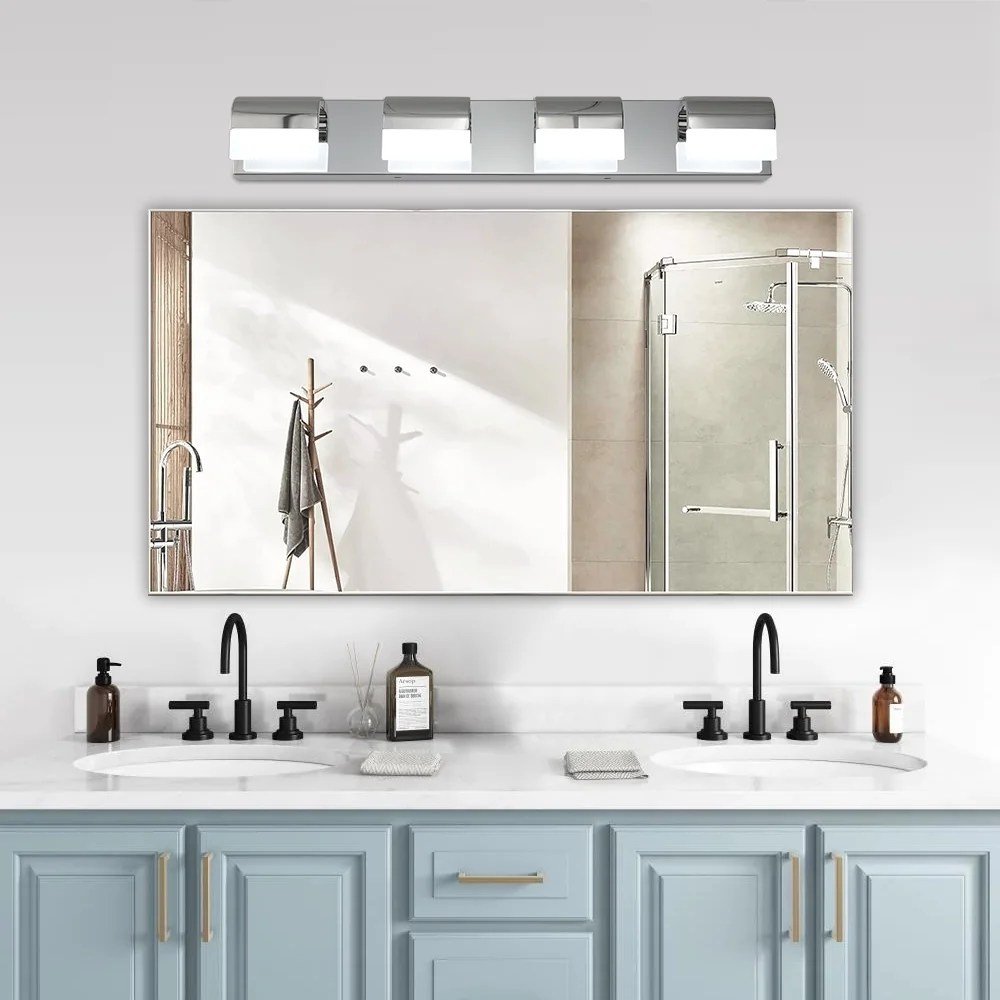
- Modern/Contemporary: Sleek lines, minimalist designs, and often feature integrated LED technology (meaning the LEDs are built into the fixture and not replaceable bulbs). Common finishes include brushed nickel, chrome, and matte black. Example: A long, rectangular LED bar light with a chrome finish.
- Traditional: Classic designs with decorative details like ornate shades, scrollwork, and vintage-inspired finishes like brushed gold or oil-rubbed bronze. Example: A 3-light vanity fixture with frosted glass shades and a brushed gold finish.
- Transitional: A blend of modern and traditional elements, offering a versatile style that can work in a variety of bathroom settings. Example: A vanity fixture with a clean, simple design but with a warm, vintage brass finish.
- Industrial: Raw and rugged designs that often incorporate exposed hardware, metal cages, and Edison-style LED bulbs. Example: A vanity light with bare bulbs and a matte black finish, reminiscent of factory lighting.
To help you further, Here are a few options, focusing on different aspects: * Find your perfect vanity style * Choosing the right bath light * Selecting a 3-light vanity * Which 3-light vanity works? * Style guide: Bath vanity lights.
Case Snippet: A homeowner with a newly renovated modern bathroom chose a sleek, dimmable LED bar light in a brushed nickel finish. The integrated LEDs provided ample light for grooming while complementing the minimalist design of the space. The dimming function allowed them to create a relaxing ambiance for evening baths.
Sizing and Brightness: How Much Light Do You Really Need?
Choosing the right size and wattage for your LED vanity light is essential for ensuring adequate brightness without overwhelming the space.
- Size: The width of the fixture should be proportional to the size of your vanity. As a general rule, the fixture should be about 2/3 to 3/4 the width of the vanity. For double vanities, consider using two smaller fixtures instead of one large one.
- Brightness: LED brightness is measured in lumens. The amount of lumens you need will depend on the size of your bathroom and the overall level of light you desire. A general guideline is to aim for 70-80 lumens per square foot.
- Wattage: While wattage indicates energy consumption, it’s also related to brightness. However, with LEDs, wattage is much lower than with traditional bulbs for the same level of brightness. A good rule of thumb is to look at the lumen output rather than the wattage when choosing LED bulbs.
Example: For a small bathroom vanity (30 inches wide), a 24-inch vanity light with a lumen output of 1600-2000 lumens would likely be sufficient. For a larger vanity (60 inches wide), you might need a 48-inch light with 3200-4000 lumens or two smaller fixtures with a combined lumen output in that range.
Pitfall Alert: Avoid choosing a vanity light that’s too small or too dim, as this can create shadows and make it difficult to see clearly in the mirror.
The Power of Dimming: Setting the Mood with LED Vanity Lights
Dimmable LED vanity lights offer the flexibility to adjust the light level to suit different tasks and create a customized ambiance.
- Benefits of Dimming:
- Energy Savings: Dimming the lights reduces energy consumption.
- Mood Lighting: Create a relaxing and inviting atmosphere for baths or prepare for bed.
- Task Lighting: Increase the brightness for tasks like applying makeup or shaving.
- Extended Lifespan: Dimming LEDs can extend their lifespan.
- Compatibility: Make sure that the LED vanity fixture and the dimmer switch are compatible. Not all LED fixtures are dimmable, and some require specific types of dimmer switches. Check the manufacturer’s specifications before purchasing.
Installation and Maintenance: Keeping Your LED Vanity Light Shining Bright
Installing an LED vanity light is a relatively straightforward process, but it’s essential to follow the manufacturer’s instructions and take safety precautions.
- Safety First: Always turn off the power at the circuit breaker before starting any electrical work.
- Installation: Follow the manufacturer’s instructions carefully. If you’re not comfortable working with electricity, hire a qualified electrician.
- Maintenance: LEDs require very little maintenance. Occasionally dust the fixture with a soft cloth. Avoid using harsh chemicals or abrasive cleaners.
Quick Answers: Your LED Vanity Light Questions Answered
Q: Are LED vanity lights expensive?
A: While the initial cost of LED vanity lights may be higher than traditional fixtures, the long-term savings in energy and bulb replacement costs make them a cost-effective choice.
Q: Can I replace the bulbs in an integrated LED vanity light?
A: No. Integrated LED fixtures have the LEDs built into the fixture, and the LEDs are not replaceable. However, these fixtures typically have a very long lifespan (25,000 hours or more), so you likely won’t need to replace them for many years.
Q: What is CRI, and why does it matter?
A: CRI stands for Color Rendering Index, which measures how accurately a light source renders colors compared to natural sunlight (which has a CRI of 100). A higher CRI (80 or above) is desirable for vanity lighting, as it ensures that colors appear true and vibrant. This is especially important for tasks like applying makeup.
Q: Do LED vanity lights get hot?
A: No. LEDs produce very little heat compared to traditional incandescent bulbs. This makes them safer to use and reduces the risk of burns.
Your LED Vanity Light Playbook: A Quick Start
- Assess Your Needs: Consider the size of your bathroom, the style of your décor, and the amount of light you need for various tasks.
- Choose a Color Temperature: Select a color temperature that complements your existing lighting and creates the desired ambiance. (Consider a temperature between 3000K and 4000K for all-around use).
- Select a Style: Choose a style that complements your bathroom décor, whether it’s modern, traditional, transitional, or industrial.
- Determine the Size and Brightness: Choose a fixture that’s proportional to the size of your vanity and provides adequate brightness. (Aim for 70-80 lumens per square foot.)
- Consider Dimming: If you want to adjust the light level, make sure the fixture and dimmer switch are compatible.
- Install and Enjoy: Follow the manufacturer’s instructions carefully, or hire a qualified electrician.
Upgrading to an LED vanity fixture is a simple yet impactful change that can transform your bathroom into a brighter, more stylish, and more functional space. By considering these factors, you can choose the perfect LED vanity light to meet your needs and enhance your daily routine.

- DIY Bathroom Mirror Frame Designs on a Budget - October 12, 2026
- Creative Bathroom Mirror Border Ideas for Every Style and Budget - October 11, 2026
- Bathroom Finishes That Handle Moisture and Look Great - October 10, 2026