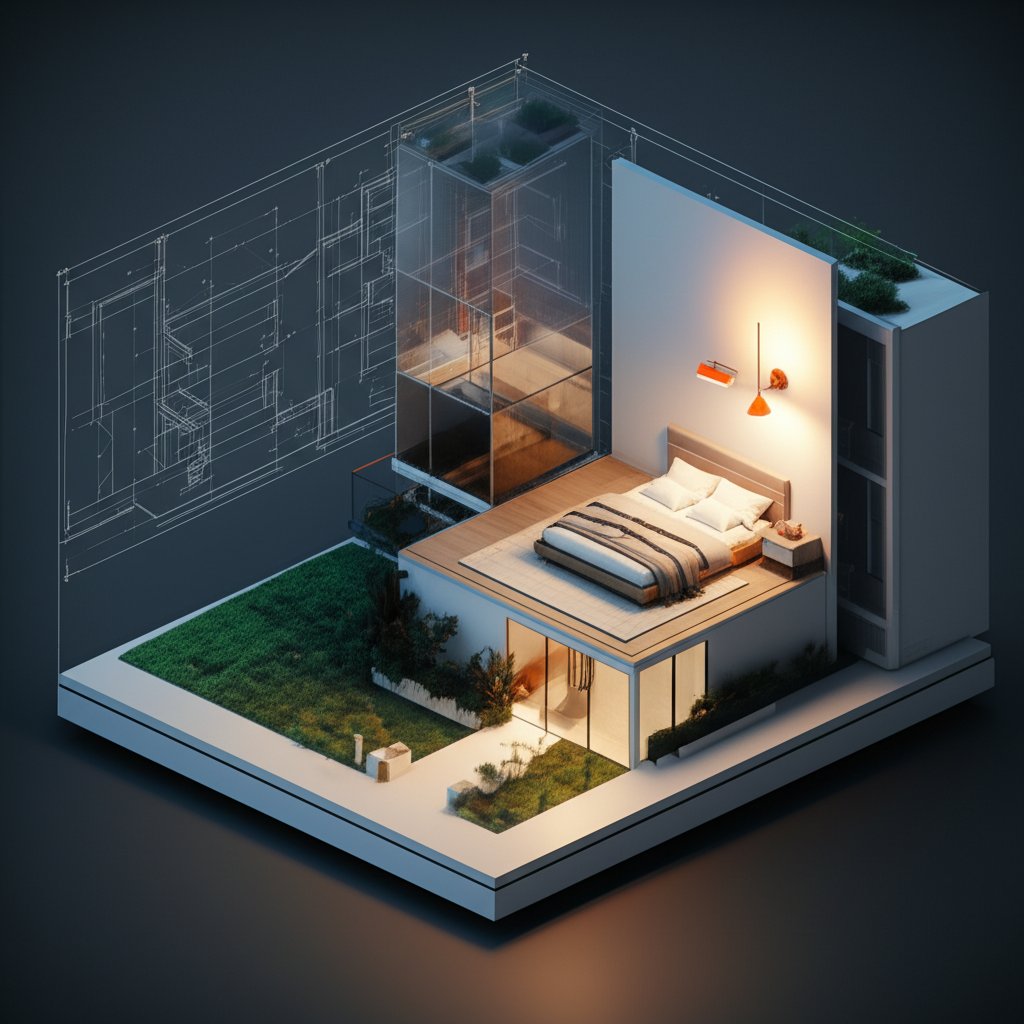
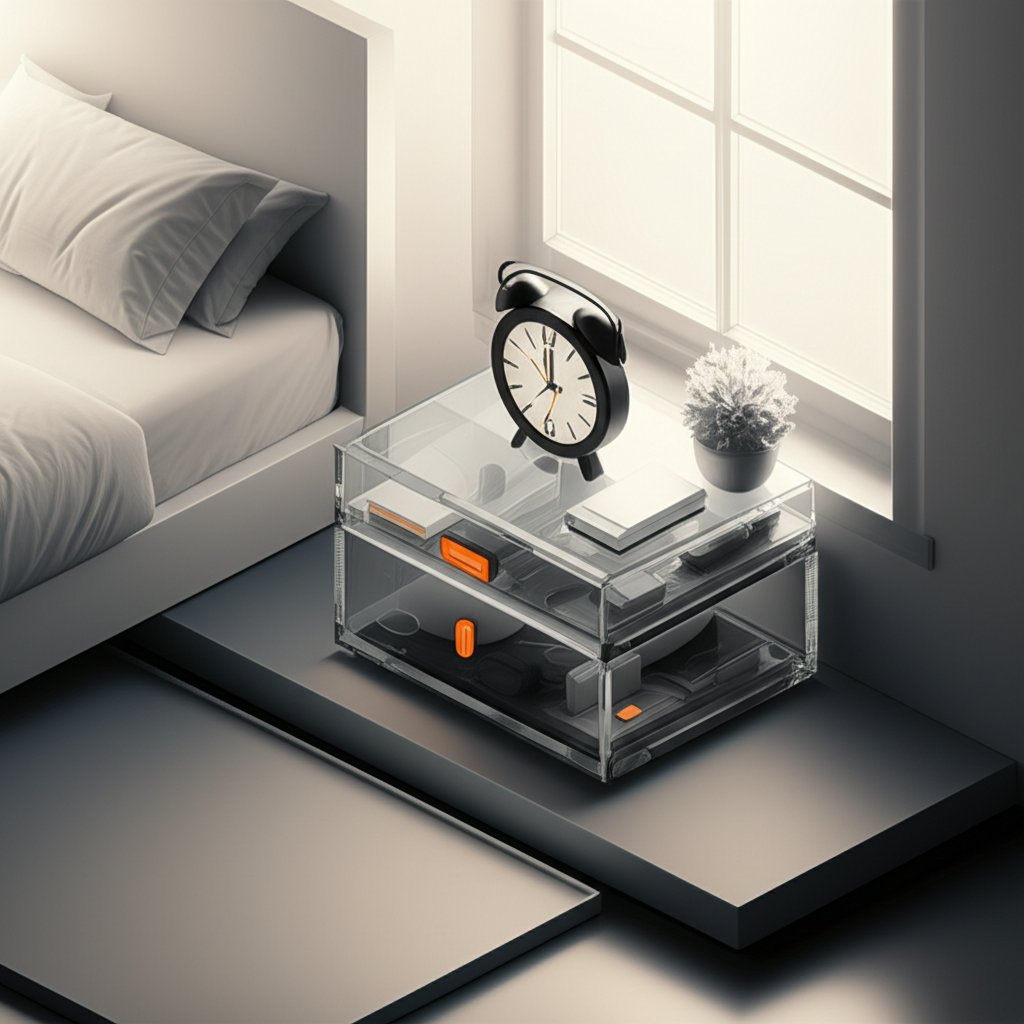
A cluttered nightstand is a quiet source of stress. The teetering stack of books, the water glass, the phone, the alarm clock—all competing for space with a bulky table lamp that never seems to aim light where you actually need it. Upgrading to bed wall sconces isn’t just a design choice; it’s a practical move that reclaims your space, elevates your room’s ambiance, and finally gives you the perfect light for winding down. They transform the area around your bed from a functional drop-zone into a deliberate, polished retreat.
At a Glance: Your Bedside Lighting Upgrade
- Decide Your Install Type: Learn the crucial differences between permanent hardwired sconces and flexible plug-in models to pick the right one for your home and skill level.
- Master Perfect Placement: Get step-by-step guidance on the ideal height and spacing for both focused reading and general ambient light.
- Match Sconce Style to Your Needs: Discover how swing-arm, directional, and shaded sconces serve different purposes, from pinpoint task lighting to a soft, relaxing glow.
- Choose the Right Bulb: Understand lumens (brightness) and color temperature (warmth) to create a comfortable, sleep-friendly environment.
- Avoid Common Pitfalls: Learn how to select the right scale for your bed and headboard, and how to position lights to eliminate annoying glare.
Reclaim Your Nightstand and Elevate Your Style
The most immediate benefit of installing bed wall sconces is the freedom you gain. By lifting your lighting off the nightstand and onto the wall, you instantly create a cleaner, more organized bedside. This space-saving trick is a favorite of interior designers looking to create a serene, hotel-chic vibe.
But it’s about more than just decluttering. Wall-mounted fixtures introduce a layer of light that adds depth and warmth to your room. They supplement a central ceiling light by providing focused task lighting for reading and soft ambient light for relaxing. This layered approach is a cornerstone of great lighting design, preventing the harsh, one-note feel of a single overhead fixture. For a deeper look at integrating different fixtures, our comprehensive Bedroom sconce guide offers a broader framework. Bed wall sconces act as both functional tools and architectural accents, framing your bed as the room’s clear focal point.
Hardwired vs. Plug-In: The First Big Decision
Your first major choice comes down to installation. This decision impacts cost, aesthetics, and flexibility, so it’s essential to understand the trade-offs.
The Permanent Polish of Hardwired Sconces
A hardwired sconce is wired directly into your home’s electrical system, sitting over a junction box in the wall. The result is a seamless, professional finish with no visible cords. This is the cleanest look possible.
- Pros: Utterly clean look with no dangling wires. Often controlled by a wall switch for convenience. Adds to the home’s perceived value with a permanent, built-in feel.
- Cons: Requires installation by a licensed electrician, which adds to the cost. The location is permanent, making it a bigger commitment if you like to rearrange furniture.
Case Snippet: A homeowner designing their minimalist master bedroom wanted an uncluttered, integrated look. They chose a pair of sleek, hardwired sconces from Modern Forms with small toggle switches directly on the backplate. An electrician installed them flanking the new upholstered headboard, creating a flawless, high-end result that felt like part of the home’s architecture.
The Freedom and Simplicity of Plug-In Sconces
A plug-in sconce, as the name implies, mounts to the wall but gets its power from a standard wall outlet via a cord. They offer immense flexibility and are a fantastic solution for renters or anyone hesitant to open up their walls.
- Pros: Easy, DIY-friendly installation—no electrician needed. Perfect for renters who can’t make permanent electrical changes. Can be moved if you redecorate or decide to reposition your bed.
- Cons: The power cord is visible. While many models come with decorative fabric cords or matching metal cord covers, you’ll still have a wire running down the wall.
Case Snippet: An apartment dweller wanted better reading light but was forbidden from altering the wiring. They selected a pair of vintage-style plug-in sconces with adjustable swing arms and a long, black fabric cord. They used small, clear cord clips to neatly run the wire along the baseboard to an outlet behind the bed, achieving a stylish and functional upgrade in under an hour.
Finding the Perfect Fit: A Placement Playbook
Where you mount your bed wall sconces is just as important as which ones you choose. Incorrect placement can lead to glare in your eyes or shadows on your book.
Getting the Height and Spacing Just Right
The ideal height depends on the sconce’s primary function: reading or ambiance.
For a Reading Sconce:
The goal is to illuminate your book without shining directly in your eyes.
- Get in Position: Sit up in bed against your pillows, just as you would when reading.
- Measure Up: Have someone measure from the floor to the top of your shoulder. This height—typically 55 to 60 inches from the floor—is the sweet spot for the center of your light fixture.
- Position for Comfort: The light source should be above and slightly behind your shoulder, allowing the light to fall across the page.
For an Ambient Sconce:
If the light is purely for a soft, general glow, you can mount it higher. - Aim for Balance: Position the sconces slightly higher, around 60 to 66 inches from the floor.
- Frame the Bed: Horizontally, they should be placed a few inches outside the edges of your headboard. This creates a pleasing visual frame. If you don’t have a headboard, position them 6 to 12 inches out from the sides of the mattress.
A Quick Placement Cheat Sheet
Use this table as a starting point, but always test the placement by holding the fixture in place before you drill any holes.
| Goal | Ideal Height (from floor) | Horizontal Placement |
|---|---|---|
| Task Reading | 55-60 inches | 6-12 inches from the side of the bed/headboard |
| Ambient Glow | 60-66 inches | Centered over nightstands or flanking the headboard |
| Visual Accent | Varies (often eye-level) | Symmetrically placed for balance |
Choosing Your Sconce Style by Function
With placement decided, you can focus on the type of sconce that best suits your habits. The physical design of the fixture dictates how it casts light.
The Taskmaster: Swing-Arm Sconces
As the name suggests, these sconces have an articulated arm that can be extended, retracted, and pivoted. This makes them the undisputed champions of bedside reading. You can pull the light close when you’re deep into a chapter and push it back against the wall when you’re done. This adjustability is also perfect for couples, as one person can aim their light without disturbing a sleeping partner. Brands like Robert Abbey offer excellent transitional designs in this category.
The Spotlight: Directional & Gooseneck Sconces
These fixtures provide a highly focused, narrow beam of light. They are less about overall room ambiance and more about pure, targeted task lighting. A small, directional LED sconce, like those from SONNEMAN Lighting, can illuminate a single page with minimal light spill, making it the most considerate option for a partner who is sensitive to light.
The Ambiance Creator: Shaded & Diffused Sconces
Sconces with fabric, glass, or perforated metal shades cast a soft, diffused glow. They excel at creating a warm, relaxing atmosphere. While they provide some light, it’s generally not focused enough for hours of comfortable reading. These are best for setting a mood, providing a gentle nightlight, or adding a textural, decorative element to the wall.
Decoding the Technical Specs for Real-World Comfort

Don’t let terms like lumens and Kelvin intimidate you. Getting them right is the key to creating a truly comfortable space.
How Bright is Bright Enough? Understanding Lumens
Lumens (lm) measure the total amount of visible light from a bulb. More lumens mean brighter light. Forget wattage—lumens are the modern standard.
- For Reading: Aim for a bulb that provides 250 to 500 lumens per sconce. This is bright enough for clear visibility without causing eye strain.
- For Ambiance: If the sconces are just for a gentle glow, 150 to 300 lumens is plenty.
Set the Mood: The Non-Negotiable Dimmer
A dimmer is essential for bed wall sconces. It allows a single fixture to serve multiple purposes. You can have it at full brightness for reading and then dim it down to a soft glow for watching TV or winding down.
- Hardwired Sconces: Install a compatible dimmer switch on the wall.
- Plug-In Sconces: Look for models with a built-in dimmer switch on the cord or backplate.
- The Smart Solution: Use smart bulbs (like Philips Hue, Wyze, or Cync) in any sconce. This allows you to control brightness and even color temperature directly from your phone or a voice assistant.
Color Temperature: The Difference Between Cozy and Clinical
Color temperature is measured in Kelvin (K) and describes how “warm” or “cool” the light appears. This is critical in a bedroom, where you want to promote relaxation.
- The Ideal Range: Stick to 2700K to 3000K. This is known as “Warm White” and has a cozy, yellowish hue similar to a classic incandescent bulb or candlelight.
- What to Avoid: Steer clear of bulbs above 4000K (“Cool White” or “Daylight”). Their bluish tint can interfere with your body’s production of melatonin, the sleep hormone, making it harder to fall asleep.
Answering Your Top Questions About Bed Wall Sconces
Q: How far apart should bed wall sconces be?
A: A good rule of thumb is to place them slightly wider than your headboard to create a balanced look. For a queen bed (60 inches wide), the center of your sconces might be 65-75 inches apart. For a king bed (76 inches wide), aim for 80-90 inches apart. If you’re centering them over your nightstands, use that as your guide.
Q: Can I install a hardwired sconce myself?
A: Unless you are a licensed electrician or have extensive, verified experience with home wiring, this job should be left to a professional. Working with electricity is dangerous, and improper installation is a fire hazard. A plug-in sconce is the safe and appropriate choice for a DIY project.
Q: Do my bed wall sconces need to match my overhead light?
A: They don’t have to be a perfect match, but they should feel related. Create cohesion by coordinating their finish (e.g., all fixtures are matte black), material (e.g., touches of brass on each), or general style (e.g., all fixtures have clean, modern lines or traditional curved forms).
Q: What if I don’t have an outlet near my bed for a plug-in sconce?
A: First, check if the cord is long enough to reach another outlet—some come with cords over 12 feet long. If not, you can use a high-quality, low-profile extension cord and hide it behind the headboard or under the bed. For a more permanent solution, an electrician can install a new outlet for a reasonable cost.
Your Next Steps to a Perfectly Lit Bedside
Choosing the right bed wall sconces is a series of simple, practical decisions. By thinking through your needs and measuring your space, you can select fixtures that will serve you beautifully for years.
- Choose Your Installation: Are you renting or love DIY? Plug-in is your answer. Are you a homeowner seeking a seamless, permanent look? Hardwired is the way to go (with a pro’s help).
- Define Your Primary Use: Are you a dedicated late-night reader? Prioritize a swing-arm or directional sconce. Do you just want a cozy glow? A beautiful shaded sconce is perfect.
- Measure Your Space: Sit in bed and mark your ideal reading height (around shoulder level). Then, measure your headboard’s width to plan your horizontal spacing for a balanced look.
- Select Your Light: Find a bulb or integrated LED that provides 250-500 lumens at a warm 2700K-3000K color temperature. And above all, ensure you have a way to dim the light.
With these steps, you can move beyond generic lighting and install bed wall sconces that are perfectly tailored to your space, your habits, and your style—turning your bedroom into the true sanctuary it should be.

- DIY Bathroom Mirror Frame Designs on a Budget - October 12, 2026
- Creative Bathroom Mirror Border Ideas for Every Style and Budget - October 11, 2026
- Bathroom Finishes That Handle Moisture and Look Great - October 10, 2026