That satisfying click of a new dimmer switch followed by a soft, warm glow is the goal. But for many, installing new dimmable recessed light bulbs ends in a frustrating reality of flickering, buzzing, or lights that simply refuse to dim smoothly. The dream of cinematic movie nights and relaxing evenings is replaced by an annoying strobe effect. The good news is that achieving perfect, mood-setting dimming isn’t about luck; it’s about understanding how these modern bulbs work with your home’s wiring.
This guide goes beyond the basics to give you the practical knowledge to choose the right bulbs, pair them with the right hardware, and finally get the beautiful, adjustable lighting you envisioned.
At a Glance: Your Path to Perfect Dimming
- Dimmer Compatibility is Non-Negotiable: Your existing dimmer switch is likely the source of most problems. We’ll show you how to check it.
- Mood is Measured in Kelvin and Lumens: Learn the difference between a cozy 2700K glow for the living room and a crisp 3000K light for the kitchen.
- Not All “Dimmable” Bulbs are Created Equal: The quality of the internal electronics dictates the smoothness of the dimming curve.
- Bulb Size Matters: We’ll clarify the difference between BR30 and BR20 bulbs and which fits your recessed cans.
- A Quick Test Saves Headaches: A simple strategy for testing bulbs before you commit to a full-room installation can save you time and money.
Why Your Old Dimmer Hates Your New LEDs
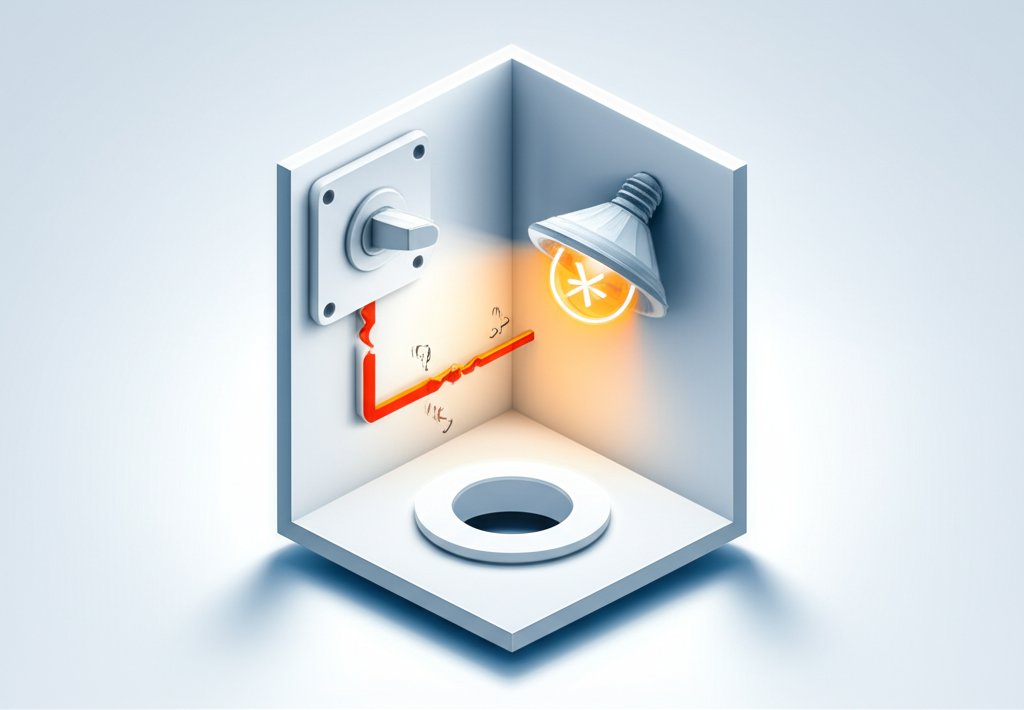
The number one reason dimmable recessed light bulbs misbehave is a mismatch with the dimmer switch on the wall. It’s a technology clash between two different eras of lighting.
Your old incandescent bulbs dimmed in a very simple way. The dimmer switch, acting like a valve, reduced the amount of electrical power flowing to the bulb’s filament. Less power meant less heat and, consequently, less light. It was a straightforward, analog process.
LEDs are completely different. They are sophisticated electronic devices, not simple heated wires. An LED bulb has an internal “driver” that converts your home’s AC power into the low-voltage DC power the LED chips need. When you use a dimmer, it doesn’t just reduce the power; it rapidly chops the electrical wave. The LED’s driver must be able to interpret this choppy signal and translate it into a smooth, steady reduction in light.
Think of it like this: an old dimmer is a simple water faucet. An LED bulb is a complex digital sprinkler system. Turning the faucet slightly won’t always make the sprinkler system spray gently; it might just sputter and choke. You need a controller designed for the system. That’s why modern, LED-compatible dimmers are essential for smooth, flicker-free performance.
While finding the right dimmer is critical, it’s just one part of creating the perfect lighting scheme. For a complete look at bulb types, features, and overall best picks, our comprehensive Best Recessed LED Bulb Guide provides the broader framework for your project.
Decoding the Specs for the Perfect Atmosphere
When you look at a box of dimmable LED bulbs, the technical jargon can be overwhelming. Let’s cut through the noise and focus on the three specifications that directly impact the mood and function of your room.
Lumens: The True Measure of Brightness
Forget watts. With LEDs, watts only measure energy consumption. Lumens (lm) measure the actual amount of light produced. A higher lumen count means a brighter light.
- For a standard living room or bedroom: Look for bulbs that replace a 65-watt incandescent. These will typically be in the 650 to 850 lumen range. The Sigalux BR30 (650lm) offers a softer light, while the Sunco BR30 (850lm) provides a brighter output.
- For task areas like kitchens or home offices: You might prefer the higher end of that range, around 800-850 lumens, to ensure the space is well-lit when at full power.
Color Temperature (Kelvin): Crafting the Mood
Color temperature, measured in Kelvin (K), defines the color of the white light, from a warm, candle-like glow to a cool, bluish daylight. This is arguably the most important factor for ambiance.
- 2700K (Warm White): This is the color of a classic incandescent bulb. It’s warm, cozy, and inviting, making it perfect for living rooms, dens, and bedrooms. The SYLVANIA ECO and Sigalux bulbs are great examples, both offering that classic 2700K warmth.
- 3000K (Soft or Warm White): This color is slightly crisper and whiter than 2700K but still has a warm feel. It’s excellent for kitchens, bathrooms, and basements where you want a clean, clear light that isn’t harsh. The Sunco 12 Pack BR30 bulbs at 3000K hit this sweet spot.
Color Rendering Index (CRI): Seeing True Colors
CRI measures how accurately a light source reveals the true colors of objects, on a scale of 0 to 100. For most of your home, a CRI of 80+ is fine. But in certain areas, high CRI makes a world of difference.
- A CRI of 90+ is ideal for:
- Kitchens: To see the true color of your food.
- Bathrooms: For accurate makeup application and skin tones.
- Closets: To easily distinguish between navy blue and black socks.
The Sunco BR30 and BR20 bulbs stand out with a CRI of 93, ensuring that the colors in your home look vibrant and natural, not washed out or yellowed.
A Practical Playbook for Flicker-Free Dimming
Ready to make a purchase? Follow these steps to ensure a successful, frustration-free installation.
Step 1: Identify Your Dimmer Switch
First, look at the dimmer switch itself. Many older, dial-style dimmers are not compatible with LEDs. Modern rocker-style switches may have a small adjustment dial on the side. If you aren’t sure, it’s safest to assume it’s not compatible. Look for dimmers explicitly labeled “LED,” “CFL/LED,” or that are designated as “CL” (CFL & LED) dimmers from reputable brands.
Step 2: Check the Bulb’s Compatibility List
High-quality bulb manufacturers test their products with a wide range of dimmers. Visit the manufacturer’s website (e.g., Sunco, SYLVANIA) and look for a “dimmer compatibility list” for the specific bulb model you’re considering. This is the most reliable way to guarantee a good match.
Step 3: Match the Bulb Size to Your Fixture
Recessed light fixtures, often called “cans,” come in standard sizes. You need a bulb that fits correctly.
- BR30 Bulbs: “BR” stands for Bulged Reflector. These are the most common size for standard 5-inch and 6-inch recessed cans. The Sunco, Sigalux, and SYLVANIA models mentioned in our research are all BR30s.
- BR20 Bulbs: These are smaller and designed for 4-inch recessed cans. The Sunco Lighting 4 Pack of BR20s is a perfect example, designed for smaller spotlight applications.
Step 4: Buy a Small Test Batch First
Before you buy 20 bulbs for your entire basement, buy a single pack of two or four. Install them in one fixture with your existing (or new) dimmer switch. Test the full dimming range.
- Do they dim smoothly from 100% down to 10%?
- Is there any flickering at any level?
- Do you hear any buzzing from the bulb or the switch?
- Do they “pop on” at a certain brightness instead of starting from zero?
If they pass this test, you can confidently buy the rest. If not, you’ve only invested a small amount and can easily try a different bulb or a new dimmer switch.
Quick Comparison of Popular Dimmable Models
To make your decision easier, here’s how some of the bulbs from our research stack up against each other.
| Bulb Model | Brightness (Lumens) | Color Temp (Kelvin) | CRI | Wattage (Equivalent) | Best For… |
|---|---|---|---|---|---|
| Sunco BR30 LED Bulb | 850 lm | 3000K | 93+ | 11W (65W) | Kitchens and workspaces needing bright, true color. |
| Sigalux BR30 LED Bulb | 650 lm | 2700K | 80+ | 9.5W (65W) | Creating a very warm, cozy, and relaxed ambiance. |
| SYLVANIA ECO BR30 Bulb | 650 lm | 2700K | 80+ | 10W (65W) | Living rooms and bedrooms with modern dimmers. |
| Sunco BR20 LED Bulb | 525 lm | 2700K | 93+ | 7W (50W) | 4-inch cans, hallways, and accent lighting. |
| Note: Performance, especially dimming, can vary based on your specific dimmer switch. |
Your Dimmable LED Questions, Answered
Let’s clear up a few common points of confusion around dimmable recessed light bulbs.
Q: Can I use any “dimmable” LED bulb with my old dimmer switch?
A: No, this is the most common mistake. Old dimmers designed for incandescent bulbs often cause LEDs to flicker, buzz, or fail prematurely. Always use a modern dimmer specifically rated for LEDs for the best performance.
Q: Do dimmable recessed light bulbs actually save energy when dimmed?
A: Yes, absolutely. Unlike incandescent bulbs that just turn unused energy into heat, LEDs reduce their power consumption as they are dimmed. Dimming your LEDs to 50% brightness can reduce energy use by nearly 50%, extending their already long lifespan even further.
Q: Why do my brand new LED bulbs flicker?
A: Flickering is almost always a symptom of incompatibility between the bulb’s internal driver and the dimmer switch. The solution is usually to either try a different brand of high-quality bulb or, more reliably, upgrade your dimmer switch to an LED-compatible model.
Q: Is a more expensive dimmable bulb worth it?
A: Often, yes. A higher price can indicate superior internal components (the driver), which leads to a smoother dimming curve, a wider dimming range (down to 5% or 10%), and better heat management for a longer life. A solid warranty is also a great indicator of a manufacturer’s confidence in their product.
Your Final Check for the Perfect Glow
Choosing the right dimmable recessed light bulbs transforms a room from simply being “lit” to being a space with atmosphere and flexibility. You can go from bright, focused task lighting to a soft, relaxing glow with the slide of a switch.
Before you make your final decision, run through this quick mental checklist:
- Check Your Switch: Have you confirmed you have an LED-compatible dimmer, or are you prepared to install one? This is the foundation for success.
- Choose Your Mood: Decide on the color temperature. Do you want the cozy warmth of 2700K or the clean neutrality of 3000K?
- Verify Your Size: Double-check if your fixtures require the standard BR30 or the smaller BR20 bulbs.
By getting these three details right, you can avoid the common pitfalls and finally enjoy the beautiful, dynamic, and energy-efficient lighting that modern LEDs promise.

- Bathroom Materials Selection Offers Quality Fixtures for Home Design Projects - October 9, 2026
- Best Cosmetic Storage Containers For a Tidy Vanity - October 8, 2026
- Best Makeup Storage Boxes to Keep Your Vanity Spotless - October 7, 2026