The wrong recessed light bulbs can leave a room feeling like a sterile office or a dim cave, no matter how well-decorated it is. They cast harsh shadows, wash out colors, and subtly drain your energy—and your wallet. The right bulbs, however, do the opposite. They can make a small room feel open, a large room feel cozy, and turn a functional space into an inviting sanctuary, all while slashing your energy consumption.
This is your guide to mastering that transformation. We’ll move beyond generic advice and get into the practical details that separate a frustrating lighting project from a stunning success.
At a Glance: Your Lighting Upgrade Blueprint
- Decode the Specs: Learn how to read lumens (brightness) and Kelvin (color) to choose the perfect light for any room’s purpose.
- Master the Beam: Understand the critical difference between a wide-casting BR bulb and a focused PAR bulb to direct light with intention.
- Unlock Ambiance: Discover why dimmability is non-negotiable for modern lighting and how to avoid the dreaded flicker.
- Get the Perfect Fit: A simple framework for matching bulb size and shape to your existing recessed cans.
- Avoid Common Pitfalls: Sidestep frequent mistakes like using the wrong dimmer switch or choosing a bulb with poor color rendering.
More Than Just Glass: The Anatomy of a Modern Recessed Bulb
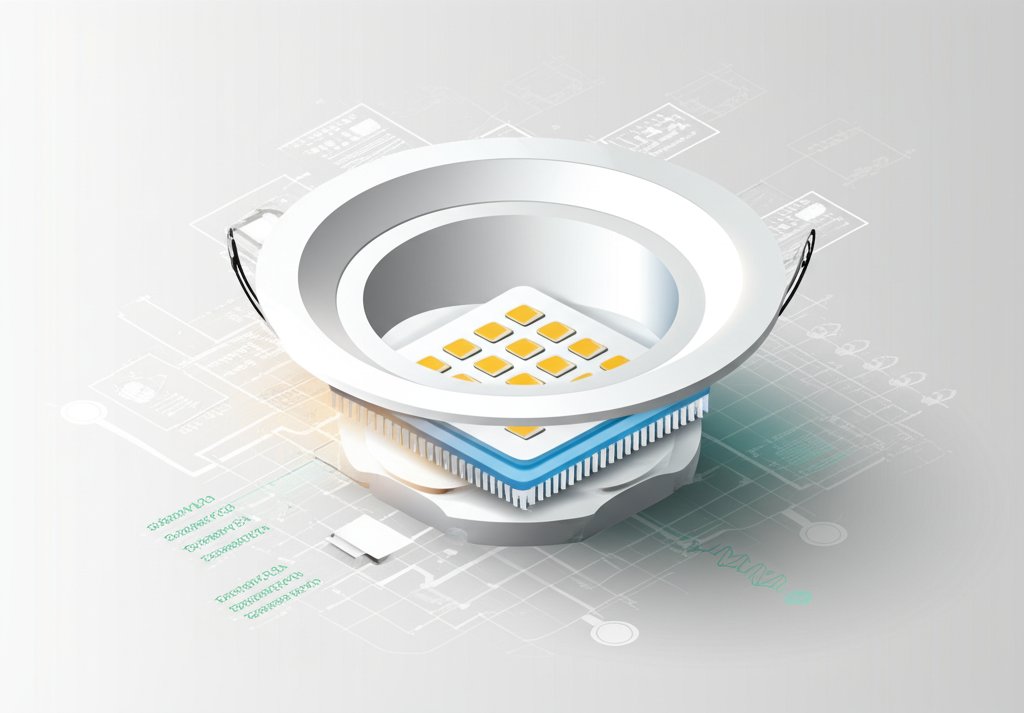
When you hold a modern LED recessed bulb, you’re holding a sophisticated piece of technology designed for a single purpose: to create high-quality light efficiently and for a very long time. Unlike old incandescent bulbs that were little more than a hot filament in a glass bubble, today’s LEDs have several key components working in concert.
- The LED Chip: This is the heart of the bulb, the semiconductor that actually produces the light. The quality of the chip dictates the bulb’s efficiency, color accuracy, and lifespan.
- The Heat Sink: LEDs produce light, but they also produce heat. A robust heat sink, often made of aluminum, is crucial for drawing that heat away from the chip. This is the number one factor in a bulb’s longevity; a poor heat sink means a short life.
- The Reflector & Lens: This is what shapes the light. In recessed light bulbs, this component is designed to direct the light downward and out of the can, preventing it from being wasted inside the fixture. The design of the reflector determines if the light is a wide flood or a narrow spot.
Understanding this helps you appreciate why a well-made bulb from a reputable brand often outperforms a generic alternative. You’re investing in better components that deliver more reliable, beautiful light for years to come.
Decoding Light: How Lumens and Kelvin Define Your Room’s Vibe
The two most important specifications you’ll encounter are lumens and Kelvin. Getting them right is 80% of the battle. Think of them as the volume and tone of your lighting.
Finding Your Brightness Sweet Spot (Lumens)
Lumens (lm) measure the total amount of visible light from a bulb—its raw brightness. Forget watts; that’s a measure of energy consumption. With LEDs, you can get massive brightness from very few watts. For example, the Sunco BR30 LED Bulbs mentioned in product reviews produce 850 lumens while only using 11 watts, replacing an old 65-watt incandescent.
Here’s a practical guide for choosing lumens for recessed lighting:
- Low Brightness (400-800 Lumens): Ideal for ambient or accent lighting. Perfect for hallways, entryways, or creating soft pools of light in a living room where other lamps are present. The Sigalux or Sylvania BR30 bulbs at 650 lumens fit perfectly here.
- Medium Brightness (800-1200 Lumens): This is the workhorse range for general-purpose lighting. Use bulbs in this range for kitchens, home offices, laundry rooms, and primary living spaces where you need clear, functional light. The 850-lumen Sunco bulb is a prime example.
- High Brightness (1200+ Lumens): Reserved for high-ceiling applications or task-intensive areas. Think workshops, garages, or a focused light directly over a kitchen island where you do intricate prep work.
Pro-Tip: It’s almost always better to have slightly more lumens than you think you need and add a dimmer. You can always dim a bright light, but you can never make a dim light brighter.
Setting the Mood with Color Temperature (Kelvin)
Color Temperature, measured in Kelvin (K), describes the color appearance of the light, from warm and yellow to cool and blue. This single choice has a massive impact on a room’s atmosphere.
| Color Temperature | Kelvin Range | Best For | The Vibe |
|---|---|---|---|
| Warm White | 2700K – 3000K | Living rooms, bedrooms, dining rooms, dens | Cozy, inviting, relaxing |
| Cool White | 3500K – 4100K | Kitchens, bathrooms, offices, basements | Neutral, clean, focused |
| Daylight | 5000K – 6500K | Garages, workshops, craft rooms, security | Crisp, energizing, alert |
| Most of the popular bulbs, like the Amazon Basics BR30 or SYLVANIA ECO, land in the 2700K “Soft White” camp, which mimics the warm glow of a traditional incandescent bulb and is a safe, welcoming choice for most living areas. A 3000K bulb offers a slightly crisper warm light, while a 5000K “Daylight” bulb, like the Sigalux LED Flood Lights Indoor, provides a stark, blue-white light that enhances detail and is excellent for task areas but can feel clinical in relaxation spaces. |
Shape Matters: Choosing Between Flood (BR) and Spot (PAR)
Not all recessed light bulbs cast the same shadow. The shape of the bulb’s reflector fundamentally changes how light is distributed. The two most common types you’ll encounter are BR and PAR.
- BR (Bulged Reflector): This is your go-to for general ambient lighting. BR bulbs, like the BR30s that dominate our product examples, have a wide reflector that casts a soft-edged, broad pool of light. They are designed to “wash” a wall or “flood” a room with even, consistent illumination. They are perfect for filling a living room, kitchen, or hallway.
- PAR (Parabolic Aluminized Reflector): Think of a PAR bulb as a spotlight. It uses a mirrored internal reflector to produce a more focused, controlled beam of light with a harder edge. PAR bulbs are ideal for accent lighting—highlighting artwork, grazing a textured fireplace, or providing intense task lighting over a countertop or sink.
Scenario in Practice: In a kitchen, you might use four BR30 bulbs for overall room lighting. Then, you could add one or two PAR20 or PAR30 bulbs directly over the island to create a bright, focused zone for chopping vegetables, without making the rest of the room uncomfortably bright.
Matching the Bulb to Your Can: Sizing Explained
The number after the letters (e.g., BR30) indicates the bulb’s diameter in eighths of an inch. To convert, just divide the number by 8.
- BR30: 30/8 = 3.75 inches in diameter.
- PAR38: 38/8 = 4.75 inches in diameter.
Most residential homes use 4-inch, 5-inch, or 6-inch recessed housings (cans). The BR30 is by far the most common size, designed to fit perfectly in 5-inch and 6-inch cans. Always check your existing fixture to confirm the required size before you buy. While we’re focused on the bulbs themselves, matching them to the right housing is crucial. For a complete overview of both bulbs and fixtures, our Best Recessed LED Guide provides a comprehensive framework.
Unlocking True Ambiance Control with Dimmability
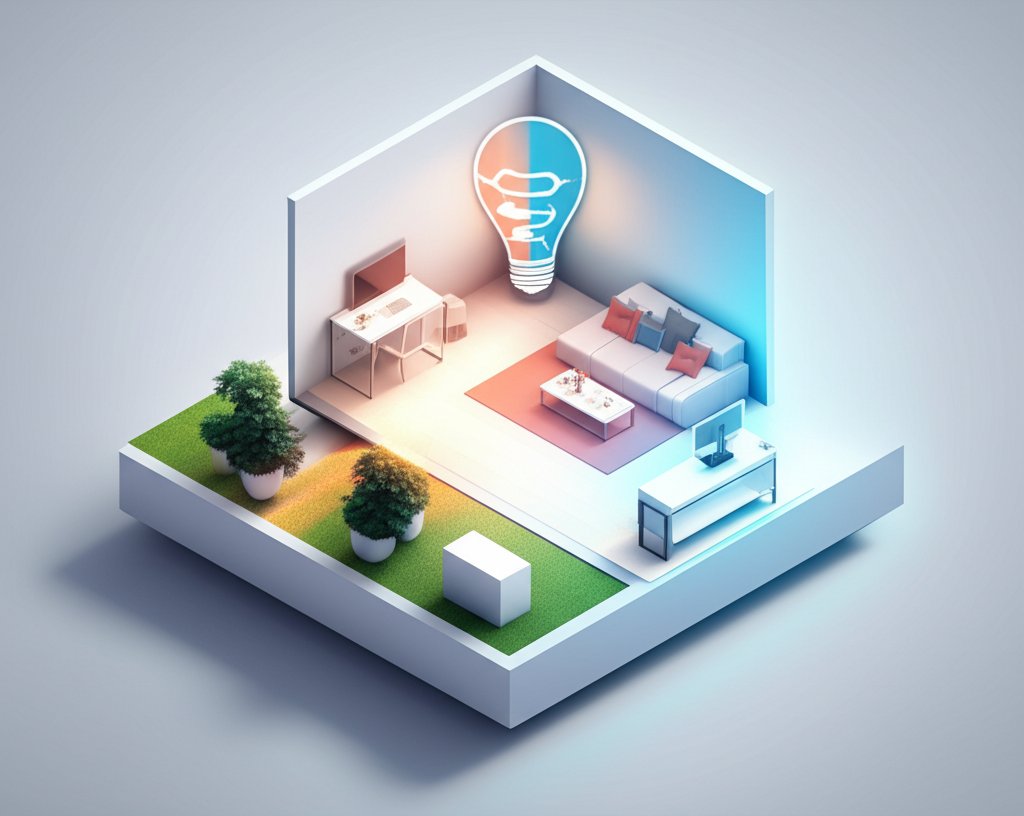
If you take only one piece of advice, let it be this: always choose dimmable recessed light bulbs. The ability to adjust brightness is the single most powerful tool for shaping a room’s ambiance. It allows a space to be bright and functional for cleaning or working, then transform into a low-lit, intimate setting for relaxing or entertaining.
However, dimming LEDs isn’t as simple as screwing in a bulb. You need two things to work in harmony:
- A Dimmable LED Bulb: The packaging must explicitly state “dimmable.” Non-dimmable bulbs will flicker, hum, or fail prematurely when connected to a dimmer. All the product examples listed in our research—from Sunco to DEGNJU—are dimmable models.
- A Compatible LED Dimmer Switch: This is the most common point of failure. Old dimmer switches were designed for the high-wattage load of incandescent bulbs. They often don’t work well with low-wattage LEDs, causing flickering, buzzing, or a limited dimming range. You need a modern dimmer rated for LEDs (often labeled “CFL/LED” or with a “C·L” designation).
Investing in a quality dimmer switch is just as important as investing in the bulbs themselves. The combination provides smooth, silent, flicker-free control from 100% brightness down to a faint glow.
Your Step-by-Step Guide to the Perfect Purchase
Feeling overwhelmed? Don’t be. Use this simple checklist to walk through your decision process for any room.
- Identify the Room & Purpose: What happens here? Is it for work, relaxation, or general traffic? (e.g., Kitchen Prep Area).
- Determine Brightness Needs (Lumens): Based on the purpose, choose your brightness. High-traffic and task areas need more. (e.g., Kitchen prep needs bright, functional light, so I’ll aim for 800-1200 lumens per fixture).
- Choose the Mood (Kelvin): What vibe are you after? Cozy and warm or clean and modern? (e.g., I want a clean, bright feel in the kitchen, so I’ll go with 3500K-4100K Cool White).
- Check Your Housing Size: Measure the diameter of your existing can or check the old bulb. (e.g., My cans are 6 inches wide).
- Select the Right Shape (BR vs. PAR): Is this for general lighting or a focused task? (e.g., I want to flood the whole area, so I’ll choose a BR30 bulb).
- Confirm Dimmability: Will you use a dimmer? The answer should almost always be yes. (e.g., Yes, I want to control the brightness, so I’ll buy dimmable bulbs and an LED-compatible dimmer).
- Verify Safety and Quality: Look for a safety certification like UL or ETL on the product listing. Consider the bulb’s CRI (Color Rendering Index)—a value over 90, like the Sunco BR30’s CRI93, will make food and decor look vibrant and true-to-life.
Quick Answers to Common Questions
Why are my new dimmable LED bulbs flickering?
This is almost always due to an incompatible dimmer switch. Your old dial or slider dimmer was built for high-power incandescent bulbs. You need to replace it with a modern dimmer specifically designed for the low-wattage and sensitive electronics of LEDs to ensure smooth, flicker-free performance.
Can I use any regular LED bulb in my recessed can?
No. You should use a bulb specifically rated and shaped for recessed fixtures, like a BR or PAR bulb. These are designed to direct light down and out of the can and are built to handle the heat that can build up inside an enclosed fixture. A standard A19-style bulb will trap light and heat inside the can, leading to poor performance and a shortened lifespan.
What does a high CRI (Color Rendering Index) actually do?
CRI measures how accurately a light source reveals the true colors of objects compared to natural sunlight. A low CRI bulb can make colors look dull, washed out, or even shift their hue (e.g., making a red apple look brownish). A bulb with a CRI of 90+ renders colors with stunning accuracy, making everything from artwork and furniture to skin tones and food look vibrant and natural. It’s a premium feature that makes a surprisingly big difference.
How long do LED recessed light bulbs really last?
Quality LED bulbs are rated for 15,000 to 25,000 hours of use. It can be hard to conceptualize that, so think of it this way: if you use a 25,000-hour bulb for 3 hours every single day, it is projected to last over 22 years. This longevity is why, despite a higher upfront cost, they are a fantastic long-term investment.
Choosing the right recessed light bulbs is one of the highest-impact upgrades you can make to your home. It’s about more than just illumination; it’s about crafting an environment that feels right for you. Start with a single room—your kitchen or living room—and apply these principles. Replace those old, inefficient bulbs with a set that has the right brightness, color, and beam for the space. You’re not just changing a light bulb; you are actively designing the comfort and character of your home.

- Bathroom Materials Selection Offers Quality Fixtures for Home Design Projects - October 9, 2026
- Best Cosmetic Storage Containers For a Tidy Vanity - October 8, 2026
- Best Makeup Storage Boxes to Keep Your Vanity Spotless - October 7, 2026