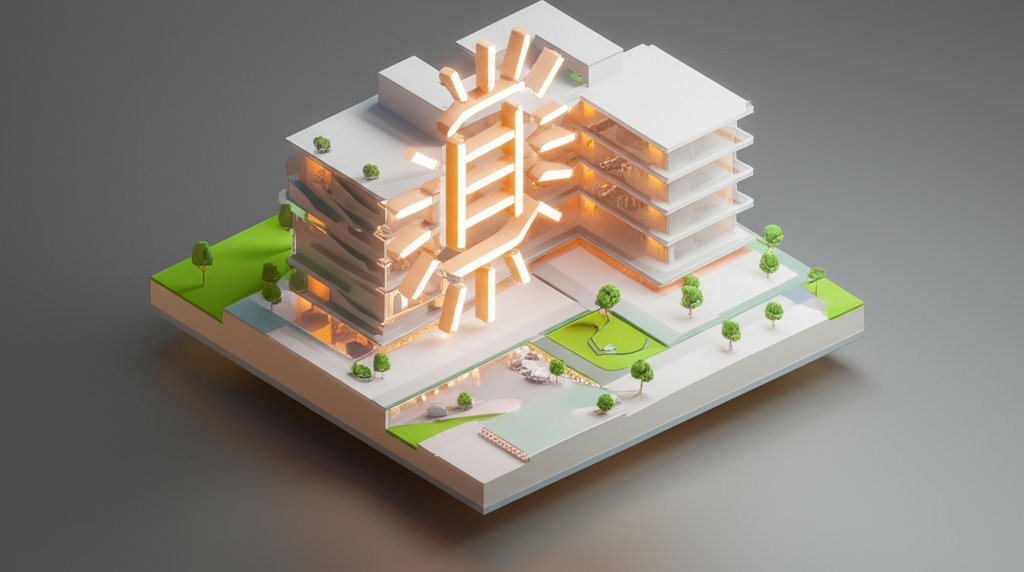
That dark, uninspired hallway. The corner of your living room that swallows light whole. The vanity mirror that casts unflattering shadows. Every home has these problem spots, and for years, the solutions were often clunky, inefficient, or just plain boring. But a quiet revolution has been happening on our walls, and it’s powered by a simple, brilliant piece of technology: the led wall sconce. This isn’t just another light fixture; it’s a design tool that merges form, function, and incredible efficiency to solve lighting dilemmas you didn’t even know you could fix so elegantly.
Forget the fussy, old-fashioned sconces of the past. Today’s LED models are sleek, versatile, and engineered to last for decades, transforming spaces with intentional layers of light. They are the unsung heroes of modern interior design, capable of making a small room feel larger, a low ceiling feel higher, and a simple wall feel like a work of art.
At a Glance: Your Quick Guide to LED Sconces
- What is an Integrated LED Sconce? It’s a complete fixture where the LED lights are built directly into the design, not a separate bulb you screw in. This allows for sleeker, more creative shapes and profiles.
- The Core Benefits: They use up to 80% less energy than traditional bulbs, can last over 20 years with average use, and come in an endless variety of minimalist and artistic styles.
- Best Places to Use Them: Hallways, flanking a fireplace or TV, beside a bed, next to a bathroom mirror, and on outdoor patios or entryways.
- Key Specs to Know: Look for lumens (brightness), Kelvin (color temperature, from warm to cool), and CRI (color accuracy).
- Installation Options: Choose between hardwired fixtures for a seamless, built-in look or plug-in models for easy, DIY installation that’s perfect for renters.
Beyond the Bulb: What Makes an LED Wall Sconce a Smarter Choice?
When most people think of a wall sconce, they picture a decorative bracket holding a lightbulb. An LED wall sconce, particularly an integrated one, flips that concept on its head. The light source isn’t an afterthought; it’s part of the fixture’s very soul. Tiny, powerful light-emitting diodes (LEDs) are built directly into the frame, which unshackles designers from the tyranny of the traditional bulb socket.
The result is a fusion of light and form that simply wasn’t possible before. But the advantages go far beyond aesthetics.
Unpacking the Big Three Benefits
When you choose an LED sconce, you’re not just buying a light; you’re investing in a superior technology. Here’s why it consistently outperforms its predecessors.
1. Radical Energy Efficiency
This is the most celebrated benefit of LED technology. Traditional incandescent bulbs were tiny heaters that happened to produce light, wasting over 90% of their energy as heat. LED sconces are the opposite. They are incredibly efficient at converting electricity into light, which means they use significantly less power. According to the U.S. Department of Energy, ENERGY STAR certified LEDs use up to 90% less energy and last 15 to 25 times longer than incandescent bulbs. This translates directly to lower electricity bills every single month.
2. Astonishing Longevity
Remember balancing on a stepladder to change a burnt-out bulb in a high-ceiling hallway? With an integrated LED sconce, that’s a problem of the past. Many fixtures are rated for 50,000 hours of use. If you run it for five hours a day, every day, it could last for more than 27 years. This “set it and forget it” lifespan makes them perfect for hard-to-reach places and saves you the long-term cost and hassle of replacements.
3. Unprecedented Design Freedom
Because designers don’t need to accommodate a bulky, hot A19 bulb, they can create fixtures that are impossibly thin, gracefully curved, or geometrically complex. Light can emanate from a razor-thin line, a glowing halo, or a sculpted block of metal. This opens up a world of possibilities for using light as an architectural element, not just a utility.
Finding the Perfect Fit: A Room-by-Room Guide to Sconce Selection
The true magic of a wall sconce is its versatility. It can provide soft ambient light, focused task lighting, or dramatic accent light. The key is choosing the right fixture for the right space.
The Hallway and Entryway: Creating a Welcoming Path
Hallways are often narrow and utilitarian, but with the right lighting, they can become elegant corridors. Sconces provide light without taking up floor or ceiling space.
- What to Look For: Choose slim, low-profile sconces to comply with ADA (Americans with Disabilities Act) guidelines, which require fixtures not to protrude more than 4 inches from the wall.
- Lighting Tip: Space sconces about 8-10 feet apart for even illumination. Models that cast light both up and down can make the ceiling feel higher and the hallway wider.
The Living Room: Setting the Mood for Relaxation
In the living room, lighting is all about layers. Sconces provide the perfect mid-level ambient or accent light to complement overhead fixtures and table lamps.
- What to Look For: Dimmable sconces are non-negotiable here. They allow you to dial the brightness up for reading or down for a cozy movie night.
- Placement Ideas: Install a pair to flank a fireplace mantel, a large piece of art, or your television console. This creates a sense of balance and a sophisticated focal point.
The Bedroom: Your Sanctuary of Light
Wall sconces are a brilliant solution for the bedroom, especially for freeing up precious nightstand real estate.
- What to Look For: Look for swing-arm or adjustable sconces for bedside reading. This allows you to direct the light precisely onto your book without disturbing a partner.
- Lighting Tip: Choose sconces with a warm color temperature (around 2700K) to promote relaxation and help your body wind down for sleep. Mount them at a height where the switch is easily reachable from bed.
The Bathroom: Flattering Light Where It Counts
The bathroom is where sconce placement is most critical. Poor lighting at the vanity can make grooming a challenge.
- The Golden Rule: Never place a single light fixture directly over the mirror. It casts harsh shadows under your eyes, nose, and chin. Instead, place two sconces on either side of the mirror, roughly at eye level (about 60-66 inches from the floor). This cross-illumination technique eliminates shadows for a clear, flattering reflection.
- What to Look For: Ensure your sconces are “damp-rated” or “wet-rated” for safety in a humid environment.
Decoding the Specs: How to Choose Your Sconce Like a Pro
The packaging and product descriptions for LED fixtures can feel like a foreign language. But you only need to understand a few key terms to make an informed decision.
Lumens, Not Watts: Measuring True Brightness
For decades, we bought bulbs based on watts. But watts measure energy consumption, not light output. Lumens (lm) measure brightness. It’s a more direct and accurate way to know how much light you’re getting.
Here’s a quick cheat sheet to translate old wattage thinking into lumens:
- 450 lm ≈ 40-watt incandescent
- 800 lm ≈ 60-watt incandescent (good for general room lighting)
- 1100 lm ≈ 75-watt incandescent
- 1600 lm ≈ 100-watt incandescent (very bright, good for task areas)
Color Temperature (Kelvins): The Secret to Ambiance
Color temperature, measured in Kelvins (K), describes how warm (yellowish) or cool (bluish) the light appears. This has a massive impact on the mood of a room.
- 2700K (Warm White): The cozy, intimate glow of a traditional incandescent bulb. Perfect for bedrooms, living rooms, and creating a relaxing atmosphere.
- 3000K (Soft White): A slightly crisper, whiter light. A great all-purpose choice for kitchens, bathrooms, and hallways where you want a clean but still inviting feel.
- 4000K (Cool White): A bright, neutral white light that feels energizing. Excellent for garages, home offices, and task-oriented spaces.
- 5000K+ (Daylight): An intense, bluish-white light that mimics natural daylight. Best used for commercial spaces or very specific task areas, as it can feel sterile in a home setting.
The Color Rendering Index (CRI): Seeing Colors Truly
CRI measures how accurately a light source reveals the true colors of objects, on a scale of 0 to 100. The sun has a CRI of 100. For home use, a CRI of 80 is considered good, but for the best results, look for 90+. A high CRI is essential in bathrooms (for makeup application) and kitchens (for judging the freshness of food) to ensure that reds look red and blues look blue.
Installation Insights: Hardwired vs. Plug-In Sconces
How a sconce gets its power is a major deciding factor. Your choice comes down to permanence, aesthetics, and your comfort level with electrical work.
The Permanence of Hardwired Sconces
A hardwired sconce is connected directly to your home’s wiring via a junction box in the wall.
- Pros: This is the cleanest, most professional look. There are no visible cords, and the fixture feels like an integrated part of your home’s architecture. Control is seamless through a wall switch.
- Cons: Installation is more involved and typically requires an electrician unless you are experienced with home wiring. The location is permanent, so it’s a bigger commitment.
The Flexibility of Plug-In Sconces
A plug-in sconce, as the name implies, has a cord that runs down the wall and plugs into a standard electrical outlet.
- Pros: Incredibly easy to install—all you need is a drill to mount the bracket. They are a fantastic, non-permanent option for renters or for anyone who likes to rearrange their decor frequently.
- Cons: The visible cord can be a design distraction. However, this can be mitigated with decorative cord covers that can be painted to match your wall.
From Function to Focal Point: Styling Your Sconces
Once you’ve nailed the technical aspects, the fun begins. An LED wall sconce can be a quiet supporting player or a show-stopping star. The design freedom offered by integrated LEDs means you can find a style that perfectly matches your aesthetic.
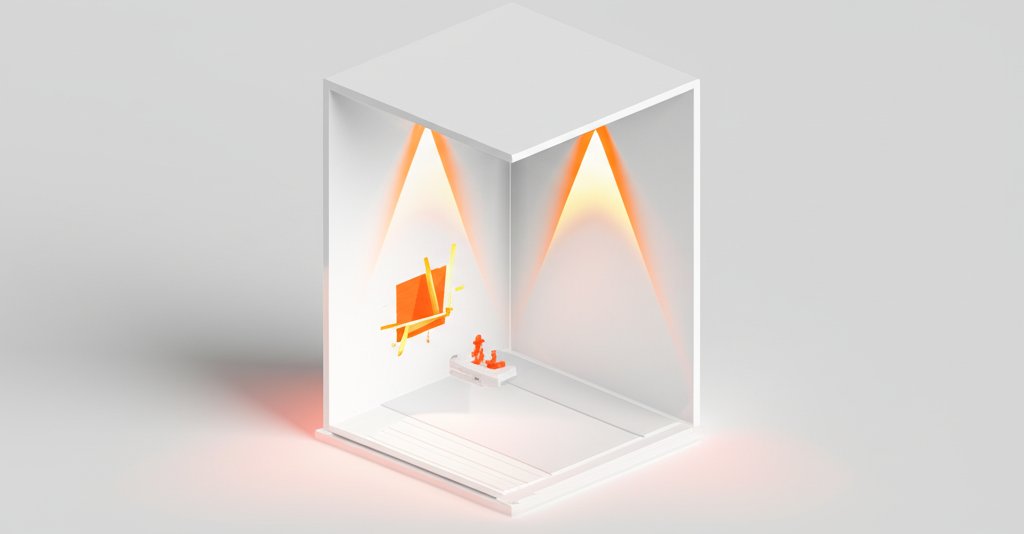
Consider the direction of the light. An uplight sconce bounces light off the ceiling, creating soft, diffuse ambient light that can make a room feel bigger. A downlight provides more direct, focused light, ideal for task areas or highlighting a feature below. The most dynamic options do both. Many Modern LED Wall Sconces are designed as up-down lights, washing the wall above and below the fixture in a beautiful hourglass pattern of light that adds depth and architectural interest.
Finishes are another way to express your style. Matte black offers a bold, graphic statement. Warm brass or bronze adds a touch of classic elegance. Polished chrome feels clean and contemporary. Don’t be afraid to choose a finish that contrasts with your wall color to make the fixture pop.
Answering Your Top Questions About LED Wall Sconces
Can I replace the LED in an integrated sconce?
Generally, no. The LEDs are designed to be a permanent part of the fixture. While this sounds like a drawback, their 50,000-hour lifespan means they are designed to last for decades, likely outliving your paint color, furniture, and other decor.
Are LED sconces hot to the touch?
They run significantly cooler than halogen or incandescent lights. The fixture’s base or heat sink might feel warm, but it won’t be dangerously hot, making them a safer choice, especially in homes with children.
How far apart should I space my sconces?
For a hallway, a good rule of thumb is to space them 8 to 10 feet apart. When flanking a piece of furniture or art, placement depends on the object’s scale. The goal is to create a balanced, symmetrical look. For a bathroom vanity, aim for the center of each sconce to be about 36 inches apart, centered on the mirror.
Do all LED sconces work with a dimmer switch?
No, and this is a critical point. You must check the product specifications to see if a fixture is “dimmable.” Furthermore, you often need to use a compatible LED-specific dimmer switch (like an ELV-type dimmer) for smooth, flicker-free performance.
Your Next Step: Planning Your Lighting Upgrade
Adding an LED wall sconce is one of the most impactful upgrades you can make to your home. It’s a project that blends practicality with personal expression. By transforming how you light your space, you transform how you live in it.
Ready to start? Follow this simple checklist to plan your project with confidence:
- Identify the Room and Purpose: Is this for ambient light in a hallway, task light for reading, or accent light for a piece of art?
- Measure Your Space: Note the ceiling height and wall space. If hardwiring, locate the nearest junction box or plan where a new one could be installed.
- Define Your Style: Gather inspiration. Are you drawn to minimalist, industrial, or traditional designs? Choose a finish that complements your existing hardware and decor.
- Determine Your Specs: Based on the room’s function, decide on the target lumens (brightness) and Kelvin temperature (color mood). Don’t forget to check for a high CRI (90+).
- Choose Your Installation: Decide if the permanence and clean look of a hardwired fixture or the flexibility of a plug-in model is right for you and your home.
With a little planning, you can move beyond basic lighting and start using light as a powerful tool to make your home more beautiful, functional, and efficient.

- DIY Bathroom Mirror Frame Designs on a Budget - October 12, 2026
- Creative Bathroom Mirror Border Ideas for Every Style and Budget - October 11, 2026
- Bathroom Finishes That Handle Moisture and Look Great - October 10, 2026