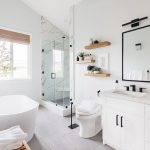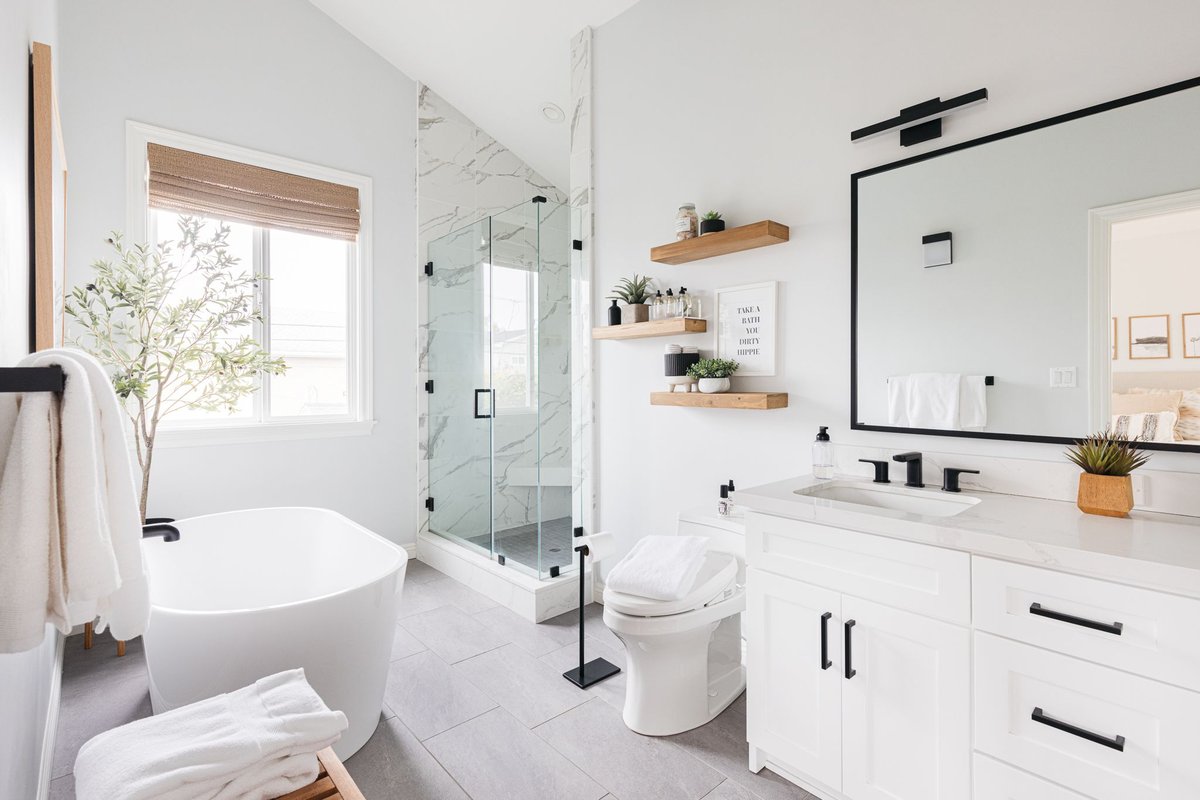
Designing a bathroom often prioritizes function, but that doesn’t mean aesthetics should take a backseat. In fact, injecting thoughtful elements like bathroom artwork black and white can transform a purely utilitarian space into a personal sanctuary with significant style. It’s about leveraging the inherent power of monochrome to create visual interest, depth, and a sophisticated atmosphere that feels both modern and timeless.
At a Glance: Elevating Your Bathroom with Black and White Artwork
- Discover diverse B&W art themes to match any bathroom style, from minimalist to luxurious.
- Understand critical material choices that stand up to bathroom humidity and enhance durability.
- Master strategic placement techniques for optimal visual impact and cohesive design.
- Learn how to curate a balanced gallery wall or select a commanding solo statement piece.
- Identify common pitfalls in bathroom art selection and placement, ensuring a polished outcome.
- Gain actionable insights on budgeting and maintenance to preserve your art’s beauty.
Why Black and White Art Holds Unique Power in Bathroom Design
Black and white isn’t just a color palette; it’s a statement. In the bathroom, this classic duo offers unparalleled versatility, providing a sophisticated backdrop or a dramatic focal point without overwhelming the senses. It simplifies the visual landscape, allowing textures, forms, and the artwork itself to truly shine. Think of it as a design superpower: calming yet impactful, neutral yet full of character. This approach instantly elevates a space, offering a clean, crisp aesthetic that feels perpetually fresh and refined.
Choosing this monochromatic scheme also introduces a sense of order and serenity. In a room often associated with daily routines, black and white art can infuse a spa-like tranquility, turning mundane moments into opportunities for quiet contemplation. It’s a deliberate design choice that speaks volumes without uttering a single word. For broader inspiration on how to integrate this timeless palette throughout your washroom, our guide on Timeless Black and White Decor offers a comprehensive overview.
Selecting Your Signature Style: Themes and Subjects
The beauty of black and white lies in its ability to translate almost any subject into a powerful visual. Your choice of theme for bathroom artwork black and white should resonate with your overall design aesthetic and personal taste.
Abstract Expressions: Modern and Minimalist Appeal
Abstract black and white pieces excel in contemporary and minimalist bathrooms. Swirling lines, geometric shapes, or stark contrasts create dynamic visual interest without depicting a literal subject. These pieces invite interpretation, adding an intellectual layer to your decor. Consider a large-scale print with flowing ink blots for a fluid, organic feel, or a sharp, linear design for architectural precision.
Nature’s Monochrome: Serene and Organic Touches
Bringing nature indoors, even in black and white, adds a calming, organic dimension. Think close-up shots of leaves, serene forest scenes, crashing waves, or delicate floral illustrations. These pieces can soften a sterile bathroom environment, creating a tranquil retreat. A framed print of a solitary tree branch, for instance, offers a quiet moment of reflection.
Architectural & Urban Scenes: Sophistication with an Edge
For a more sophisticated, slightly edgy vibe, architectural photography or urban landscapes in black and white are compelling choices. Iconic cityscapes, intricate building details, or dramatic street scenes add a sense of grandeur and history. These work particularly well in bathrooms with industrial accents or a modern, masculine aesthetic. A series of framed photographs depicting different angles of a famous bridge can be captivating.
Typography & Quotes: Personal Touch with a Message
Word art, whether a minimalist quote, a single powerful word, or an artistic typography print, adds a personal and often witty touch. In a bathroom, a simple, elegant script saying “Relax” or “Breathe” can reinforce the room’s function as a sanctuary. Ensure the font and layout complement your bathroom’s style—sleek sans-serif for modern, elegant serif for traditional.
Figural & Portrait Art: Bold and Artistic Statements
While less common in bathrooms, tasteful black and white figural or portrait art can make a dramatic statement. Abstracted figures, silhouetted forms, or classic portrait photography can inject a high-art feel. The lack of color often makes these pieces feel more timeless and less intrusive, focusing on form and emotion. Always consider the scale and placement to ensure it feels appropriate and not overwhelming.
Material Matters: Durability and Aesthetic Impact
The bathroom environment, with its fluctuating humidity and temperature, demands careful consideration of materials. Your bathroom artwork black and white needs to be resilient while still looking fantastic.
Framed Prints: The Versatile Standard
High-quality prints, protected behind glass and framed, are perhaps the most common and versatile choice.
- Pros: Wide variety of images, easy to change, glass protects against moisture and splashes. Frames add to the decor.
- Cons: Can be heavy, glass can reflect light, cheaper frames might not be moisture-resistant over time.
- Tip: Opt for archival pigment prints on acid-free paper for longevity. Choose frames with moisture-resistant finishes (e.g., metal, treated wood, or polystyrene). Acrylic glazing (plexiglass) is a lighter, shatterproof alternative to glass.
Canvas Prints: Softness and Texture
Canvas prints offer a softer, more integrated look without the glare of glass.
- Pros: Lightweight, no glare, adds texture, can feel more “painterly.”
- Cons: Canvas itself is susceptible to moisture absorption and warping if not treated. Fading can be an issue with cheaper prints.
- Tip: Look for canvas prints treated with a protective, water-resistant coating. Giclée prints often use high-quality inks that resist fading. Avoid placing directly above showers or tubs where steam is constant and direct.
Metal Prints: Modern and Resilient
Artwork printed directly onto aluminum or other metal surfaces offers a sleek, contemporary, and highly durable option.
- Pros: Extremely moisture-resistant, vibrant colors (even in B&W, the depth is impressive), modern aesthetic, often comes ready to hang.
- Cons: Can be more expensive, reflective surface, specific aesthetic might not fit all styles.
- Tip: Ideal for minimalist or industrial-themed bathrooms. The metallic sheen can add an unexpected gleam to your black and white imagery.
Acrylic Prints: Depth and Gloss
Similar to metal, acrylic prints involve printing on paper and then mounting it behind a sheet of acrylic glass.
- Pros: Creates a stunning depth effect, vibrant and glossy, excellent moisture resistance, very contemporary.
- Cons: Can be heavy, prone to scratching (though less so than regular glass), can reflect light significantly.
- Tip: Excellent for creating a high-impact focal point. The depth makes even simple black and white photography feel premium.
The Art of Framing: Elevating Your Artwork
The frame isn’t just a border; it’s an integral part of the artwork’s presentation, especially for bathroom artwork black and white. It can completely change the mood and integrate the piece into your bathroom’s design.
- Sleek & Minimalist: A thin black or white metal frame, or a simple gallery-style wood frame, complements modern and contemporary art. This keeps the focus squarely on the artwork itself.
- Warm & Organic: Natural wood frames (light oak, dark walnut) add warmth and texture, perfect for nature-themed black and white prints or to soften a stark modern space. Ensure wood is properly sealed for humidity.
- Bold & Dramatic: A chunky black frame with a deep matte can add gravitas, making a statement piece feel even more impactful. This works well with high-contrast photography or abstract art.
- Floating Frames: For canvas prints, a floating frame creates a sophisticated border, making the canvas appear to “float” within the frame. This adds depth and a professional finish.
- Matting: A crisp white or off-white mat can create breathing room around your art, drawing the eye inwards and making the piece feel more substantial. It’s particularly effective for smaller prints or when you want to achieve a gallery aesthetic.
Placement Strategies: Where and How to Hang
Effective placement transforms artwork from a mere decoration into a curated design element. Consider visibility, proportion, and the flow of your bathroom.
The Solo Statement Piece
For high impact, a single large piece of bathroom artwork black and white can anchor a wall, particularly above a freestanding tub, a long vanity, or a clear wall space.
- Rule of Thumb: Aim for the center of the artwork to be at eye level (approx. 57-60 inches from the floor) when standing. If hanging above furniture, ensure the bottom of the frame is 6-12 inches above the piece it’s complementing.
- Visual Balance: A piece that fills about two-thirds of the wall space it occupies (without being crowded by adjacent fixtures) often feels balanced.
Curating a Gallery Wall
A gallery wall, a collection of multiple framed pieces, offers a dynamic and personal display.
- Planning is Key: Before hanging, lay out your frames on the floor to experiment with arrangements. Start with a central anchor piece and build outwards.
- Cohesive Elements: While the artwork can vary in subject, consistent framing (e.g., all black frames, or all white mats) ties the collection together. Alternatively, vary frame styles but maintain a consistent color palette within the art itself.
- Spacing: Maintain consistent spacing (1.5 to 3 inches) between frames to create a sense of order.
- Themed Galleries: Grouping similar subjects (e.g., all abstract forms, all nature elements) or styles strengthens the gallery’s impact.
Specific Bathroom Zones
- Above the Toilet: Often an overlooked space, a small to medium-sized piece or a vertical grouping of two works perfectly here.
- Opposite the Mirror: This spot can reflect the artwork, visually expanding the space and doubling its impact.
- Near the Vanity: If space permits, a piece beside the mirror can frame the vanity area beautifully. Ensure it’s not too close to the sink to avoid constant splashes.
- Inside the Shower (with caution): For an ultimate spa experience, specific waterproof vinyl decals or treated metal/acrylic prints can be installed inside a walk-in shower, but this requires specialized materials and professional installation to prevent mold and damage.
Lighting Your Artwork: A Subtle Enhancement
Proper lighting can dramatically enhance your bathroom artwork black and white, bringing out its textures and contrasts.
- Accent Lighting: Small, directional LED picture lights mounted above the frame can highlight the artwork beautifully. Choose warm white LEDs (2700-3000K) for a softer glow that still shows detail.
- Ambient Light: Position art where it benefits from natural light, but avoid direct sunlight which can fade prints over time, even those with UV protection.
- Task Lighting: While not directly for art, well-placed vanity lights can provide enough ambient bounce light to gently illuminate nearby pieces.
Common Pitfalls and How to Avoid Them
Even with the best intentions, missteps can happen. Here’s how to steer clear of common mistakes when integrating black and white art into your bathroom.
1. Ignoring Humidity and Moisture
- Pitfall: Using unprotected paper prints or untreated wood frames that warp, mold, or get damaged by steam.
- Solution: Always choose materials designed for or treated against moisture (metal, acrylic, glass-fronted frames with sealed backs, treated canvas). Ensure good ventilation in your bathroom.
2. Incorrect Sizing and Proportion
- Pitfall: Hanging a tiny piece on a huge wall, making it look lost, or a gigantic piece in a small space, overwhelming it.
- Solution: Measure your wall space. A good rule of thumb is that artwork should generally fill 2/3 to 3/4 of the available wall width. For smaller bathrooms, opt for vertical pieces or a small, impactful gallery instead of one massive print.
3. Placing Art Too High or Too Low
- Pitfall: Art hung awkwardly, disrupting the visual flow and making it hard to appreciate.
- Solution: The 57-60 inch eye-level rule is your friend. When hanging above furniture, ensure a comfortable gap of 6-12 inches between the furniture and the bottom of the frame.
4. Overlooking the Bathroom’s Existing Style
- Pitfall: Introducing a highly modern abstract piece into a traditional, ornate bathroom, or vice versa, creating a jarring contrast.
- Solution: Let your bathroom’s existing fixtures, finishes, and overall aesthetic guide your art selection. A traditional bathroom might prefer classic photography or botanical prints, while a sleek modern space can handle bold abstracts.
5. Forgetting Maintenance
- Pitfall: Allowing dust and grime to accumulate on frames or glass, diminishing the art’s appeal.
- Solution: Regularly dust and gently clean your artwork and frames. Use appropriate cleaners for glass, acrylic, or metal to avoid streaks or damage.
Budgeting for Impact: Smart Choices for Every Wallet
You don’t need a massive budget to make a significant impact with bathroom artwork black and white. Smart choices can deliver high style without breaking the bank.
- High-End Investment: Consider original photography or limited-edition prints from established artists. These often come with archival quality and increase in value. Metal or acrylic prints tend to be on the higher end due to material and printing costs.
- Mid-Range Quality: Many online art marketplaces (like Etsy, Saatchi Art, or independent artist sites) offer high-quality giclée prints, framed reproductions, or canvas art at accessible prices. You get professional quality without the collector’s price tag.
- Budget-Friendly Brilliance:
- Print-Your-Own: Purchase digital downloads from artists and have them printed at a local print shop or online service. You control the paper quality and size.
- DIY Frames: Buy inexpensive standard-sized prints and pair them with ready-made frames from home decor stores. Look for sales!
- Repurpose: Frame black and white pages from old books, sheet music, or even graphic patterns cut from wallpaper samples.
- Vintage Finds: Thrift stores and flea markets can yield unique black and white photographs or illustrations that just need a new frame.
Quick Answers: Your Black and White Bathroom Art FAQs
Q: Can I use real photography in a bathroom?
A: Absolutely, yes! Black and white photography is a fantastic choice. Just ensure it’s protected behind glass or printed on a moisture-resistant material like metal or acrylic. Proper ventilation helps prevent humidity damage to any medium.
Q: How many pieces of art should I hang in a small bathroom?
A: In a small bathroom, less is often more. One impactful piece or a small, tightly curated gallery of two to three pieces works best. Overfilling the walls can make the space feel cluttered and even smaller. Focus on vertical elements to draw the eye upwards.
Q: What’s the best subject for a calming, spa-like bathroom?
A: Nature-inspired themes in black and white are ideal for a spa-like feel. Think serene landscapes, close-ups of water droplets, misty forests, delicate botanicals, or tranquil abstract patterns that evoke fluidity and calm.
Q: Should my black and white art match my bathroom hardware?
A: Not necessarily, but it can create a cohesive look. If you have matte black hardware, a black frame can tie in beautifully. However, contrasting frames (e.g., a natural wood frame with black hardware) can also add visual interest and warmth. The key is harmony, not strict matching.
Q: Is it okay to mix different types of black and white art in one bathroom?
A: Yes, mixing styles can create a dynamic and personalized look. For example, an abstract piece paired with a more figurative photograph. The consistent black and white palette acts as the unifying factor, allowing you to play with different textures, subjects, and framing styles. The goal is intentional contrast, not chaos.
Q: How do I clean my bathroom artwork?
A: For framed prints, use a soft, lint-free cloth and a non-ammonia glass cleaner. For acrylic, use a specialized acrylic cleaner or mild soap and water with a soft cloth to avoid scratching. For metal, simply wipe with a damp cloth. Always avoid harsh chemicals directly on the artwork itself.
Your Actionable Blueprint: Transforming Your Bathroom Today
Ready to infuse your bathroom with the timeless elegance of black and white art? Here’s a quick-start action plan:
- Assess Your Space: Stand back and look at your bathroom. What’s its dominant style? Where are the empty wall spaces? What’s the light like?
- Define Your Vibe: Do you want serene, edgy, classic, or modern? This will guide your art theme (nature, abstract, urban, etc.).
- Prioritize Material: Consider the humidity. If it’s a high-moisture zone, lean towards metal, acrylic, or well-sealed framed prints with glass/plexiglass.
- Measure and Envision: Measure your chosen wall space. Use painter’s tape to mock up potential art sizes or gallery wall layouts. This saves holes!
- Choose Your Art: Whether you’re buying a ready-made piece or printing your own digital art, select a piece (or pieces) that resonate with your chosen theme and material. Don’t forget the frame—it’s part of the art!
- Hang Strategically: Follow the eye-level rule or the 6-12 inch rule above furniture. Step back frequently to check balance.
- Maintain: Dust regularly. Keep an eye on humidity levels and ensure good ventilation.
By thoughtfully selecting and placing bathroom artwork black and white, you’re not just hanging decorations; you’re crafting an experience. You’re elevating a functional room into a stylish escape, a testament to the enduring power of classic design.

- Bathroom Artwork Black and White Transforms Modern Spaces with Style - November 19, 2026
- Black and White Bathroom Wall Decor Ideas for Timeless Style - November 18, 2026
- Can You Add Jets to a Garden Tub? - November 17, 2026