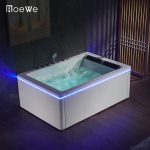
Want to elevate your sprawling garden tub from a simple soaking vessel to a bubbling oasis of relaxation? You’re not alone in picturing a luxurious hydrotherapy experience right in your own bathroom. The good news is, transforming your garden tub with jets is entirely feasible, offering a spa-like escape without the need for a full bathroom remodel, but it certainly requires careful planning.
Most garden tubs are designed for generous soaking, celebrated for their spacious interiors and comfortable depths. They’re built for leisure, but typically lack the built-in therapeutic jets found in dedicated jetted tubs. Adding a jet system can unlock a new level of comfort and utility, turning a standard large tub into a powerful relaxation tool.
At a Glance: Key Considerations for Adding Jets to Your Garden Tub
- Feasibility: Adding jets is generally possible, but compatibility with your existing tub is paramount.
- Jet Types: Choose between gentle air jets or more vigorous water jets based on your desired massage.
- Installation Complexity: Expect plumbing and electrical work, often requiring professional help for safety and compliance.
- Costs & Maintenance: Budget for the kit, installation, and ongoing cleaning to prevent mold and mildew.
- Benefits: Gain significant relaxation, hydrotherapy benefits, and potentially increased home value.
Beyond the Soak: Why Upgrade Your Garden Tub with Jets?
The allure of a garden tub often lies in its sheer size and the promise of an extended, comfortable soak. However, without jets, that experience, while pleasant, might miss the therapeutic punch. Upgrading a garden tub with jets isn’t just about adding bubbles; it’s about unlocking a suite of benefits that a passive soak simply can’t provide.
For many, the primary draw is the deep relaxation and pain relief that hydro-massage offers. After a long day, the targeted pressure from water or the gentle caress of air bubbles can melt away stress, ease tension in sore muscles, and quiet a busy mind. This isn’t just anecdotal comfort; it ties directly into tangible hydrotherapy benefits. The warm water combined with circulating jets improves blood circulation, which can reduce inflammation, relieve chronic pain, and even promote better sleep. Imagine stepping into your own personal spa, a retreat designed to rejuvenate both body and mind. Beyond personal well-being, a jetted garden tub can also represent a significant property value enhancement, making your home more appealing to future buyers looking for luxury amenities.
Understanding Your Jet Options: Air vs. Water
When you decide to add jets to a garden tub, you’ll primarily choose between two distinct systems: air jets and water jets. Each offers a different hydro-massage experience, catering to various preferences and therapeutic needs. Understanding their mechanics and feel is crucial for making an informed decision.
Air Jets: The Gentle Embrace
Air jet systems use a blower to propel heated or ambient air through numerous small holes placed along the bottom or sides of the tub. This creates a cascade of thousands of soft, effervescent bubbles that envelop your body. The sensation is typically described as a gentle, full-body massage – a light, tingling sensation that’s wonderfully relaxing and soothing. There’s less direct pressure, making it ideal for those seeking overall relaxation, improved circulation, and a more subtle sensory experience. Because they don’t recirculate bathwater, air jet systems tend to be slightly easier to maintain in terms of internal cleanliness compared to water jet systems.
Water Jets: The Targeted Powerhouse
Water jet systems, on the other hand, employ a pump to draw water directly from the tub, mix it with air, and then forcefully push it back into the tub through strategically placed larger nozzles. This creates a more vigorous, deep-tissue massage. You’ll often find these jets are adjustable, allowing you to direct the stream and modify the pressure to focus on specific muscle groups, such as the lower back, shoulders, or legs. This makes water jets particularly effective for therapeutic purposes, such as alleviating muscle knots, aiding post-workout recovery, or providing relief for conditions like arthritis. The intensity and focused nature of water jets are their defining characteristic, offering a truly invigorating hydro-massage.
The choice between air and water jets largely comes down to your personal preference for massage intensity and your primary motivation for adding jets. Do you seek a gentle, all-encompassing relaxation, or are you aiming for targeted, therapeutic relief?
The Critical First Steps: Assessing Your Tub’s Readiness
Before diving into purchasing a jet kit, you need to conduct a thorough assessment of your existing garden tub and bathroom setup. This crucial pre-planning phase will determine the feasibility, complexity, and ultimate success of your project. Rushing this stage can lead to costly mistakes and unforeseen challenges.
Tub Material Matters
Not all tub materials are equally suited for jet installation. The most common garden tub materials each present different considerations:
- Acrylic and Fiberglass: These are generally the easiest to work with. They are relatively soft, making drilling holes for jets and plumbing connections straightforward. They also tend to be lighter, which can be an advantage during installation.
- Enameled Steel or Cast Iron: While incredibly durable and excellent at retaining heat, these materials are significantly harder to drill through. Installing jets in these tubs typically requires specialized tools and expertise, increasing both the complexity and the potential cost of the project. It’s also important to ensure that drilling won’t compromise the enamel finish, leading to chipping or rust.
Beyond the material, consider the tub’s general condition. Any existing cracks, significant surface damage, or signs of wear could be exacerbated by the installation process or the continuous vibration and pressure from the jets.
Space and Services: Electrical and Plumbing
A jetted tub needs more than just water; it needs power and a proper drainage system.
- Electrical Connections: Both air blowers for air jets and pumps for water jets require a dedicated electrical circuit. This is not a task for the inexperienced DIYer. You’ll need a grounded electrical outlet, often on a GFCI (Ground-Fault Circuit Interrupter) circuit, specifically rated for wet environments and high-amperage appliances. Local building codes almost always mandate that this work be performed by a licensed electrician to ensure safety and compliance.
- Plumbing Connections: While air jets primarily need electrical for the blower, water jets require more intricate plumbing. They draw water from the tub and then return it, necessitating a closed-loop system with appropriate piping. This might involve integrating additional water lines or modifying existing ones. Adequate access to the underside or surrounding area of the tub is essential for installing the pump, plumbing, and electrical components. If your garden tub is currently built into a deck or alcove with limited access, you might need to consider some deconstruction and reconstruction, adding to the project’s scope.
- Venting: Air blowers, especially, can generate heat and require proper ventilation to function efficiently and prevent overheating. Ensure there’s adequate airflow around the unit.
Assess the availability of these connections and the ease of access for installation. If your current bathroom setup requires extensive electrical or plumbing upgrades, it will significantly impact your budget and project timeline.
Navigating the Installation: DIY or Pro?
Once you’ve determined that your garden tub is a good candidate for jets, the next big decision is how to approach the installation. While the idea of a DIY project can be appealing for cost savings, the complexities involved often make professional installation the safer and more reliable choice. Many homeowners seek to enhance their existing tubs with features typically found in premium models, and understanding how these components integrate is crucial. For a broader look at how different jet systems transform standard bathtubs into relaxing spas, you might find it helpful to explore resources like Transform your tub into a spa., which provides comprehensive insights into various jetted tub solutions.
Choosing Your Jet Kit
Not all jet kits are created equal. You’ll need a specialized kit that includes all the necessary components: the jets themselves, the pump (for water jets) or blower (for air jets), all the connecting plumbing (hoses, fittings, manifolds), and the control panel.
- Compatibility is Key: Ensure the kit you select is specifically designed for retrofit applications and is compatible with your tub’s material and dimensions. Some kits are designed for specific tub wall thicknesses or curvature.
- Feature Set: Consider features like adjustable jet direction, variable pressure controls, inline heaters (to maintain water temperature), and chromatherapy (color-changing lights) if these are important to your spa experience.
- Reputation: Opt for kits from reputable manufacturers known for quality and customer support. Read reviews and look for warranties.
The Plumbing and Electrical Reality
This is where most DIY projects hit their stride – or their snag.
- Water Jet Plumbing: Installing water jets means creating a recirculating water system. This involves cutting into the tub for jet placement, connecting these jets to a manifold, and then connecting the manifold to a powerful pump. The pump itself needs to be strategically placed with access for maintenance, and all connections must be watertight to prevent leaks, which can be disastrous in a bathroom setting.
- Air Jet Plumbing: Air jets are simpler on the plumbing front as they don’t recirculate water. They require holes for the air injectors and tubing to connect them to a central air blower. However, proper sealing is still essential to prevent water from entering the air lines, which can lead to mold and mildew issues.
- Electrical Work: As mentioned, both pumps and blowers are high-power appliances that require dedicated electrical circuits, GFCI protection, and often specific wiring gauges. This work must meet local electrical codes, which are in place to prevent electrocution and fire hazards. Unless you are a licensed electrician yourself, this aspect almost always warrants professional help.
When to Call a Pro (and Why)
For complex plumbing and electrical work, professional installation is strongly recommended, if not outright necessary.
- Expertise and Experience: Professionals have the tools, knowledge, and experience to correctly install jet systems, ensuring proper sealing, secure connections, and optimal performance. They understand the nuances of different tub materials and how to work with them without causing damage.
- Safety and Code Compliance: Licensed plumbers and electricians will ensure all work adheres to local building codes and safety regulations. This protects you from potential hazards and can prevent issues when selling your home in the future. Incorrect wiring or plumbing can lead to leaks, electrical shorts, or even fires.
- Warranty Protection: Many jet kit manufacturers will only honor warranties if the product is installed by a certified professional. Furthermore, professional installers often provide their own warranties on their labor.
- Time and Stress Savings: While DIY can save money on labor, it can be incredibly time-consuming and stressful, especially if you encounter unexpected issues. A professional can complete the job efficiently and correctly the first time.
Consider a scenario: A homeowner attempts to install water jets in their enameled steel garden tub. Without the right drill bits or technique, they crack the enamel around a jet opening. Now, not only do they have a damaged tub, but the project is on hold while they figure out repairs or a replacement, ultimately costing more than professional installation would have. This illustrates why professional assistance for specialized tasks is often a wise investment.
The Payoff and the Price: Benefits vs. Drawbacks
Deciding to add jets to a garden tub is a significant upgrade that brings a host of benefits, transforming your daily routine into a luxurious ritual. However, like any home improvement, it comes with its own set of practical considerations and potential drawbacks that need to be weighed.
Transformative Relaxation and Health Boosts
The most immediate and apparent benefit is the creation of a spa-like environment right in your home. Your garden tub, once a simple vessel for soaking, becomes a personal retreat where you can unwind and de-stress. This enhanced relaxation is more than just a feeling; it translates into tangible health and wellness advantages.
- Muscle Tension Relief: The pulsating action of water jets or the gentle caress of air bubbles helps to relax tight muscles, ease spasms, and reduce stiffness. This is particularly beneficial after strenuous activity or a long day.
- Improved Circulation: Hydrotherapy stimulates blood flow, which can aid in recovery, reduce swelling, and promote overall cardiovascular health.
- Stress Reduction and Mental Well-being: The soothing warmth and massage effects of a jetted tub can significantly lower stress levels, improve mood, and even contribute to better sleep quality. It offers a dedicated space for mindfulness and unwinding.
- Customization: Many modern jet systems offer adjustable features. You can often control water pressure, direct individual jets, and even add features like inline heaters (to prevent water from cooling) or chromatherapy lighting for a truly personalized experience.
Imagine a homeowner, Sarah, who frequently suffers from lower back pain. Before, her garden tub offered momentary relief, but after adding powerful water jets, she found her pain significantly alleviated, and her sleep improved drastically. The customizability allowed her to target her jets precisely where she needed relief most.
The Realities of Cost and Upkeep
While the benefits are compelling, it’s essential to approach this upgrade with a clear understanding of the associated costs and maintenance.
- Initial Costs: This is often the most significant hurdle. You’ll need to budget for:
- The Jet Kit Itself: Ranging from a few hundred dollars for basic air jet systems to over a thousand for advanced water jet kits with multiple features.
- Professional Installation Fees: Licensed plumbers and electricians charge hourly rates or project fees, which can quickly add up, especially if extensive modifications to existing plumbing or electrical systems are needed. These fees can range from several hundred to well over a thousand dollars, depending on complexity and location.
- Any Necessary Tub Modifications: If your tub material is difficult to work with, or if access is severely restricted, additional labor or specialized tools may be required.
- Ongoing Utility Bills: A jetted garden tub will increase your household utility consumption. The pump or blower requires electricity to operate, and you might use more hot water if you extend your bath times to enjoy the jets fully.
- Increased Maintenance: This is a critical consideration. Jet systems, especially water jets that recirculate bathwater, are prone to accumulating soap scum, body oils, and eventually mildew and mold within their internal plumbing.
- Regular Cleaning: Manufacturers recommend routine cleaning and flushing cycles using specialized jetted tub cleaners. This typically involves filling the tub, adding the cleaner, running the jets, draining, and then rinsing thoroughly. Failure to do so can lead to unpleasant odors, visible grime, and potential health issues.
- Water Quality: Hard water can also lead to mineral buildup within the jet system, potentially affecting performance over time.
For John, a DIY enthusiast, the initial cost of the jet kit felt manageable. However, he underestimated the electrician’s bill for upgrading his bathroom circuit and the ongoing effort required to meticulously clean the jet system every few weeks. He quickly learned that the “set it and forget it” mentality doesn’t apply to jetted tubs.
Adding jets to a garden tub is a worthwhile upgrade for many, offering significant enhancements to relaxation and health. However, it’s vital to go into the project with eyes wide open about both the investment required and the commitment to ongoing care.
Making the Smart Choice: A Decision Framework
Before committing to transforming your garden tub with jets, take a moment to consider these structured questions and scenarios. This framework will help clarify your priorities, assess practicalities, and avoid common pitfalls.
A Quick Checklist Before You Begin
- Desired Experience: Do you want a gentle, effervescent soak (air jets) or a powerful, targeted massage (water jets)?
- Tub Material: Is your tub acrylic/fiberglass (easier) or enameled steel/cast iron (more challenging)?
- Access: Is there easy access to the underside of the tub for plumbing and electrical work, or will demolition/reconstruction be required?
- Electrical Capacity: Does your bathroom have a dedicated GFCI-protected circuit with sufficient amperage for a pump/blower, or will an electrician need to upgrade it?
- Plumbing Needs: For water jets, are you prepared for potential modifications to existing water lines?
- Budget Allocation: Have you factored in the cost of the jet kit, professional installation (plumber, electrician), and any necessary repairs or modifications?
- Maintenance Commitment: Are you willing to perform regular cleaning and flushing of the jet system to prevent mold and mildew?
Case Snippets / Scenarios
- Scenario 1: The Relaxation Seeker (Acrylic Tub)
- Situation: Sarah has a spacious acrylic garden tub, good under-tub access, and primarily wants gentle, full-body relaxation.
- Decision: Opts for an air jet kit. Minimal plumbing, primarily electrical for the blower. Hires an electrician.
- Outcome: Relatively straightforward installation, provides the desired light massage. Lower initial cost and simpler long-term maintenance.
- Scenario 2: The Therapeutic Need (Cast Iron Tub)
- Situation: Mark has a beautiful, antique cast iron garden tub and suffers from chronic back pain, needing powerful, targeted relief.
- Decision: Chooses a high-end water jet system with adjustable nozzles. Accepts that drilling the cast iron will be difficult and costly.
- Outcome: Significant investment in specialized tools and professional labor (plumber and electrician). The therapeutic benefits are high, but initial costs and maintenance are greater.
- Scenario 3: The Budget-Conscious DIYer (Limited Access)
- Situation: Emily wants jets in her fiberglass tub, which is built into a tiled deck with no easy access underneath. She wants to save money by doing it herself.
- Decision: Emily initially plans DIY. Upon realizing the necessity of cutting into the tiled deck for access, then dealing with complex plumbing and electrical in a confined space, she re-evaluates.
- Outcome: Emily decides against DIY for critical parts. She hires a general contractor to create an access panel, then a plumber and electrician for the jet installation. Total cost exceeds her initial budget but ensures safety and functionality.
Your Quick Questions Answered: FAQs on Jetted Garden Tubs
How much does it typically cost to add jets to a garden tub?
The total cost can vary significantly, ranging from $800 to $3,500 or more. This includes the jet kit itself (ranging from $300 for basic air jets to over $1,000 for advanced water jet systems) and professional installation fees (plumber and electrician, which can add $500 to $2,000+ depending on the complexity of your existing setup and local labor rates). Specialized tub materials or restricted access can push costs higher.
What kind of maintenance does a jetted garden tub require?
Jetted tubs require regular cleaning and flushing, typically monthly or bi-monthly, depending on usage. For water jets, this involves filling the tub with hot water, adding a specialized jetted tub cleaner (or a mixture of bleach/vinegar), running the jets for 15-20 minutes, draining, and then rinsing. Air jets are somewhat simpler but still benefit from periodic cleaning and running the blower after each use to dry the air lines and prevent mildew.
Can I add both air and water jets?
Yes, it is possible to install both air and water jets in the same tub, creating a “combination tub.” This offers the best of both worlds: the gentle, full-body massage of air bubbles and the targeted, therapeutic power of water jets. However, this configuration increases the complexity of installation, requiring separate blowers and pumps, more plumbing, and additional electrical circuits, thus raising both initial costs and maintenance requirements.
Are there any tubs that absolutely cannot have jets added?
While challenging, most common tub materials (acrylic, fiberglass, enameled steel, cast iron) can technically have jets added. However, some extremely thin-walled or uniquely shaped tubs might not be structurally sound enough, or the modification could void the tub’s warranty. Tubs made of very porous materials could also be problematic. If in doubt, consult with a professional tub manufacturer or installer.
How long does the installation process usually take?
If the tub is easily accessible and no major plumbing or electrical upgrades are needed, the installation itself can often be completed within 1 to 2 days by experienced professionals. However, this estimate doesn’t include the time for planning, ordering materials, or any pre-installation work like creating access panels or upgrading electrical circuits, which can extend the overall project timeline considerably.
Ready to Relax? Your Next Steps for a Jetted Garden Tub.
Transforming your garden tub with jets is a rewarding project that promises enhanced relaxation and genuine hydrotherapy benefits. You now have a comprehensive understanding of the process, from choosing jet types to navigating installation and managing maintenance.
Your next steps should focus on realistic assessment:
- Evaluate Your Tub & Bathroom: Physically inspect your garden tub’s material and condition. Check the space around and beneath it for access. Locate your electrical panel to assess current capacity near the bathroom.
- Define Your Ideal Experience: Reconfirm if you desire the gentle effervescence of air jets or the powerful massage of water jets. This will guide your kit selection.
- Consult Professionals: Schedule consultations with a licensed electrician and a plumber experienced in jetted tub installations. Get detailed quotes that include parts, labor, and any necessary code upgrades. They can provide a definitive answer on feasibility and cost for your specific setup.
- Budget Accordingly: Factor in all potential costs – kit, labor, unexpected repairs, and ongoing utility/maintenance.
With careful planning and a clear understanding of what’s involved, your spacious garden tub can soon become the jetted spa retreat you’ve been dreaming of.

- Can You Add Jets to a Garden Tub? - November 17, 2026
- Bath Tub Jets Transform Standard Tubs into Relaxing Spas - November 16, 2026
- Towel Hanger Stand: Essential Solutions for Bathroom Organization and Design - November 15, 2026