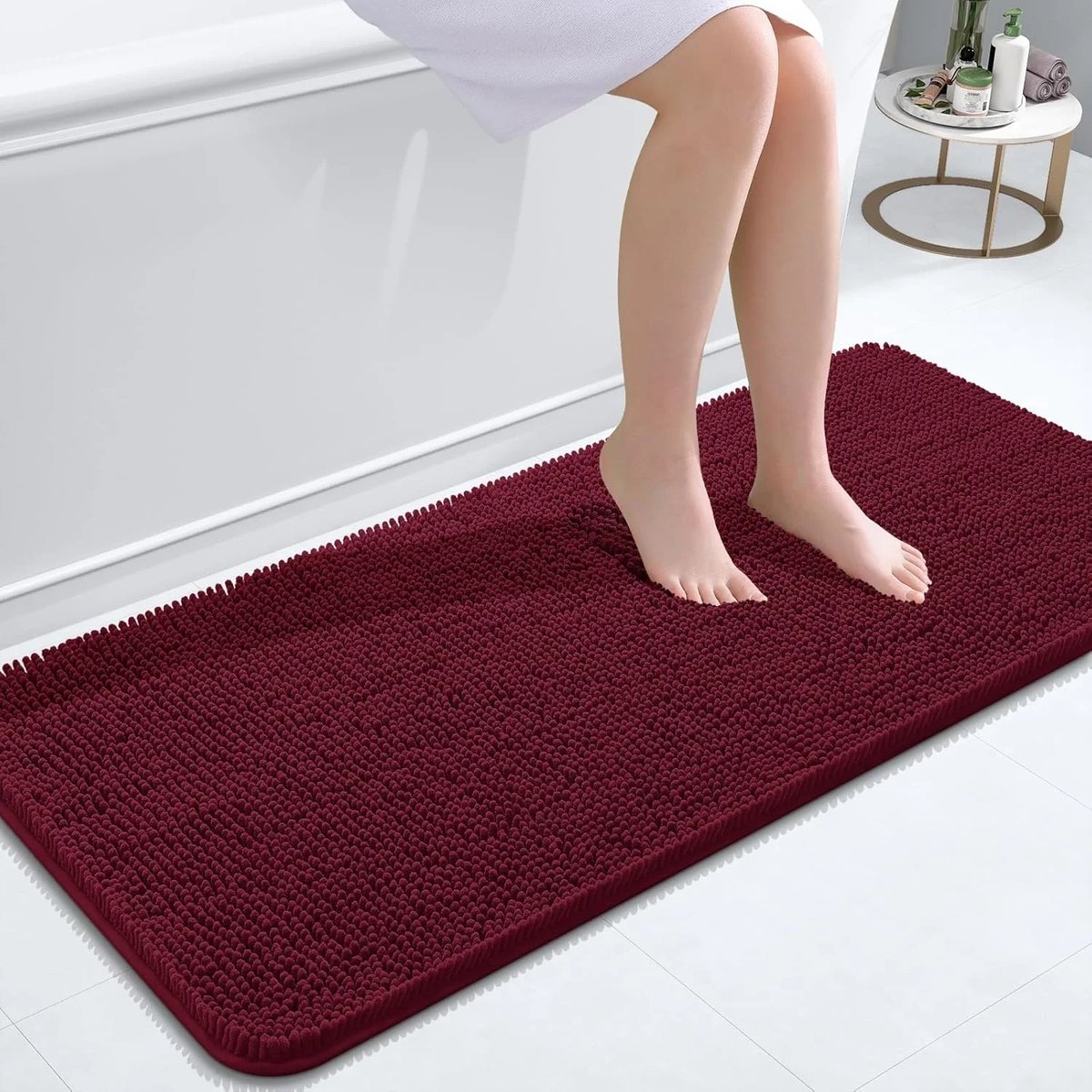
Stepping out of a warm shower and onto a cold, wet bathroom floor isn’t just uncomfortable—it’s downright dangerous. Every year, countless slips and falls occur in bathrooms, making the seemingly innocent act of showering a high-risk activity. This is precisely why bath rugs with rubber backing have become an indispensable safety feature in modern homes, offering a simple yet incredibly effective solution to transform a slippery hazard into a secure, comfortable landing. They’re not just about aesthetics; they’re about providing the stable footing you need in one of the most accident-prone rooms in your house.
At a Glance: Your Guide to Rubber-Backed Bath Rugs
- Safety First: Rubber backing prevents rugs from sliding on wet or dry floors, significantly reducing the risk of falls.
- Material Matters: The type of rubber (natural latex, synthetic, TPR) affects durability, grip, and floor compatibility.
- Absorbency is Key: The rug’s top material (microfiber, cotton, chenille) determines how well it soaks up water and dries.
- Maintenance & Longevity: Proper washing and drying are crucial to preserve the rubber backing and extend the rug’s life.
- Floor Protection: A good rubber backing can also help protect your flooring from water damage, especially on hardwood or laminate.
- Style Meets Substance: You don’t have to sacrifice aesthetics for safety; endless designs and colors are available.
Why That Backing Matters: The Unsung Hero of Bathroom Safety
You might think a bath rug is just a bath rug, but the material on its underside makes all the difference. Traditional rugs often use plastic, felt, or even nothing at all, which can lead to frustrating bunching, shifting, and ultimately, dangerous slips. Bath rugs with rubber backing, on the other hand, are engineered to grip the floor, holding steadfast even when the floor is damp or when you step on them with wet feet. This isn’t just a minor convenience; it’s a critical safety feature that protects everyone from toddlers to seniors.
Beyond preventing falls, a quality rubber backing also offers other benefits. It acts as a barrier, preventing water from seeping through to your flooring, which is especially important for materials like wood or laminate that can warp or be damaged by moisture. It also adds a layer of cushioning, making your bathroom feel more luxurious and comfortable underfoot.
Decoding the Backing: Types of Rubber and What They Mean for You
Not all “rubber backing” is created equal. Understanding the different types can help you make an informed decision that suits your floor type, usage, and longevity expectations.
Natural Rubber (Latex) Backing
Natural rubber, derived from rubber trees, offers excellent grip and flexibility. It’s often considered a premium option for its superior non-slip properties and durability.
- Pros: Exceptional grip, very durable, flexible, and often more resistant to cracking over time compared to some synthetics. It’s also a natural, renewable resource.
- Cons: Can be more expensive. Some people have latex allergies, though the latex in rug backing is often processed to minimize allergens. It can potentially react with certain vinyl or sealed floors over long periods, leading to discoloration or residue if the floor isn’t properly maintained or is particularly porous.
- Ideal For: High-traffic bathrooms, households prioritizing natural materials, and those seeking the strongest grip. Best on tiled floors or well-sealed vinyl/linoleum.
Synthetic Rubber (SBR Latex) Backing
Styrene-butadiene rubber (SBR) is a synthetic alternative to natural latex. It’s widely used because it mimics many of natural rubber’s properties but is more cost-effective.
- Pros: Good non-slip performance, durable, generally more resistant to aging and chemicals than natural latex, and less likely to cause allergic reactions. More affordable.
- Cons: Grip might not be as “sticky” as natural latex in all conditions. Can also potentially react with certain flooring types, similar to natural latex, especially if left wet for extended periods.
- Ideal For: Budget-conscious buyers, general household use, and those with latex sensitivities. Suitable for most bathroom floor types.
Thermoplastic Rubber (TPR) Backing
TPR is a blend of plastic and rubber polymers. It’s a newer technology that’s gaining popularity due to its versatility and environmental benefits.
- Pros: Excellent grip, very flexible, highly durable, and resistant to cracking. Often machine washable and dryer safe without degradation. Importantly, TPR is often considered safer for a wider range of flooring types, including delicate vinyl and hardwood, as it’s less likely to cause discoloration or stickiness. It’s also recyclable.
- Cons: Can be slightly stiffer than natural latex when very cold. May be a bit more expensive than SBR options.
- Ideal For: Households with sensitive flooring (e.g., luxury vinyl planks, certain hardwood finishes), those prioritizing easy machine washability, and eco-conscious consumers. For a deeper dive into the world of rubber-based floor protection, you might want to read All About Rubber Bath Mats.
The Face of the Rug: Common Top Materials and Their Superpowers
While the backing does the heavy lifting for safety, the top material of your bath rug is what you see, feel, and rely on for absorbency and comfort.
Microfiber
Microfiber rugs are made from ultra-fine synthetic fibers, typically polyester. They are renowned for their incredible absorbency and soft feel.
- Superpowers: Absorbs water quickly and efficiently, dries relatively fast, incredibly soft and plush underfoot, comes in many colors and textures, durable.
- Considerations: Can sometimes feel less substantial than cotton. Requires proper washing to maintain fluffiness.
- Great For: High-humidity bathrooms, quick drying, and luxurious comfort.
Cotton
A classic choice, cotton bath rugs offer natural absorbency and a familiar, comforting feel.
- Superpowers: Highly absorbent, soft, breathable, natural fiber, machine washable. Often reversible (though not with rubber backing!).
- Considerations: Can take longer to dry than microfiber, which can lead to mildew if not properly aired out. May shed lint initially.
- Great For: Traditionalists, those who prefer natural materials, and bathrooms with good ventilation.
Chenille
Chenille bath rugs are often made from cotton or microfiber and feature a distinctive plush, velvety texture. The yarn is cut and arranged to give it a caterpillar-like feel.
- Superpowers: Exceptionally soft and inviting, good absorbency (depending on material), adds a touch of elegance.
- Considerations: Can be prone to crushing or matting if not fluffed regularly. May take longer to dry than traditional microfiber.
- Great For: Adding luxury and softness, creating a spa-like atmosphere.
Memory Foam
Memory foam bath rugs feature a thick layer of viscoelastic foam underneath the fabric surface, offering unparalleled cushioning.
- Superpowers: Superior comfort and pressure relief, excellent absorbency (typically with a microfiber top), keeps feet warm.
- Considerations: Can be slower to dry due to the foam layer, potentially heavier and bulkier for washing. May not be ideal in extremely high-humidity environments.
- Great For: Those seeking ultimate comfort and support, especially in front of vanities or tubs.
Choosing Your Perfect Match: Key Considerations
Selecting the right bath rug isn’t just about picking a color. It’s about blending safety, comfort, and practicality.
Size and Placement
Measure your bathroom space carefully. Consider where the rug will sit in relation to your shower, tub, toilet, and vanity.
- Door Clearance: Ensure the rug’s thickness won’t obstruct the bathroom door from opening and closing smoothly.
- Coverage: For shower/tub exits, a runner or larger rug might be better for wider coverage. Smaller mats work well in front of vanities.
- Layout: Think about whether you need one large rug or a set of smaller, coordinating rugs.
Absorbency and Drying Time
This is critical for hygiene and safety. A highly absorbent rug will soak up drips quickly, but it also needs to dry efficiently to prevent mildew.
- Microfiber vs. Cotton: Microfiber generally absorbs more and dries faster than cotton.
- Ventilation: If your bathroom has poor ventilation, prioritize rugs that are known for quick drying.
- Multiple Rugs: Consider having a spare rug to rotate, allowing one to fully dry while the other is in use.
Durability and Longevity
You want a rug that can withstand daily use, frequent washing, and the damp environment of a bathroom without falling apart.
- Stitching: Check for tight, reinforced stitching on the edges and corners.
- Backing Quality: A thick, consistent rubber backing (especially TPR or good quality natural latex) will last longer and resist cracking.
- Fiber Density: Denser top fibers tend to hold up better against foot traffic and maintain their appearance.
Aesthetic Appeal and Style
While safety is paramount, your bath rug is also a design element.
- Color Palette: Match or complement your existing bathroom decor. Neutrals are versatile, while bold colors can add a pop.
- Texture: Plush, shaggy, or low-pile – consider what feels best and fits your style.
- Patterns: From solids to stripes, geometric designs to florals, there’s a pattern for every taste.
Floor Compatibility
This is a crucial, often overlooked, aspect, especially for certain flooring types.
- Vinyl/Laminate: If you have newer vinyl or laminate floors, especially LVP (Luxury Vinyl Plank), opt for TPR-backed rugs. Some natural or synthetic latex backings, over time and with moisture exposure, can react with the chemicals in these floors, leading to yellowing, discoloration, or a sticky residue.
- Hardwood: Similar to vinyl, TPR is generally the safest bet for hardwood floors. If using latex-backed rugs, ensure the floor is well-sealed, and lift the rug regularly to allow the floor to breathe and dry.
- Tile: Most rubber-backed rugs are perfectly safe for ceramic, porcelain, or stone tile. The primary concern here is the grip itself.
- Recommendation: When in doubt, always check the rug manufacturer’s recommendations and, if your floor is particularly sensitive, consider placing a non-slip rug pad specifically designed for your flooring type underneath the rubber-backed rug for an extra layer of protection, especially during extended periods.
The Nitty-Gritty: Maintenance and Extending Your Rug’s Life
Proper care is the secret to a long-lasting, hygienic, and effective bath rug with rubber backing. Neglecting it can lead to mildew, a deteriorating backing, and an unsightly rug.
Regular Cleaning Routine
Aim to wash your bath rugs weekly or bi-weekly, especially if your bathroom sees heavy use or high humidity.
- Shake It Out: Before washing, take your rug outside and give it a good shake to dislodge loose dirt, hair, and debris.
- Check the Label: Always follow the manufacturer’s specific washing instructions. This is crucial for preserving the rubber backing.
Washing Your Rubber-Backed Rugs
Most bath rugs with rubber backing are machine washable, but there are best practices:
- Cold Water Cycle: Use cold water on a gentle cycle. Hot water can degrade the rubber backing over time, causing it to crack, stiffen, or become sticky.
- Mild Detergent: Opt for a mild, bleach-free detergent. Harsh chemicals can also break down the rubber.
- Wash Separately: Wash bath rugs by themselves or with similar, non-lint-producing items to prevent lint transfer.
- Avoid Fabric Softener: Fabric softeners can leave a residue that reduces the rug’s absorbency and can also impact the rubber’s integrity.
Drying Do’s and Don’ts
Drying is often where rubber backings meet their demise. High heat is the enemy.
- Air Dry is Best: The safest method is to hang your rug to air dry. Drape it over a shower rod, clothesline, or drying rack. Ensure good air circulation around both sides of the rug.
- Low Heat Tumble Dry (with caution): If you must use a dryer, select the lowest heat setting or an “air fluff” cycle. Remove the rug while it’s still slightly damp and finish air drying.
- NEVER High Heat: High heat will cause the rubber backing to melt, crack, peel, or become brittle, effectively destroying its non-slip properties and potentially damaging your dryer.
- Avoid Direct Sunlight: Prolonged direct sunlight can also degrade rubber over time.
Troubleshooting Common Issues
Even with the best care, you might encounter some problems.
- Curling Edges: Often a sign of an older rug or one that’s been subjected to heat damage. Try dampening the edge and weighing it down flat as it dries. If it persists, it might be time for a replacement.
- Backing Degradation (Cracking/Sticky): This is usually due to age, frequent hot washes, or harsh detergents. Once the backing starts to degrade, its non-slip function is compromised, and it’s best to replace the rug to maintain safety.
- Yellowing/Discoloration on Floor: As mentioned, some rubber backings can react with certain floor types, especially vinyl, over extended periods. This is less common with TPR. To mitigate, lift and air out rugs regularly (at least once a week) to allow the floor and rug to dry completely and prevent prolonged contact.
- Mildew Smell: Caused by the rug not drying completely between uses. Ensure proper drying after every shower, and wash more frequently. Consider improving bathroom ventilation.
Beyond the Basics: Advanced Tips for a Safer, More Stylish Bathroom
You’re now well-versed in the fundamentals. Let’s elevate your bath rug game even further.
The Two-Rug System
For high-traffic bathrooms or those with multiple users, consider a “two-rug system.” Keep one rug in use while the other is drying or awaiting its next wash. This ensures you always have a fresh, dry rug and helps extend the life of each individual rug by allowing them more time to recover and dry fully.
Layering for Style and Comfort
While you typically wouldn’t layer two rubber-backed rugs, you can strategically place a smaller, decorative rug (without backing) on top of a larger, plain rubber-backed bath rug in a less trafficked area, like in front of a vanity. This adds visual interest and extra plushness without compromising the critical non-slip function of the base rug. Always ensure the top rug is securely placed and doesn’t create a new tripping hazard.
Considering “Green” Options
As environmental awareness grows, so does the availability of sustainable bath rugs. Look for options with:
- Recycled Materials: Rugs made from recycled polyester (for microfiber) or with recycled content in their TPR backing.
- Natural/Organic Cotton: For the top layer, organic cotton reduces pesticide use.
- OEKO-TEX Certification: This certification ensures textiles are tested for harmful substances, indicating a safer product for your home and the environment.
Regular Floor Cleaning Beneath the Rug
Don’t forget to clean the floor underneath your bath rugs regularly. Dust, hair, and grime can accumulate, and if left unchecked, can sometimes interfere with the rug’s grip or contribute to floor discoloration if moisture gets trapped. A quick sweep or mop will keep your entire bathroom pristine.
Myth Busting: Dispelling Common Misconceptions
Let’s clear up some common misunderstandings about bath rugs with rubber backing.
- Myth 1: All rubber backing is bad for vinyl floors.
- Reality: While some older or lower-quality natural/synthetic latex backings can react with certain vinyl floors over time, especially if moisture is trapped, newer TPR backings are generally considered safe for most modern vinyl and laminate floors. Regular lifting and airing out of any rug is still good practice.
- Myth 2: A rubber-backed rug means it’s completely waterproof.
- Reality: The rubber backing provides a water-resistant barrier, but it’s not truly waterproof. If a large amount of water saturates the top fabric, some moisture can still seep through the edges or penetrate the backing over time. Its primary job is non-slip, with secondary moisture protection.
- Myth 3: You can’t machine wash rubber-backed rugs.
- Reality: Most are machine washable! The key is to use cold water and a gentle cycle, and absolutely no high heat in the dryer. Following care instructions is paramount.
- Myth 4: Thicker rugs are always better for absorbency.
- Reality: While thickness can contribute to absorbency, the material and fiber density are more crucial. A densely woven, high-quality microfiber rug can be thinner but more absorbent than a loosely woven, thick cotton rug. Thicker rugs can also take longer to dry.
Making Your Bathroom a Safer Haven
The simple act of choosing bath rugs with rubber backing is a proactive step towards a safer, more comfortable bathroom. It’s about protecting yourself and your loved ones from preventable accidents, while also enhancing the aesthetics and functionality of your space. By understanding the different backing types, top materials, and proper care, you’re empowered to make choices that will bring you peace of mind and lasting comfort.
Don’t underestimate the impact of a good rug. It’s an investment in safety, hygiene, and the overall enjoyment of your home. So go ahead, find the perfect rug that grips securely, feels fantastic underfoot, and complements your unique style—your feet (and your peace of mind) will thank you.

- Bath Rugs with Rubber Backing Provide Secure Non-Slip Footing - November 12, 2026
- Bathroom Visualizer Tool Lets You Preview Your Remodel - November 11, 2026
- A Bathroom Visualizer Brings Your Design Ideas to Life - November 10, 2026