
The dream of a luxurious shared soak can quickly turn into a cramped, awkward reality if you choose the wrong fixture. A true two person tub is more than just an oversized basin; it’s an intentionally designed space for mutual comfort and relaxation. Getting it right means moving beyond simple length and width measurements to consider ergonomics, material science, and the hidden demands on your home’s infrastructure.
This isn’t just about buying a bigger tub. It’s about investing in a shared experience, and the details are what make that experience either blissful or frustrating.
At a Glance: Your Path to the Perfect Shared Tub
- Prioritize Symmetry: The single most important feature is a center drain with identical, sloped backrests on both ends for equal comfort.
- Match Material to Your Habits: Acrylic offers value and versatility, while cast iron and solid surface provide superior heat retention for longer soaks at a higher cost and weight.
- Verify Your Home’s Readiness: A two person tub requires a large-capacity water heater, potentially reinforced flooring, and often a dedicated electrical circuit.
- Understand the “Jet” Difference: Whirlpool jets offer a powerful, deep-tissue massage, while air jets provide a gentle, effervescent sensation. Choose based on your relaxation style.
- Measure More Than the Space: Before you fall in love with a model, measure every doorway, hallway, and staircase it must pass through to get to the bathroom.
Beyond Size: The Three Pillars of a True Two Person Tub
Many tubs are marketed as “two person” but are simply wide, single-person models. A genuinely shared tub is built on a foundation of three critical design pillars that ensure both users have an equally comfortable and relaxing experience.
Pillar 1: Symmetrical Comfort and Ergonomics
Imagine one person perfectly reclined while the other sits uncomfortably against a steep, cold wall where the faucet is. This is the reality of trying to share a standard end-drain tub. The non-negotiable starting point for a two person tub is symmetrical design.
- Center Drain: This is the tell-tale sign of a true two person tub. It places the drain and overflow in the middle, leaving both ends free for comfortable reclining. It ensures no one has to lie on the lumpy, uncomfortable drain hardware.
- Dual Sloped Backrests: Both ends of the tub should feature an identical gentle slope and lumbar support. Look for a recline angle between 20 to 30 degrees from vertical for optimal comfort without feeling like you’re slipping under the water.
- Sufficient Bathing Well: Don’t just look at the exterior dimensions. The “bathing well”—the interior space at the bottom of the tub—is what counts. A 72-inch exterior tub might only have a 50-inch basin. For two adults, look for an interior length of at least 55-60 inches and a width of 30+ inches at the floor.
Case Snippet: The Millers were renovating their master bath and chose a 72″ x 42″ tub that looked huge in the showroom. But it had an end drain and a steep backrest on one side. The result? They rarely use it together. One person gets the comfortable side, and the other perches awkwardly, defeating the entire purpose of their investment.
Pillar 2: The Right Material for Your Soaking Style
The material of your tub dictates its heat retention, durability, feel, and cost. This choice has a huge impact on your long-term satisfaction.
| Material | Heat Retention | Feel & Durability | Weight & Cost | Best For |
|---|---|---|---|---|
| Acrylic | Good | Warm to the touch, non-porous. High-gloss finish can scratch but is repairable. | Lightweight, most affordable. | All-around value, versatile shapes, and jetted options. |
| Cast Iron | Excellent | Unmatched solidity. Enamel coating is tough but can chip, and is not repairable. | Extremely heavy (300-500+ lbs). Requires floor reinforcement. Expensive. | Long, hot soaks and a classic, timeless aesthetic. |
| Solid Surface | Excellent | Matte, stone-like feel. Non-porous, scratches can be buffed out. Seamless look. | Heavy, but lighter than cast iron. The most expensive option. | Modern, minimalist designs and the ultimate in durability and repairability. |
| If you love soaks that last for an hour or more, the superior heat retention of cast iron or solid surface can be a worthy investment. For those who prefer more frequent, 20-30 minute dips, a high-quality acrylic two person tub provides the best balance of performance, features, and price. |
Pillar 3: Water Capacity and Your Home’s Heater
A standard bathtub holds about 40-60 gallons of water. A two person tub can easily hold 80-150 gallons, and sometimes more. This massive volume places significant strain on your water heater. A typical 50-gallon tank water heater will be completely drained before the tub is full, leaving you with a lukewarm bath.
To enjoy your new tub, you will likely need:
- A high-capacity water heater: A 75-gallon tank heater or, even better, a tankless water heater that provides endless hot water on demand.
- An inline heater (for jetted tubs): This is a small electric heater built into the tub’s plumbing that activates to maintain the water temperature during your soak. It won’t heat cold water, but it’s essential for preventing a jetted bath from turning chilly after 15 minutes.
Factoring in a water heater upgrade is a crucial part of budgeting for a two person tub.
Once you’ve nailed down these three fundamentals—symmetry, material, and water capacity—you can start to layer on features and styles. For a complete overview of different models and deep soaking options, our main guide offers a great starting point. Explore 2 Person Deep Soakers to see the full landscape.
Decoding Tub Types: Which Installation Fits Your Vision?
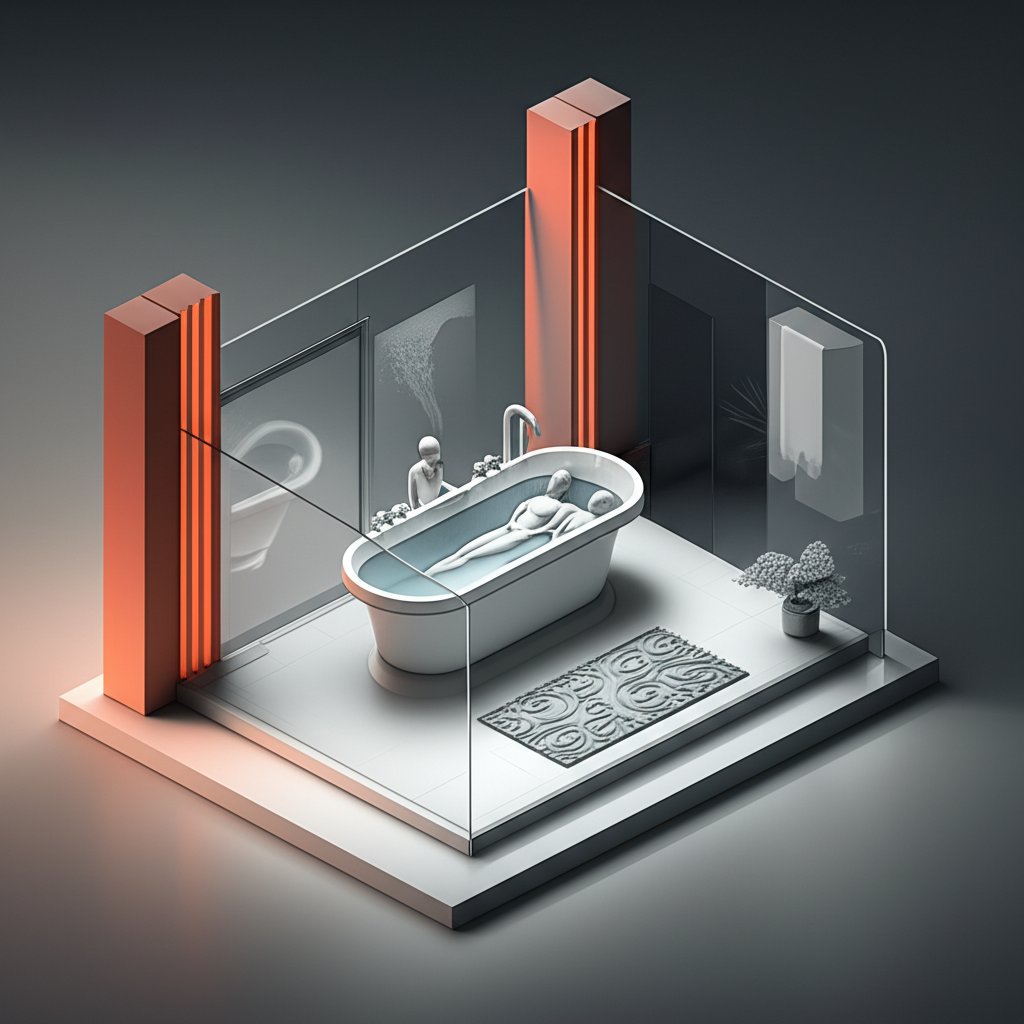
The way a tub is installed dramatically affects the look, feel, and cost of your bathroom project. For a two person tub, there are three primary installation types to consider.
The Seamless Look: Drop-in & Undermount Tubs
A drop-in tub is lowered into a custom-built frame or “deck,” with its rim resting on top of the finished surface (like tile or stone). An undermount tub is similar, but the deck material extends over the rim of the tub for a completely flush, seamless look.
- Pros: Creates a high-end, integrated look. The surrounding deck provides ample space for candles, books, and toiletries.
- Cons: Requires the cost and labor of building a custom surround. The installation is more complex and permanent.
- Best For: Master suite renovations where the tub is a planned architectural feature.
The Bold Statement: Freestanding Tubs
These are the showstoppers. A freestanding two person tub is a sculptural piece that stands on its own, unconnected to any walls.
- Pros: Unmatched visual impact. Can be placed more freely within the room (as long as plumbing can be routed). Available in a vast array of shapes from classic clawfoot to modern ovals.
- Cons: Requires a more expensive floor-mounted tub filler. Offers zero deck space for essentials. Can sometimes feel a bit exposed or cold without a surrounding structure.
- Best For: Larger bathrooms with a strong design focus where the tub is the centerpiece.
The Practical Upgrade: Alcove Tubs
An alcove tub is installed within a three-walled enclosure. While most alcove tubs are standard 60-inch single-person models, some manufacturers offer wider, deeper versions designed for two.
- Pros: Maximizes space in smaller bathrooms. Often the most straightforward and affordable installation type, especially when replacing an existing tub.
- Cons: True two-person alcove models are less common and offer fewer design options. The three-wall enclosure can feel less spacious and luxurious.
- Best For: Upgrading an existing bathroom layout without major demolition or re-plumbing.
The Jet Question: A Whirlpool Roar or an Air Bath Whisper?
If you want hydrotherapy, you need to choose between two distinct systems. This choice is entirely personal and depends on the sensation you’re seeking.
Whirlpool Jets: Deep Tissue Power
Whirlpool systems use a pump to pull water from the tub, mix it with air, and propel it back through a few large, powerful jets.
- Sensation: A strong, concentrated stream that provides a deep-tissue massage, ideal for targeting sore muscles in the back, legs, and feet.
- Maintenance: Higher. The internal pipes can trap water, creating a risk of mold and bacteria. These systems require regular flushing with a specialized cleaning solution.
- Noise: Louder, due to the powerful water pump.
Air Jets (Air Bath): A Gentle, All-Over Fizz
Air bath systems use a blower to push warm air through dozens or even hundreds of tiny holes in the tub’s surface.
- Sensation: A gentle, effervescent, “champagne-like” fizz that surrounds the body. It’s less about targeted massage and more about a light, calming, full-body experience.
- Maintenance: Lower. After the bath is drained, the system automatically runs a purge cycle, blowing air through the channels to dry them completely, preventing mildew buildup.
- Noise: Quieter, as the sound comes from an air blower rather than a water pump.
Some high-end tubs offer combination systems, giving you the best of both worlds at a significantly higher price point.
Your Pre-Purchase Measurement & Inspection Playbook
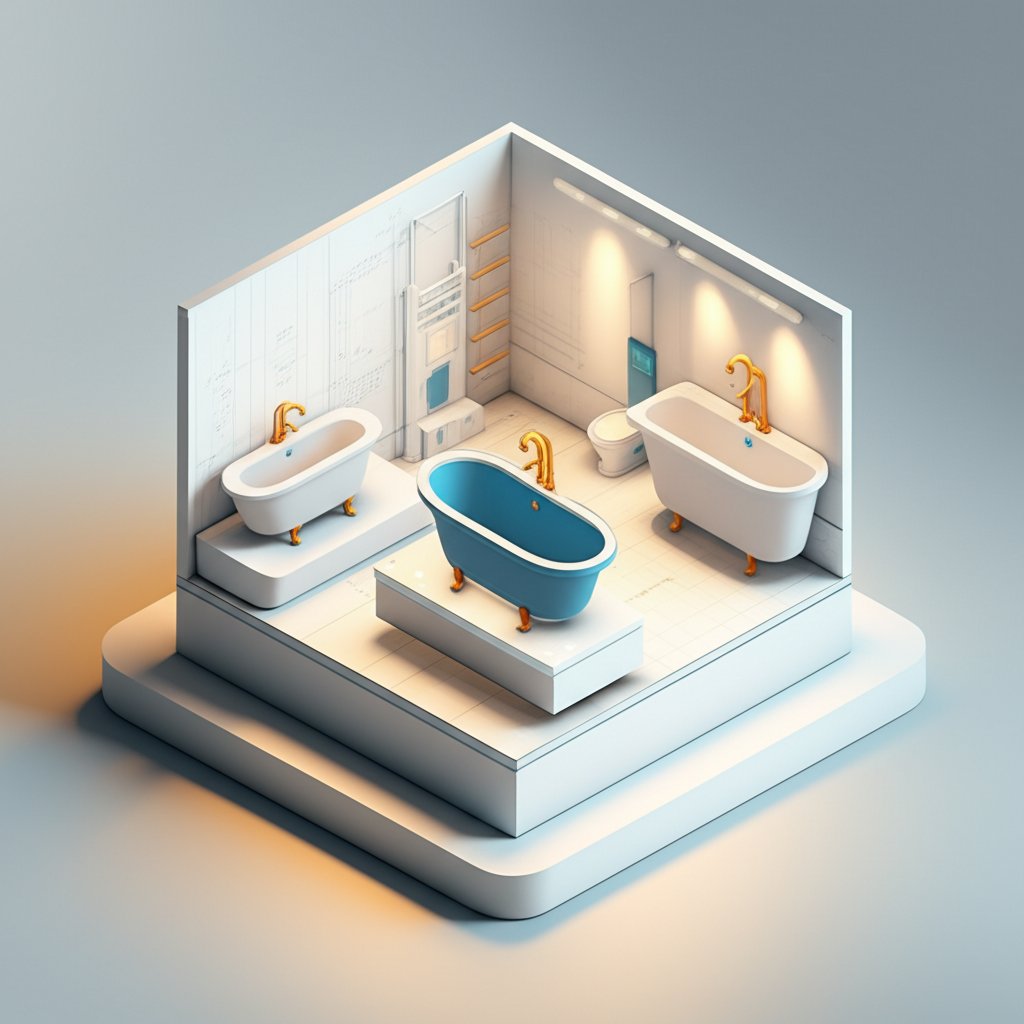
Avoid costly and heartbreaking mistakes by following this checklist before you add a tub to your cart.
☐ Step 1: Measure Your Path, Not Just Your Space.
Get a tape measure. First, measure the final spot in the bathroom. Then, measure the width and height of every doorway, hallway, and staircase the tub will have to navigate. Compare this “delivery path” to the crated dimensions of the tub, not just the tub itself.
☐ Step 2: Assess Your Floor Structure.
A filled two person tub is incredibly heavy.
- Water (100 gal) = ~834 lbs
- Tub (Acrylic/Cast Iron) = 150-500 lbs
- Two Adults = ~350 lbs
- Total Weight = 1,300 – 1,700+ lbs
This weight is concentrated in a small area. For second-floor installations or in older homes, it is essential to have a contractor inspect your floor joists to ensure they can handle the load. Reinforcement may be necessary.
☐ Step 3: Map Your Utilities.
Consult with a plumber and an electrician. - Plumbing: Will your existing drain line work with a center-drain tub, or does it need to be moved? Is the hot/cold water supply in the right place for a deck- or floor-mounted faucet?
- Electrical: All jetted tubs require a dedicated GFCI (Ground Fault Circuit Interrupter) protected circuit. Does your electrical panel have space, and can a new line be run to the tub’s location?
☐ Step 4: Perform the “Dry Fit” Test.
This is the most overlooked step. Go to a plumbing showroom and physically sit in the tub models you are considering—with your partner, if possible. Is it wide enough at the shoulders? Is there enough legroom? Are the backrests actually comfortable? No spec sheet can answer these questions for you.
Quick Answers to Common Questions
What is the minimum size for a comfortable two person tub?
For genuine comfort, look for exterior dimensions of at least 72 inches long by 42 inches wide. More importantly, check the interior “bathing well” dimensions. A deep soaking depth of 18-22 inches (water depth to overflow) is also critical for a luxurious experience.
Are two person tubs harder to clean?
Yes, simply due to the larger surface area. Jetted tubs add another layer of maintenance. As a rule, whirlpool systems require the most care (monthly flushing), while simpler soaker tubs and air baths are much easier to maintain.
How much more does a two person tub cost to install?
Expect installation costs to be 30-60% higher than for a standard tub. This accounts for the increased labor to move the heavy fixture, potential floor reinforcement, more complex plumbing for center drains and freestanding fillers, and the dedicated electrical work required for any powered features.
Can I just get a wider-than-average single person tub?
You can, but you’ll run into the core ergonomic problems. It will almost certainly have an end drain, a single backrest, and faucet controls that get in the way for one person. It’s a compromise that rarely satisfies the goal of a truly shared, comfortable soak.
Your Sanctuary Awaits
Choosing the best two person tub is a process of matching your dream of a shared retreat with the practical realities of your space and your home’s systems. It’s about looking past the showroom glamour to the fundamental design choices that create genuine, side-by-side comfort.
Focus on the three pillars: symmetrical design, the right material for your soaking habits, and ensuring your home’s infrastructure can support it. Measure everything twice, and never skip the in-person “dry fit” test. By prioritizing the ergonomics of the interior over flashy, seldom-used features, you’ll create a relaxing haven that you and your partner can enjoy together for years to come.

- Discover the Best Two Person Tub for Shared Soaking - September 18, 2026
- Explore 2 Person Bath Tub Options For Deep Soaking - September 17, 2026
- Bathroom Decor Ideas for an Instant Style Refresh - September 16, 2026