A contemporary kitchen backsplash isn’t just about preventing splatters; it’s a design statement that can dramatically elevate your kitchen’s aesthetic. Choosing the right materials, colors, and patterns transforms your cooking space into a stylish and functional area that reflects your personal taste.
At a glance:
- Define the optimal coverage area for your backsplash – partial or full wall.
- Explore material choices beyond traditional tile, including metal, concrete, and painted glass.
- Learn how to balance bold design choices with neutral elements for a cohesive look.
- Discover tips for seamless installation and long-term maintenance.
- Get inspired with contemporary backsplash ideas, from minimalist subway tile to geometric patterns.
Determining Backsplash Scope: How Much Is Enough?
The first critical decision is determining the extent of your contemporary kitchen backsplash. Do you envision a full wall covering, making a bold statement, or a more modest installation that focuses on key areas? Many backsplash designs cover between 25% and 75% of the wall space above the countertops. This partial coverage is usually sufficient to protect walls from splashes while providing ample space for an eye-catching design.
- Full Wall: Creates a dramatic effect and maximizes protection. Ideal for open-concept kitchens where the backsplash serves as a visual anchor.
- Partial Coverage (4-18 inches): A more cost-effective option that still provides adequate splash protection. Allows for greater flexibility in design, as you can mix and match materials or paint the remaining wall space.
Material Matters: Beyond Traditional Tile
While tile remains a popular choice, contemporary kitchen backsplashes embrace a wide range of materials, each offering a unique aesthetic and practical benefits. Think beyond the expected and explore the diverse options available. As you consider materials, think about the aesthetic. Contemporary designs follow an updated, current-era look and feel and shouldn’t feel vintage or bygone-era-specific.
- Subway Tile: A timeless classic that remains incredibly popular for contemporary designs. Its simple, clean appearance and versatile rectangular shape allows for endless pattern possibilities, from traditional horizontal layouts to modern vertical stacks. White subway tiles, in particular, offer a crisp, clean look that complements virtually any kitchen style.
- Metal: Stainless steel, copper, and brass backsplashes add a touch of industrial chic or glamorous warmth to your kitchen. Metal backsplashes are durable, easy to clean, and can be installed in sheets or tiles. Remember to balance your metal backsplash by following the 60-30-10 rule—let metals be your 30% accent while keeping 60% neutral (cabinets/counters) and adding 10% organic elements.
- Concrete: A concrete backsplash creates a modern, minimalist look with an industrial edge. Its smooth surface and subtle variations in color and texture add visual interest without being overwhelming. Concrete is also heat-resistant and easy to maintain with proper sealing.
- Terrazzo: Terrazzo backsplashes bring a playful yet sophisticated touch to your kitchen. The composite material, made from chips of marble, glass, or other aggregates, offers endless color and pattern combinations. The key is to keep your terrazzo chips under three colors to avoid visual chaos.
- Stone (Marble): As showcased in the Santa Monica kitchen with the marble monolithic island, natural stone like marble can be extended to the backsplash for a luxurious, seamless look. The key is to choose a slab with striking veining and pair it with minimalist elements elsewhere in the kitchen. Balance your waterfall’s boldness by limiting pattern elsewhere.
- Painted Glass: Painted glass backsplashes offer a sleek, modern look with a wide range of color options. Glass is non-porous, easy to clean, and reflects light, making it ideal for smaller kitchens. Choose tempered glass for safety near heat sources. Keep your painted glass color 2-3 shades lighter than your wall paint.
Patterns and Layouts: Adding Visual Interest
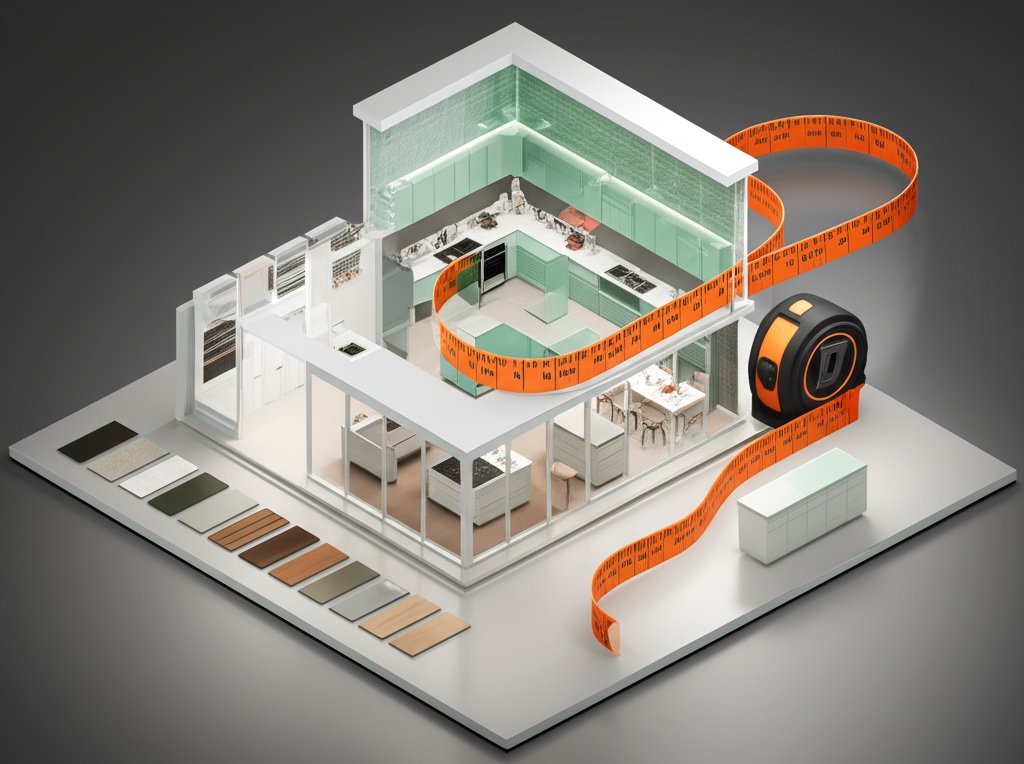
The pattern and layout of your backsplash can significantly impact the overall look and feel of your kitchen. Experiment with different layouts and designs to create a unique and visually appealing space.
- Geometric Patterns: Hexagons, triangles, and other geometric shapes add a contemporary edge to your backsplash. Mix scales – large hexagons with tiny mosaic accents. Stick to three colors max for cohesive geometric patterns. Choose one bold pattern as your focal point. Balance busy designs with solid countertops. Use contrasting grout to emphasize geometric shapes.
- Vertical Subway Tile: Instead of the traditional horizontal layout, consider stacking subway tiles vertically for a modern twist. Choose larger format tiles (4×12 or 6×18) for fewer grout lines. Keep grout color matching tiles for seamless flow. Mix matte and glossy tiles in same color for subtle texture. Add under-cabinet lighting to highlight the vertical lines. Consider extending pattern to ceiling for dramatic effect.
- Mosaic Tile: Create a custom mosaic backsplash using small tiles, glass pieces, or even stones. Choose a theme that speaks to you—nature, abstract designs, or even a personalized creation. A set, which includes 1050 pieces of mixed shapes and colorful stained glass is perfect for mosaic projects. Keep the surrounding decor simple to let your mosaic art shine, and be sure to use a reliable adhesive.
- Herringbone: A classic pattern that adds a touch of sophistication to any space. Use contrasting grout to highlight the herringbone design.
Color and Contrast: Creating a Cohesive Palette
The color of your backsplash should complement your cabinets, countertops, and overall kitchen decor. Consider the following tips for creating a cohesive and visually appealing color scheme.
- Neutral Base with Accent Colors: Choose a neutral base color, such as white, gray, or beige, and add pops of color with accent tiles.
- Monochromatic Scheme: Create a calming and sophisticated look with a monochromatic color scheme, using different shades of the same color.
- Contrasting Grout: Use contrasting grout to emphasize the shape and pattern of your tiles.
- Bold Accent Walls: Use bold colors on one wall to create a striking focal point without overwhelming the entire space. Pair backsplash with neutral cabinetry and counters to let the colors shine and tie it all together with accessories that complement your backsplash color.
Installation Tips and Tricks: Achieving a Professional Finish
Proper installation is crucial for a long-lasting and visually appealing backsplash. Here are some tips and tricks to ensure a professional finish.
- Surface Preparation: Clean and level the surface before installing the backsplash. Use a self-leveling compound to correct any imperfections.
- Adhesive Selection: Choose the right adhesive for the material you’re using. For example, use thin-set mortar for tile and construction adhesive for metal sheets. An adhesive tile mat with spacers simplifies the application process with its strong double-sided adhesive.
- Grout Application: Apply grout evenly and remove excess grout with a damp sponge. Choose a grout color that complements your tiles.
- Sealing: Seal the backsplash and grout to protect against stains and water damage.
Blending Contemporary Backsplash with Other Kitchen Elements

Creating a harmonious kitchen design involves seamlessly blending your contemporary backsplash with other kitchen elements. Here’s how to achieve a balanced and stylish space:
- Cabinets and Countertops: Coordinate your backsplash with your cabinets and countertops. For example, if you have dark cabinets, choose a light-colored backsplash to brighten the space.
- Hardware and Fixtures: Choose hardware and fixtures that complement your backsplash material and color. For example, pair a stainless steel backsplash with stainless steel faucets and cabinet pulls. If you are incorporating brass elements, mix brass finishes—brushed for handles, polished for faucets. You’ll want to limit brass to 3-4 focal points max.
- Lighting: Install under-cabinet lighting to highlight your backsplash and add ambient light to your kitchen. Consider extending the backsplash pattern slightly beyond your cooking area for a designer look.
- Shelving Incorporate floating shelves 18-20 inches above countertops for easy reach. Leave breathing room between your backsplash pattern and shelves—about 4-6 inches works magic.
Practical Playbook for a Flawless Contemporary Kitchen Backsplash
- Define Your Style: Determine the overall aesthetic you want to achieve – minimalist, industrial, glamorous, etc.
- Measure Your Space: Accurately measure the backsplash area to determine the amount of materials needed.
- Select Your Materials: Choose materials that complement your style, budget, and maintenance preferences.
- Plan Your Layout: Experiment with different layouts and patterns before installation.
- Prepare Your Surface: Clean and level the surface to ensure proper adhesion.
- Install Your Backsplash: Follow the manufacturer’s instructions for installation.
- Grout and Seal: Apply grout evenly and seal the backsplash to protect against stains and water damage.
- Accessorize: Add finishing touches such as under-cabinet lighting and decorative accessories.
Quick Answers: Common Questions About Contemporary Kitchen Backsplashes
Q: How do I clean a metal backsplash?
A: Use a mild dish soap and a soft cloth. Avoid abrasive cleaners, which can scratch the surface.
Q: What is the best way to seal a concrete backsplash?
A: Apply a penetrating sealer specifically designed for concrete. Reapply the sealer every 1-2 years.
Q: Can I install a backsplash myself?
A: Yes, but it requires careful planning and attention to detail. If you’re not comfortable with DIY projects, hire a professional installer.
Q: How do I balance a bold backsplash with the rest of my kitchen?
A: Keep the surrounding elements, such as the cabinets and countertops, neutral and minimalist.
Q: What is the ideal grout width for a contemporary look?
A: Test your grout width with tile spacers first—3mm lines feel modern and intentional, while anything wider might dominate your beautiful tiles
For a broader perspective on current trends and design principles, explore modern backsplash trends.
Ready to Elevate Your Kitchen?
Choosing the right contemporary kitchen backsplash can transform your cooking space into a stylish and functional haven. By carefully considering the scope, materials, patterns, colors, and installation techniques, you can create a backsplash that reflects your personal style and enhances the overall aesthetic of your home. So, dive in, explore your options, and create a kitchen that you’ll love for years to come.

- DIY Bathroom Mirror Frame Designs on a Budget - October 12, 2026
- Creative Bathroom Mirror Border Ideas for Every Style and Budget - October 11, 2026
- Bathroom Finishes That Handle Moisture and Look Great - October 10, 2026