For the bigger picture and full context, make sure you read our main guide on 2 Recessed Light: Dimmable, Easy Install Ceiling Fixture.
Struggling to light a small space or highlight a specific feature without bulky fixtures? 2 inch recessed lights offer a surprisingly powerful and discreet solution. But are they the right choice for your project? This guide dives into the world of these miniature marvels, helping you understand their capabilities, limitations, and how to choose the perfect ones for your needs.
At a glance:
- Decide if 2 inch recessed lights fit your design aesthetic and space constraints.
- Understand the difference between line-voltage and low-voltage options and their implications for installation.
- Learn how to choose the right type of 2 inch recessed light (linear or round) for your specific application.
- Discover key factors like dimming compatibility, color temperature, and lumen output.
- Master a quick decision-making framework for selecting the ideal 2 inch recessed lights.
The Allure of Tiny Illumination: Why Choose 2 Inch Recessed Lights?
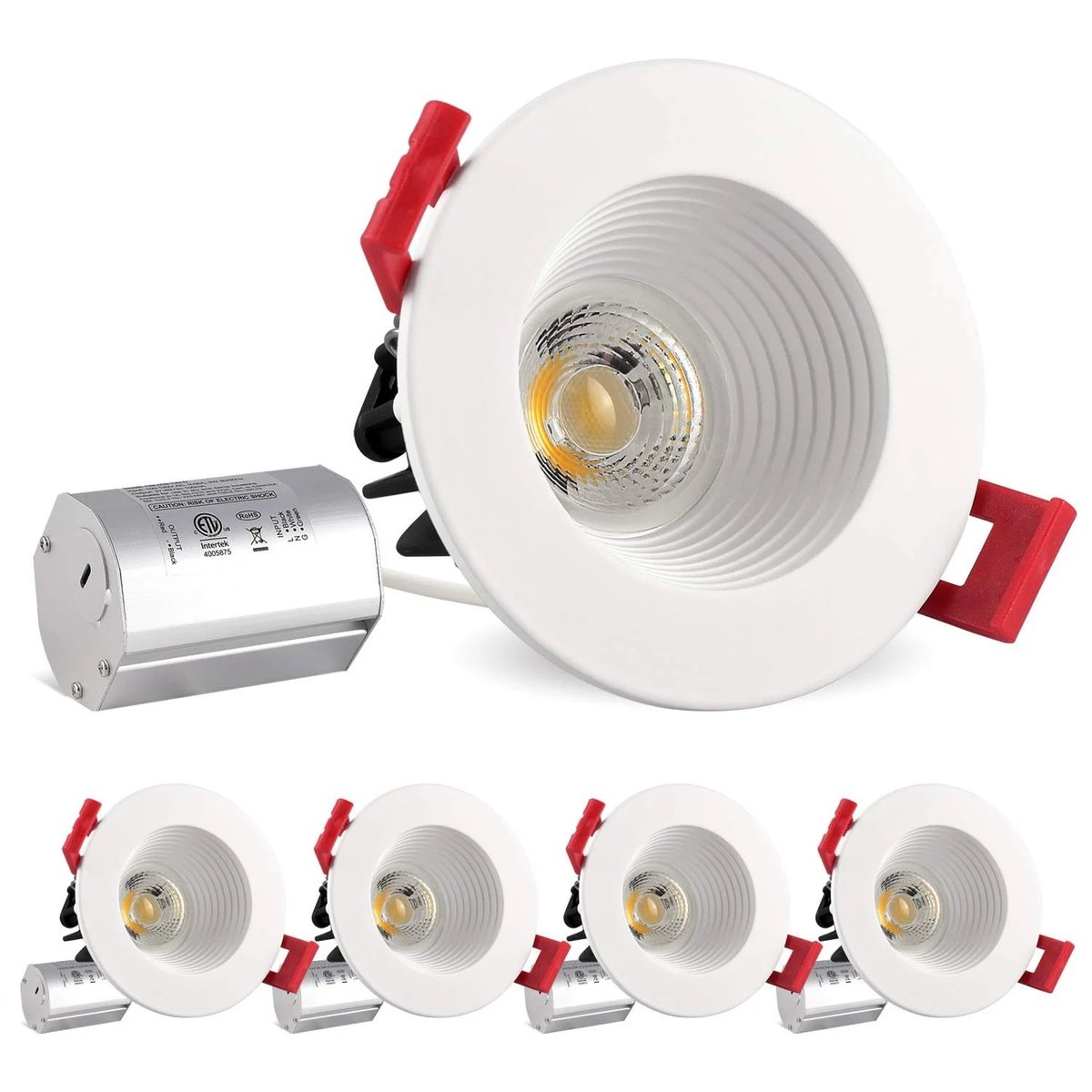
The popularity of 2 inch recessed lights stems from their ability to provide focused, concealed lighting. They’re ideal for applications where space is limited, aesthetics are paramount, or you want to create a layered lighting scheme. Think accent lighting in display cabinets, highlighting artwork, or providing task lighting under kitchen cabinets. Their small size allows them to blend seamlessly into the ceiling, minimizing visual clutter.
Line-Voltage vs. Low-Voltage: Understanding the Power Play
One of the first decisions you’ll face when selecting 2 inch recessed lights is choosing between line-voltage and low-voltage options. The difference lies in how they receive power and has significant implications for installation and customization.
- Line-Voltage: These lights operate directly off your standard household voltage (typically 120V in the US). This means simpler and often quicker installation, as they don’t require an external transformer. However, customization options are generally more limited.
- Low-Voltage: Low-voltage lights require an external power supply (transformer) to convert the standard voltage to a lower voltage (e.g., 12V or 24V). While this adds complexity to the installation, it opens the door to greater customization in terms of dimming, color options (including RGB and RGB+W), and even custom sizing.
Quick Tip: If you’re looking for a hassle-free installation and don’t need extensive customization, line-voltage is the way to go. If you crave flexibility and are comfortable with a slightly more involved installation process, low-voltage is worth considering.
Shapes and Styles: Round vs. Linear
2 inch recessed lights come in two primary shapes: round and linear. Each offers a distinct aesthetic and is suited for different applications.
- Round: These are the most common type of recessed light. They provide a focused beam of light and are excellent for general illumination, accent lighting, and task lighting. The Nora Lighting NM2-2RG4030MPW, for example, is a 2-inch round adjustable gimbal light, allowing you to direct the light where you need it.
- Linear: Linear 2 inch recessed lights offer a sleek, modern look. They are particularly well-suited for highlighting architectural features, creating ambient lighting along hallways, or providing task lighting over countertops. Because of the manufacturing and wiring, these are most often offered in low-voltage options.
Scenario: Imagine highlighting a long, narrow painting. A linear 2 inch recessed light would provide even illumination across the entire canvas, while a round light might create hotspots.
Key Considerations: Beyond Size and Shape
Choosing the right 2 inch recessed lights involves more than just size and shape. Here are some critical factors to consider:
- Lumen Output: Lumens measure the total amount of light emitted by a light source. The higher the lumen output, the brighter the light. Consider the size of the space you’re lighting and the desired level of brightness. For accent lighting, a lower lumen output may suffice, while task lighting requires a higher output.
- Color Temperature: Measured in Kelvin (K), color temperature describes the warmth or coolness of the light. Lower Kelvin values (e.g., 2700K) produce a warm, yellowish light, while higher Kelvin values (e.g., 5000K) produce a cool, bluish-white light. Choose a color temperature that complements your décor and the intended use of the space.
- Dimming Compatibility: If you want to be able to adjust the brightness of your lights, ensure they are dimmable and compatible with your chosen dimmer switch. LED dimming can be tricky, so consult the manufacturer’s compatibility guide.
- Beam Angle: The beam angle determines the spread of light. A narrow beam angle (e.g., 25 degrees) creates a focused spotlight effect, while a wide beam angle (e.g., 60 degrees) provides broader illumination.
- CRI (Color Rendering Index): CRI measures how accurately a light source renders colors compared to natural sunlight. A higher CRI (80 or above) is generally desirable, especially in spaces where color accuracy is important.
Practical Playbook: Installing 2 Inch Recessed Lights
While the installation process can vary depending on the specific type of light and your existing wiring, here’s a general overview:
- Plan Your Layout: Determine the placement of your lights based on the desired lighting effect and the size of the space.
- Turn Off the Power: Always disconnect the power at the circuit breaker before working on any electrical wiring.
- Cut the Holes: Use a hole saw of the appropriate size to cut the holes in your ceiling.
- Wire the Lights: Connect the wires from the light fixture to the existing wiring in your ceiling, following the manufacturer’s instructions. For low-voltage lights, connect the transformer to the wiring first.
- Install the Lights: Insert the light fixtures into the holes and secure them in place.
- Restore Power: Turn the power back on at the circuit breaker and test the lights.
Installation Tip: When installing multiple lights, use a level to ensure they are all aligned. This will create a more professional and aesthetically pleasing look.
Navigating Customization: Low-Voltage Linear LED Options
Low-voltage linear LED options are especially powerful when it comes to creating customized lighting solutions. For example, you can often specify:
- Length: Tailor the length of the light to fit your specific needs, whether it’s highlighting a particular shelf or creating a continuous strip of light.
- Color: Choose from a wide range of colors, including RGB and RGB+W options, to create dynamic and mood-setting lighting.
- Dimming: Integrate advanced dimming controls for precise control over the light intensity.
- Shape: It’s even possible to specify custom shapes beyond straight lines, although this may involve additional design and manufacturing considerations.
Case Snippet: A high-end retail store used custom-length, low-voltage linear 2 inch recessed lights with RGB capabilities to create dynamic lighting displays that changed colors to match the seasons and promotions, drawing customers’ attention and enhancing the shopping experience.
Quick Answers: Common Questions About 2 Inch Recessed Lights
- Q: Are 2 inch recessed lights bright enough?
A: It depends on the lumen output and the size of the space. While they aren’t suitable for general illumination in large rooms, they’re perfect for accent lighting, task lighting, and small spaces like closets or display cases. - Q: Can I install 2 inch recessed lights myself?
A: If you’re comfortable working with electrical wiring and follow safety precautions, you can install them yourself. However, if you’re unsure, it’s best to hire a qualified electrician. **Find Dimmable Recessed Lights **. - Q: What are the advantages of LED 2 inch recessed lights?
A: LED lights are energy-efficient, long-lasting, and produce very little heat. They are also available in a wide range of color temperatures and dimming options. - Q: How do I choose the right color temperature?
A: Warm colors (2700K-3000K) are best for creating a cozy and inviting atmosphere in living rooms and bedrooms. Cool colors (4000K-5000K) are better for task lighting in kitchens, bathrooms, and offices.
Takeaways: A Quick Decision Tree
Here’s a simplified decision guide for spec’ing 2 inch recessed lights:
- Application: What are you lighting (artwork, cabinets, general space)?
- Voltage: Do you need customization (go Low-Voltage), or simplicity (go Line-Voltage)?
- Shape: Do you need focused light (Round) or a linear highlight (Linear)?
- Output: What is the desired brightness level (consider lumens)?
- Mood: What is the desired color temperature to match your decor?
By considering these factors, you can confidently choose the perfect 2 inch recessed lights for your specific needs and create a stunning and functional lighting design.

- DIY Bathroom Mirror Frame Designs on a Budget - October 12, 2026
- Creative Bathroom Mirror Border Ideas for Every Style and Budget - October 11, 2026
- Bathroom Finishes That Handle Moisture and Look Great - October 10, 2026