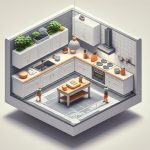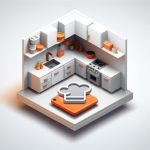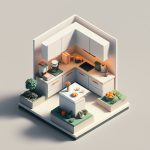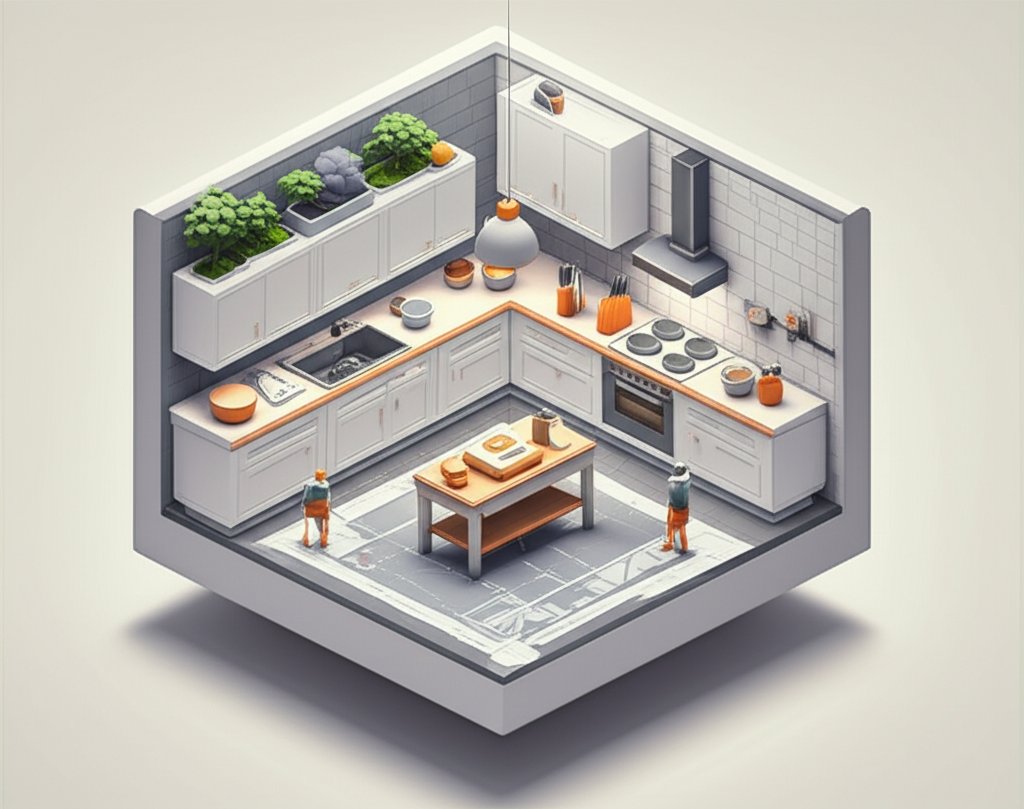
Imagine a bright, airy kitchen where sunlight streams onto gleaming white cabinets, beautifully contrasted by the warm, natural tones of a butcher block countertop. This isn’t just a pretty picture; it’s a highly functional and stylish design choice that’s gaining popularity—and for good reason. A white kitchen with butcher block countertops offers a timeless aesthetic, blending classic appeal with rustic charm.
At A Glance:
- Timeless Appeal: White cabinets and butcher block are a classic combination that transcends trends.
- Warmth and Character: Butcher block adds natural warmth and a unique touch to an otherwise pristine white kitchen.
- Durability and Functionality: Butcher block is a durable surface perfect for food prep, though it requires some maintenance.
- Versatility: This design works well with various kitchen styles, from farmhouse to modern.
- Adds Value: A well-designed white kitchen with butcher block can increase your home’s value.
Why This Combination Works So Well
The pairing of white cabinets and butcher block countertops creates a stunning visual contrast. The crisp, clean look of white provides a blank canvas, allowing the natural wood grain and warm tones of the butcher block to truly shine. This design choice offers a balance between modern sophistication and rustic charm, creating a space that feels both inviting and stylish. The versatility is also a major plus. Whether you lean towards farmhouse chic or a more contemporary aesthetic, Inspiring White Kitchen Ideas can be easily incorporated.
The Allure of Butcher Block: More Than Just a Countertop
Butcher block countertops stand out for several reasons. Unlike many manufactured surfaces, each piece of butcher block is unique, boasting its own distinct grain patterns and color variations. This natural variation adds character and soul to your kitchen, creating a focal point that draws the eye.
Beyond aesthetics, butcher block offers practical benefits:
- Durability: Constructed from sturdy hardwoods like maple, oak, walnut, or birch, butcher block can withstand daily wear and tear.
- Food-Safe Surface: When properly sealed and maintained, butcher block provides a safe and hygienic surface for preparing food.
- Repairability: Unlike laminate or quartz, minor scratches and dents can often be sanded out and the surface re-oiled, extending the countertop’s lifespan.
Choosing the Right Wood: Finding Your Perfect Match
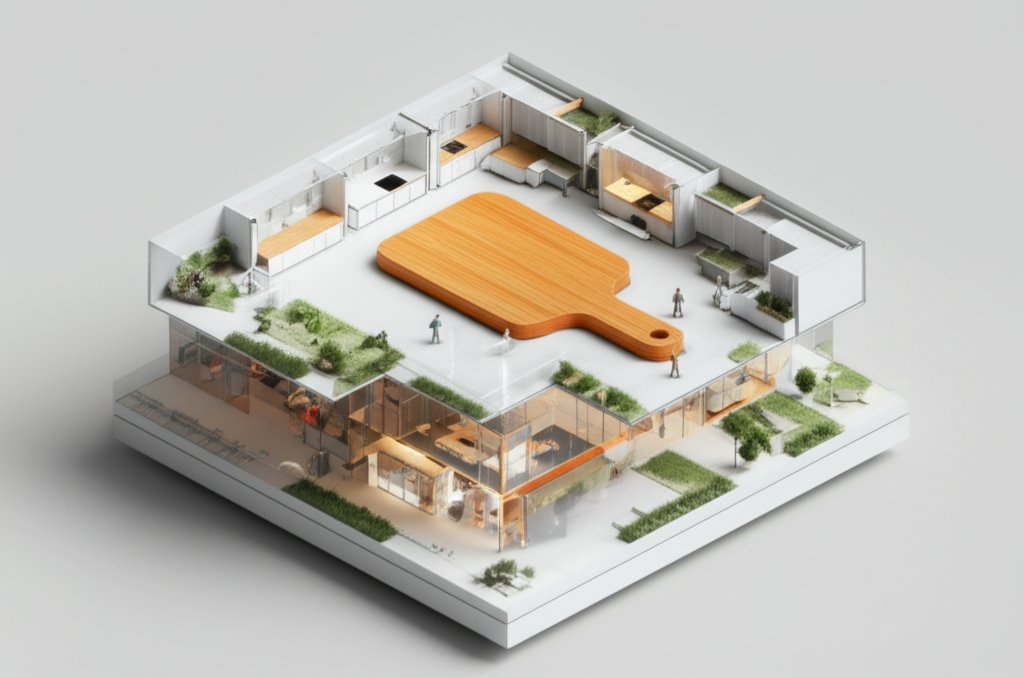
The type of wood you choose for your butcher block countertop significantly impacts its appearance, durability, and cost. Here’s a quick rundown of popular options:
- Maple: A classic choice, maple is known for its light color, tight grain, and durability. It’s a great all-around option for busy kitchens.
- Oak: Offering a more pronounced grain pattern than maple, oak adds a touch of rustic charm. It’s also a very durable and affordable option.
- Walnut: Rich, dark, and luxurious, walnut brings warmth and sophistication to any kitchen. It’s a softer wood than maple or oak, so it may require more care.
- Birch: A budget-friendly option with a light color and subtle grain, birch is a good choice for those seeking a clean and simple look.
Consider the overall style of your kitchen and your personal preferences when selecting the wood for your butcher block. A Inspiring Butcher Block Kitchens can showcase the variety of options.
Design Inspiration: Creating Your Dream Kitchen
The beauty of a white kitchen with butcher block countertops lies in its adaptability. Here are a few design ideas to spark your imagination:
- Farmhouse Charm: Pair white shaker cabinets with a thick maple butcher block countertop. Add a farmhouse sink, vintage-inspired hardware, and open shelving to complete the look.
- Modern Minimalism: Opt for sleek, handleless white cabinets with a light-toned birch butcher block. Keep the décor simple and uncluttered for a clean and contemporary feel.
- Industrial Chic: Combine white subway tiles, stainless steel appliances, and a dark walnut butcher block for an edgy, urban vibe.
- Coastal Cottage: Use off-white cabinets, a light-colored butcher block, and pops of blue and green to create a relaxed and breezy coastal atmosphere.
Don’t be afraid to mix and match elements to create a kitchen that reflects your unique personality.
Thinking Beyond the Countertop: Expanding the Butcher Block
Consider extending the butcher block beyond just the countertops. A kitchen island with a butcher block top provides additional workspace and a focal point. Butcher block shelving can add warmth and character to open shelving units, and even a butcher block backsplash can complement the countertops.
Maintenance Matters: Keeping Your Butcher Block Looking Beautiful
Butcher block countertops require regular maintenance to keep them in good condition. Here’s what you need to know:
- Oiling: Regular oiling is essential to prevent the wood from drying out and cracking. Use a food-safe mineral oil or butcher block oil every few weeks, or as needed.
- Cleaning: Wipe up spills immediately with a damp cloth. Avoid harsh chemicals or abrasive cleaners, which can damage the wood. For tougher stains, use a mild soap and water solution.
- Sanitizing: While butcher block is naturally antimicrobial, you can sanitize it with a solution of white vinegar and water.
- Sanding: Over time, scratches and stains may appear. You can lightly sand the surface with fine-grit sandpaper and re-oil to restore its appearance.
With proper care, your butcher block countertop will last for many years, adding beauty and value to your kitchen. Regular sealing is key, and Classic White & Butcher Block designs often showcase the benefits of diligent maintenance.
Addressing Common Concerns
Let’s tackle some common questions and misconceptions about butcher block countertops:
- Are butcher block countertops sanitary? Yes, when properly sealed and cleaned, butcher block is a safe and sanitary surface for food preparation. Wood possesses natural antimicrobial properties.
- Are butcher block countertops heat resistant? While butcher block can withstand some heat, it’s best to avoid placing hot pots and pans directly on the surface. Use trivets or hot pads to protect the wood.
- Can I cut directly on a butcher block countertop? Yes, that’s the beauty of it! Butcher block is designed for cutting and chopping. However, keep in mind that this will create scratches over time.
- Are butcher block countertops expensive? The cost of butcher block countertops varies depending on the type of wood, the thickness of the countertop, and the size of your kitchen. However, it is generally a mid-range option compared to other countertop materials like granite or quartz.
- Will butcher block countertops stain easily? While butcher block is porous, regular oiling helps to protect it from stains. Wipe up spills promptly to prevent staining.
Budget-Friendly Butcher Block: Options to Consider
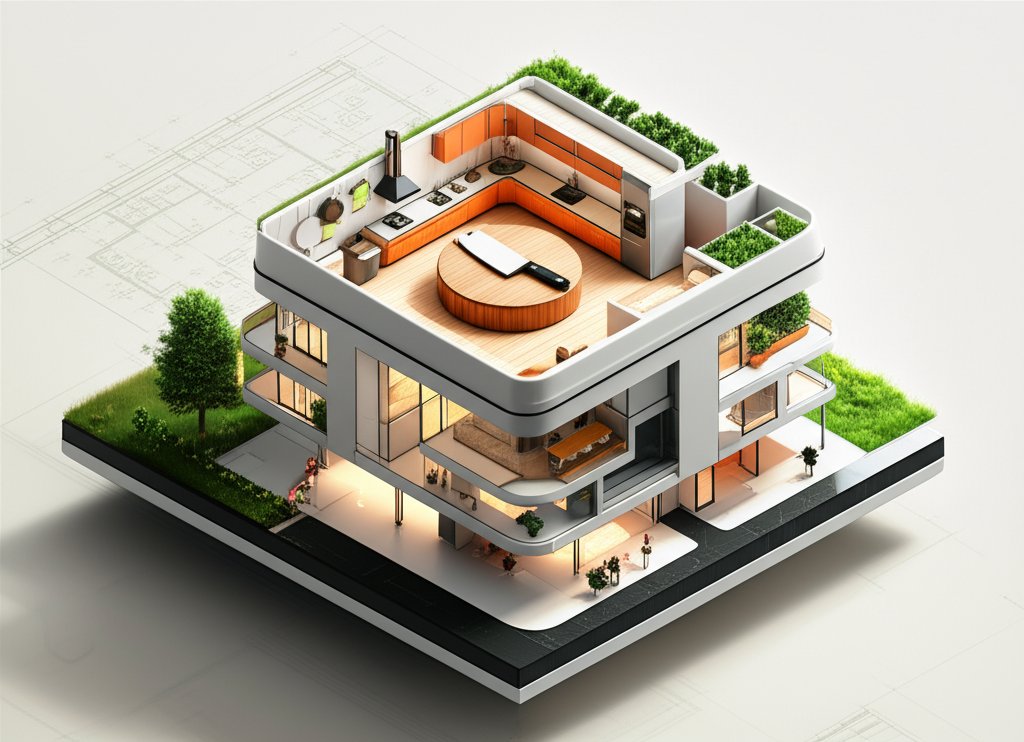
A full kitchen remodel can be expensive, but incorporating butcher block doesn’t have to break the bank. Consider these budget-conscious options:
- Butcher Block Islands: Instead of replacing all your countertops, add a butcher block island as a focal point and workspace. This is a cost-effective way to introduce the warmth and charm of butcher block.
- Partial Butcher Block: Use butcher block for a small section of your countertop, such as a baking area or a coffee station. This allows you to enjoy the benefits of butcher block without the expense of covering your entire kitchen.
- DIY Butcher Block: If you’re handy, you can save money by building your own butcher block countertop from individual wood strips.
- Laminate Butcher Block: For a very budget-friendly option, consider laminate countertops that mimic the look of butcher block. While they don’t offer the same durability or warmth as real wood, they can be a good alternative.
Remember to account for installation costs when planning your budget.
Contrasting Styles: Exploring Alternatives to All-White
While white kitchen with butcher block countertops is a popular choice, consider variations that incorporate color and texture for a unique touch.
- Two-Toned Cabinets: Use white cabinets for the upper cabinets and a darker color, such as gray or navy, for the lower cabinets. This adds depth and visual interest to the kitchen.
- Painted Island: Paint the kitchen island a contrasting color to make it stand out as a focal point. A butcher block top on a colored island creates a striking combination.
- Textured Backsplash: Incorporate a backsplash with texture or pattern, such as subway tile, mosaic tile, or natural stone, to add dimension to the kitchen.
- Open Shelving: Replace some of the upper cabinets with open shelving to display colorful dishes, cookware, and decorative items.
Don’t be afraid to experiment with different colors, textures, and materials to create a kitchen that reflects your personal style.
The Right Hardware: Pulling It All Together
The hardware you choose for your cabinets and drawers can significantly impact the overall look of your kitchen. Here are a few hardware options that complement a white kitchen with butcher block countertops:
- Brushed Nickel: A classic and versatile choice, brushed nickel hardware adds a touch of elegance to any kitchen.
- Oil-Rubbed Bronze: This dark and rustic finish complements the warmth of the butcher block and adds a touch of vintage charm.
- Black Matte: For a modern and edgy look, opt for black matte hardware. This creates a striking contrast against the white cabinets.
- Glass Knobs: Glass knobs add a touch of sparkle and sophistication to the kitchen. They also allow the beauty of the white cabinets to shine through.
Consider the style of your kitchen and your personal preferences when selecting hardware.
Taking the Next Step: Making It Happen
Ready to transform your kitchen? Here’s a simple plan to get you started:
- Define your style: Gather inspiration from magazines, websites, and social media to determine the overall style you want to achieve.
- Measure your space: Accurately measure your kitchen to determine the size of the countertops and cabinets you need.
- Set a budget: Determine how much you’re willing to spend on your kitchen renovation.
- Choose your materials: Select the type of wood for your butcher block countertop, the style of your cabinets, and the hardware you want to use. Consider Stylish butcher block kitchens to visualize the potential.
- Find a contractor: If you’re not comfortable doing the work yourself, hire a qualified contractor to install your countertops and cabinets.
- Start renovating: Enjoy the process of transforming your kitchen into the space of your dreams!
With careful planning and attention to detail, you can create a stunning white kitchen with butcher block countertops that you’ll love for years to come. Remember the advantages of the timeless design; this design will bring beauty and value to your home for years. Don’t forget: a little DIY spirit can go a long way in creating a kitchen you truly love.

- White Kitchen With Butcher Block Countertops: A Warm, Inviting Design - January 4, 2026
- Marble Countertops Prices: What Impacts the Overall Cost to Install? - January 3, 2026
- Marble Countertops Cost: What Factors Impact the Total Price? - January 2, 2026