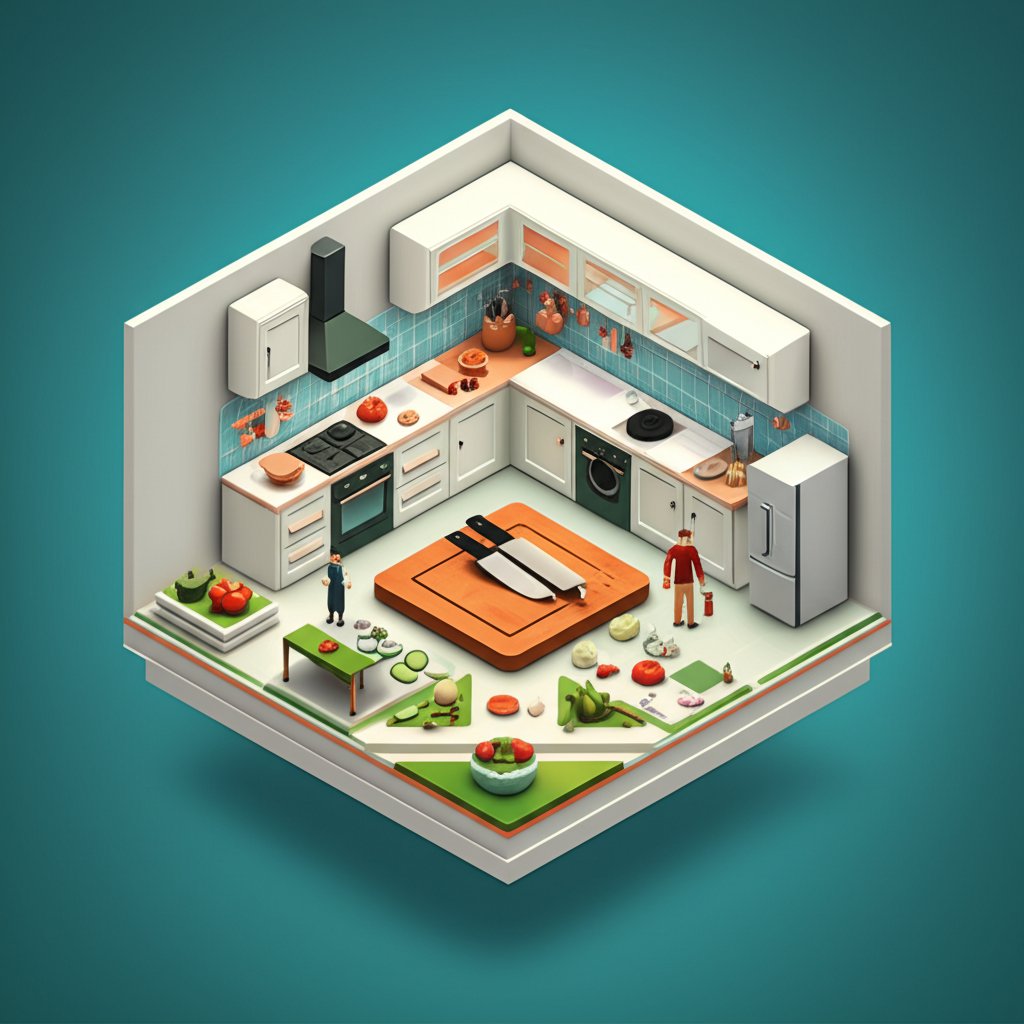
Stuck trying to decide on the perfect countertop to complement your crisp, white kitchen cabinets? The combination of white cabinets with butcher block countertops offers a timeless aesthetic. It’s a pairing that balances clean, bright elements with the warm, natural tones of wood.
At a glance:
- Discover the best wood species choices for butcher block countertops to match your white cabinets.
- Learn how to select the right stain or finish to enhance the wood’s natural beauty and protect it from daily wear.
- Explore different design styles, from modern farmhouse to Scandinavian, and how butcher block integrates seamlessly.
- Understand the practical considerations of choosing butcher block, including maintenance and longevity.
- Get inspired by real-world examples of kitchens featuring white cabinets and butcher block countertops.
- Address common concerns about hygiene, durability, and cost.
Choosing the Right Wood: Grain, Color, and Hardness
The beauty of white cabinets with butcher block countertops lies in the wood. But which wood is best? The answer depends on your desired look, budget, and lifestyle.
- Maple: A popular choice due to its tight grain, light color, and moderate hardness. It’s relatively affordable and takes stain well. Think of a bright, airy kitchen with a natural maple butcher block island, providing a warm contrast to the surrounding white.
- Walnut: A richer, darker option with a distinctive grain pattern. Walnut adds a touch of elegance and sophistication, complementing white cabinets beautifully. Consider it for a more traditional or transitional kitchen style.
- Cherry: Known for its warm reddish-brown hue that deepens with age. Cherry butcher block countertops create a cozy and inviting atmosphere, especially when paired with creamy white cabinets.
- Oak: A classic choice with a prominent grain pattern and durability. Oak is a versatile option that can be stained to achieve a wide range of colors, from light and airy to dark and dramatic. A distressed white cabinet paired with a dark oak butcher block adds French Country flair.
- Teak: More often found in coastal designs, Teak offers a rich warm tone with high water resistance. This makes it great for withstanding more moisture, which is important especially if the butcher block is around the sink.
Pro-Tip: Consider the Janka hardness rating of the wood. This rating measures the wood’s resistance to denting and wear. For a high-traffic kitchen, opt for a harder wood like maple or oak.
Staining and Finishing: Protecting and Enhancing
Once you’ve selected the wood, the next step is to stain or finish it. The right stain can enhance the wood’s natural beauty and complement your white cabinets. The finish will protect the wood from moisture and wear.
- Choosing a Stain: Consider the overall color scheme of your kitchen. Do you want to match the wood to other elements in the space, or create a contrasting effect? Light stains will highlight the wood’s natural grain, while darker stains can add depth and richness.
- Selecting a Finish: Food-safe finishes are essential for butcher block countertops. Options include:
- Mineral Oil: A classic choice that’s easy to apply and maintain. It’s food-safe and relatively inexpensive, but requires regular reapplication.
- Beeswax: Creates a water-resistant barrier and enhances the wood’s natural luster.
- Tung Oil: A durable and water-resistant finish that penetrates the wood and hardens over time.
- Polyurethane: Provides a tough, durable finish that’s resistant to scratches and stains. However, it’s not food-safe and should only be used on areas that won’t come into direct contact with food.
Important: Always test the stain and finish on a small, inconspicuous area of the butcher block before applying it to the entire surface.
Design Styles: From Farmhouse to Modern
One of the great things about white cabinets with butcher block countertops is its versatility. This combination works well with a variety of design styles:
- Modern Farmhouse: Pair white shaker cabinets with a natural maple butcher block countertop. Add rustic hardware, a farmhouse sink, and open shelving to complete the look.
- Scandinavian: Opt for white flat-panel cabinets with a light-toned butcher block countertop. Keep the space minimalist and clutter-free, with plenty of natural light.
- Industrial Chic: Combine white metal cabinets with a reclaimed wood butcher block countertop. Incorporate exposed brick, stainless steel appliances, and pendant lighting for an edgy, urban feel.
- Transitional: Blend traditional and modern elements by pairing white shaker cabinets with a rich walnut butcher block countertop. Add contemporary hardware and a sleek backsplash. Take inspiration from kitchens that feature white shaker cabinets, gray backsplashes, a white central island with butcher block countertop, and wooden counter chairs.
- Coastal: Create a light and airy feel with bright white cabinets and a butcher block countertop in teak or a similar light-toned wood. Incorporate nautical-inspired decor and a blue or green backsplash.
Practical Considerations: Maintenance and Longevity
Butcher block countertops require regular maintenance to keep them looking their best. Here are a few tips:
- Regular Oiling: Apply mineral oil or beeswax to the countertop every few weeks to keep it hydrated and prevent it from drying out.
- Cleaning: Clean spills immediately with a damp cloth and mild soap. Avoid harsh chemicals or abrasive cleaners.
- Sanitizing: Sanitize the countertop regularly with a food-safe cleaner.
- Cutting Boards: Use cutting boards to protect the countertop from scratches and knife marks.
- Sanding and Refinishing: Over time, butcher block countertops may develop scratches or stains. Sanding and refinishing can restore them to their original beauty.
Case Snippet: A homeowner chose a maple butcher block countertop for their kitchen island. They diligently oiled it every month and used cutting boards for food prep. After five years, the countertop still looked brand new.
Addressing Common Concerns: Hygiene, Durability, and Cost
Some homeowners are hesitant to choose butcher block countertops due to concerns about hygiene, durability, and cost. Here’s a breakdown of these issues:
- Hygiene: Butcher block countertops are naturally antimicrobial, meaning they inhibit the growth of bacteria. Regular cleaning and sanitizing can further reduce the risk of contamination.
- Durability: Butcher block countertops are durable but can be susceptible to scratches and dents. Choosing a harder wood and using cutting boards can help to prevent damage. Also, wood can be easily repaired by sanding the stained area.
- Cost: Butcher block countertops can be less expensive than granite or quartz, but the cost varies depending on the wood species, thickness, and size.
Tip: Consider purchasing butcher block countertops from a reputable supplier that offers warranties and guarantees.
Explore This White Kitchen Design for inspiration on how white cabinets with butcher block countertops can transform your cooking space.
Practical Playbook: Getting Started with Your Kitchen
Here’s a step-by-step guide to help you get started:
- Measure your countertops: Get accurate measurements of your existing countertops or the dimensions of your kitchen layout.
- Choose a wood species: Consider your budget, desired look, and lifestyle when selecting a wood species.
- Select a stain and finish: Test different stains and finishes to find the perfect combination for your white cabinets.
- Purchase your butcher block: Order your butcher block countertops from a reputable supplier.
- Install the countertops: Hire a professional contractor to install the countertops, or DIY if you have experience.
- Maintain the countertops: Oil, clean, and sanitize the countertops regularly to keep them looking their best.
Decision Tree:
- Budget:
- Low: Maple, Oak
- Mid: Cherry
- High: Walnut, Teak
- Desired Look:
- Light & Airy: Maple, Light Oak
- Warm & Cozy: Cherry, Walnut
- Rustic: Reclaimed Wood
- Durability:
- High-Traffic: Maple, Oak
- Low-Traffic: Cherry, Walnut
Quick Answers: Common Questions About Butcher Block
Q: Are butcher block countertops sanitary?
A: Yes, butcher block is naturally antimicrobial. Regular cleaning and sanitizing make it a safe surface for food preparation.
Q: Can I cut directly on a butcher block countertop?
A: Yes, that’s the original purpose! However, using cutting boards will help to prolong the life of your countertop and prevent scratches.
Q: How often do I need to oil butcher block countertops?
A: Every few weeks, or whenever the wood starts to look dry.
Q: Can I use butcher block countertops around the sink?
A: Yes, but it’s important to wipe up spills immediately to prevent water damage. Also, consider a waterproof finish.
Actionable Close: Your Dream Kitchen Awaits
The combination of white cabinets with butcher block countertops offers a classic and versatile design that can transform your kitchen into a warm and inviting space. By considering the factors outlined in this guide, you can choose the perfect wood, stain, and finish to create a kitchen that reflects your personal style and meets your practical needs. Start planning your kitchen today and enjoy the beauty and functionality of butcher block for years to come.

- Modern Butcher Block Kitchen: Warmth and Style with White Cabinets - January 6, 2026
- White Cabinets with Butcher Block Countertops: A Kitchen Classic - January 5, 2026
- White Kitchen With Butcher Block Countertops: A Warm, Inviting Design - January 4, 2026