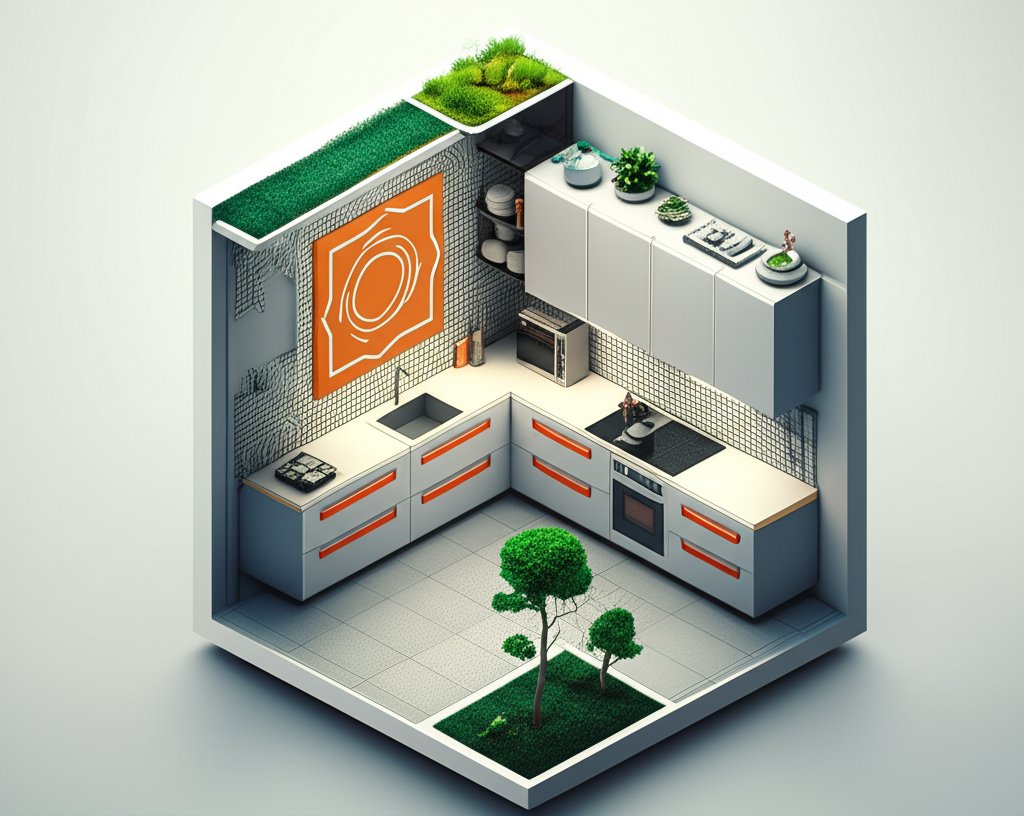
The right kitchen tiling wall does more than just protect against splashes; it transforms the entire feel of your cooking space. From sleek modern designs to rustic, homey vibes, your choice of tile sets the stage.
At a glance:
- Decide between classic, contemporary, or bold tiling styles to match your kitchen’s overall aesthetic.
- Select the right materials – ceramic, porcelain, glass, or natural stone – based on durability, maintenance, and desired look.
- Master essential patterns like subway, herringbone, or vertical stack to add visual interest and personality.
- Balance budget with style by considering affordable alternatives like peel-and-stick tiles or mosaic sheets.
- Learn practical installation tips for achieving professional-looking results, even as a DIYer.
Understanding the Essentials of Kitchen Tiling Wall Materials
Choosing the right material for your kitchen tiling wall is crucial, impacting both aesthetics and functionality. Let’s break down the popular options:
- Ceramic: The go-to for many homeowners. Ceramic tiles are budget-friendly, easy to clean, and come in endless colors and patterns. Think of them as your reliable all-rounder.
- Glazed Ceramics: Ideal for splash-prone areas due to their stain resistance.
- Unglazed Ceramics: Offer a rustic, natural look.
- Porcelain: A denser, less porous cousin of ceramic. Porcelain resists moisture and stains even better, making it perfect for high-traffic kitchens. It’s the investment piece that lasts.
- Glass: Add a touch of modern elegance with glass mosaic tiles. They reflect light beautifully, making smaller kitchens feel larger. Plus, they’re naturally resistant to moisture and stains.
- Natural Stone (Marble, Travertine, Limestone, Slate): For a luxurious and timeless look, natural stone is unmatched. Each tile is unique, bringing character and warmth to your kitchen.
- Marble: Exudes sophistication with its distinctive veining. Requires sealing for protection.
- Travertine: Brings warm, earthy tones and a textured surface.
- Limestone: Offers a softer, neutral appearance.
- Slate: Showcases natural color variations and a rustic feel. More stain-resistant than marble or limestone, but still benefits from sealing.
- Stainless Steel: A sleek, modern choice often seen in professional kitchens. Stainless steel is incredibly durable and easy to clean.
Practical Example: Imagine a compact city apartment kitchen. Glass mosaic tiles on the backsplash can reflect light and visually expand the space, while being easy to wipe clean after cooking.
Decoding Kitchen Tiling Wall Patterns and Layouts

Beyond material, the pattern you choose significantly impacts the overall look of your kitchen tiling wall. Here’s a guide to popular options:
- Subway Tile (Horizontal Brick): A timeless classic. Typically installed in a running bond layout (offset), this pattern provides visual stability and clean lines.
- Vertical Stacking: A contemporary twist. Vertical columns draw the eye upward, making ceilings appear taller.
- Herringbone: Adds sophisticated movement. Tiles are positioned at 45-degree angles to create a zigzag pattern.
- Square Grid: A simple, versatile pattern that works well with various sizes and colors of square tiles.
- Large Format Tiles: Minimize grout lines for a seamless look and easier maintenance. Ideal for modern, minimalist kitchens.
- 3D Tiles: Add texture and visual interest. Best used as accent walls or backsplash features.
Case Snippet: A homeowner wanted to update their traditional kitchen without a complete overhaul. Switching from a dated floral backsplash to a classic white subway tile in a horizontal brick pattern instantly modernized the space while maintaining a sense of familiarity.
Grout Considerations: More Than Just Filler
Don’t underestimate the impact of grout! Grout spacing and color can dramatically alter the appearance of your kitchen tiling wall.
- Wider Grout Lines (⅛ inch or more): Emphasize individual tiles.
- Thinner Grout Lines (1/16 inch): Create a seamless, continuous surface.
- Darker Grout: Highlights the tile shape and pattern.
- Lighter Grout: Creates a more subtle, unified look.
Kitchen Tiling Wall: Color Palettes and Design Themes
The color of your kitchen tiling wall should complement your cabinetry, countertops, and overall design theme.
- Classic & Timeless:
- White Subway Tile: A blank canvas that works with any style.
- Marble-Look Tiles: Add a touch of luxury and sophistication.
- Modern & Contemporary:
- Gray Tones: Offer a neutral alternative to white.
- Large Format Tiles: Create a seamless, minimalist look.
- Warm & Earthy:
- Soft Sage Green: Complements natural wood cabinetry and brass hardware.
- Terracotta Orange: Brings warmth and Mediterranean flair.
- Bold & Dramatic:
- Navy Blue: Creates a stunning focal point.
- Charcoal Gray: Provides a sophisticated, neutral backdrop.
Pro Tip: Use color to create visual interest. A pop of color on the backsplash can brighten up a neutral kitchen.
DIY vs. Professional Installation: What to Consider
Deciding whether to DIY your kitchen tiling wall or hire a professional depends on your skill level, time commitment, and the complexity of the project.
DIY Advantages:
- Cost savings on labor.
- Flexibility to work at your own pace.
- Personal satisfaction of completing the project yourself.
DIY Challenges: - Requires specialized tools and skills.
- Mistakes can be costly to fix.
- Time-consuming, especially for complex patterns.
Professional Advantages: - Ensures a high-quality, professional finish.
- Saves time and effort.
- Guarantees proper installation and adherence to building codes.
Professional Challenges: - Higher cost due to labor fees.
- Requires careful selection of a qualified and reputable installer.
Decision Tree:
- Are you comfortable using power tools (tile saw, grout float)? If no, hire a pro.
- Is the area complex (lots of corners, outlets)? If yes, strongly consider a pro.
- Is precision critical (natural stone, large format)? If yes, hire a pro.
- Is your time limited? If yes, hire a pro.
- Are you confident in your ability to create a level, even surface? If no, hire a pro.
Smart Budgeting for Your Kitchen Tiling Wall

Kitchen tiling wall projects don’t have to break the bank. Here’s how to achieve a stylish look on a budget:
- Shop Around: Compare prices from different suppliers and retailers.
- Consider Affordable Alternatives:
- Peel-and-Stick Tiles: Easy to install and come in various designs. Cost: $5-$15 per square foot.
- Mosaic Tile Sheets: Offer a high-end look at an affordable price. Cost: $5-$20 per square foot.
- Painted Plywood Panels: A creative and inexpensive alternative.
- Focus on Key Areas: Prioritize tiling the backsplash or a feature wall instead of the entire kitchen.
- DIY Installation: Save on labor costs by tackling the installation yourself (if you’re comfortable).
- Look for Sales and Discounts: Take advantage of seasonal promotions and clearance sales.
Example: A homeowner updated their kitchen backsplash using peel-and-stick tiles, saving hundreds of dollars on labor costs while achieving a modern, stylish look.
Practical Playbook: Step-by-Step Tiling Tips
These tips will help you achieve professional-looking results, whether you’re a seasoned DIYer or hiring a contractor:
- Prepare the Surface: Ensure the wall is clean, dry, and level. Remove any existing wallpaper or loose paint.
- Plan the Layout: Dry-fit the tiles to determine the best placement and pattern.
- Apply Adhesive: Use the appropriate adhesive for the tile material and follow the manufacturer’s instructions.
- Set the Tiles: Press each tile firmly into the adhesive, using spacers to maintain consistent grout lines.
- Cut Tiles as Needed: Use a wet saw for precise cuts around outlets, corners, and other obstacles.
- Grout the Tiles: Apply grout evenly, filling all the grout lines.
- Clean the Tiles: Remove excess grout with a damp sponge and buff the tiles with a clean cloth.
- Seal the Grout (if necessary): Protect the grout from stains and moisture by applying a grout sealer.
Key Tip: Start mosaic sheet installations at the wall’s center point to maintain symmetry across the entire surface. Mark guidelines with chalk lines to maintain straight horizontal and vertical alignments.
Quick Answers: Kitchen Tiling Wall FAQs
- Are wall kitchen tiles easy to clean? Yes! Glossy and glazed tiles are especially easy to wipe down, making them perfect for kitchen walls.
- How do I choose the right color for my kitchen wall tiles? Consider your kitchen’s overall style – light tones for a bright, airy feel, or darker hues for a bold statement.
- Can I mix different wall kitchen tiles in one space? Absolutely! Mixing textures, colors, or patterns can add depth and personality to your kitchen walls.
- Do wall kitchen tiles need sealing? It depends on the material. Porcelain and ceramic usually don’t, but natural stone tiles may need sealing for protection.
- What about large format tiles? Substrate preparation requires meticulous attention to ensure the surface is perfectly level and stable enough to support heavier large format tiles.
- How can I save money? Adhesive peel-and-stick tiles offer the easiest installation method for budget-conscious homeowners.
For a broader perspective on industry trends, be sure to explore 2024’s hottest kitchen tile trends.
Your kitchen tiling wall is more than just a backsplash; it’s an opportunity to express your personal style and create a space you love. By considering your material choices, patterns, color palettes, and budget, you can transform your kitchen into a stunning and functional heart of your home.

- Kitchen tiling wall: Elevate your kitchen with stylish wall tiles - December 16, 2025
- Gray Kitchen Backsplash Tile: Ideas for a Stylish Upgrade - December 14, 2025
- Backsplash For Gray Cabinets: Choosing the Right Backsplash Style - December 13, 2025