Dreaming of a kitchen refresh that’s both stylish and practical? A glass backsplash can transform your space, adding light, color, and easy-to-clean surfaces. It’s a surprisingly economical way to make a big impact.
At a glance:
- Discover diverse glass backsplash styles, from mosaics to custom panels.
- Learn how to accurately measure your backsplash area for cost-effective planning.
- Get insights on professional vs. DIY installation, including potential cost savings.
- Explore design ideas to maximize light and create visual depth in your kitchen.
- Understand the maintenance requirements to keep your glass backsplash sparkling.
Choosing the Right Glass Backsplash: Factors to Consider
Before diving into design, let’s cover the crucial factors in choosing the right glass backsplash. Think beyond just aesthetics; consider how you use your kitchen and the demands you’ll place on your backsplash.
1. Kitchen Usage: How frequently do you cook, and what types of dishes do you prepare? If you’re a passionate home chef who loves to experiment, a larger backsplash area is essential to protect your walls from splatters and stains. Consider extending the backsplash behind your stove up to the range hood for maximum coverage.
2. Budget: Glass backsplashes range in price from budget-friendly tiles to high-end custom panels. Establishing a budget upfront will help you narrow down your options and avoid overspending. Remember to factor in installation costs, whether you choose to hire a professional or tackle it yourself.
3. Style & Design: This is where your personal taste takes center stage! Do you prefer a sleek, modern look or a more rustic, textured feel? Glass offers endless possibilities, from vibrant mosaic tiles to elegant, single-sheet panels. Think about the existing elements in your kitchen – your cabinets, countertops, and appliances – and choose a backsplash that complements your overall design.
4. Maintenance: Glass is generally easy to clean, but certain textures and finishes may require more effort. Smooth, glossy glass is the easiest to wipe down, while textured or frosted glass may trap grease and grime more easily. Consider your tolerance for cleaning when making your selection.
Glass Backsplash Styles: From Classic to Cutting-Edge
Let’s explore different glass backsplash styles to spark your imagination:
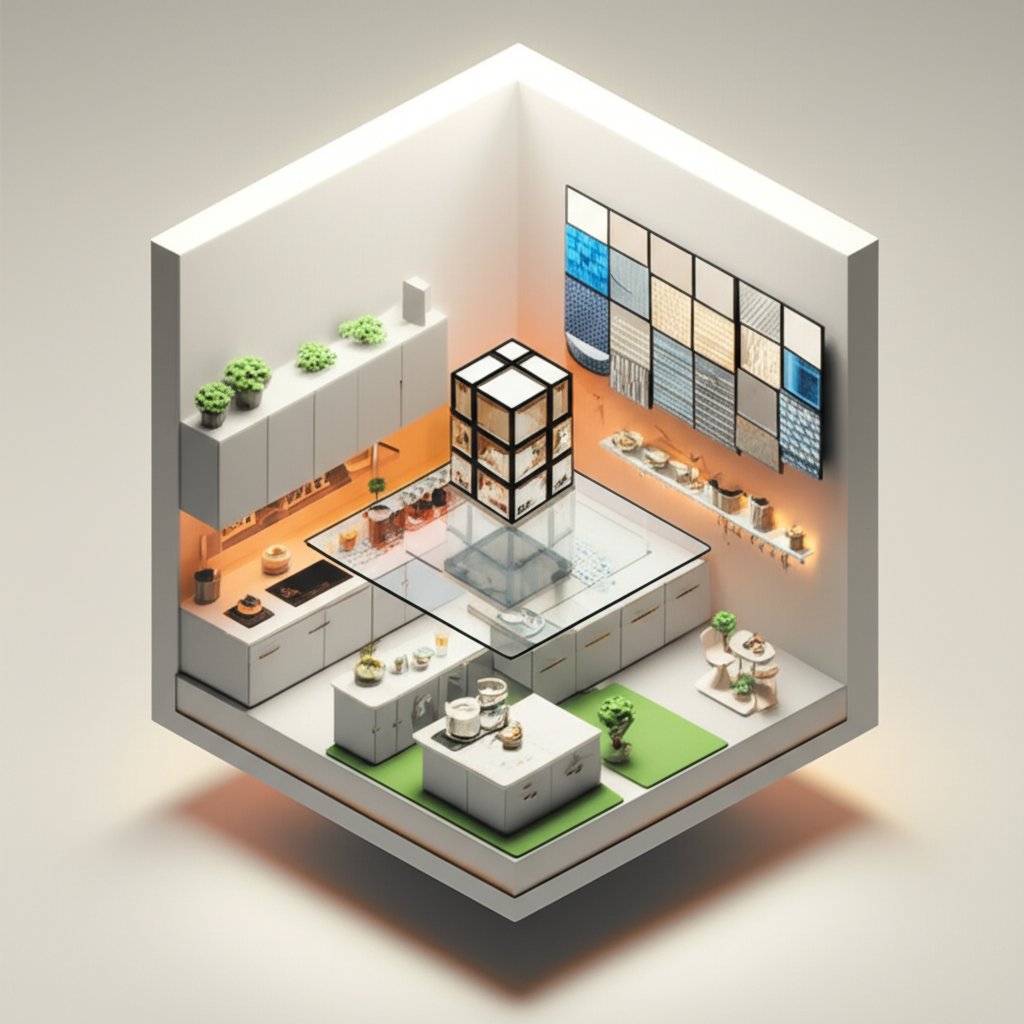
- Glass Tiles (Mosaic, Subway, Geometric): Mosaic tiles provide a vibrant, textured look, perfect for adding personality to your kitchen. Subway tiles offer a classic, timeless aesthetic, while geometric patterns can create a more modern and edgy feel.
- Example: A homeowner in a Denver condo chose a mosaic glass tile backsplash with shades of blue and green to mimic the colors of the nearby mountains.
- Sheet Glass (Clear, Frosted, Colored): Large sheets of glass offer a seamless, minimalist look. Clear glass can be installed over decorative wallpaper or paint for a unique effect, while frosted glass provides a softer, more diffused appearance. Colored glass can add a bold pop of color to your kitchen.
- Textured Glass (3D, Ribbed, Hammered): Textured glass adds depth and visual interest to your backsplash. 3D tiles create a sculptural effect, while ribbed or hammered glass provides a more subtle textural element.
- Mirrored Glass: For smaller kitchens, mirrored glass can create the illusion of more space and reflect light, making the room feel brighter and more open.
- Caution: Excessive mirroring can feel overwhelming; consider using it sparingly as an accent.
- Custom Glass Panels: For a truly unique backsplash, consider commissioning a custom glass panel with a personalized design or artwork. This is a great way to express your individual style and create a focal point in your kitchen.
Measuring for Your Glass Backsplash: Precision is Key
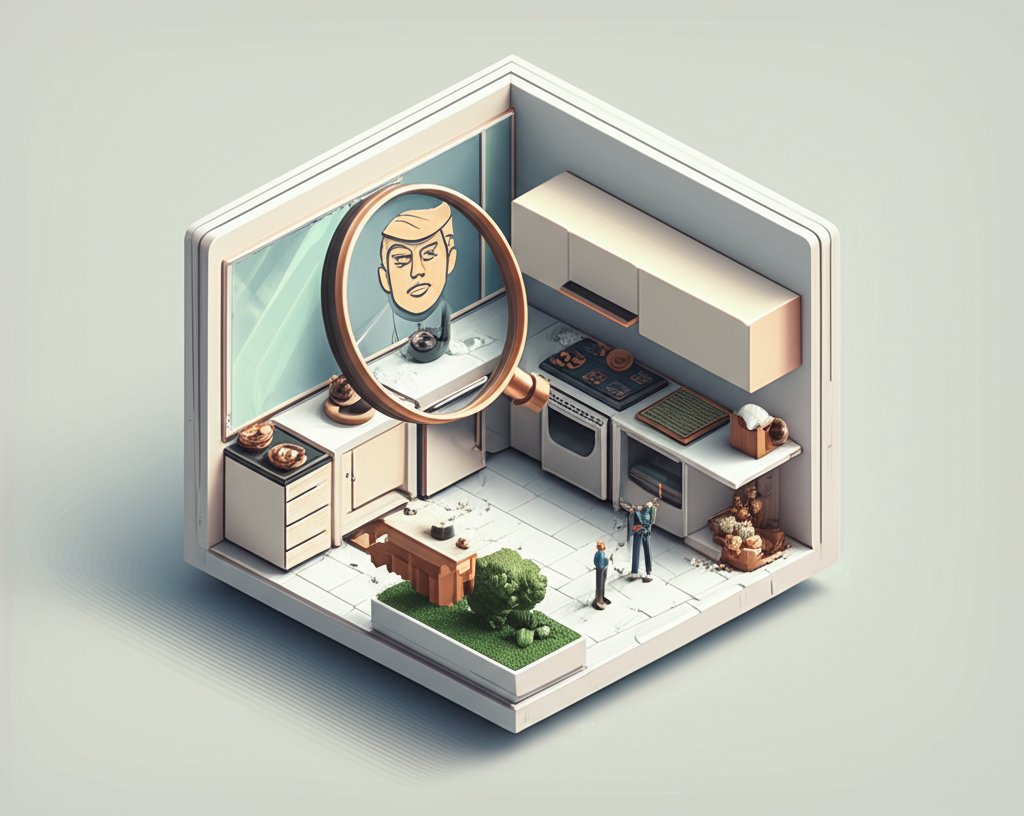
Accurate measurements are crucial for a successful glass backsplash installation. Here’s a step-by-step guide:
- Clear the area: Remove any items from your countertops and walls that may obstruct your measurements.
- Measure the length: Use a measuring tape to determine the length of the area you want to cover with the backsplash. Measure in inches or centimeters for greater precision.
- Measure the height: Measure the height of the area from the countertop to the bottom of your cabinets or range hood.
- Account for obstacles: Note the location of any outlets, switches, or other obstacles that need to be cut around. Take precise measurements of these elements and mark them on a diagram.
- Calculate the square footage: Multiply the length by the height to determine the total square footage of the backsplash area. Add an extra 10-15% for waste and cuts.
- Double-check your measurements: It’s always a good idea to double-check your measurements to ensure accuracy.
Example: Let’s say you’re installing a backsplash behind your stove. The length is 30 inches, and the height is 24 inches.
- Square footage: (30 inches x 24 inches) / 144 (inches per square foot) = 5 square feet
- Waste allowance (10%): 5 square feet x 0.10 = 0.5 square feet
- Total glass needed: 5 square feet + 0.5 square feet = 5.5 square feet
Professional vs. DIY Installation: Choosing the Right Path
Deciding whether to hire a professional installer or tackle the glass backsplash installation yourself depends on your skill level, experience, and budget.
Professional Installation:
- Pros: Saves time and effort, ensures proper installation, reduces the risk of errors, provides warranty coverage.
- Cons: More expensive than DIY installation.
DIY Installation: - Pros: Saves money, allows for greater control over the process.
- Cons: Requires more time and effort, can be challenging for beginners, may void warranties if not done correctly.
Here’s a quick decision guide:
| Skill Level | Experience | Budget | Recommendation |
| :———- | :——— | :———– | :——————— |
| Beginner | None | Limited | Consider simpler tiles |
| Intermediate | Some | Moderate | DIY with caution |
| Expert | Extensive | More Flexible | DIY or Pro |
Pro Tip: If you’re considering DIY installation, start with a small, simple project to gain experience before tackling a larger, more complex backsplash. Watch online tutorials and read installation guides carefully.
Design Ideas to Maximize Light and Visual Appeal
A glass backsplash can significantly enhance the light and visual appeal of your kitchen. Here are some design ideas to consider:
- Reflective Glass: Use mirrored or glossy glass tiles to reflect light and make your kitchen feel brighter and more spacious.
- Under-Cabinet Lighting: Install under-cabinet lighting to highlight the beauty of your glass backsplash and illuminate your workspace.
- Light Colors: Opt for light-colored glass tiles to maximize light reflection and create a more airy feel.
- Contrasting Grout: Use a contrasting grout color to accentuate the shape and pattern of your glass tiles.
- Integrated LED Lighting: Integrate LED strips behind transparent glass panels to create a stunning illuminated backsplash.
Maintaining the Sparkle: Cleaning Your Glass Backsplash
Maintaining a glass backsplash is relatively easy, but regular cleaning is essential to keep it looking its best.
- Daily Wipe-Down: Wipe down your glass backsplash daily with a soft cloth and mild soap and water to remove splatters and spills.
- Glass Cleaner: Use a glass cleaner specifically designed for glass surfaces to remove streaks and smudges.
- Avoid Abrasive Cleaners: Avoid using abrasive cleaners or scouring pads, as they can scratch the glass.
- Grout Cleaning: Clean the grout lines regularly with a grout brush and a grout cleaner to prevent mildew and discoloration.
- Vinegar Solution: For stubborn stains, try a solution of equal parts white vinegar and water. Spray the solution on the affected area and let it sit for a few minutes before wiping it clean.
For more in-depth information on choosing the right materials, consider this Kitchen glass tile guide.
Quick Answers: Common Glass Backsplash Questions
Q: Is a glass backsplash more expensive than tile?
A: It depends. Basic glass tiles can be comparable in price to ceramic or porcelain tiles. However, custom glass panels or high-end glass tiles can be more expensive.
Q: Can I install a glass backsplash over existing tile?
A: Yes, but the existing tile surface needs to be clean, smooth, and structurally sound. It’s often best to remove old tile for optimal results and to avoid adding too much weight to the wall.
Q: What type of adhesive should I use for a glass backsplash?
A: Use a high-quality, non-sanded thin-set mortar specifically designed for glass tiles. Avoid using mastic, as it can react with the glass and cause discoloration.
Q: Can I use a glass backsplash behind my stove?
A: Yes, but make sure the glass is heat-resistant. Tempered glass is a good option for this application. Additionally, follow local guidelines for required clearances between the stove and combustible materials.
Q: Does the color of the wall behind clear glass affect the appearance?
A: Absolutely! The wall color will be visible through clear glass, so choose a color that complements the glass and your overall kitchen design. Alternatively, apply a backing film to the glass for consistent color.
Your Actionable Playbook for a Stunning Glass Backsplash
Ready to transform your kitchen? Here’s a quick start guide:
- Define your style: Browse online resources, magazines, and showrooms to gather inspiration.
- Measure your space: Get accurate measurements, accounting for obstacles.
- Set a budget: Determine how much you’re willing to spend on materials and installation.
- Choose your glass: Select the style, color, and texture of glass that best suits your needs and preferences.
- Decide on installation: Hire a professional or prepare for a DIY project.
- Maintain your backsplash: Implement a regular cleaning routine to keep it sparkling.
A glass backsplash can be a worthwhile investment that instantly elevates the aesthetics and functionality of your kitchen. With careful planning and execution, you can create a stunning space that you’ll enjoy for years to come.

- Glass Backsplash: Ideas For a Stylish Kitchen Update - December 2, 2025
- Glass On Tile: A Stylish Kitchen Backsplash Option - December 1, 2025
- Glass Tiles for Kitchen: Style and Durability Tips - November 30, 2025