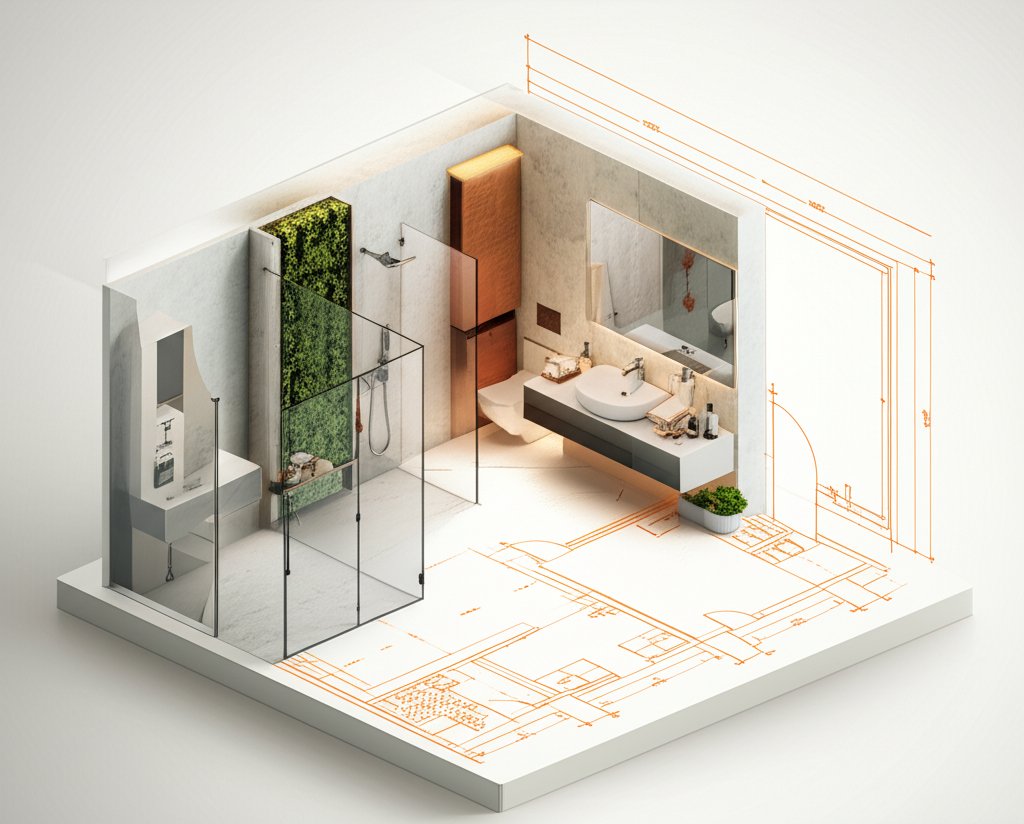
Of all the choices you’ll make in a bathroom remodel, the bathroom finishes are where the dream meets reality. A stunning matte black faucet that peels in six months or a beautiful painted wall that bubbles near the shower isn’t just a design failure; it’s a maintenance nightmare. The secret to a bathroom that looks as good in five years as it does on day one is choosing a finish that can handle the constant assault of steam, water, and cleaning products.
This guide moves beyond just the look, focusing on the performance of the most common bathroom finishes for fixtures, walls, and cabinetry. It’s your playbook for matching the right surface to the right job, ensuring your investment is both beautiful and built to last.
At a glance: What you’ll learn
- The crucial difference between a material and its finish.
- How to choose fixture finishes—from durable chrome to trendy matte black—based on your lifestyle.
- Wall finish options that actively fight moisture and mold, including the best paint sheens.
- The best (and worst) cabinet finishes for humid environments.
- A practical decision guide for mixing and matching finishes with confidence.
- Quick answers to common questions about durability, cleaning, and trends.
Beyond the Base Material: Why the Finish Is Your Bathroom’s First Defense
It’s easy to confuse a material with its finish, but they play two very different roles. The base material—like brass for a faucet or wood for a cabinet—provides the structure and core strength. The finish is the thin, protective, and decorative layer applied over that material.
Think of it like a high-performance raincoat. The person inside is the base material, but the coat is the finish—it’s what takes the beating from the storm, keeps everything inside dry, and provides the style. In the bathroom, that storm is a daily reality of steam, splashes, and temperature swings.
While choosing the core faucet material—be it brass or stainless steel—is a critical first step, the finish is what faces the daily onslaught of water and steam. To get a complete picture of your options, it’s wise to Select Bathroom Materials with both the core and the coating in mind. A great material with a poor finish will fail just as surely as a poor material will.
A Finish for Every Fixture: Matching Durability to Use
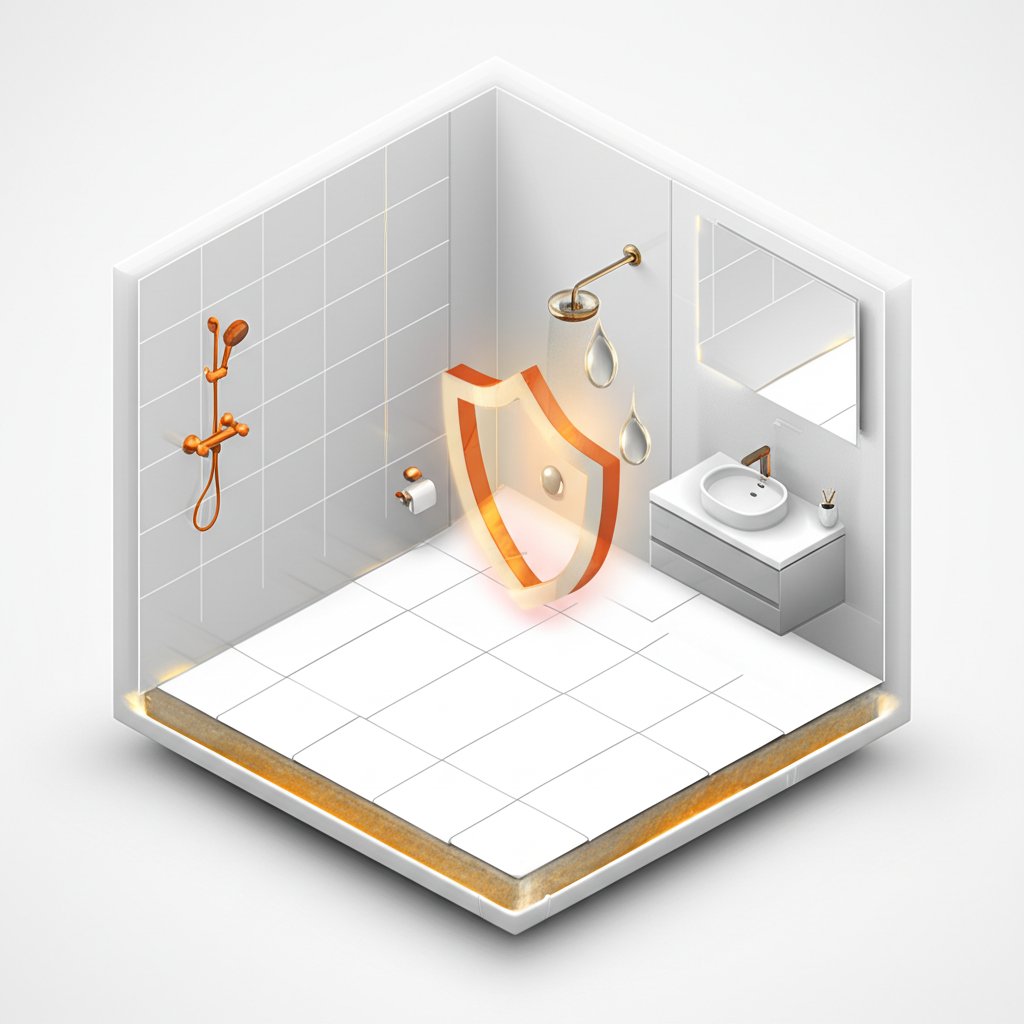
Bathroom fixtures (faucets, showerheads, towel bars) are high-touch items that need to withstand both water and frequent cleaning. The finish you choose here has a massive impact on long-term satisfaction.
Polished Chrome: The Workhorse of Bathroom Finishes
Chrome is not a base metal but a plating applied over another material, usually brass. Its bright, cool, and reflective surface has been a bathroom staple for decades for good reason.
- Pros: Extremely durable, scratch-resistant, non-porous, and one of the easiest finishes to clean and maintain. It’s also typically the most affordable option from any manufacturer.
- Cons: Shows water spots and fingerprints very easily, requiring frequent wiping to look its best.
- Best For: High-traffic bathrooms (kids’ baths, primary bathrooms), budget-conscious remodels, and anyone prioritizing low-maintenance durability over trendy aesthetics.
Brushed Nickel & Stainless Steel: Modern and Forgiving
These finishes offer a softer, warmer look than chrome by creating a textured, less-reflective surface. Brushed nickel is an electroplated finish, while stainless steel fixtures are often chrome-plated steel designed to resist rust.
- Pros: Excellent at hiding water spots and fingerprints, making them a practical choice for busy households. The look is versatile, fitting well in both modern and transitional designs.
- Cons: Can sometimes be slightly more expensive than chrome. May show dark spots if harsh cleaners are used.
- Best For: Primary bathrooms where you want a clean look without constant polishing. They pair well with warmer tones in tile and paint.
Case Snippet: A family with three young children chose brushed nickel for their shared bathroom. The parents found they were wiping down faucets far less often than the polished chrome in their old home, and the finish held up perfectly to the inevitable toothpaste splatters and hurried clean-ups.
Matte Black: The Bold, High-Maintenance Choice
Dramatic and sophisticated, matte black has become a go-to for modern, industrial, and farmhouse-style bathrooms. This finish is typically a powder coating or a PVD finish applied over the base metal.
- Pros: Creates a strong visual statement and pairs beautifully with light-colored tile and natural wood.
- Cons: It’s notoriously difficult to keep clean. Hard water leaves chalky white mineral deposits, and dust is highly visible. It can also be more prone to scratching than chrome or nickel, revealing the metal underneath.
- Best For: Powder rooms or adult-only bathrooms with low traffic and soft water. If you love the look for a primary bath, be prepared for daily wiping.
Brass, Bronze, and Copper: The “Living Finishes”
These warm-toned finishes add a touch of luxury and character. They come in several variations:
- Polished Brass (Lacquered): Coated with a clear lacquer to prevent tarnishing. It requires gentle cleaning to avoid stripping the protective coat.
- Unlacquered Brass: A “living finish” that will darken and develop a unique patina over time. It’s beautiful but requires either embracing the aged look or constant polishing.
- Oil-Rubbed Bronze: A chemically darkened finish that creates a deep brown or near-black look with copper highlights designed to show through with use.
- PVD Finishes: Many modern brass and gold tones use Physical Vapor Deposition (PVD), a high-tech process that bonds the finish to the metal on a molecular level. It’s incredibly tough and resistant to scratching and corrosion.
- Pros: Offer a unique, custom look. PVD versions provide excellent durability.
- Cons: “Living finishes” are not for everyone and can look messy if not intentionally curated. Cheaper lacquered options can peel or chip. Top-tier copper alloys and PVD finishes come at a premium price.
- Best For: High-end designs, historic renovations, and powder rooms where you want to make a statement. For a busy bathroom, always opt for a PVD version of a gold or brass finish.
| Fixture Finish | Durability | Maintenance | Best For… |
| :— | :— | :— | :— |
| Polished Chrome | Very High | Low (shows spots) | High-traffic, budget-friendly |
| Brushed Nickel | High | Very Low | Busy family bathrooms |
| Matte Black | Medium | High | Low-traffic, soft water |
| PVD Brass/Gold | Very High | Low | High-end looks, daily use |
| Unlacquered Brass | Low (patinas) | Very High (if polishing) | Statement powder rooms |
Walls That Work: Finishes That Repel Steam and Prevent Mold
Bathroom walls endure a constant cycle of humidity and condensation. The right finish isn’t just about color; it’s about creating a non-porous surface that moisture can’t penetrate.
The Right Paint Sheen: Your Most Affordable Armor
Paint is the most common and cost-effective wall finish, but the sheen you choose is non-negotiable. Bathroom-specific paints are formulated with mildewcides that actively inhibit mold growth.
- Matte/Flat: Avoid at all costs. It’s porous and acts like a sponge for moisture, leading to stains and mildew.
- Eggshell/Satin: A decent choice for powder rooms or well-ventilated bathrooms, offering some washability. However, it’s not ideal for walls directly adjacent to a shower.
- Semi-Gloss: This is the gold standard for bathroom walls. The higher gloss content creates a hard, reflective surface that is highly resistant to moisture and steam. Water beads up on it and can be easily wiped away. It’s also incredibly easy to clean.
- High-Gloss: Even more durable and water-resistant, but its high shine can highlight every imperfection on the wall. Best used for trim, doors, and cabinetry.
Tile’s Unbeatable Grout-and-Glaze System
Ceramic and porcelain tile are classic choices for a reason. The “finish” is the baked-on glaze on the tile’s surface, which is completely waterproof. The system is only as strong as its weakest link: the grout. Using a high-performance, sealed grout is essential to prevent water from seeping behind the tile.
Modern Alternatives: From Beadboard to Acrylic Panels
- Beadboard: This wainscoting adds classic charm but requires a protective finish. It must be painted with a high-quality semi-gloss or high-gloss paint to seal the wood or MDF from moisture. Pay special attention to caulking the top and bottom edges.
- Vinyl-Coated Wallpaper: Specifically designed for humid environments, this wallpaper has a vinyl surface that water can’t penetrate. It’s a great way to add pattern to a powder room but should be kept away from direct splash zones like the area immediately behind a sink or a shower wall.
- Acrylic Sheeting & Tileboard: These large panels offer a grout-free, seamless look. Their effectiveness depends entirely on a perfect installation. The seams and edges must be impeccably sealed with 100% silicone caulk. Any gap allows moisture behind the panel, leading to catastrophic wall damage.
Cabinet Finishes: The Secret to Longevity in a Humid Room
The bathroom vanity is often the first thing to show wear. Water drips, steam settles, and the wrong finish can cause wood to warp and particleboard to swell. Raw MDF, HDF, and unsealed solid wood are poor choices for bathroom cabinetry.
Laminate and Thermofoil: The Sealed Champions
These finishes provide the best protection for the price.
- Laminate: A durable, plastic-based finish that is highly resistant to water, stains, and heat. It’s applied to a substrate like particleboard. High-quality laminates are available in countless colors and textures, including convincing wood grains.
- Thermofoil: A vinyl film that is heated and vacuum-pressed onto a substrate (usually MDF). This creates a seamless, durable, and non-porous surface that is very easy to clean. Its biggest weakness is heat, which can cause it to peel—a concern more for kitchens than bathrooms.
Painted Finishes: It’s All About the Topcoat
A painted finish can be beautiful, but standard wall paint won’t cut it. Professional cabinet painters use industrial-grade coatings.
- Conversion Varnish: This is the premium choice for painted cabinets. It’s a catalyzed finish that creates an incredibly hard, durable, and chemically resistant shell. It’s significantly more water-resistant than lacquer or standard paint and is the best option for a painted look in a bathroom.
- High-Quality Lacquer or Enamel: If conversion varnish isn’t an option, a high-quality, moisture-resistant alkyd enamel paint is the next best thing. Multiple thin coats are key to creating a durable shell.
Avoid This Mistake: Never install a “raw wood” or “rustic” vanity without sealing it properly. Even if you love the natural look, it needs multiple coats of a marine-grade polyurethane or spar urethane to protect it from the bathroom’s humidity.
Quick Answers to Common Finish Frustrations
Q: Can I mix different bathroom finishes?
A: Absolutely! The key is to be intentional. A good rule of thumb is to stick to two, or at most three, finishes. For a cohesive look, try matching undertones (e.g., warm brushed nickel with warm brass) or create a clear hierarchy (e.g., all faucets and the shower are chrome, while the cabinet pulls and light fixture are matte black).
Q: What does “PVD finish” mean, and do I need it?
A: PVD stands for Physical Vapor Deposition. It’s a modern process that bonds the finish to the base metal on a molecular level, making it vastly more resistant to scratches, tarnishing, and corrosion than traditional electroplating. If you’re choosing a non-chrome finish like brass, gold, or black for a high-use bathroom, a PVD finish is a worthwhile investment in longevity.
Q: How do I clean matte black finishes without ruining them?
A: Avoid all abrasive cleaners, scrub brushes, and harsh chemicals. The best method is a soft microfiber cloth with a simple solution of mild dish soap and water. For hard water spots, a 50/50 solution of water and white vinegar can work, but rinse it off thoroughly immediately after. Always test cleaners in an inconspicuous spot first.
Q: Is unlacquered brass a bad idea for a family bathroom?
A: For most families, yes. Unlacquered brass is a “living finish” that tarnishes and patinas with every touch and splash. While this creates a beautiful, aged look in a low-traffic powder room, it can look perpetually dirty and stained in a busy main bathroom. If you love the look but need durability, opt for a modern PVD brushed brass finish instead.
Your Next Steps to a Lasting Finish
Choosing your bathroom finishes is about balancing three factors: your style, your budget, and the reality of your daily life. A finish that works beautifully in a rarely used guest powder room will likely fail in a steamy, high-traffic primary bath.
Before you finalize any decision, run it through this simple filter:
- Use: Who uses this bathroom, and how often? (e.g., Kids’ bath vs. adult sanctuary)
- Water: Is this surface in a direct splash zone or just a humid area? (e.g., Shower wall vs. vanity)
- Maintenance: How much time are you realistically willing to spend wiping and polishing?
By prioritizing performance alongside aesthetics, you ensure every surface in your new bathroom is a smart investment. The right bathroom finishes won’t just look great on reveal day—they’ll stand up to life, day after day, for years to come.

- Bathroom Finishes That Handle Moisture and Look Great - October 10, 2026
- Bathroom Materials Selection Offers Quality Fixtures for Home Design Projects - October 9, 2026
- Best Cosmetic Storage Containers For a Tidy Vanity - October 8, 2026