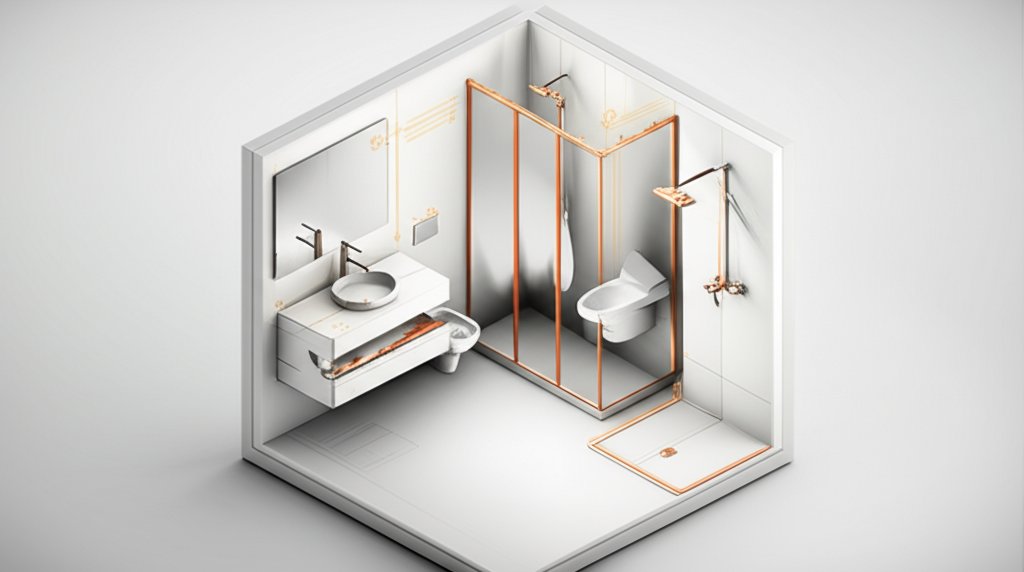
Choosing your bathroom materials can feel like standing at a crossroads with a hundred different paths. One leads to a sleek, minimalist escape, another to a warm, rustic retreat. The decision paralysis is real. But here’s the secret: the right materials don’t just create a look; they build a sanctuary that stands up to steam, splashes, and the daily rush for years to come. This isn’t just about tile and paint; it’s about crafting the foundation of your daily routine.
From the cool, solid feel of a stone countertop to the gleam of a perfectly chosen faucet, every component plays a role in both function and feel. Getting it right means balancing beauty, budget, and brute-force durability.
At a Glance: Your Bathroom Material Cheat Sheet
Before we dive deep, here are the core principles to guide your selections:
- Water is the Enemy: Prioritize materials that are waterproof or highly water-resistant, especially for floors, shower surrounds, and countertops.
- Maintenance Matters: Be honest about how much time you’re willing to spend cleaning. Polished surfaces show water spots, while porous stone requires sealing.
- Budget for Impact: Allocate more of your budget to high-touch, high-impact items like flooring, countertops, and the main shower fixtures.
- Feel is Function: Whenever possible, touch and see materials in person. A showroom visit can reveal how a surface feels, reflects light, and truly looks in a way a website can’t.
- Longevity Over Trends: Classic materials like porcelain tile and quartz countertops offer timeless appeal and add long-term value to your home.
Start from the Ground Up: Choosing Your Bathroom Flooring
Your bathroom floor is the unsung hero of the space. It takes the most abuse—from constant foot traffic to puddles and steam—and sets the visual tone for everything else. Your primary criteria should be water resistance, durability, and slip resistance.
Porcelain & Ceramic Tile: The All-Around Champion
When you think of bathroom floors, you probably picture tile. For good reason. Modern porcelain and ceramic tiles are the industry standard for their near-perfect blend of style and practicality.
- Porcelain: Fired at a higher temperature and made from denser clay, porcelain is the tougher, more water-resistant sibling. It absorbs less than 0.5% of water, making it virtually waterproof and a stellar choice for any wet area, including shower floors.
- Ceramic: Slightly more porous and less dense than porcelain, ceramic tile is still an excellent, budget-friendly option for bathroom floors. Just ensure it has a proper glaze to protect it from moisture.
What to look for: Pay attention to the PEI (Porcelain Enamel Institute) rating, which measures a tile’s hardness and durability. A PEI rating of 3 is good for residential bathrooms, while 4 or 5 is even better for high-traffic areas. For safety, seek out tiles with a high COF (Coefficient of Friction) rating or a textured surface to prevent slips.
Luxury Vinyl Tile/Plank (LVT/LVP): The Convincing Contender
Don’t confuse modern luxury vinyl with the sheet vinyl of the past. Today’s LVT and LVP come in stunningly realistic wood and stone looks. It’s 100% waterproof, warm underfoot, and often more affordable than tile.
Its main advantage is comfort and quietness. Where tile can feel cold and hard, vinyl has a slight give to it. It’s also a fantastic option for renovations over existing floors, as its thin profile often doesn’t require adjusting door heights.
Natural Stone: The Ultimate Luxury
Nothing beats the unique, organic beauty of materials like marble, travertine, or slate. Each tile is one-of-a-kind, bringing an unparalleled sense of luxury to a bathroom. However, this beauty comes with a catch: maintenance.
- Marble: The icon of luxury, but it’s porous and soft. It can stain and etch easily from acidic products (like some cleaners or cosmetics). It requires regular sealing to protect it.
- Travertine: Known for its warm, earthy tones, travertine is also porous and needs to be sealed. Its natural pits and voids should be filled for use in a bathroom.
- Slate: Offers a beautifully textured, naturally slip-resistant surface. It’s more durable than marble but still requires sealing to prevent staining.
The verdict: Natural stone is a high-end choice best suited for those committed to its upkeep.
Dress the Walls: From Shower Surrounds to Backsplashes
Your bathroom walls are a canvas. While most of the room can get by with a quality, moisture-resistant paint, the “wet zones”—like the shower and the wall behind the sink—need a waterproof shield.
Tile, Again: The Versatile Workhorse
The same reasons tile works for floors make it perfect for shower walls. The design possibilities are endless.
- Subway Tile: A timeless, affordable classic. You can lay it in various patterns (herringbone, stacked, running bond) for a custom look.
- Large-Format Tile: Using large tiles (e.g., 24″x48″) means fewer grout lines, which creates a clean, modern look and makes cleaning significantly easier.
- Mosaics and Accent Tiles: Use these in a niche or as a vertical accent stripe to inject personality without breaking the budget.
Solid Surface Panels: The Grout-Free Alternative
If you despise cleaning grout, solid surface panels are your answer. Made from materials like acrylic or engineered composites, these large sheets are installed in showers to create a seamless, waterproof surface. While the initial cost can be higher than basic tile, they are incredibly low-maintenance and offer a sleek, contemporary aesthetic.
The Countertop Decision: Durability Meets Daily Use
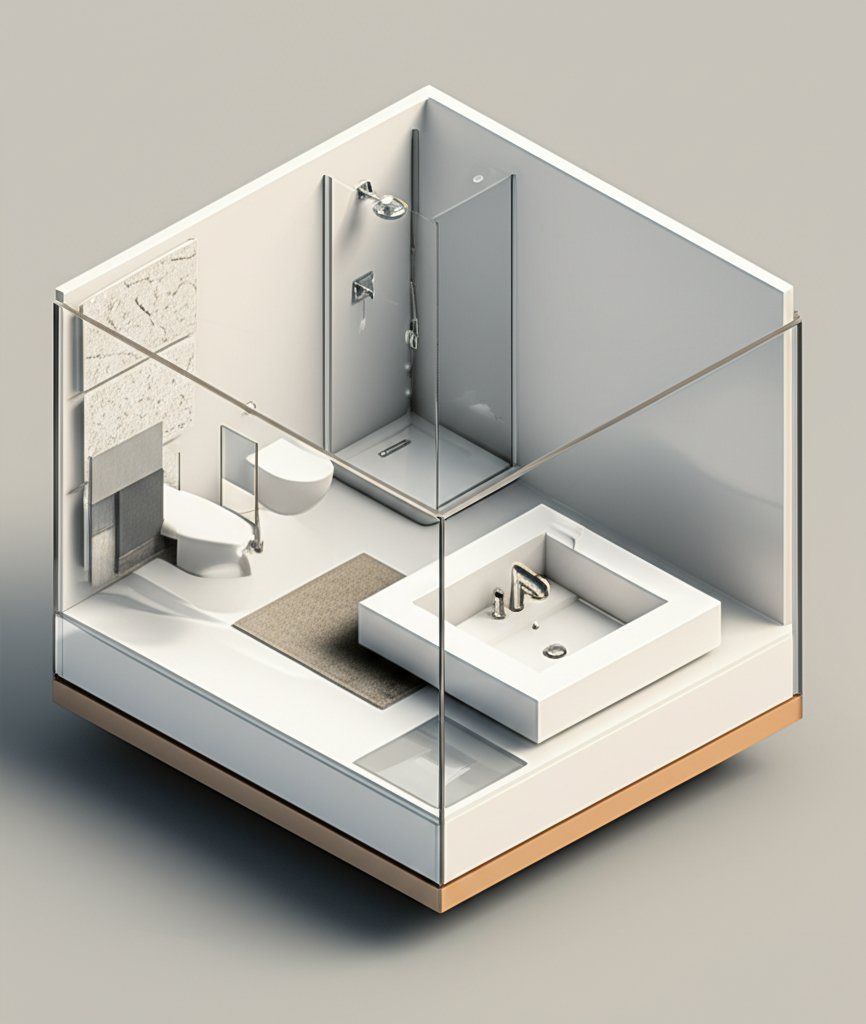
Your vanity countertop is a high-touch surface that needs to resist water, soap, toothpaste, and cosmetics. The right material will look great for decades, while the wrong one can stain and scratch within months.
Quartz: The Reigning King
Engineered quartz is the top choice for most bathroom projects, and for good reason. It’s a non-porous material made from about 90% crushed quartz and 10% resins and pigments.
- Pros: Requires zero sealing, is incredibly durable, and resists stains, scratches, and bacteria. It comes in a vast array of colors and patterns, including many that convincingly mimic marble without the maintenance headache.
- Cons: Can be more expensive than some granites and is not completely heat-proof (though this is less of an issue in a bathroom than a kitchen).
Granite: Natural and Tough
A longtime favorite, granite is a natural stone that offers beautiful, unique patterns. It’s very durable and heat-resistant. Most granite needs to be sealed periodically (typically once a year) to prevent staining, though some darker, denser varieties are naturally stain-resistant.
Marble: Elegant but Demanding
As with floors, a marble countertop is a statement of pure luxury. Its soft, veined appearance is unmatched. However, its porous and soft nature makes it highly susceptible to etching and staining. If you choose marble, be prepared for diligent maintenance and embrace the patina it will develop over time.
Fixtures & Hardware: The Finishing Touches
Faucets, showerheads, and towel bars are the “jewelry” of your bathroom. They are the elements you interact with most, so quality is paramount. Choosing fixtures from reputable brands ensures you’re getting solid brass construction and durable components that won’t fail you.
Visiting a showroom is incredibly helpful here. As the experts at Tubz in Fremont, CA, would tell you, holding a faucet gives you a sense of its quality in a way a picture can’t. You can feel the weight and smoothness of the handle’s operation.
The material of your fixture is only half the story; you also need to choose a coating. To get a better sense of how these look and feel, you can Explore bathroom finishes like brushed nickel, matte black, and polished chrome in person. Each has a different impact on the room’s style and maintenance needs.
- Polished Chrome: Classic, durable, and easy to match, but shows fingerprints and water spots.
- Brushed Nickel/Satin Nickel: A softer, warmer look that hides water spots well. Very popular and versatile.
- Matte Black: A bold, modern choice that makes a statement. It can show dust and hard water minerals if not wiped down.
- Brass/Gold Tones: Can range from traditional polished brass to modern brushed gold. Adds warmth and luxury.
Common Questions About Bathroom Materials
Navigating the world of materials often brings up a few key questions. Here are some quick, straightforward answers.
What is the most durable and lowest-maintenance bathroom material?
For a nearly indestructible and easy-to-clean bathroom, the winning combination is a porcelain tile floor, a quartz countertop, and a solid surface or large-format tile shower surround. These materials require no sealing, resist stains and scratches, and can be cleaned with simple, non-abrasive products.
Is it a bad idea to use real wood in a bathroom?
Generally, solid hardwood flooring is not recommended for full bathrooms due to its susceptibility to water damage and warping. However, you can bring the warmth of wood in through other avenues:
- Engineered Hardwood: Designed with a more stable core, some engineered hardwoods are rated for damp environments (but not soaking wet ones).
- Wood-Look Porcelain Tile: Get the look of wood with the waterproof durability of porcelain. The resemblance is often uncanny.
- Vanities: A solid wood or wood-veneer vanity is a fantastic choice, as it’s elevated off the floor and less likely to encounter standing water.
How do I choose a toilet and bathtub material?
Most toilets are made of vitreous china (a type of ceramic with a durable glaze), and for good reason: it’s non-porous, easy to clean, and extremely long-lasting.
For bathtubs, your main choices are:
- Acrylic: Lightweight, affordable, and warm to the touch. The color is solid throughout, so minor scratches can be buffed out. This is the most popular choice today.
- Cast Iron: Extremely durable and heavy, with an enamel coating. It retains heat exceptionally well but is very expensive and requires a reinforced floor.
- Fiberglass: The most budget-friendly option, but also the least durable. It’s prone to scratching and fading over time.
Bringing Your Vision to Life
Choosing the right bathroom materials is a journey of balancing your aesthetic dreams with practical realities. Start by identifying your priorities: Is low maintenance your top concern, or are you chasing a specific luxury look? What is your budget, and where are you willing to invest for the biggest impact?
Create a mood board, gather samples, and don’t be afraid to mix textures and tones. Most importantly, see the materials in person. A trip to a local showroom can provide invaluable clarity. Knowledgeable specialists can guide you toward quality brands and help you coordinate every sink, faucet, and tub to create a cohesive, functional, and beautiful space that you’ll love for years to come.

- Bathroom Materials Selection Offers Quality Fixtures for Home Design Projects - October 9, 2026
- Best Cosmetic Storage Containers For a Tidy Vanity - October 8, 2026
- Best Makeup Storage Boxes to Keep Your Vanity Spotless - October 7, 2026