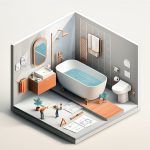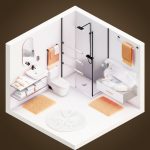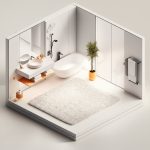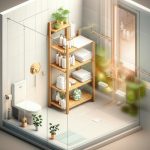
There’s a unique satisfaction in flipping through a high-quality kitchen and bath magazine, seeing a perfectly lit photo of a soapstone-clad kitchen, and thinking, “That’s it. That’s the one.” These publications are more than just collections of pretty pictures; they are curated guides packed with insights from top-tier designers, architects, and product innovators. They are the first step in turning a vague desire for “something better” into a tangible, beautiful, and functional reality.
But the real skill lies in translating that glossy-page inspiration into a workable plan for your own home and budget. It’s about learning to see past the perfect styling to the core principles that make a design truly successful.
At a Glance: Your Key Takeaways
- Learn how to “read” a design feature like a professional, focusing on layout, materials, and lighting.
- Discover a practical framework for translating magazine inspiration into a real-world project plan.
- Understand how to achieve a high-end look by strategically splurging and saving on key elements.
- Get expert tips for creating a design dossier that clearly communicates your vision to a contractor or designer.
- Identify timeless design trends with staying power versus fleeting fads you might later regret.
Deconstructing the Perfect Shot: What Pros Look For
When a designer pores over a kitchen and bath magazine, they’re not just admiring the view. They’re dissecting it, reverse-engineering the decisions that led to the final, flawless image. By adopting this same mindset, you can extract far more value from every page you turn.
The “Why” Behind the “Wow”: Analyzing Layout and Flow
That stunning 12-foot island is breathtaking, but why does it work in that specific kitchen? Look beyond the surface. Is it creating an efficient “work triangle” between the sink, stove, and refrigerator? Does it provide clear, unobstructed pathways for foot traffic?
Publications like Kitchen & Bath Design News often highlight function as the foundation of form. For instance, a featured bathroom might showcase a “wet room” concept, where the shower and tub are combined in one tiled, waterproof area. The aesthetic is clean and modern, but the functional benefit is a space that feels larger and is easier to clean. When you see a layout you love, sketch it out and ask:
- How does traffic move through this space?
- Where are the primary work zones located?
- How does the layout support the homeowners’ daily routines?
Material Matchmaking: Identifying Textures and Finishes
Magazines are a masterclass in material harmony. They show you how to layer textures—the smoothness of polished nickel against the subtle roughness of a honed marble countertop, or the warmth of walnut cabinetry paired with cool, sleek porcelain floor tiles.
Pay close attention to the product callouts. A feature might specify “Calacatta Viola marble” for a backsplash. A quick search reveals its dramatic purple and burgundy veining, but also its premium price and need for regular sealing. This information is crucial. As noted in Home & Design, a recent renovation of a 1997 home moved away from an “overdone” aesthetic to something more refined. The homeowners and their designer achieved this not just through layout, but through a carefully selected palette of materials that felt both timeless and personal. Understanding these choices is the key to replicating the feeling of a room, even if you can’t use the exact materials.
The Power of Light: Natural and Artificial Illumination
No room featured in a top kitchen and bath magazine is poorly lit. Lighting is the secret ingredient that makes materials pop, enhances functionality, and sets the mood. Look for layered lighting strategies:
- Ambient Lighting: The overall illumination from recessed cans, chandeliers, or pendants.
- Task Lighting: Focused light for specific jobs, like under-cabinet LEDs for chopping vegetables or sconces flanking a vanity mirror.
- Accent Lighting: Subtle lights that highlight architectural features, like a spotlight on a beautiful tile niche in the shower.
As one industry report in Kitchen & Bath Design highlights, lighted medicine cabinets are a perfect example of form meeting function. They provide “much-needed lighting to users’ bath routines” while maintaining a sleek, integrated look. This is the kind of smart, multi-purpose solution you can discover by analyzing magazine features.
Bridging the Gap Between Your Dream and Your Budget

It’s easy to fall in love with a six-figure kitchen or a spa-like bathroom that costs more than a new car. The challenge is to capture the essence of that design within your own financial reality. This is where a kitchen and bath magazine transforms from a dream book into a practical tool. Translating a high-end look into a workable plan is a critical step. For a comprehensive overview of planning and budgeting, our guide to Bathroom Remodel Ideas & Upgrades provides an excellent framework.
The “Get the Look for Less” Strategy
For almost every ultra-premium material, there is a stunningly effective and more affordable alternative. Your job is to identify what you love about the original—the color, the pattern, the texture—and find an option that delivers that specific quality.
| Magazine Feature | Smart Alternative | Key Difference |
|---|---|---|
| Calacatta Gold Marble Countertop | Quartz with similar gold/grey veining | Quartz is non-porous, stain-resistant, and requires no sealing. |
| Custom Rift-Sawn White Oak Vanity | Stock vanity with custom hardware/paint | Less control over exact grain/size, but significantly faster and cheaper. |
| Handmade Zellige Tile Backsplash | Glazed ceramic or porcelain tile | Zellige has unique handmade variations; ceramic offers a more uniform look. |
| Unlacquered Brass Faucet | “Living Finish” or PVD Brass Faucet | Unlacquered brass patinas naturally; PVD finishes are highly durable and stable. |
The “Splurge and Save” Method
Not all elements in a room are created equal. The “splurge and save” approach involves investing in the high-touch, high-impact items you interact with daily and saving on the supporting elements.
- Splurge: Your kitchen faucet, primary sink, cabinet hardware, and countertop. These are the workhorses of the room. Quality here translates to durability and a better user experience.
- Save: Backsplash tile (classic subway tile is timeless and inexpensive), decorative lighting (many beautiful options exist at lower price points), and paint.
By allocating your budget strategically, you can get that magazine-worthy feel without needing a magazine-worthy budget.
Creating Your Personal Design Dossier

The most effective way to use a kitchen and bath magazine is to build a “design dossier”—a curated collection of ideas that forms the visual language for your project. This is your personal brief, ensuring you, your partner, and your designer are all speaking the same language.
Step 1: Curate Your Vision with Precision
Don’t just tear out every page you like. Be specific. On each image, circle the one or two elements that truly resonate. Is it the waterfall edge on the island? The specific shade of navy blue on the cabinets? The clever storage solution in the vanity drawer?
Step 2: Annotate Everything
Your notes are as important as the pictures. Write directly on the page or use sticky notes.
- “Love the floating vanity for an airy feel, but we need more storage. Maybe two drawers instead of one?”
- “This shower tile is perfect. What is it? Feels calm and organic.”
- “The mix of brass hardware and black lighting is interesting. Would this work in our space?”
Step 3: Organize by Room and Feature
Don’t keep a chaotic pile. Create digital folders (on Pinterest or in a cloud drive) or physical file folders organized by category:
- Kitchen Cabinet Styles & Colors
- Kitchen Island Ideas
- Master Bath Vanities
- Shower & Tub Configurations
- Tile & Flooring
Case Snippet: A Vision in Focus
A couple planning a primary bath remodel felt overwhelmed. They had dozens of saved images but no clear direction. Their designer had them go through their dossier and choose only three images that represented the core feeling they wanted. They landed on a photo with a warm wood vanity, another with a serene green shower tile, and a third with minimalist black fixtures. Instantly, the project had a clear material palette and aesthetic goal. That focused dossier saved weeks of indecision and costly changes down the line.
Your Kitchen & Bath Magazine FAQ
Even with a plan, it’s easy to have lingering questions about turning these published projects into your personal reality.
Q: Are the rooms featured in these magazines realistic for a normal home?
A: Yes and no. The principles are always realistic: smart layouts, layered lighting, and quality materials. The scale and budget might be aspirational, but the ideas can be adapted. A magazine might show a 300-square-foot bathroom, but you can apply its concept of a floating vanity and wall-mounted faucet to make your 80-square-foot bathroom feel more spacious.
Q: How do I find the specific products I see in a magazine?
A: Most reputable publications have a “Sources,” “Resources,” or “Get the Look” section in the back of the print issue or linked in the online article. This is your best starting point. If a product isn’t listed, use Google Lens or a descriptive search (e.g., “fluted glass and brass pendant light”) to find similar options.
Q: Should I follow every piece of advice in a kitchen and bath magazine?
A: Treat it as a source of inspiration and education, not a set of rigid rules. Your home must function for your family and lifestyle. A magazine might showcase a pristine, all-white kitchen, but if you have young children and a love for red wine, you might opt for more forgiving quartz countertops and a darker cabinet color on the island.
Q: Are digital magazines and blogs as good as print for inspiration?
A: Both are excellent tools with different strengths. Print offers a curated, tactile experience that can feel less overwhelming. Digital platforms provide powerful searchability, instant links to products, and the ability to save thousands of images to organized boards. A hybrid approach often works best.
Turn Inspiration into Your Reality
A kitchen and bath magazine is more than just a diversion; it’s a powerful tool for planning and communication. It empowers you to identify what you truly want, find creative solutions, and articulate your vision with clarity and confidence. The next time you pick one up, you’ll be reading it not just as a dreamer, but as a doer.
Ready to take the first step? Here’s how to start tonight:
- Grab a Magazine: Pick up a recent issue of a publication known for quality design.
- Start Your Dossier: Find 3-5 images that make you pause. Don’t overthink it.
- Identify the “Why”: For each image, write down the one specific element you love—the cabinet color, the faucet style, the tile pattern.
- Think Scale: Ask yourself, “How can I apply this idea to my space and budget?”
This simple exercise is the bridge between idle inspiration and intentional action. It’s the first, most important step in creating a home that isn’t just beautiful on the page, but is beautifully and functionally yours.

- Kitchen and Bath Magazine Features Stunning Design and Renovation Ideas - October 1, 2026
- Bath Remodel Magazine for Inspiring Ideas and Smart Bathroom Upgrades - September 30, 2026
- Essential Bathroom Rugs and Towels for Comfort and Style - September 29, 2026