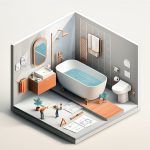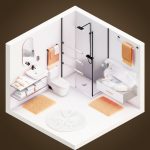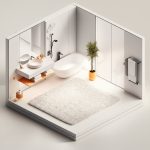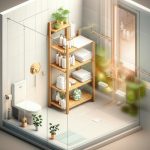
That feeling is unmistakable. You’re flipping through a gorgeous bath remodel magazine, and you stop on a page showing a serene, spa-like oasis. The walk-in shower has seamless glass, the freestanding tub is a work of art, and the vanity lighting makes everything glow. Suddenly, your own dated, cramped bathroom comes to mind, and a single thought takes hold: I want that.
That spark of inspiration is the perfect place to start. But turning a glossy photo into a functional, beautiful reality involves more than just picking pretty tile. It requires a smart plan, a realistic budget, and a clear understanding of your options. This guide is your bridge from inspiration to installation, helping you navigate every decision with the confidence of a seasoned pro.
At a Glance: Your Bathroom Remodel Roadmap
- Find Your Vision: Learn how to use magazines and online galleries to define your style and create a functional mood board.
- Plan Like a Pro: We’ll break down how to set a realistic budget, understand layout constraints, and create a project timeline that works.
- Choose Materials Wisely: Get an expert-backed look at vanities, countertops, tile, tubs, and the all-important lighting that pulls it all together.
- Assemble Your Team: Understand the pros and cons of going the DIY route versus hiring a contractor or designer.
- Avoid Common Pitfalls: Sidestep the mistakes that can derail a project, waste money, and cause unnecessary stress.
Why Remodeling a Bathroom Can Feel So Overwhelming
A bathroom is a small space with big complexity. Unlike a bedroom makeover, a bathroom renovation involves plumbing, electrical work, waterproofing, and a host of durable, moisture-resistant materials. It’s a high-stakes project where mistakes can be costly and disruptive.
Most homeowners get stuck in one of two places:
- Inspiration Overload: You’ve saved hundreds of photos on Pinterest and bookmarked dozens of articles. You love the modern farmhouse vanity, the mid-century modern tile, and the minimalist Japanese soaking tub. But how do they all fit together? The sheer volume of ideas can be paralyzing.
- Logistical Paralysis: The moment you start thinking about the details—finding a contractor, setting a budget, sourcing materials, pulling permits—the project feels impossibly large. It’s easier to just live with the leaky faucet and cracked floor tile.
The key is to approach your remodel methodically. Start with the dream, then systematically ground it in reality. That’s where quality resources come in.
The Modern Bath Remodel Magazine: More Than Just Pretty Pictures
The best design resources, whether in print or online, do more than just show you finished rooms. They are curated guides designed to educate and empower you. As outlets like Better Homes & Gardens show, you can browse hundreds of photos for inspiration, but the real value lies in the expert advice that accompanies them.
A great resource acts as your initial design consultant, helping you understand:
- Current Trends vs. Timeless Style: See what’s new in faucet finishes, tile shapes, and vanity design, but also learn which classic looks will stand the test of time.
- Product Innovations: Discover new materials, water-saving fixtures, and smart-home technology you might not have known existed.
- Layout Solutions: See how designers solve common problems, like adding storage to a tiny powder room or creating a functional layout in an awkwardly shaped master bath.
- Real-World Case Studies: Read before-and-after stories that detail the budget, timeline, and challenges of a real project, offering invaluable and realistic insights.
Think of these magazines and websites as your project’s first draft—a place to gather ideas, learn the vocabulary, and start forming a clear vision.
Decoding the Inspiration: Turning Magazine Pages into a Real Plan
You’ve found a photo you love. Now what? The next step is to deconstruct that image to understand why you love it and translate those elements into a concrete plan for your own space.
Step 1: Create a Focused Mood Board
Instead of a sprawling collection of everything you like, create a tight, curated mood board. Your goal isn’t to replicate a photo exactly, but to capture a feeling and a color palette. For each image you save, make a quick note about what specifically draws you to it.
- Is it the warm, earthy tones of the tile?
- Is it the clean, simple lines of the floating vanity?
- Is it the clever storage niche in the shower?
- Is it the mix of textures, like a smooth countertop and a rough-hewn wood stool?
This exercise forces you to move beyond a vague “I like this” to a specific list of features and finishes. It becomes your design compass, guiding every subsequent decision.
Step 2: Define Your Core Style
Once you have your mood board, a clear style will likely emerge. Is it…
- Modern: Clean lines, simple color palettes, geometric shapes, and minimal ornamentation.
- Farmhouse: Shiplap, rustic wood, apron-front sinks, and vintage-inspired fixtures.
- Traditional: Ornate details, classic color schemes, and elegant materials like marble and polished nickel.
- Transitional: A balanced blend of modern and traditional, offering a timeless and flexible look.
Giving your style a name makes it easier to communicate your vision to a designer, a contractor, or even the associate at the tile store.
Step 3: Prioritize Your “Must-Haves” vs. “Nice-to-Haves”
This is where the budget rubber meets the road. Go back to your inspiration and list everything you want. Then, sort that list into two columns.
| Must-Haves (Non-Negotiable) | Nice-to-Haves (If Budget Allows) |
|---|---|
| Double vanity for two users | Heated floors |
| Walk-in shower with a bench | Freestanding soaking tub |
| Better overhead lighting | Smart mirror with anti-fog |
| More closed storage | High-end designer faucet |
| This simple list is one of the most powerful planning tools you can create. It clarifies your priorities and gives you a clear framework for making tough budget decisions later. |
Material Matters: A Guide to Choosing Finishes and Fixtures
This is the fun part for many—selecting the elements that bring your bathroom to life. Your choices here impact not just the look but also the daily function and long-term durability of your space. While consumer magazines provide a great starting point, trade publications offer a deeper dive into materials and innovations. For a look at what the pros are reading, you can Discover Kitchen & Bath Magazine and see the latest trends from an industry perspective.
Vanities and Sinks: The Functional Centerpiece
As Kitchen & Bath Design News points out, the vanity and sink are often the “statement and storage heavyweights of the bath.” They set the tone for the entire room.
- Vanity Types: Choose from freestanding (looks like furniture), floating (wall-mounted, creates an airy feel), or a traditional built-in cabinet. Consider your storage needs—do you prefer open shelving, drawers, or closed cabinets?
- Countertop Materials:
- Quartz: Extremely durable, non-porous, and available in a vast array of colors and patterns. Low maintenance.
- Granite: A natural stone that offers unique beauty but requires periodic sealing to resist stains.
- Marble: The classic luxury choice, but it’s a softer, more porous stone prone to etching and staining. Best for those who appreciate its natural patina.
- Solid Surface: Materials like Corian offer a seamless look and can be repaired if scratched.
- Sink Styles: Undermount sinks provide a clean, seamless look, while vessel sinks sit atop the counter like a bowl, making a bold design statement.
Tile and Flooring: The Foundation of Your Design
Tile is your chance to add color, pattern, and texture.
- Porcelain vs. Ceramic: Porcelain is denser and less porous, making it an excellent, durable choice for high-moisture areas like shower walls and bathroom floors. Ceramic is often more budget-friendly and comes in a wide variety of decorative styles, perfect for backsplashes.
- Natural Stone: Travertine, slate, and marble offer unparalleled natural beauty but come with higher price tags and maintenance requirements (sealing is a must).
- Grout Matters: Don’t treat grout as an afterthought. A contrasting grout color can make simple tile pop, while a matching color creates a more monolithic, seamless look. Consider using a high-performance epoxy grout in showers for superior stain and mildew resistance.
Bathtubs and Showers: Defining Your Routine
The tub vs. shower debate is central to any bathroom layout.
- Freestanding Tubs: These sculptural tubs are major focal points but often require more floor space and can be trickier to clean around.
- Alcove Tubs: The standard tub/shower combo is a space-saving workhorse, perfect for family bathrooms.
- Walk-in Showers: Increasingly popular, especially in primary suites. Consider adding features like a built-in bench, a storage niche, and multiple showerheads (like a rain head and a handheld wand) for a spa-like experience. A curbless entry is a fantastic universal design feature that improves accessibility and aesthetics.
Lighting: The Unsung Hero of Bathroom Design
Poor lighting can ruin even the most beautifully designed bathroom. As experts note, mirrors and medicine cabinets are more than capable of bringing “much-needed lighting to users’ bath routines.” A layered lighting plan is essential.
- Ambient Lighting: This is your general, overall illumination, usually from a central ceiling fixture or recessed cans. Put it on a dimmer for mood control.
- Task Lighting: This is bright, focused light where you need it most—at the vanity. The best setup is a pair of sconces mounted on either side of the mirror at eye level to eliminate shadows on your face.
- Accent Lighting: This is the “jewelry” of your lighting plan. Think of a small spotlight on a piece of art or a waterproof LED strip inside a shower niche.
- Decorative Lighting: A beautiful chandelier or pendant light can serve as a stunning focal point, blending form and function.
Frequently Asked Questions About Bathroom Remodeling
Got a nagging question? You’re not alone. Here are crisp answers to some of the most common queries.
How much does a bathroom remodel cost?
This varies wildly by location, scope, and material quality. A simple cosmetic update (paint, new faucet, lighting) might cost a few thousand dollars. A mid-range remodel with a new vanity, toilet, and tile can range from $10,000 to $25,000. A high-end, full gut renovation with layout changes and luxury materials can easily exceed $30,000+.
What bathroom remodel has the best return on investment (ROI)?
According to most industry reports, a mid-range bathroom remodel consistently offers one of the best ROIs of any home improvement project, often recouping 60-70% of its cost at resale. Universal design features, like a curbless shower, are also highly valued by future buyers.
How long does a bathroom remodel take?
Don’t trust the 3-day makeover shows. For a full remodel involving a contractor, plan for at least 3 to 5 weeks from demolition to completion. This accounts for potential delays in material delivery, inspections, and the simple reality that tradespeople (plumbers, electricians, tilers) need to be scheduled sequentially.
Do I need a permit for my bathroom remodel?
It depends on your location and the scope of work. Generally, if you are moving plumbing, changing electrical wiring, or altering the structure of the room, you will need a permit. Simple cosmetic updates usually do not. Always check with your local building department first.
Your Next Steps to a Beautiful Bathroom
Moving from inspiration to action is the most crucial step. The pages of a bath remodel magazine are filled with potential, but it’s your decisions that will bring that vision to life in your home.
Start small. Don’t try to plan the entire project in one weekend. Your first goal is simply to define your vision and set a preliminary budget.
- Start Your Mood Board: Spend an hour this week gathering 5-10 images that truly represent the look and feel you want. Make notes on each one.
- Measure Your Space: Create a simple sketch of your current bathroom layout with accurate measurements. This will be invaluable when you start looking at vanities and tubs.
- Create Your Priority List: Use the “Must-Have” vs. “Nice-to-Have” framework to get clear on what matters most to you.
A bathroom remodel is a journey. It takes planning, patience, and a healthy dose of inspiration. By following a structured process, you can navigate the complexities with confidence and create a space that not only looks beautiful but also enhances your daily life for years to come.

- Bath Remodel Magazine for Inspiring Ideas and Smart Bathroom Upgrades - September 30, 2026
- Essential Bathroom Rugs and Towels for Comfort and Style - September 29, 2026
- The Towel Bath Mat You Need for Your Bathroom - September 28, 2026