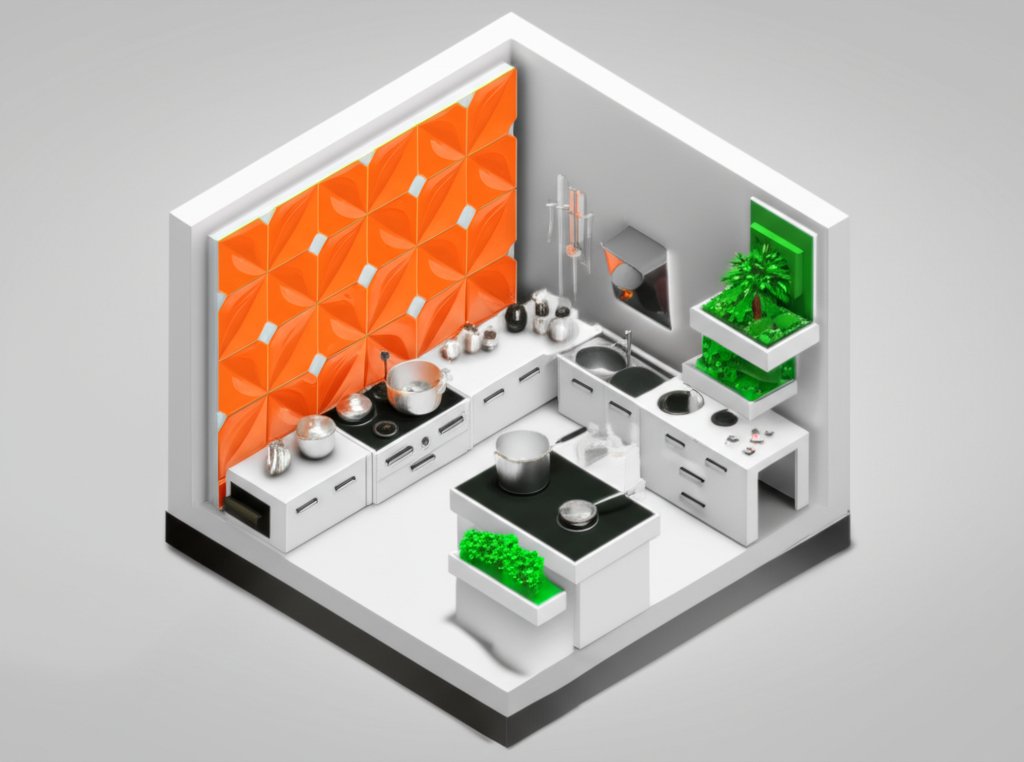
That moment when tomato sauce splatters across the wall behind your stove? Not ideal. A well-chosen and properly installed backsplash eliminates that stress, protecting your walls and adding a stylish focal point to your kitchen. Let’s explore some top-tier stovetop backsplash ideas to elevate your cooking space.
At a glance:
- Protection: A backsplash shields your walls from splatters, grease, and heat.
- Style: It’s an opportunity to add texture, color, and visual interest to your kitchen.
- Material Choice: Consider heat resistance, ease of cleaning, and your kitchen’s overall design.
- Installation: Proper installation and maintenance are crucial for longevity.
- Cost: Backsplash costs vary widely depending on materials and complexity.
Why You Absolutely Need a Stovetop Backsplash
Beyond aesthetics, a backsplash is a functional necessity. Think of it as a shield protecting your walls from the everyday hazards of cooking: splatters, grease, moisture, and heat. Without one, you’ll be constantly battling stains and potential damage. A backsplash also neatly closes the gap between the cooktop and the wall, stopping liquids from seeping into unreachable places.
Key Considerations When Choosing a Stovetop Backsplash
Before diving into specific designs, consider these key factors which can help inform your decision.
- Heat Resistance: Your stovetop backsplash needs to withstand high temperatures without warping, cracking, or discoloring.
- Ease of Cleaning: Opt for materials that are easy to wipe down and resistant to stains. Cooking spatters happen!
- Kitchen Style: Your backsplash should complement the overall aesthetic of your kitchen. A modern kitchen calls for different materials than a farmhouse kitchen.
- Budget: Backsplash materials and installation costs vary widely. Set a budget before you start shopping.
- Maintenance: Some materials require more maintenance than others. Consider how much time you want to spend cleaning and sealing.
Backsplash Material Options: Pros and Cons
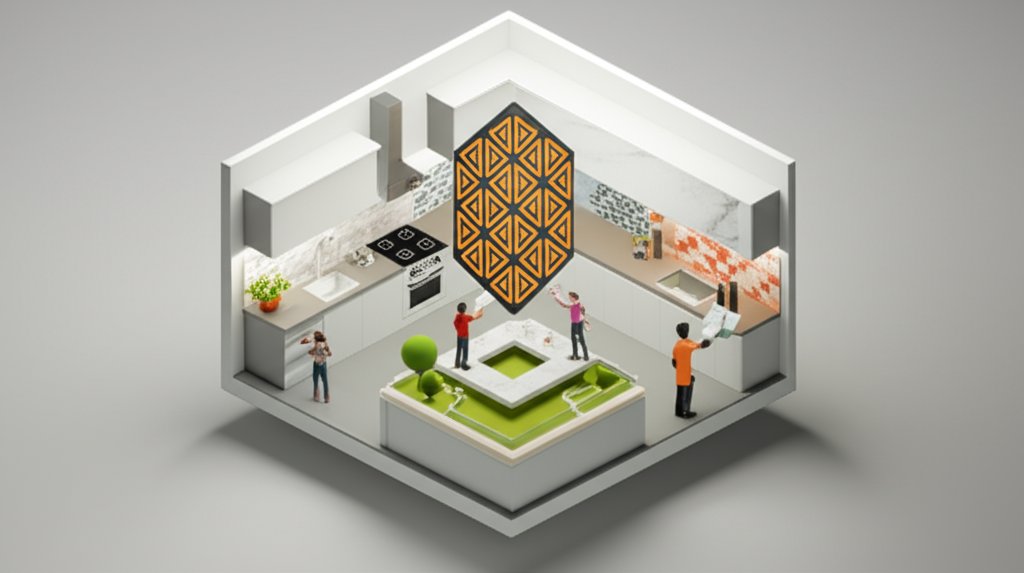
Let’s walk through some popular materials which can help you choose the right backsplash for your cooking space.
Tile: The Timeless Choice
Tile is a classic option for a reason. It’s durable, relatively easy to clean, and comes in a vast array of styles, colors, and sizes. Ceramic and porcelain tiles are both excellent choices.
- Pros: Wide variety, durable, relatively inexpensive, easy to clean.
- Cons: Grout lines can be challenging to keep clean as Mark Williams and Niki Papadopoulos of point out.
Subway Tile: A perennial favorite, subway tile offers a clean, classic look. Consider using a contrasting grout color for a modern twist. White subway tile, paired with dark grout lines, gives your kitchen a fresh, modern feel.
Square Tile: Square tile offers an enduring style. Small-format tiles are perfect for crafting intricate patterns within your backsplash.
Mosaic Tile: Mosaic tiles allow for intricate patterns and designs. Marble or slate mosaic can add a touch of luxury or rustic charm.
Stainless Steel: Sleek and Modern
Stainless steel is a popular choice for modern kitchens, especially those with stainless steel appliances. Stove backsplash design inspiration often revolves around the clean lines of stainless steel.
- Pros: Durable, easy to clean, heat resistant, sleek appearance.
- Cons: Can show fingerprints and scratches.
Natural Stone: Luxury and Elegance
Marble, granite, and slate offer a touch of luxury and sophistication. Keep in mind that natural stone often requires sealing to protect it from stains. Installing a marble backsplash can elevate your kitchen design.
- Pros: Beautiful, durable, adds value to your home.
- Cons: Can be expensive, requires sealing, porous.
Glass Tile: Light and Bright
Glass tile is a versatile option that reflects light and brightens up your kitchen. It’s also easy to clean.
- Pros: Reflective, easy to clean, available in various colors and styles.
- Cons: Can be more expensive than ceramic tile, can show water spots.
Solid Surface: Seamless and Low-Maintenance
Solid surface materials, like those used for countertops, offer a seamless and low-maintenance backsplash option.
- Pros: Seamless, easy to clean, non-porous.
- Cons: Can be expensive, limited design options.
Tempered Glass: Modern and Heat-Resistant
Tempered glass is heat-resistant and easy to clean, making it a practical choice for behind the stove.
- Pros: Heat-resistant, easy to clean, modern look.
- Cons: Can be expensive, limited design options.
Design Ideas to Spice Up Your Kitchen
Beyond materials, consider the design and layout of your stovetop backsplash.
Extending the Backsplash
Typically, the backsplash should extend to cover the entire cooking area—this means 18 to 24 inches above the stove. You can also extend the backsplash all the way up to the range hood or even the ceiling for a dramatic effect.
Creating a Focal Point
Consider using a different design or material for the area directly behind the stove to create a focal point. This could be a decorative tile pattern, a contrasting color, or a niche for storing cooking essentials. Blue-and-white backsplash tiles can be the basis for a kitchen’s classic color scheme, with an ornate pattern above the range to draw the eye.
Incorporating Storage
A backsplash can also provide an opportunity for built-in storage, as seen with a subway tile backsplash surrounding a rectangular niche to store cooking necessities.
Matching Colors and Patterns
Choose a tile backsplash that echoes a color already present in the room. A gray subway tile backsplash can seamlessly match sleek gray natural stone floors and stainless steel accents. A herringbone design, using two shades of marble, creates a dynamic pattern in a neutral kitchen.
Installation: DIY or Hire a Pro?
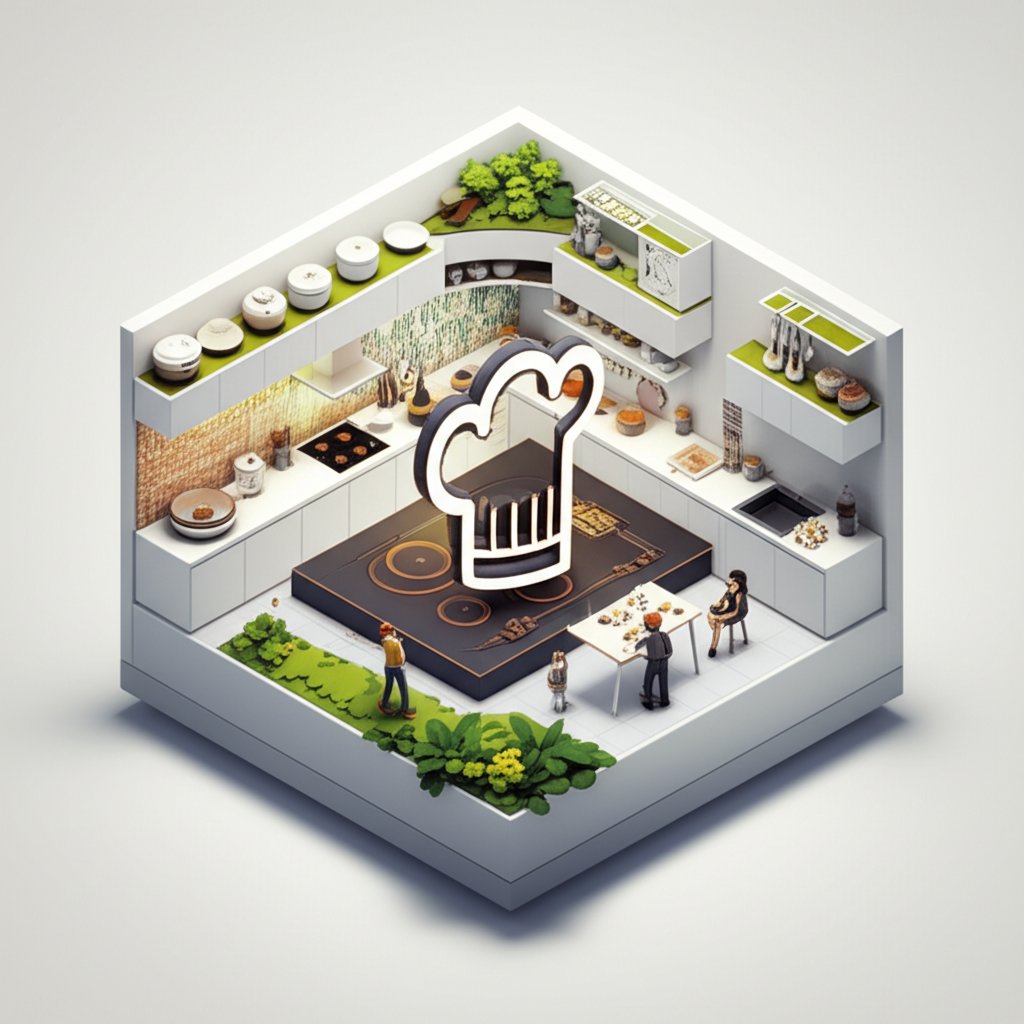
Installing a backsplash can be a DIY project, especially for simple tile installations. However, for more complex designs or materials, it’s best to hire a professional. Correct installation involves heat resistant materials, and sealing the grout properly.
Cleaning and Maintenance Tips
Regular cleaning and maintenance will keep your backsplash looking its best.
- Wipe down the backsplash regularly with a damp cloth or sponge.
- Use a mild dish soap or a mixture of vinegar and water for tougher stains.
- Avoid harsh cleaners or scouring pads, as they can damage some materials.
- Reseal grout lines periodically to prevent moisture and stains.
Common Questions About Stovetop Backsplashes
Let’s tackle some frequent questions so you’re ready to move forward.
Is a backsplash behind the stove really necessary?
Yes, installing a backsplash behind the stove is highly recommended. It not only protects the wall from heat, grease, and food splatters but also adds an aesthetic element to your kitchen. Practical Cooktop Backsplash Ideas should always include functional protection.
What are the best materials for a backsplash behind a stove?
The best materials are heat resistant and easy to clean. Ceramic tiles, glass tiles, stainless steel, and stone like granite or marble are popular choices.
Can I use peel and stick tiles behind a stove?
Peel and stick tiles can be used, but they may not be the best option for high-heat areas. These tiles are more suitable for areas that do not get excessively hot, as the adhesive might weaken and cause the tiles to peel over time. If you choose peel and stick tiles, make sure they are heat resistant and are kept at a safe distance from direct flame.
How high should the backsplash behind the stove be?
The standard height of a backsplash behind a stove typically ranges from 18 to 24 inches. However, the height can vary based on the design and layout of your kitchen. Extending the backsplash up to the range hood or the ceiling can make a dramatic visual impact and offer additional wall protection.
What do I need to consider for a backsplash behind a gas stove?
For a gas stove, prioritize heat resistance. Materials like stainless steel, tempered glass, or heat-resistant tiles are your best bet.
Taking the Next Step: Planning Your Backsplash Project
Ready to transform your kitchen with a new stovetop backsplash? Here’s a quick action plan:
- Assess Your Needs: Consider your cooking habits, kitchen style, and budget.
- Choose Your Material: Research different materials and select one that meets your needs and preferences.
- Design Your Backsplash: Get creative with colors, patterns, and layouts.
- Measure and Order: Accurately measure the area behind your stove and order the necessary materials.
- Install Your Backsplash: Decide whether to DIY or hire a professional. Stylish Stove Backsplash Ideas often involve a professional’s touch.
- Enjoy Your New Kitchen! A little effort can make a big difference in both the look and functionality of your cooking space.

- DIY Bathroom Mirror Frame Designs on a Budget - October 12, 2026
- Creative Bathroom Mirror Border Ideas for Every Style and Budget - October 11, 2026
- Bathroom Finishes That Handle Moisture and Look Great - October 10, 2026